Pakistan · Punjab Province
Where to Stay in Wah Cantt, Punjab Province
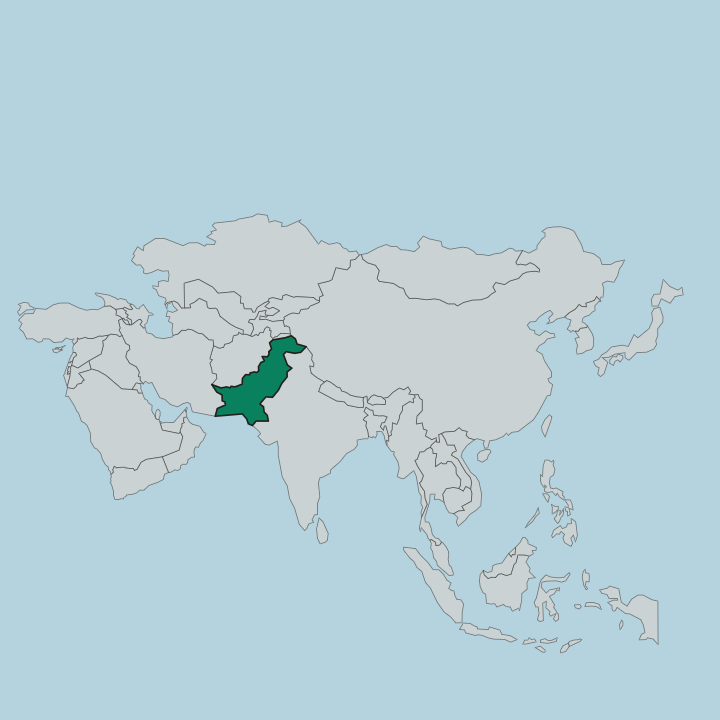
Wah Cantt is a cantonment city in Punjab, Pakistan, on the Grand Trunk Road beside Taxila, home to the Pakistan Ordnance Factories and the Wah Gardens.
Hotel links are affiliate links: booking through them may earn us a commission, at no extra cost to you. It never affects how places are ranked. How this works


Where to stay in Wah Cantt
Where the beds are, and what that means for the visit.
Wah Cantt is a military cantonment, and that shapes a stay. Traffic enters only through barriers held by military guards, and a car without a pass needs a temporary one from the gate, issued against an identity card that is handed back on the way out. Inside, the POF hotel and the Wah Continental are the named places to sleep.
Most visitors base themselves elsewhere. Islamabad, about 30 kilometres to the south-east, and Rawalpindi, about 38, both along the Grand Trunk Road, hold the wide choice of hotels and the airport, and from either the Wah Gardens and the ruins of Taxila make an easy day out.
About Wah Cantt
The name is an exclamation.
What is Wah Cantt known for?
Wah means wow, and the story is that the Mughal emperor Jahangir said it at the springs here in 1607, when the place was called Jalal Sar. The Wah Gardens, created by Raja Man Singh, later received Shah Jahan and Aurangzeb. Arms are the modern trade: the Pakistan Ordnance Factories have their headquarters here, and the cantonment dates from the ordnance workshops opened in 1951.
Schooling is the third claim. Literacy runs among the highest in Pakistan, and in 2005 the prime minister, Shaukat Aziz, called it a model education city.
What are the main landmarks in Wah Cantt?
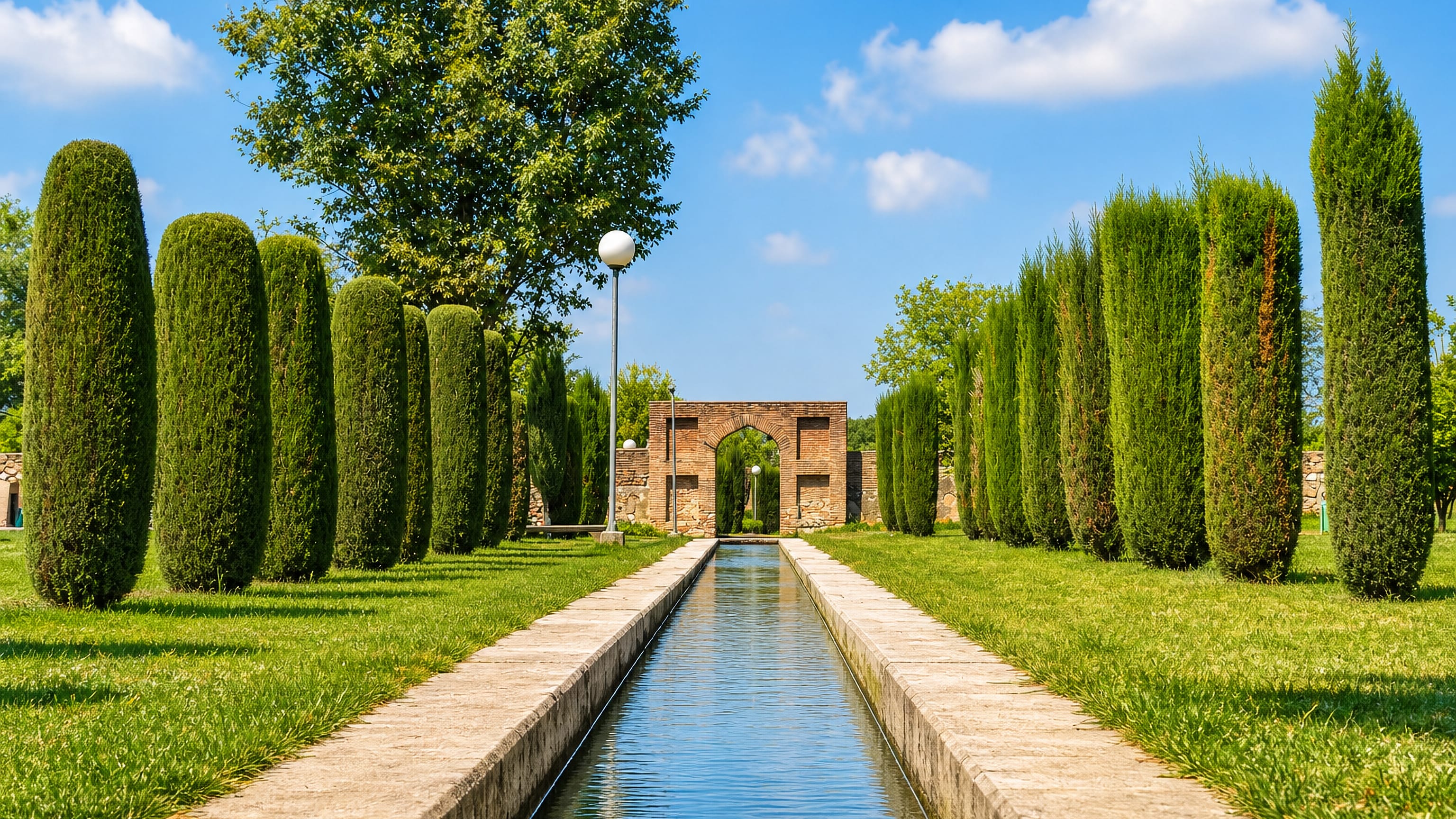
The Losar Baoli is the oldest sight. Sher Shah Suri built the stepwell beside the Grand Trunk Road, and it stands in a park named after him. Mughal emperors halted at the Wah Gardens, which the Pakistan Department of Archaeology has under restoration.
On Quaid Avenue the Jamia Masjid, opened by President Ayub Khan in 1959, follows the Badshahi Mosque in Lahore, with a courtyard, three domes and two minarets. The ruins of Taxila lie about seven kilometres to the south-east.
What is the history of Wah Cantt?
The ground is old. Wah lies close to the heart of ancient Gandhara, and the Buddhist ruins of Taxila are its neighbours. The village of Jalal Sar became Wah after Jahangir's visit in 1607, and Mughal emperors kept stopping at its garden until Aurangzeb in 1676.
British rule came in 1849, after the Second Anglo-Sikh War, and in 1921 the Associated Cement Company opened what is now the oldest cement plant in Pakistan. In 1947 a camp here sheltered Sikh and Hindu refugees from the Rawalpindi massacres. The cantonment dates from December 1951, when Prime Minister Khawaja Nazimuddin inaugurated four ordnance workshops and the word Cantonment joined the name, and planned markets such as Anwar Chowk and Laiq Ali Chowk followed.
On 21 August 2008 two suicide bombers killed 70 people outside the factory during a change of shift.
Where is Wah Cantt?
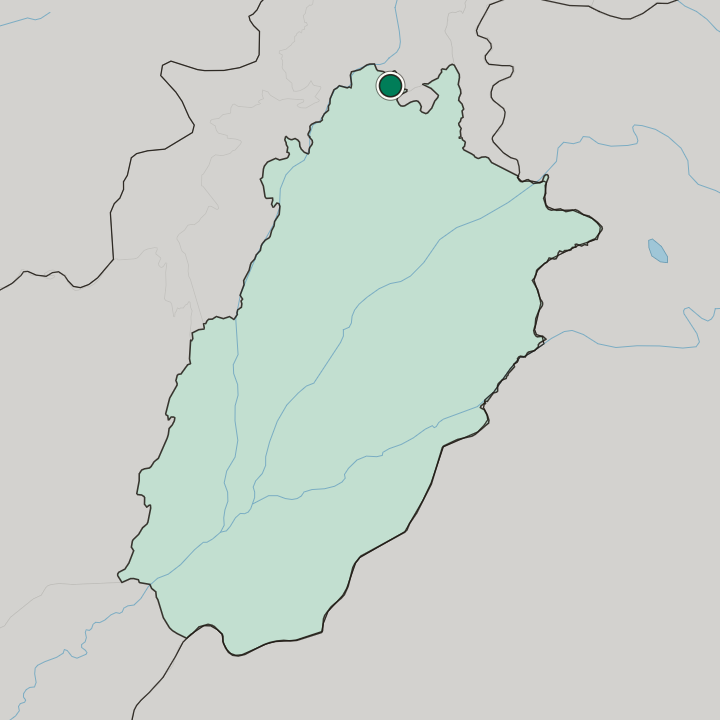
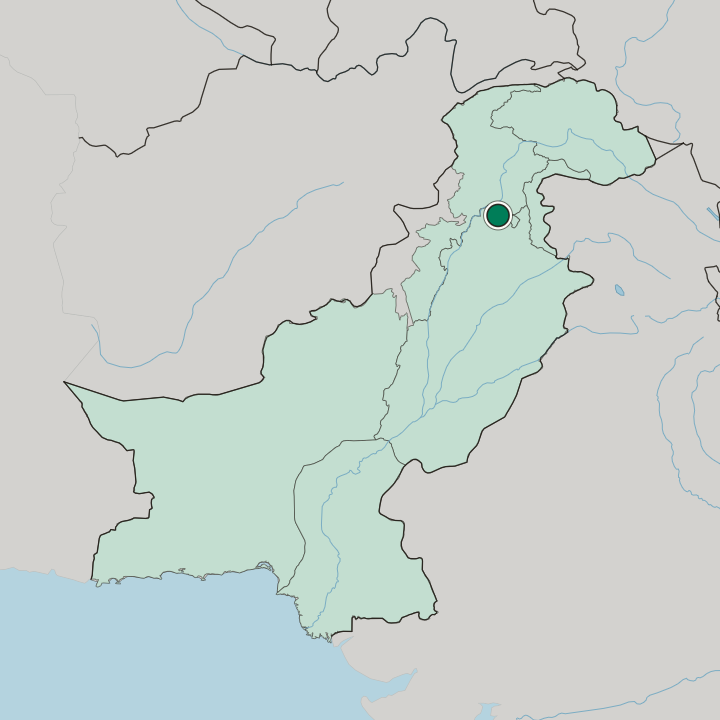
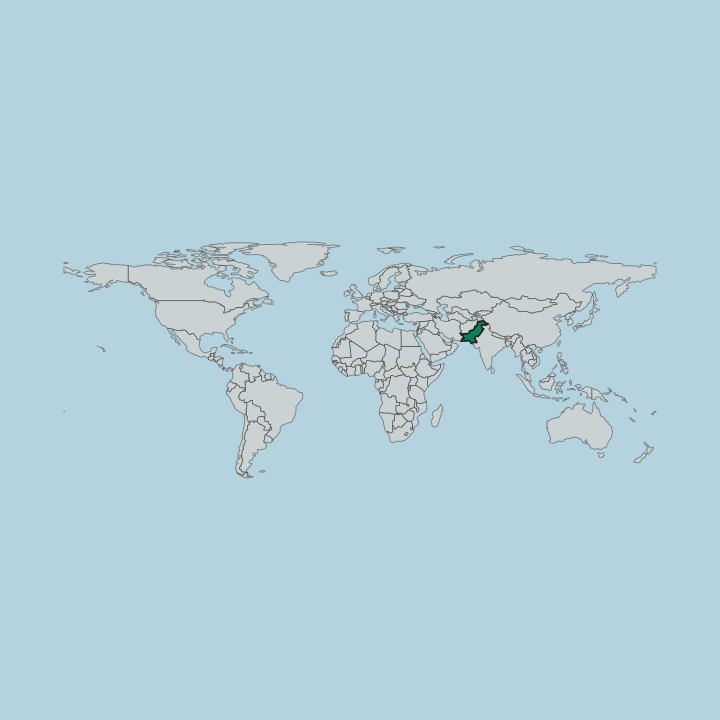
Wah Cantt stands on the Potohar Plateau at about 470 metres, some 30 kilometres north-west of Islamabad on the Grand Trunk Road. Taxila adjoins it to the south-east. Hasan Abdal lies about five kilometres to the north-west, and the city spans about 58 square kilometres within Taxila Tehsil.
How do you get to Wah Cantt?
Three stations on the Karachi to Peshawar main line serve the city: Wah, opened in 1909 and the largest, Wah Cantonment, in use since 1913, and Budho, from 1881. Islamabad International Airport is about 28 kilometres to the south-east. By road the Grand Trunk Road runs on to Rawalpindi and Islamabad, and every car entering the cantonment passes a guarded barrier.
More cities in Punjab Province
Updated October 2026