Poland · Pomeranian Voivodeship
Where to Stay in Gdynia, Pomeranian Voivodeship
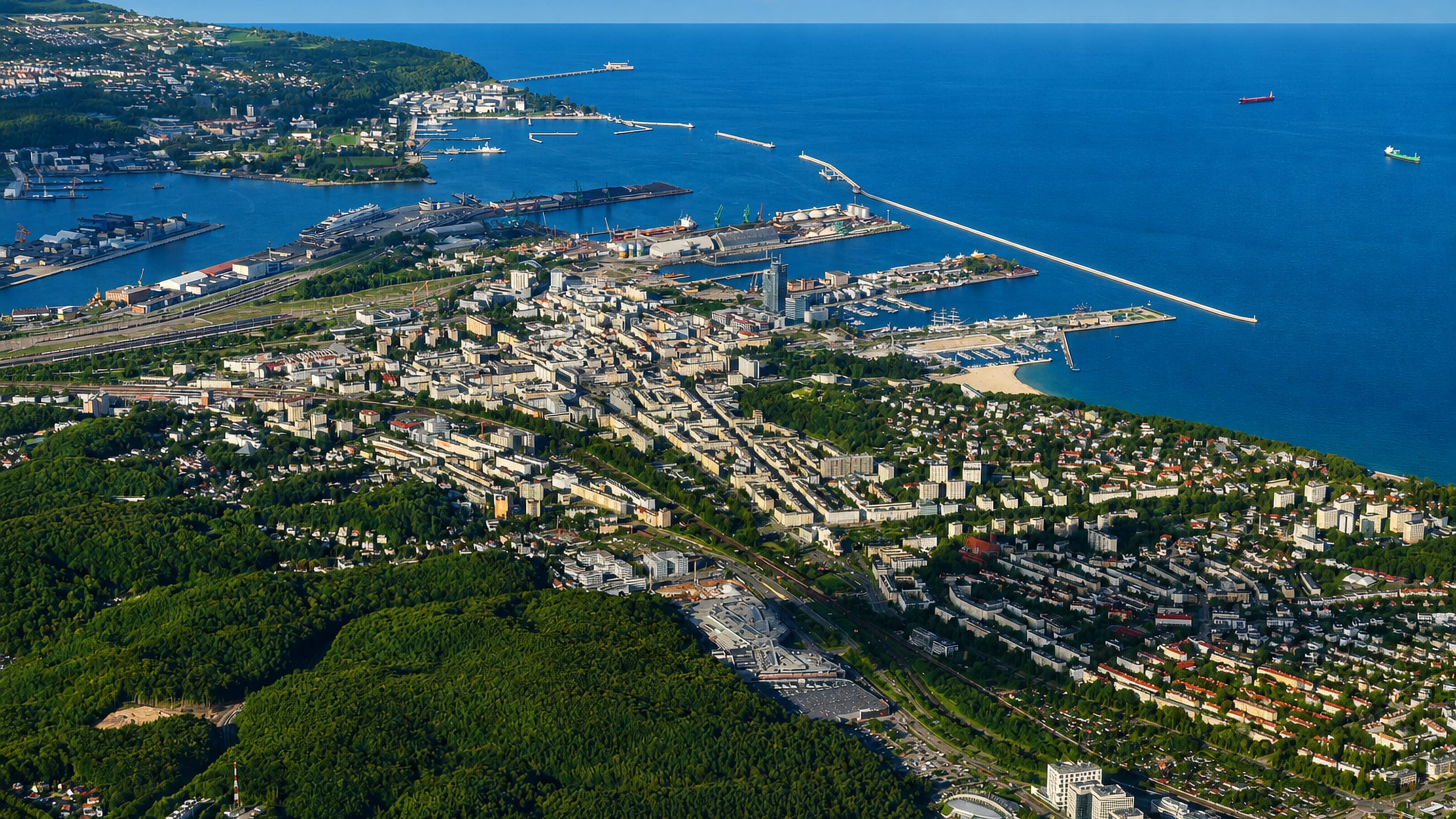
Gdynia rose from a fishing village into a planned modernist seaport on the Baltic in northern Poland, part of the Tricity beside Gdańsk and Sopot.
Hotel links are affiliate links: booking through them may earn us a commission, at no extra cost to you. It never affects how places are ranked. How this works


Where to stay in Gdynia
One neighbourhood here has its own guide — here's what it is best for.

 GdyniaPoland
Wzgórze św. Maksymiliana
Wzgórze św. Maksymiliana is a hill district of Gdynia holding the Gdynia City Museum, the Muzeum Marynarki Wojennej and a quarter of listed villas.Where to stay →Hotel links are affiliate links: booking through them may earn us a commission, at no extra cost to you. It never affects how places are ranked. How this works
Find hotels in Gdynia
Direct booking searches for these neighbourhoods.
Świętojańska Street
The main artery of Gdynia's interwar grid, running inland from the harbour past the ORP Błyskawica to cafes below 1930s facades.Find hotels in Świętojańska StreetArriving by sea and the aquariumKościuszki Square
Closest to the passenger piers, the Gdynia Aquarium and the Former Maritime Station that once received transatlantic liners.Find hotels in Kościuszki SquareHotel links are affiliate links: booking through them may earn us a commission, at no extra cost to you. It never affects how places are ranked. How this works
Things to do in Gdynia
Ranked by global recognition; descriptions from Wikidata (CC0).
Museums & Galleries
2- Emigration Museum
- Muzeum Marynarki Wojennej
Churches & Religious Sites
7- Saint Michael Archangel church in Gdynia Heritage
- Collegiate Church in Gdynia Heritage
- Our Lady of Częstochowa church in Gdynia Heritage
- Our Lady of Sorrows church in Gdynia Heritage
- Parish of the Sacred Heart of Lord Jesus in Gdynia Heritage
Show 2 more →
- Saint Anthony of Padua church in Gdynia Heritage
- church of Our Lady of Perpetual Help and St. Peter the Fisherman in Gdynia Heritage
Castles & Historic Sites
3- Pomnik Antoniego Abrahama
- Joseph Conrad Monument in Gdynia
- Monument to the People of the Sea
Landmarks & Notable Places
3- House of Jan Radtke in Gdynia Heritage
- Villa Szczęść Boże in Gdynia Heritage
- 10a Starowiejska Street in Gdynia Heritage
worth knowingacross 4 categories in Gdynia
About Gdynia
What is Gdynia known for?
Gdynia is known for interwar modernism and its working harbour. The city was built from scratch after the First World War to give an independent Poland a seaport of its own, and that planned origin still shapes every street of the grid. The destroyer ORP Błyskawica and the Emigration Museum anchor its naval and seafaring story.
Cranes work the docks. Nearby Gdańsk and Sopot complete the Tricity along the Baltic.
What are the main landmarks in Gdynia?
Gdynia's landmarks trace its life as a naval and emigration port. The destroyer ORP Błyskawica lies moored as a museum ship, while the Muzeum Marynarki Wojennej sets out the navy's story ashore in far greater detail. The Emigration Museum occupies the Former Maritime Station, from which ocean liners once carried passengers across the Atlantic.
Families gather at the Gdynia Aquarium. The Collegiate Church in Gdynia and the Monument to the People of the Sea round out the waterfront.
What is the history of Gdynia?
Gdynia was first mentioned in the 13th century as a small fishing settlement on the Baltic shore. For centuries it stayed that way. Its transformation came after the First World War, when an independent Poland needed a seaport of its own and chose this stretch of coast to build one from scratch.
The planners laid out a modernist city with a military harbour and a commercial seaport, and construction advanced through the 1920s and 1930s. Villas such as Villa Orla and Villa Sadyba rose beside civic buildings in the same clean style. From the Former Maritime Station, emigrants sailed for the Americas, a chapter the Emigration Museum records.
War came. The destroyer ORP Błyskawica served through the Second World War and survives as a memorial ship marking that hard-fought period of the young port's naval life. Gdynia later joined Gdańsk and Sopot in the conurbation known as the Tricity, and it became the largest Polish city that is not a voivodeship capital.
Where is Gdynia?
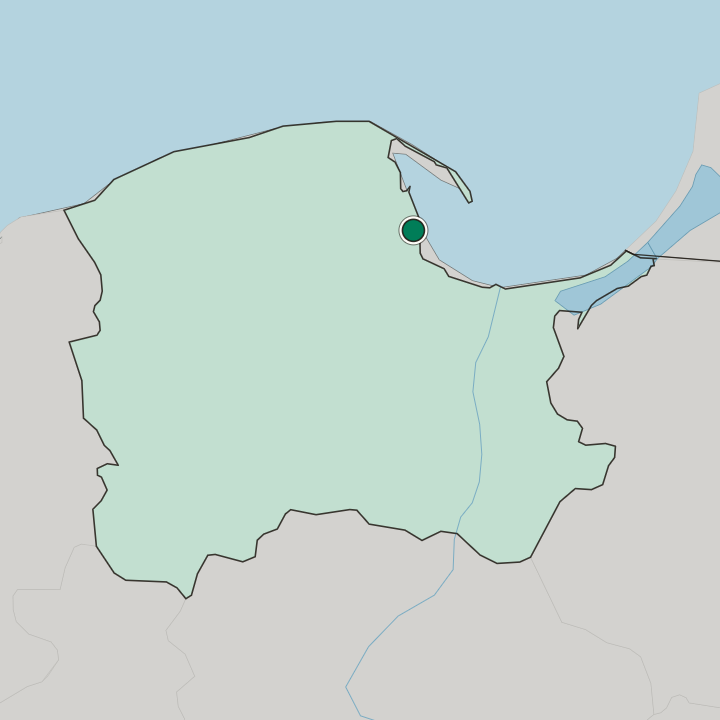
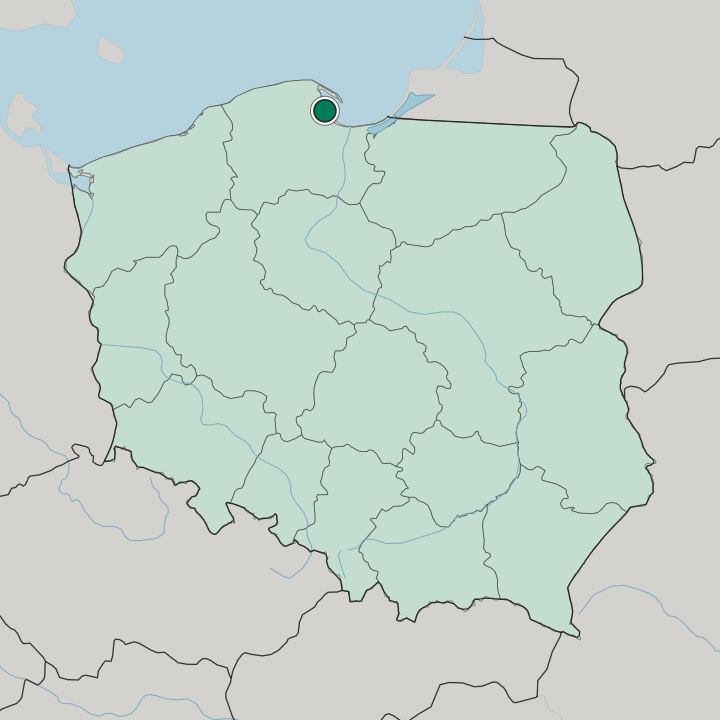
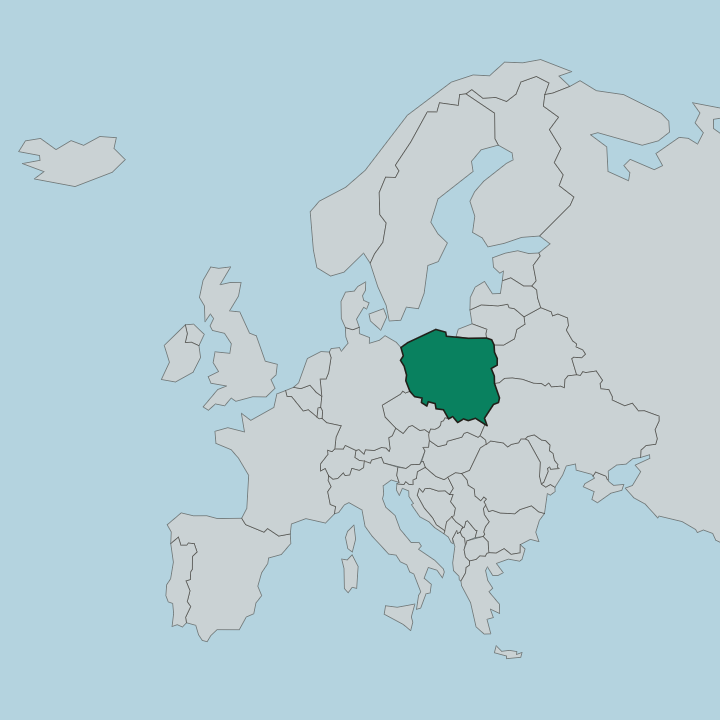
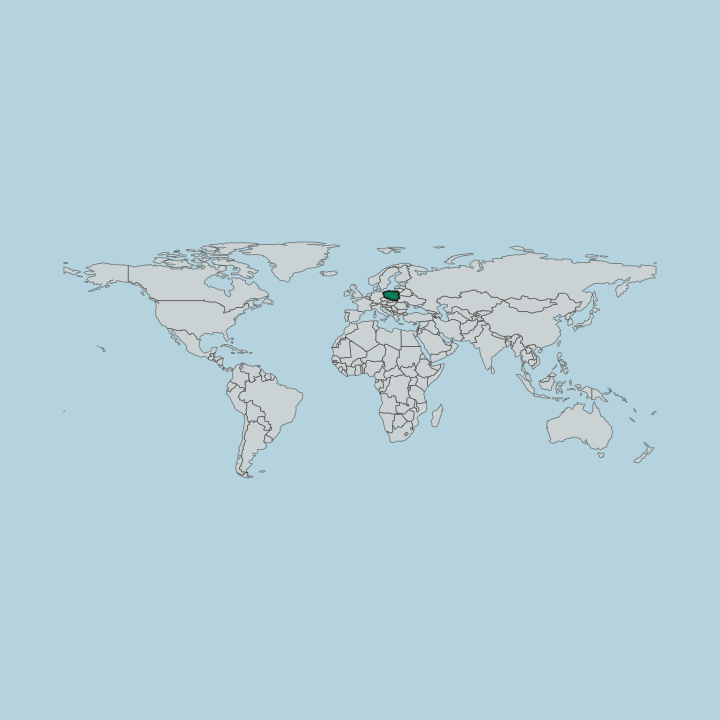
Gdynia sits on the Baltic Sea coast in northern Poland, within the Pomeranian Voivodeship. The city occupies a bay-side site where wooded moraine hills drop toward the harbour and the shore, and that sheltered water is exactly what made the deep seaport possible. It forms the northern member of the Tricity, joined along the coast to Sopot and Gdańsk.
Beaches line the front. The seafront cliff edge gives the built-up modernist grid its natural frame.
What is the climate of Gdynia?
Gdynia has a temperate maritime climate moderated by the Baltic Sea. Winters are cool and grey rather than severe, with the sea slowing the deepest cold along the Pomeranian coast. Summers stay mild and comfortable.
Sea breezes shape the seafront through much of the year, and the exposed harbour edge feels the wind off the water. Spring and autumn bring changeable, cloudy spells.
How do you get to Gdynia?
Gdynia is reached most easily through the Tricity it shares with Gdańsk and Sopot. Fast urban rail links the three settlements along the coast, so trains shuttle between Gdynia and Gdańsk many times an hour throughout the day. The nearest large airport serves the whole conurbation from the Gdańsk side.
Ferries and cruise ships call at the seaport. Roads from the south feed the Pomeranian Voivodeship and connect the city to the wider Baltic coast.
Common questions
What is the best area to stay in Gdynia?
Świętojańska Street: Modernist core and waterfront walks. Kościuszki Square: Arriving by sea and the aquarium.
Good for
More cities in Pomeranian Voivodeship
Updated October 2026