Poland · Pomeranian Voivodeship
Where to Stay in Gdańsk, Pomeranian Voivodeship
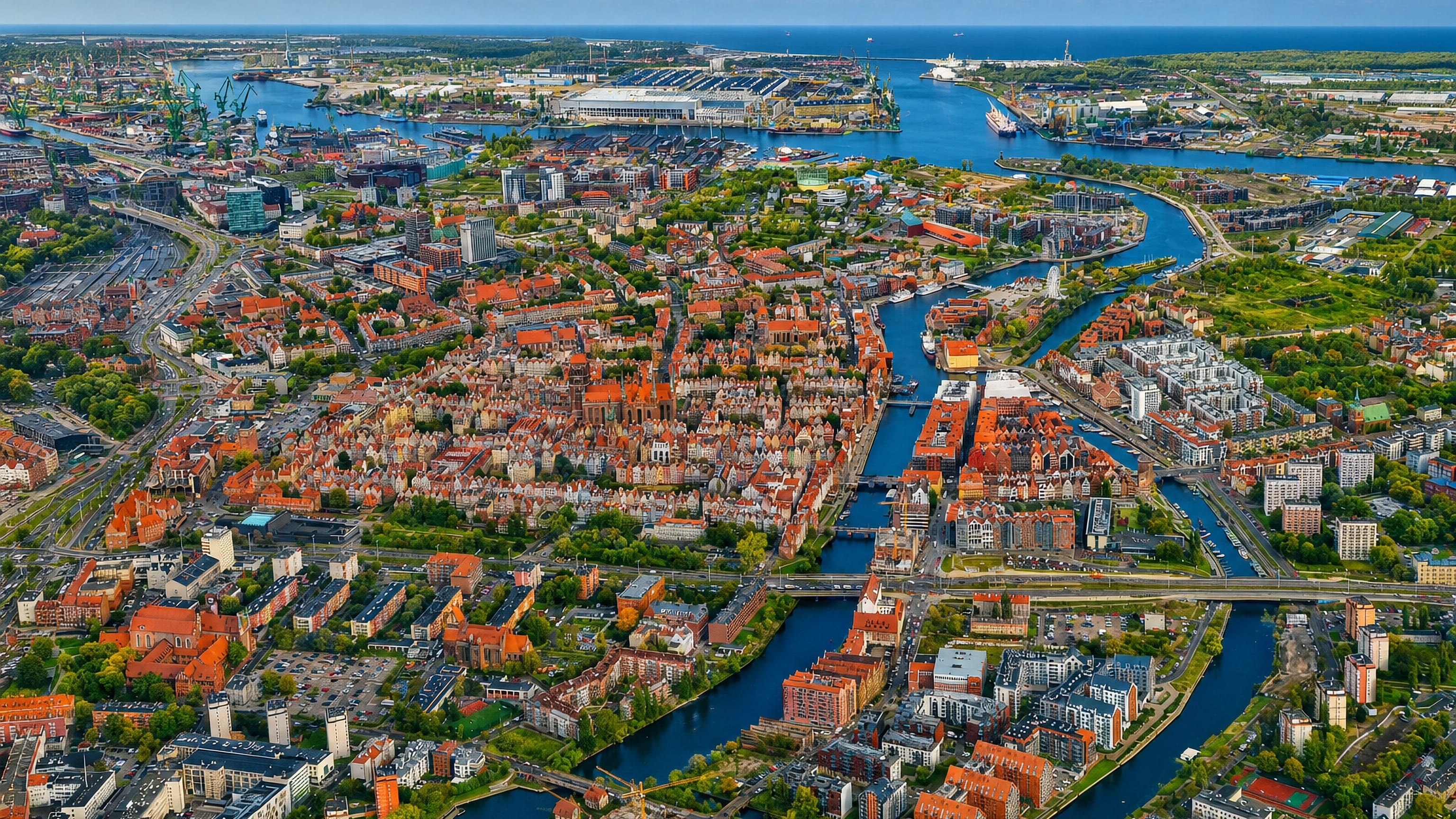
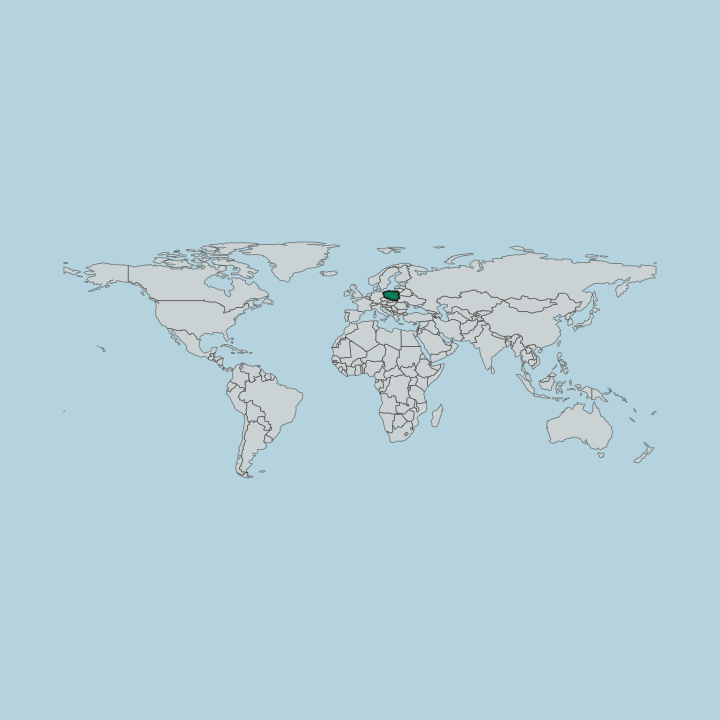
Gdańsk stands on the Motława near the Baltic coast of northern Poland, a port and shipyard city at the heart of the Tricity.
Hotel links are affiliate links: booking through them may earn us a commission, at no extra cost to you. It never affects how places are ranked. How this works


Where to stay in Gdańsk
The right area depends on your trip — here's what each neighbourhood is best for.

 GdańskPoland
Środmieście
Śródmieście is the traditional city centre of Gdańsk, the district holding Saint Mary's Basilica, Artus Court, Neptune's Fountain and Żuraw.Środmieście →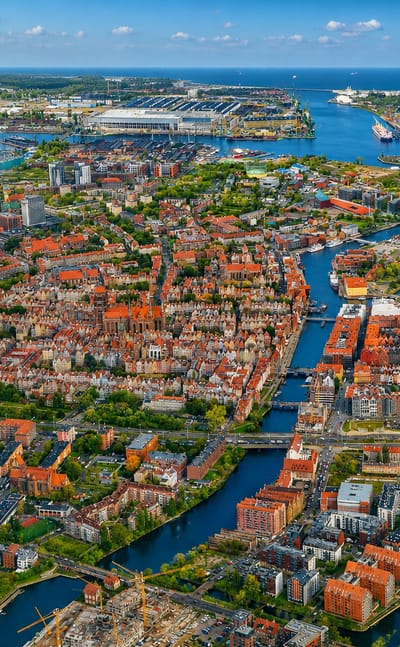 GdańskPoland
Siedlce
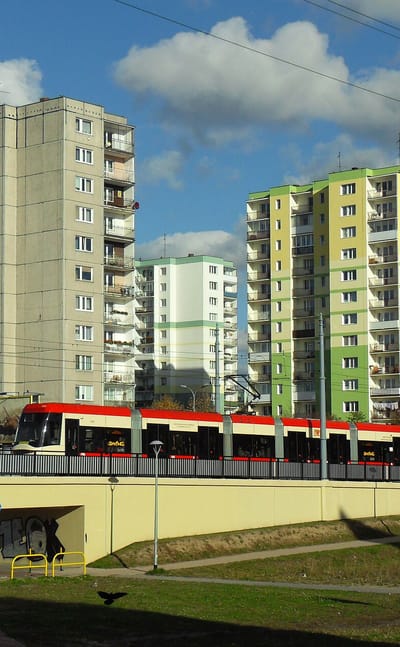
Siedlce rises on the hills above Kartuska Street, a district of Gdańsk marked by old hillside fortifications and its parish churches.Siedlce →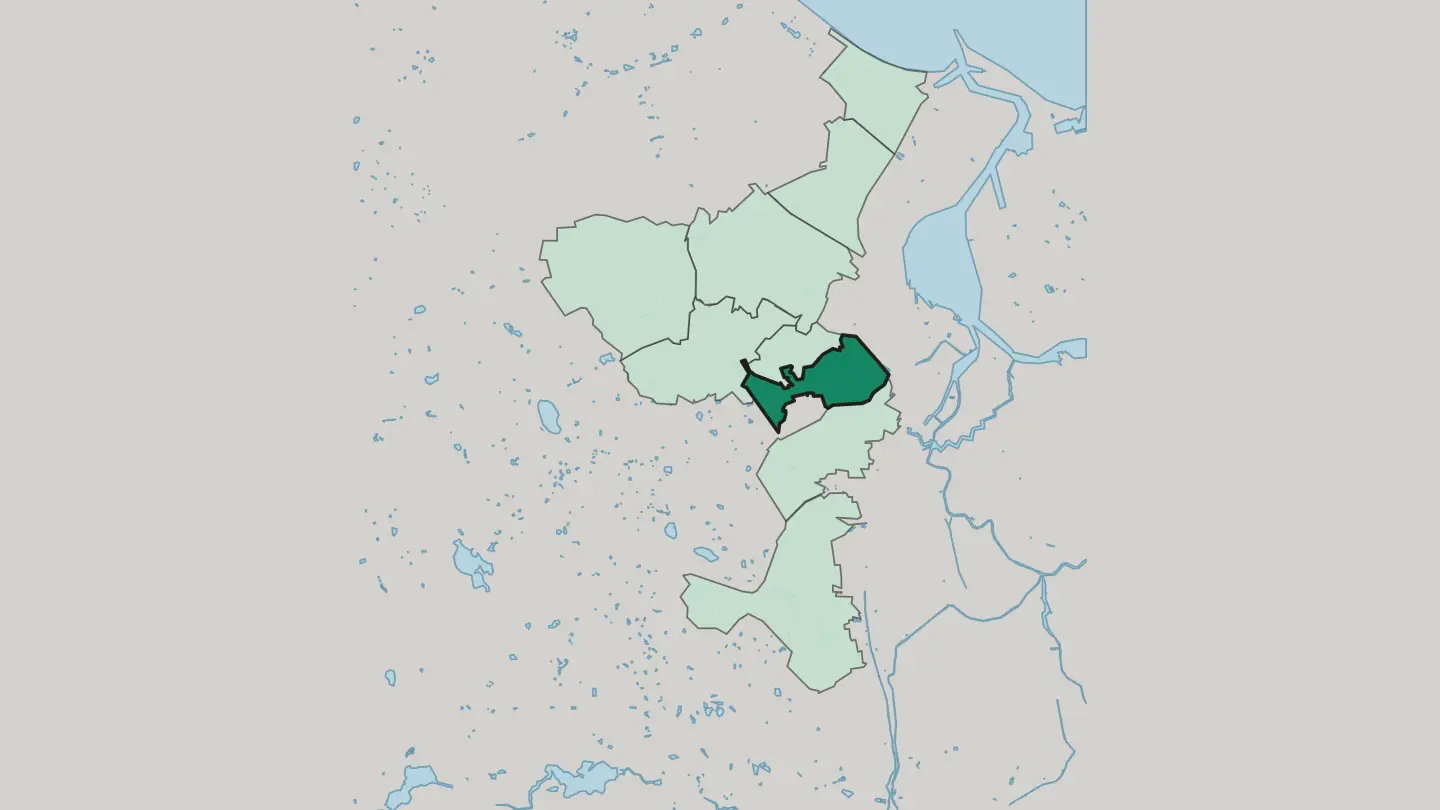
 GdańskPoland
Chełm
Chełm is a Baroque town in Lubelskie, founded in 1237 and set near the Ukrainian border. Old monasteries mark it.Chełm →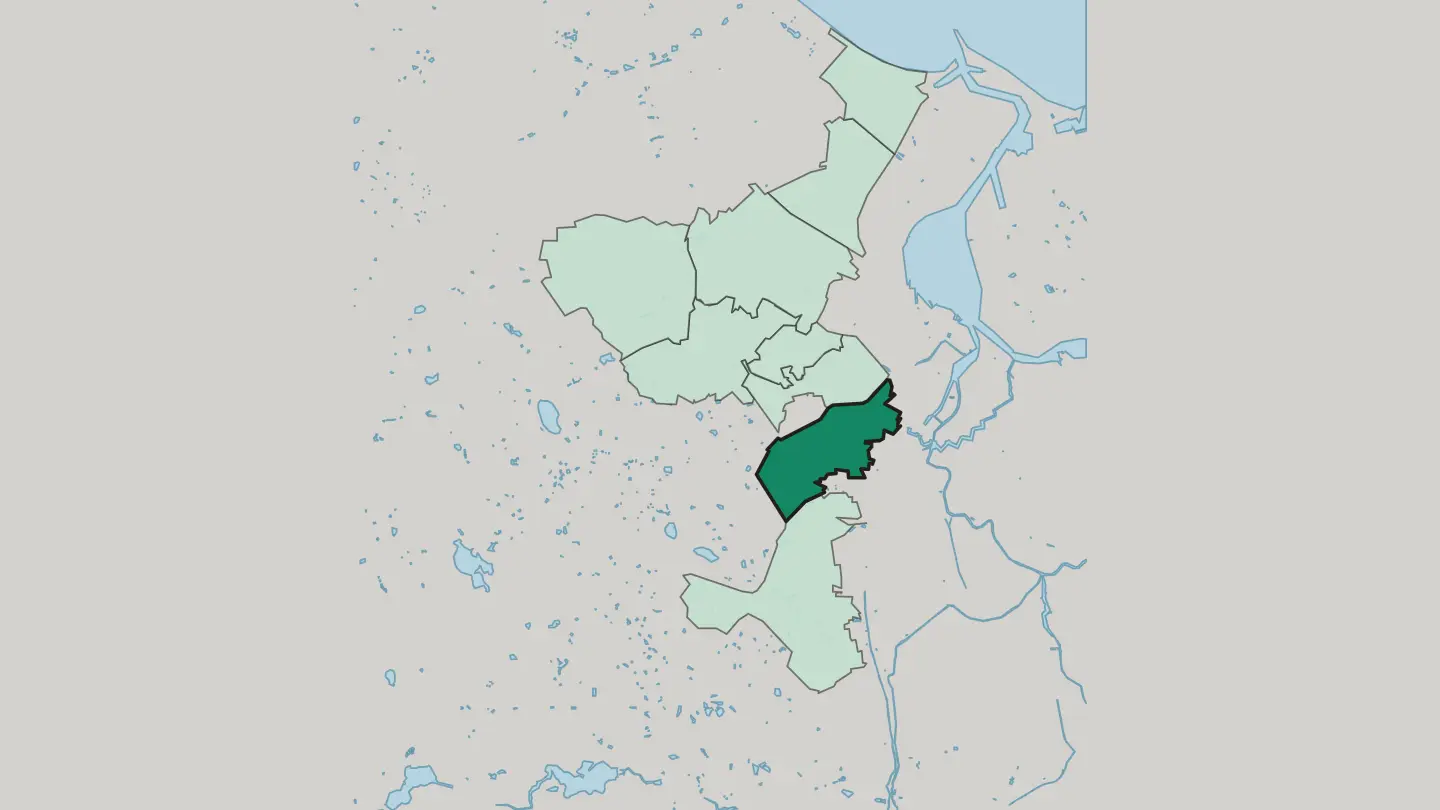
 GdańskPoland
Przeróbka
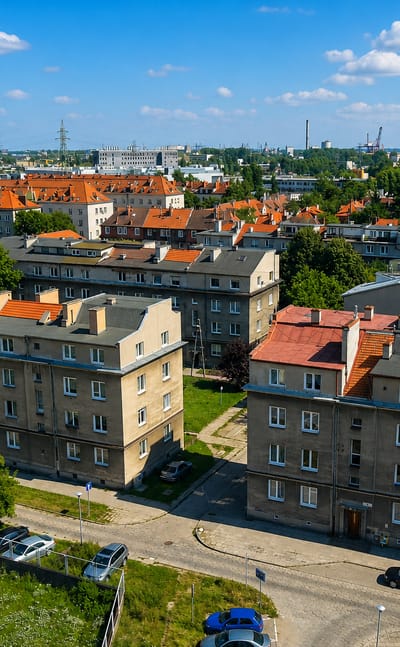
Przeróbka is a district of Gdańsk given over largely to industry, and the Westerplatte peninsula lies inside its boundary.Przeróbka →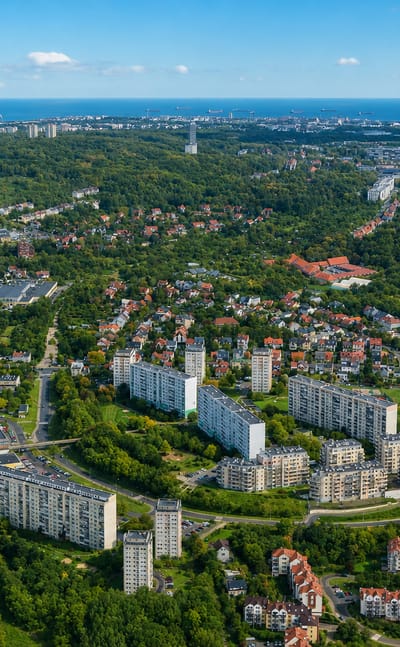 GdańskPoland
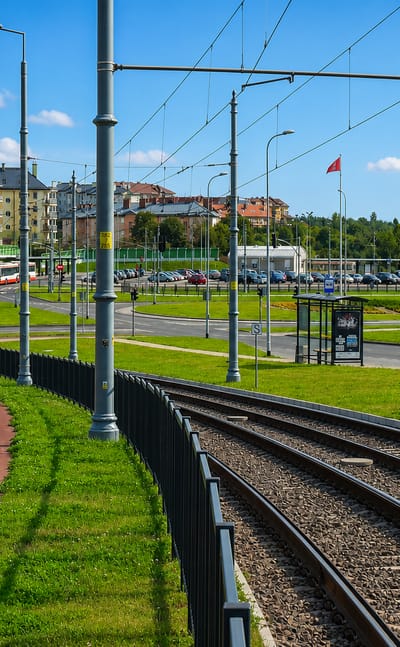
Suchanino
Church spires rise over the residential heights of Suchanino, a compact district of Gdańsk along Kartuska Street above the city centre.Suchanino →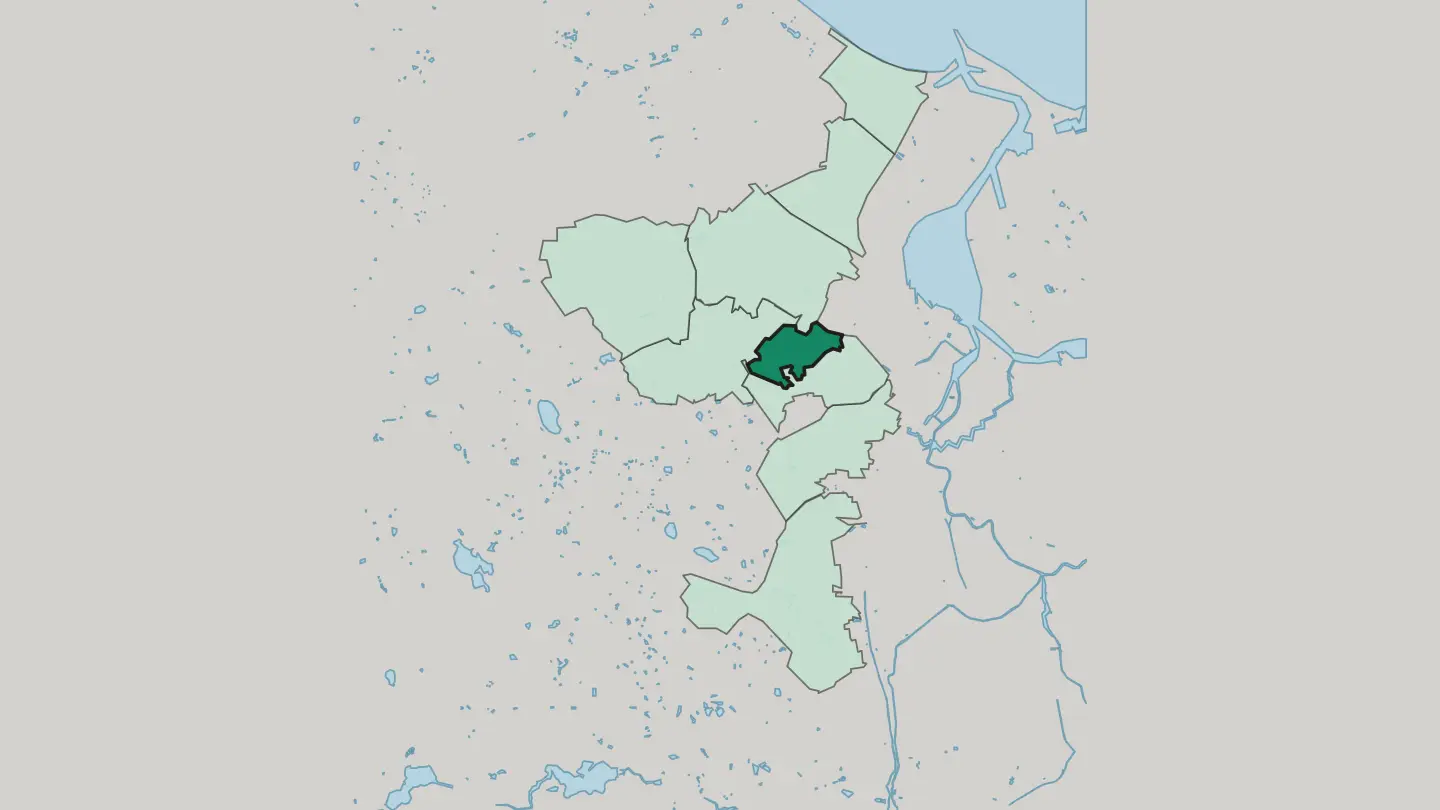
 GdańskPoland
Orunia Górna-Gdańsk Południe
Orunia Górna-Gdańsk Południe spreads across the southern hills of Gdańsk, a newer district of parkland and estates around Orunia Park.Orunia Górna-Gdańsk Południe →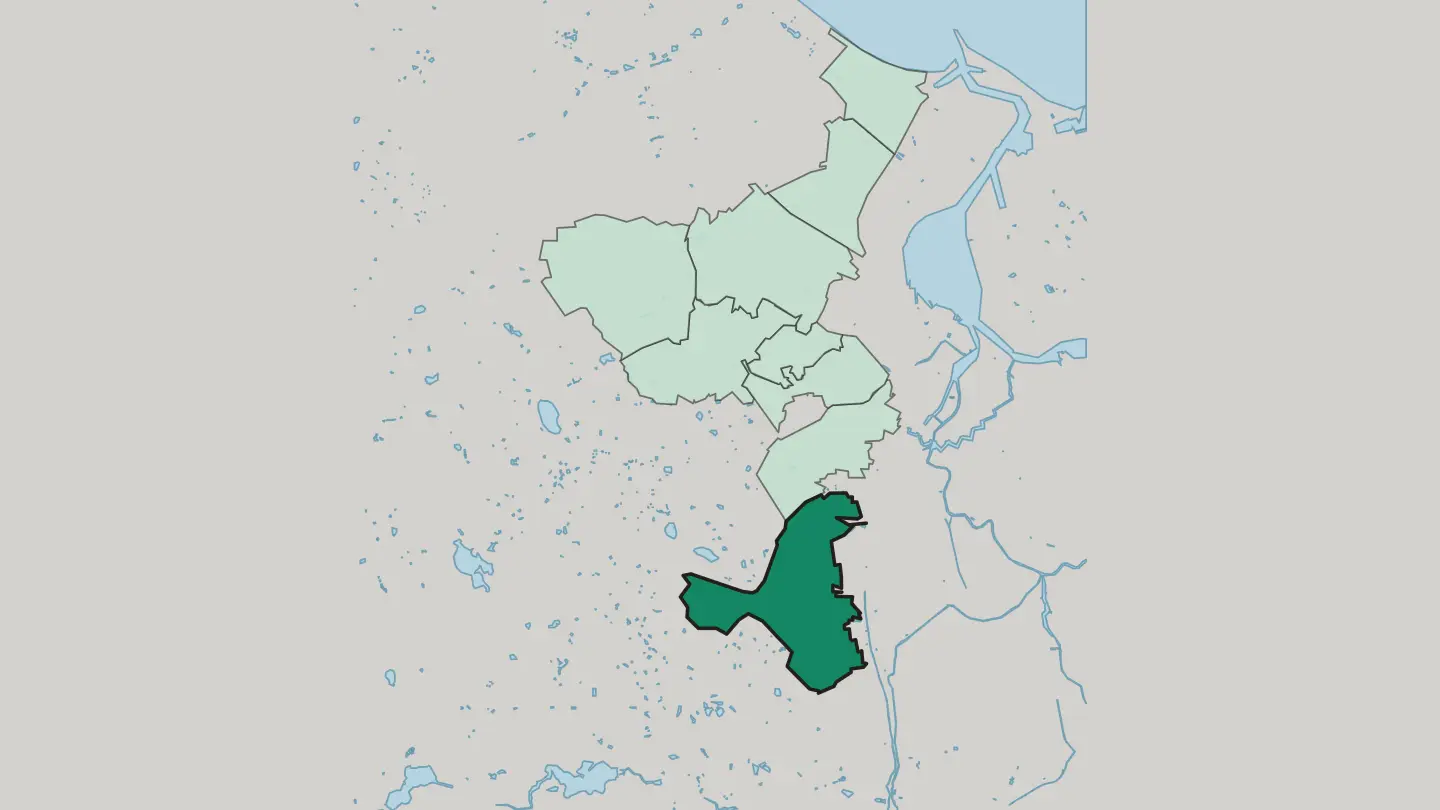
 GdańskPoland
Ujeścisko
Ujeścisko is a hillside quarter of Gdańsk on the Górny Taras, first recorded as Wonnenberg in 1454, between Wzgórze Armatnie and Góra Ujeścisko.Ujeścisko →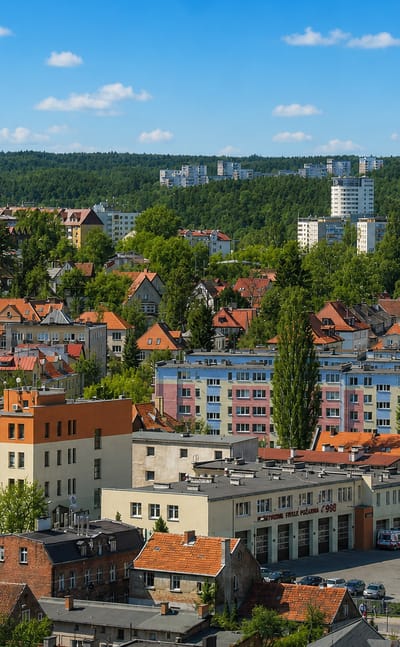 GdańskPoland
Wrzeszcz
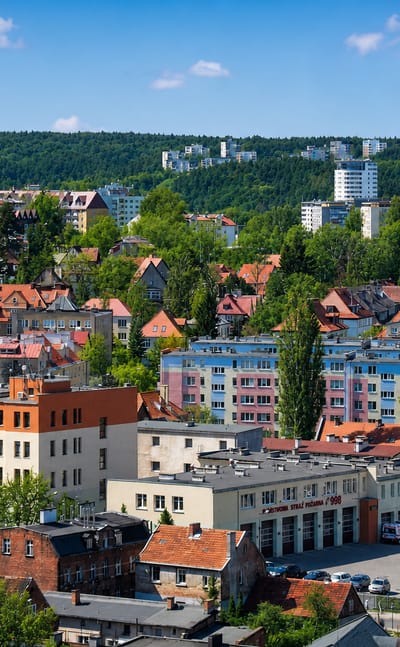
Brick tenements and church towers rise over Wrzeszcz, a district of Gdańsk shaped by its collegiate church, the Conradinum school, and an old brewery.Wrzeszcz →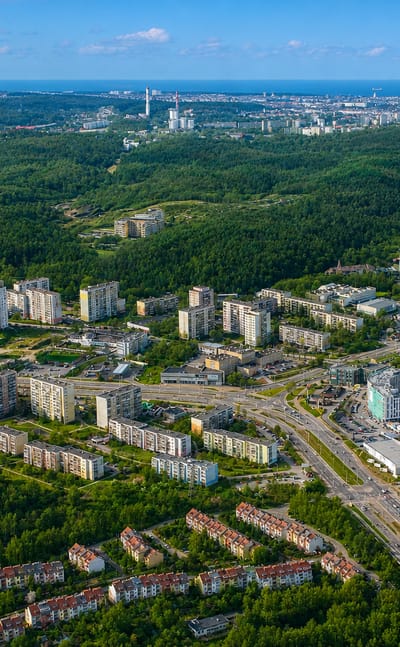 GdańskPoland
Piecki-Migowo
Piecki-Migowo rises on the Morena heights above Gdańsk, a residential district formed from the two former villages of Piecki and Migowo.Piecki-Migowo →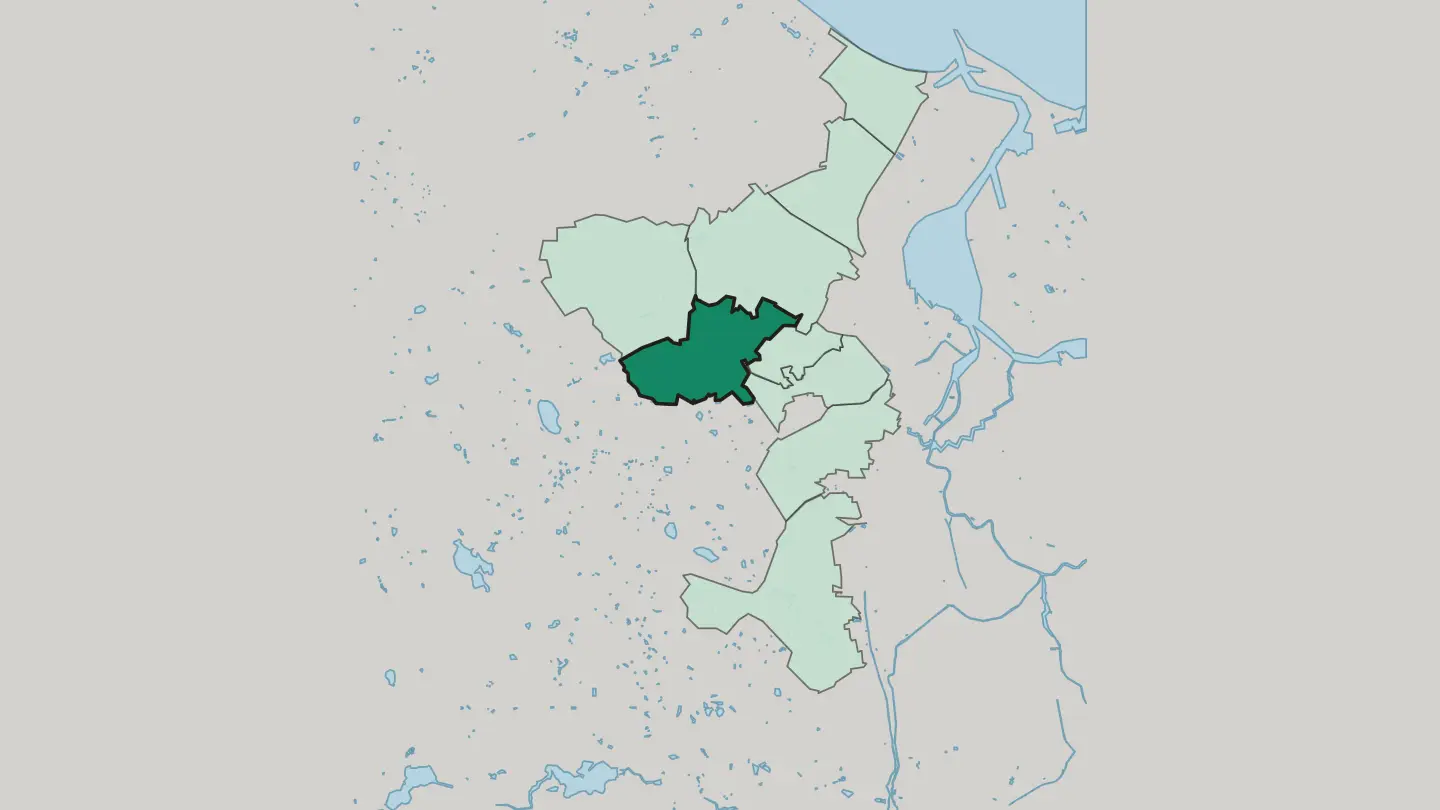
 GdańskPoland
Wrzeszcz Dolny
Brewery halls and the green of Kuźniczki Park mark Wrzeszcz Dolny, a district of Gdańsk in Poland split from Wrzeszcz in 2010.Wrzeszcz Dolny →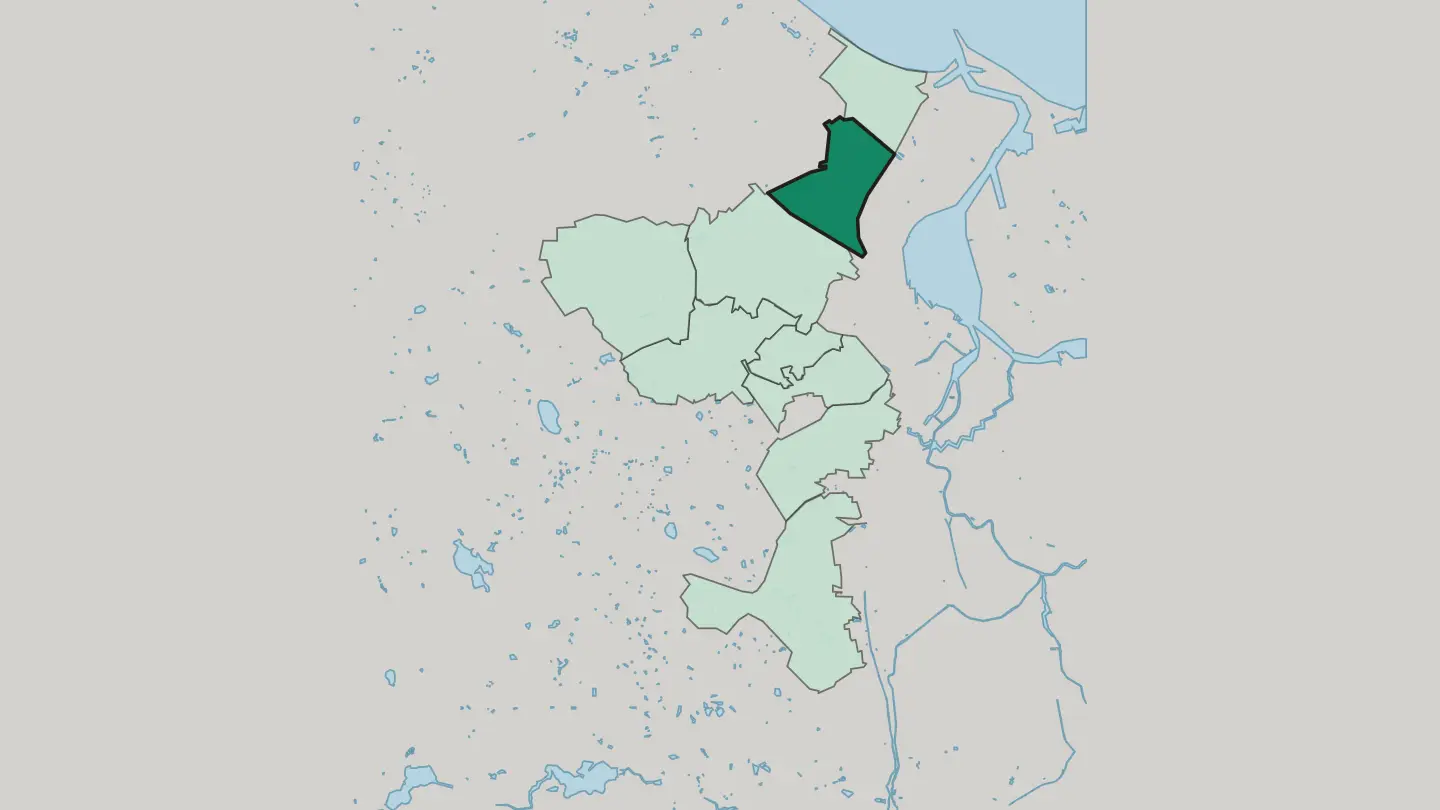
 GdańskPoland
Wrzeszcz Górny
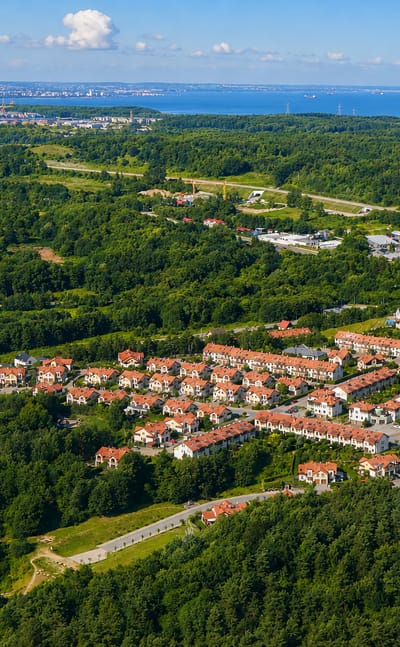
The Józef Piłsudski Monument stands in Wrzeszcz Górny, the upper district of Gdańsk cut from Wrzeszcz in 2010, above the valley of Jaśkowa Dolina.Wrzeszcz Górny →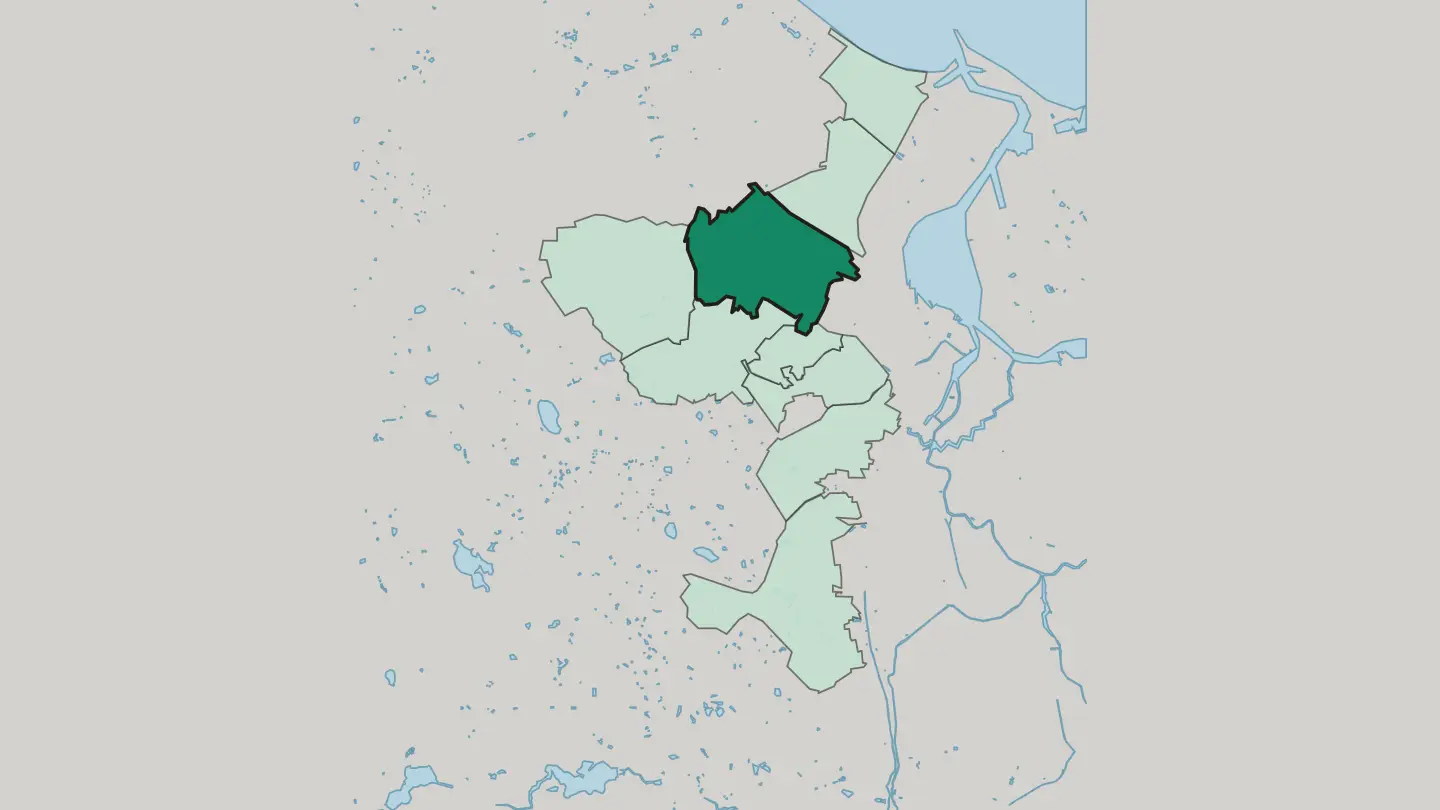
 GdańskPoland
Brętowo
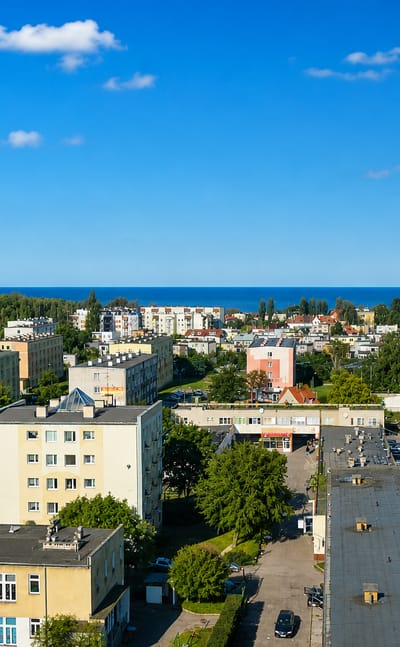
Brętowo is a district of Gdańsk, Poland, holding the Matemblewo Church in its Matemblewo quarter.Brętowo →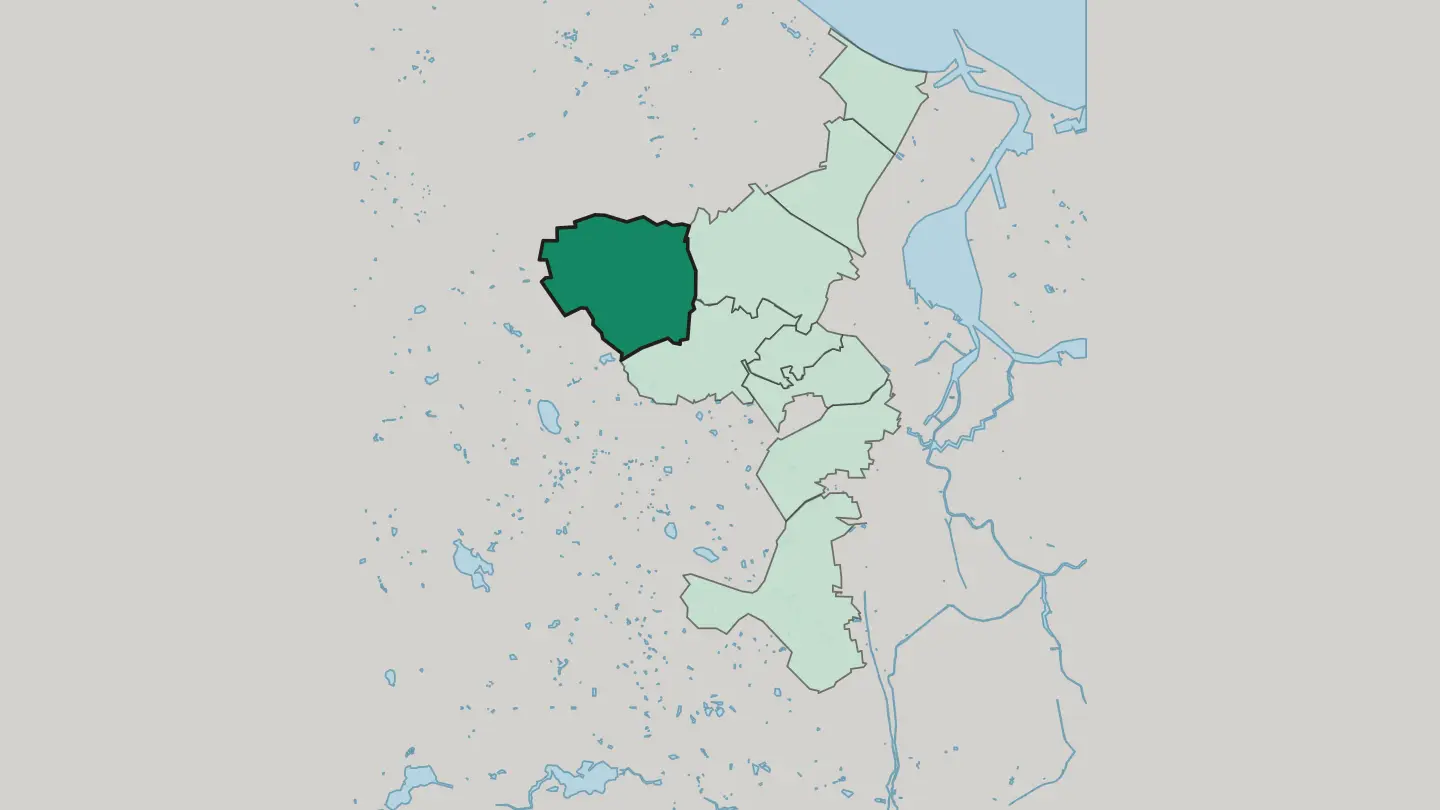
 GdańskPoland
Brzeźno Gdańskie
Brzeźno is a seaside resort district of Gdańsk, Poland, with the Dom Zdrojowy spa house and Park Brzeźnieński by the shore.Brzeźno Gdańskie → GdańskPoland
Sobieszewo
Sobieszewo is a district of Gdańsk whose cultural life runs through a small memorial room and the gallery called Wyspa Skarbów.Sobieszewo →GdańskPolandPrzegalina
Przegalina is a district of Gdańsk led on the record by the North Lock in Przegalina, a lock chamber set into the water there.Przegalina →Hotel links are affiliate links: booking through them may earn us a commission, at no extra cost to you. It never affects how places are ranked. How this works
Things to do in Gdańsk
Ranked by global recognition; descriptions from Wikidata (CC0).
Museums & Galleries
3- Museum of World War II in Gdańsk
- European Solidarity Centre
- National Museum in Gdańsk
Churches & Religious Sites
8- St. Mary's Basilica in Gdańsk Heritage
- St Catherine's Church Heritage
- Saint Bridget Church Heritage
- Saint John church in Gdańsk Heritage
- Saint Nicholas Church Heritage
Show 3 more →
- Royal Chapel in Gdańsk Heritage
- Collegiate church of Gdańsk Wrzeszcz Heritage
- Saint Ignatius of Loyola church in Gdańsk Heritage
Castles & Historic Sites
2- Zaspa Cemetery in Gdańsk Heritage
- John III Sobieski Monument in Gdańsk
Nature & Outdoors
3- Orunia Park Heritage
- Park Brzeźnieński in Gdańsk Heritage
- Kuźniczki Park in Gdańsk Heritage
Landmarks & Notable Places
8- Uphagen's House Heritage
- Golden House in Gdańsk Heritage
- 10 Gościnna Street in Gdańsk Heritage
- 57 Trakt Świętego Wojciecha in Gdańsk Heritage
- Abegg workers quarter in Strzyża Heritage
Show 3 more →
- 3 Zdrojowa Street in Gdańsk Heritage
- 1 Północna Street in Gdańsk Heritage
- 5 Marii Konopnickiej Street in Gdańsk Heritage
worth knowingacross 5 categories in Gdańsk
About Gdańsk
What is Gdańsk known for?
Gdańsk is known as the great port of the Baltic coast, a city on the Motława in northern Poland. The sea made the city. Along the water stand the Żuraw and the Gdańsk Main Town Hall, while the European Solidarity Centre marks the shipyard to the north, and the Motława runs down to Gdańsk Bay and the Baltic Sea.
Gdańsk is Poland's sixth-largest city.
What are the main landmarks in Gdańsk?
Gdańsk gathers its landmarks along the Motława and through the Main Town. The old port stands close. The Żuraw and the Gdańsk Main Town Hall rise over the waterfront, the Golden Gate and Green Gate frame the Main Town, and Neptune's Fountain marks its centre.
St. Mary's Basilica towers above it all.
What is the history of Gdańsk?
Gdańsk grew on the Motława near the Baltic coast, a Baltic port first recorded in the year 997. The sea built the city. Standing at the mouth of the Motława on Gdańsk Bay, the town rose as a great trading port, its wealth carried on the shipping that filled the Baltic Sea.
Grain and timber from inland Poland moved out through its harbour to the Baltic Sea. Merchants raised the Main Town, the gates, and the churches along the water. Gdańsk became the chief port of the coast.
The Second World War began on this coast, and left much of the city in ruins. The war marked it deeply. Much of the Main Town was destroyed and later rebuilt along the Motława, its gates and churches raised again above the water.
The Museum of World War II by the water keeps that memory. History turned at the shipyard. At the Gdańsk shipyard the Solidarity movement was born, and the European Solidarity Centre and the Monument to the Fallen Shipyard Workers stand there in memory.
The past still shapes the whole city.
Where is Gdańsk?
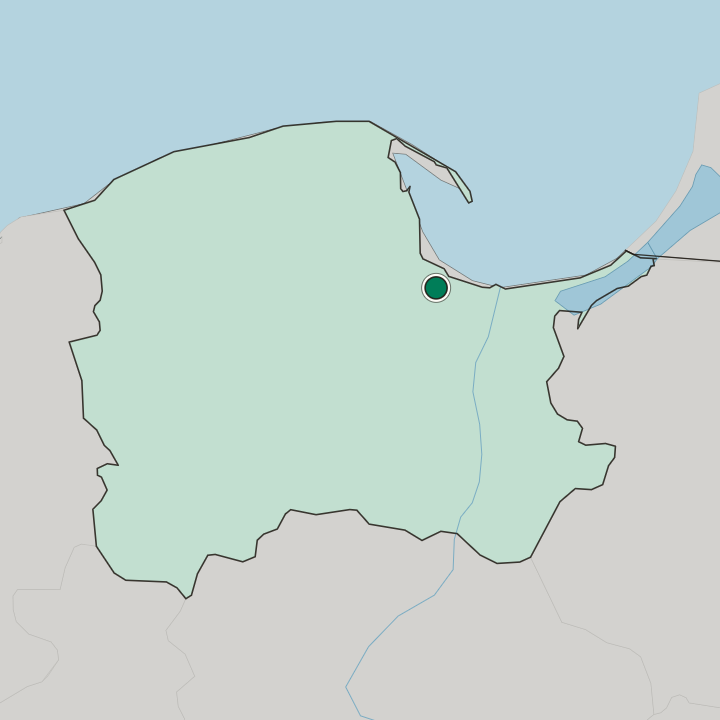
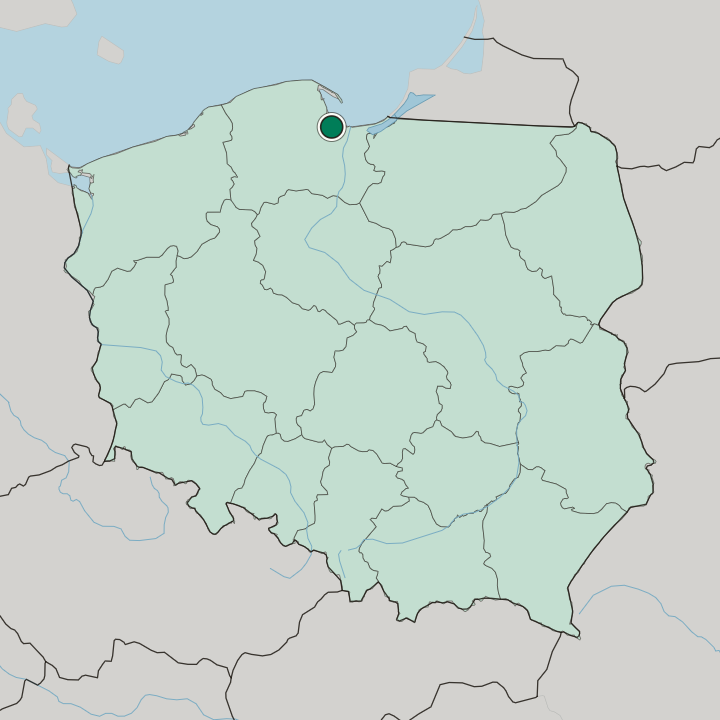
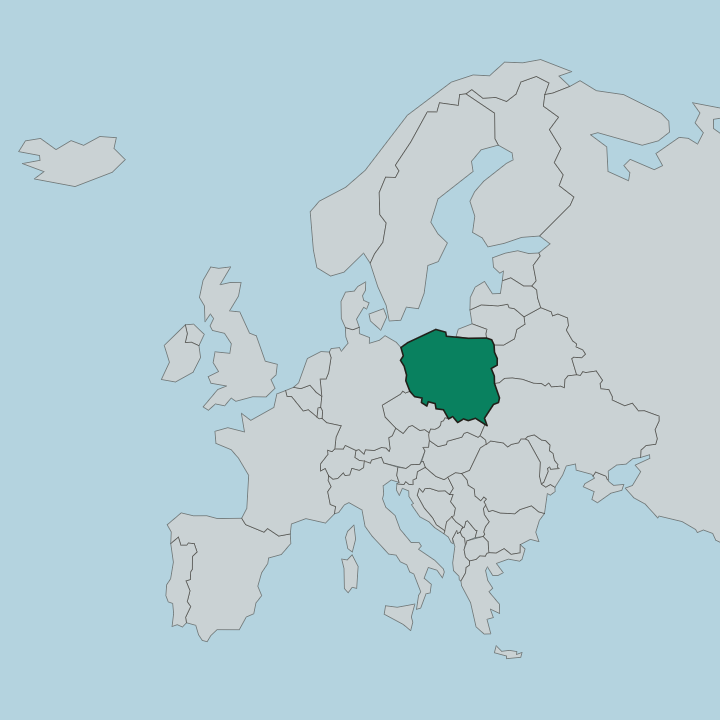
Gdańsk lies at the mouth of the Motława in Pomeranian Voivodeship, on the Baltic coast of northern Poland. The river meets the sea here. The city runs from the Main Town along the Motława down to Gdańsk Bay, where the Baltic Sea opens out beyond the port at the northern edge of Poland.
What is the climate of Gdańsk?
Gdańsk has a cool temperate climate shaped by the Baltic Sea at the mouth of the Motława. The sea steadies the year. Winters bring grey skies and damp cold to Gdańsk Bay, summers stay moderate by the water, and the salt wind off the Baltic blows over the port and the Main Town in every season.
How do you get to Gdańsk?
Gdańsk is reached by sea, by air, and by rail from across Poland. The port is the way in. Ships work into the harbour on the Baltic Sea, flights land north of the city, and rail and road lines run down the coast through the Tricity and Pomeranian Voivodeship toward the Motława and the Main Town.
Good for
More cities in Pomeranian Voivodeship
Updated October 2026