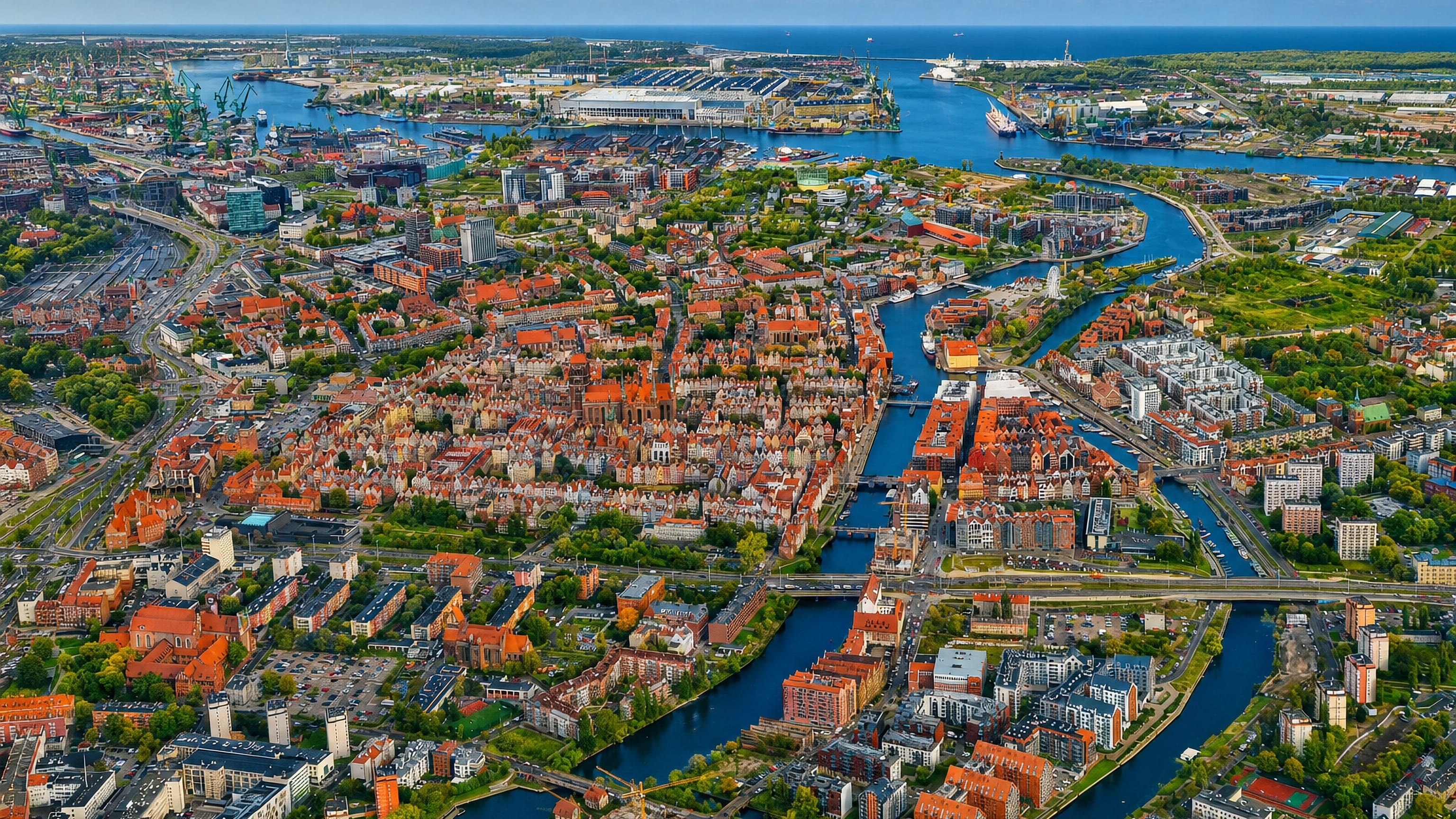
Poland
Pomeranian Voivodeship, Poland — Towns & Travel Guide
Pomeranian Voivodeship is the province of northern Poland on the Baltic Sea, reaching along the coast around its capital, Gdańsk.
Hotel links are affiliate links: booking through them may earn us a commission, at no extra cost to you. It never affects how places are ranked. How this works


Towns & cities in Pomeranian Voivodeship
Pick a town or city — each links to where to stay.
 Poland
Gdańsk
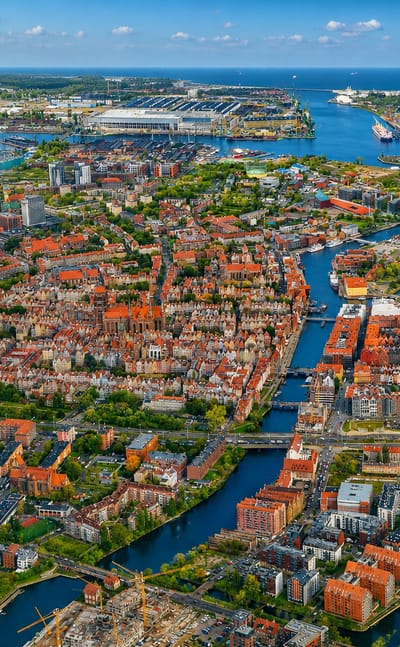
Gdańsk stands on the Motława near the Baltic coast of northern Poland, a port and shipyard city at the heart of the Tricity.Where to stay →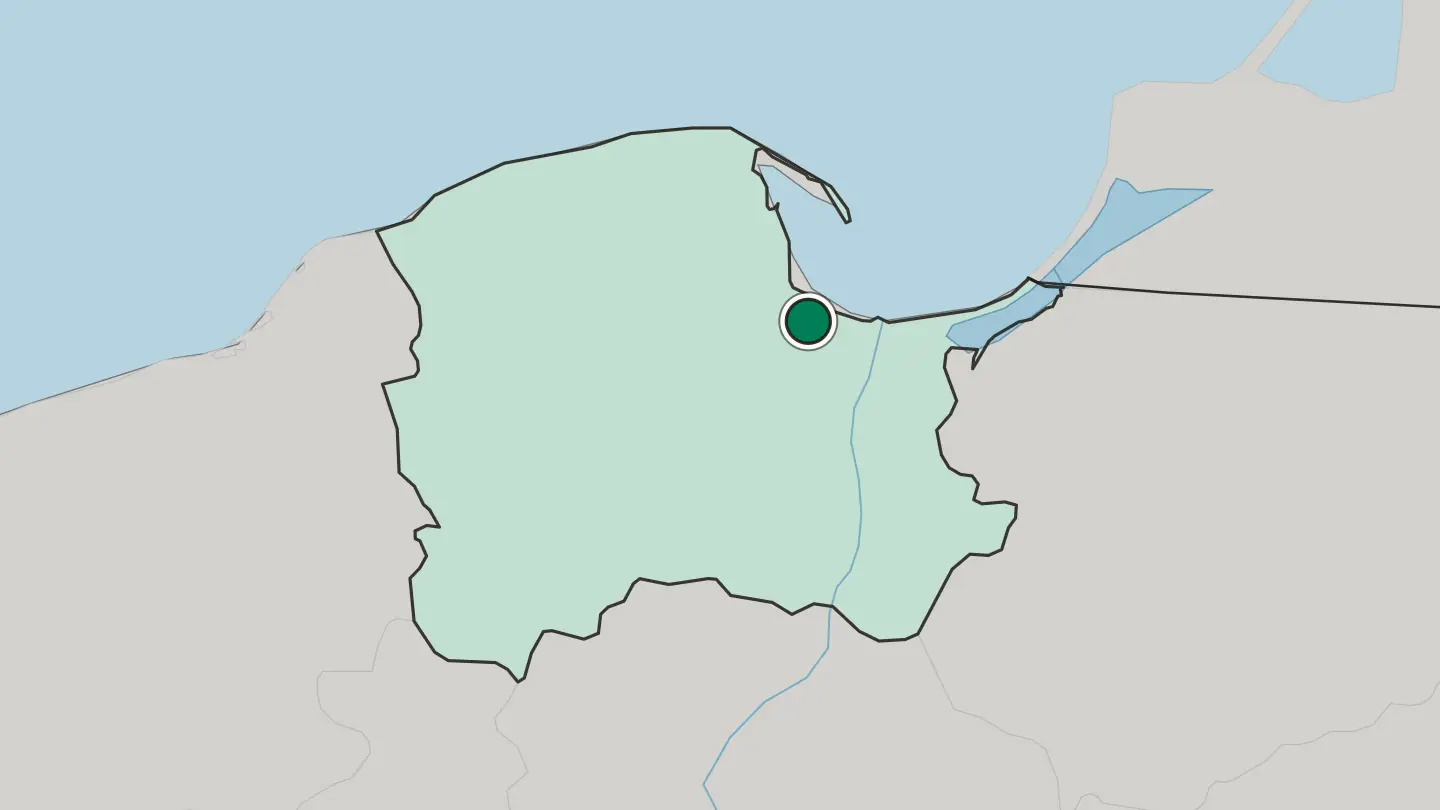
 Poland
Gdynia
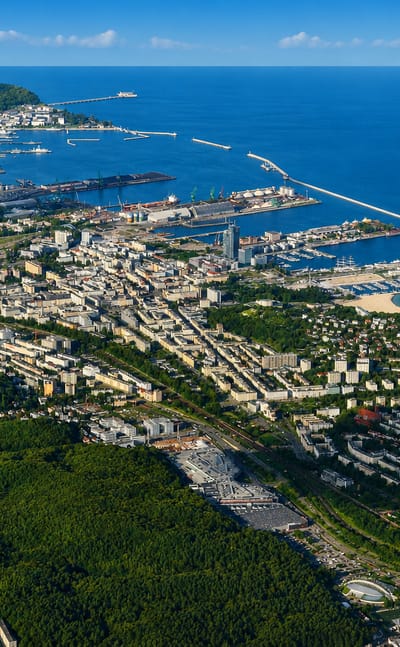
Gdynia rose from a fishing village into a planned modernist seaport on the Baltic in northern Poland, part of the Tricity beside Gdańsk and Sopot.Where to stay →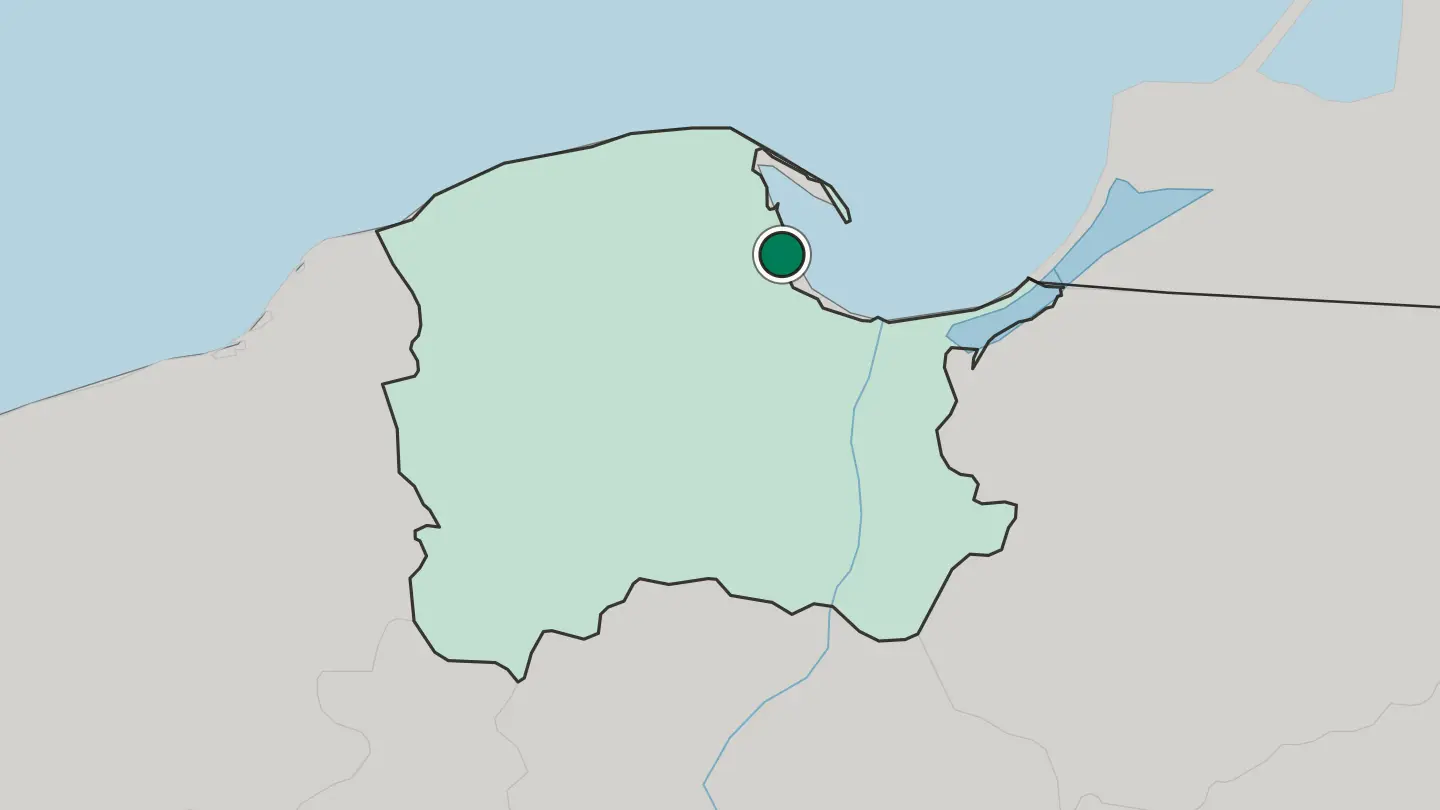
 Poland
Słupsk
Słupsk is a historic town of Middle Pomerania in northern Poland, near the Baltic coast on the Słupia river, seat of the old Pomeranian dukes.Where to stay →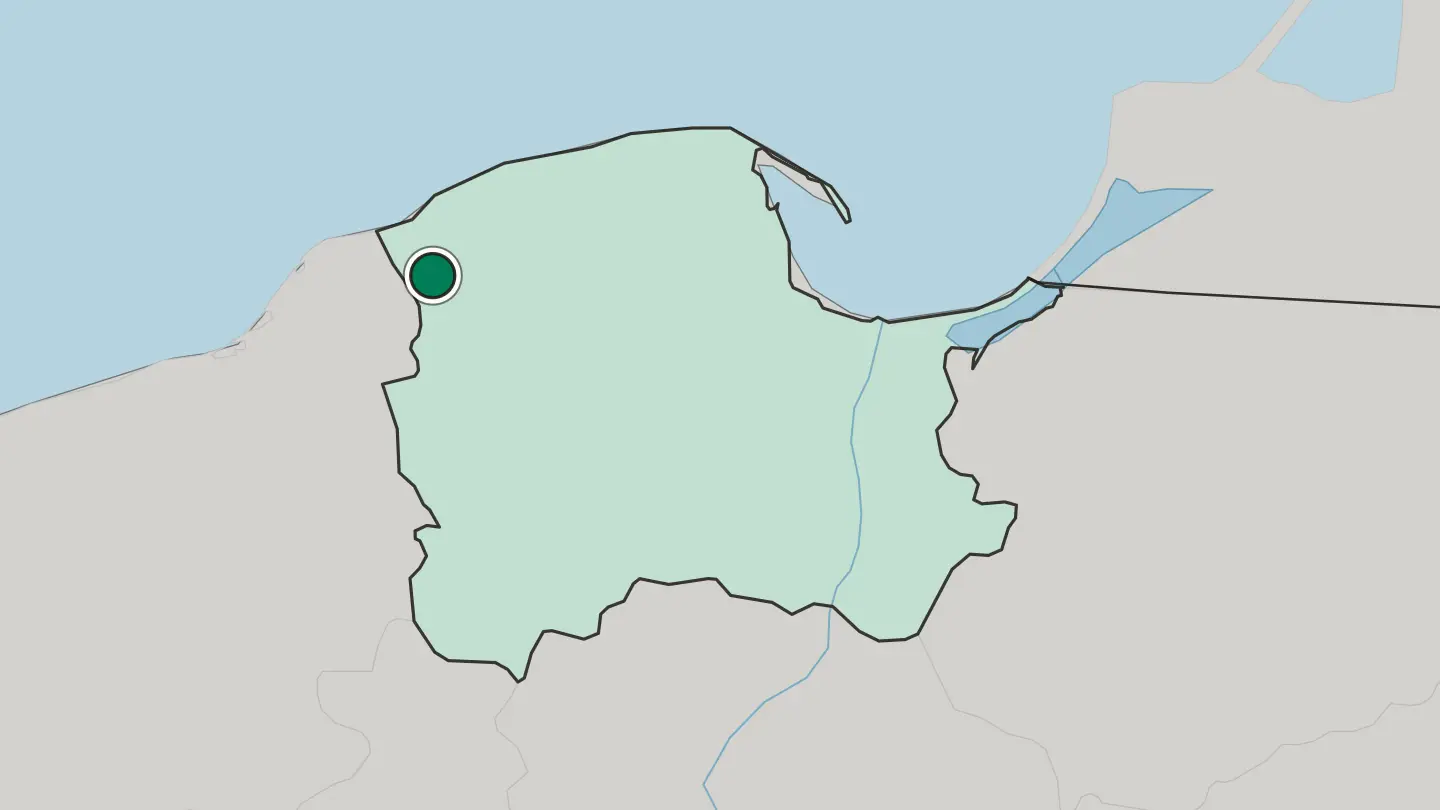
 Poland
Tczew
Tczew stands on the Vistula River in the Pomeranian Voivodeship, capital of Tczew County, largest town of Kociewie, and founded in 1198.Where to stay →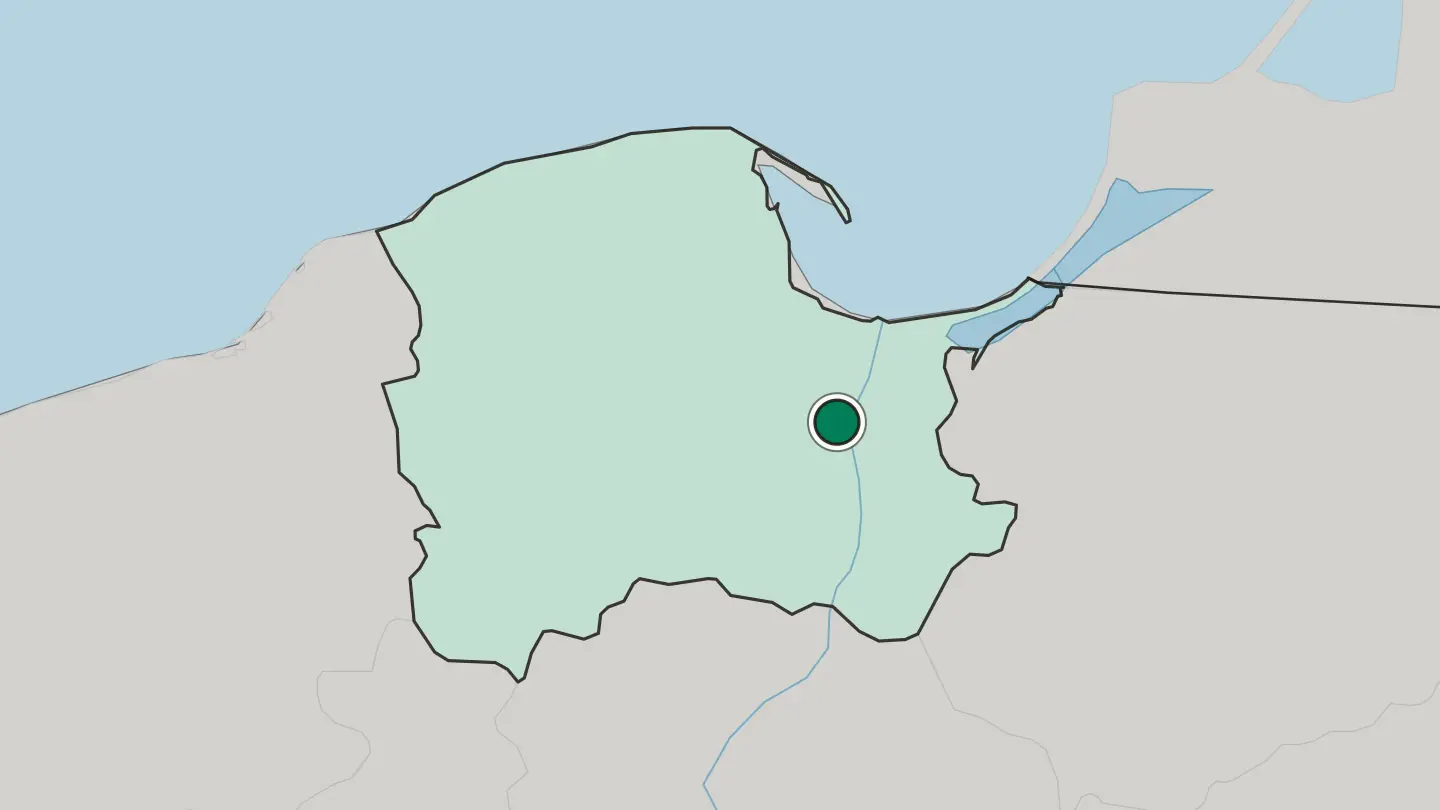
Hotel links are affiliate links: booking through them may earn us a commission, at no extra cost to you. It never affects how places are ranked. How this works
About Pomeranian Voivodeship
What is Pomeranian Voivodeship known for?
Pomeranian Voivodeship is known as the Baltic province of northern Poland, the coastal region around Gdańsk. The Baltic shapes the whole of Pomeranian Voivodeship. As one of the sixteen provinces of Poland, Pomeranian Voivodeship faces the Baltic Sea along its northern edge, its life gathered in Gdańsk and the working ports that line the coast.
Gdańsk leads the region.
Where is Pomeranian Voivodeship?
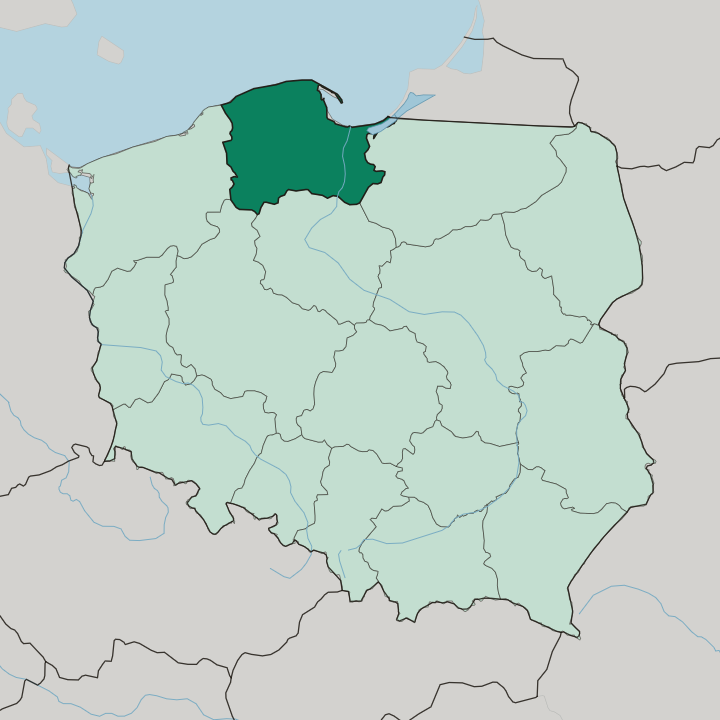
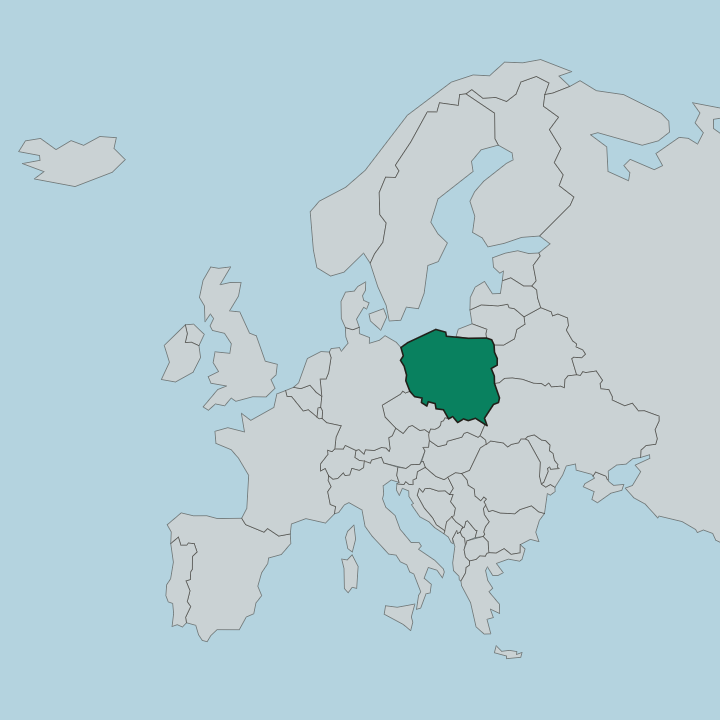
Pomeranian Voivodeship lies along the Baltic Sea in northern Poland, the coastal province at the top of the country. The sea forms its northern edge. Stretching across northern Poland, Pomeranian Voivodeship runs from the Baltic coast inland toward the borders it shares with the neighbouring provinces of Poland, its shore open to the water and its interior falling back into low country.
Gdańsk sits on the coast. The capital stands where the land meets the Baltic Sea, the point from which the whole region takes its bearings. Pomeranian Voivodeship is one of the sixteen provinces of Poland, and the coastal one turned toward the Baltic.
The water shapes everything here. Along the Baltic coast the harbours and shipping lanes of the region tie Gdańsk and the smaller ports to the sea, while behind them the towns of northern Poland spread across the lower ground. The coast faces north.
As the part of Poland that fronts the Baltic Sea, Pomeranian Voivodeship looks outward across the water from Gdańsk and the shore, a maritime corner of the country set at its northern edge.
What is Pomeranian Voivodeship like?
Pomeranian Voivodeship carries the maritime life of the Baltic coast, gathered in Gdańsk and the ports of northern Poland. Polish is the language here. As a province built along the Baltic Sea, Pomeranian Voivodeship has long looked to the water for its living, its trade and its history bound up with the sea and with the harbour city of Gdańsk.
The coast sets the character. Life along the Baltic runs to the rhythm of the port and the shore across the whole of the region. Beyond Gdańsk, the culture of Pomeranian Voivodeship stays close to the sea and the land behind it.
The shore shapes the towns. Along the Baltic coast the fishing harbours and seaside towns of northern Poland keep the older ways of a maritime country, while inland the region holds the quieter life of Polish market towns. Sea and land meet here.
The seafaring world of the Baltic coast and the farming country behind it share the ground of Pomeranian Voivodeship, both part of the same northern corner of Poland, both speaking Polish, and both shaped by the long reach of the Baltic Sea.
What is the history of Pomeranian Voivodeship?
Pomeranian Voivodeship draws its history from the Baltic coast, the maritime country of northern Poland centred on Gdańsk. The sea shaped its past. Long tied to the Baltic Sea, this corner of Poland grew through the trade of its harbours, its fortunes carried on the shipping that has always worked the coast around Gdańsk.
The port carried the region.
What is the climate of Pomeranian Voivodeship?
Pomeranian Voivodeship has a temperate maritime climate held in check by the Baltic Sea. The coast keeps the edges off. Winters stay grey and damp while summers turn mild along the shore, and the sea winds carry cloud and rain over Gdańsk and the coast of northern Poland for much of the year.
How do you get to Pomeranian Voivodeship?
Pomeranian Voivodeship is reached by sea, by air, and by rail through Gdańsk on the Baltic coast. The port is the way in. Ships work into the harbours of the Baltic Sea, flights land near Gdańsk, and rail and road lines run down from the coast into the rest of northern Poland and the country beyond.
More regions in Poland
Updated September 2026