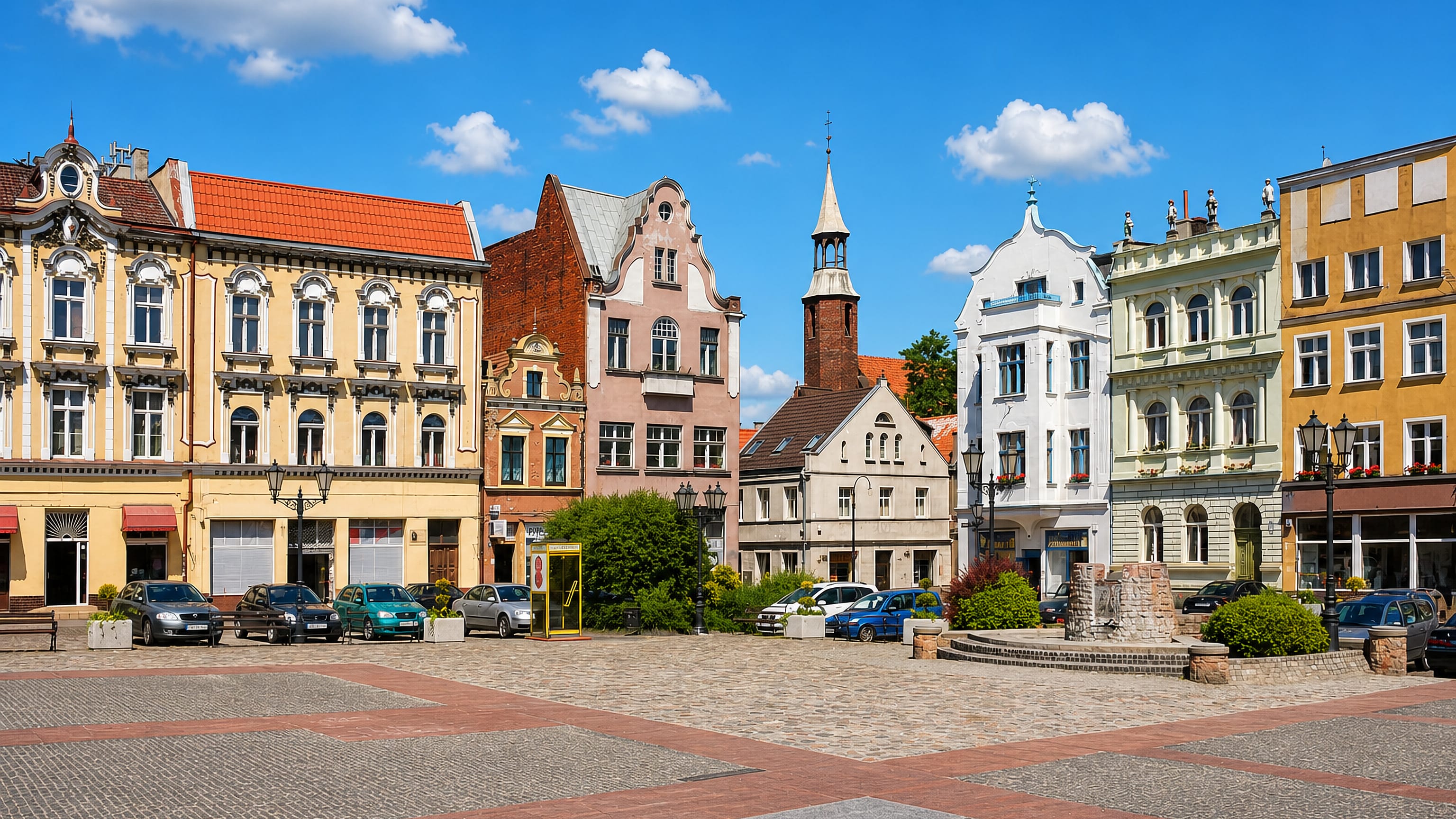
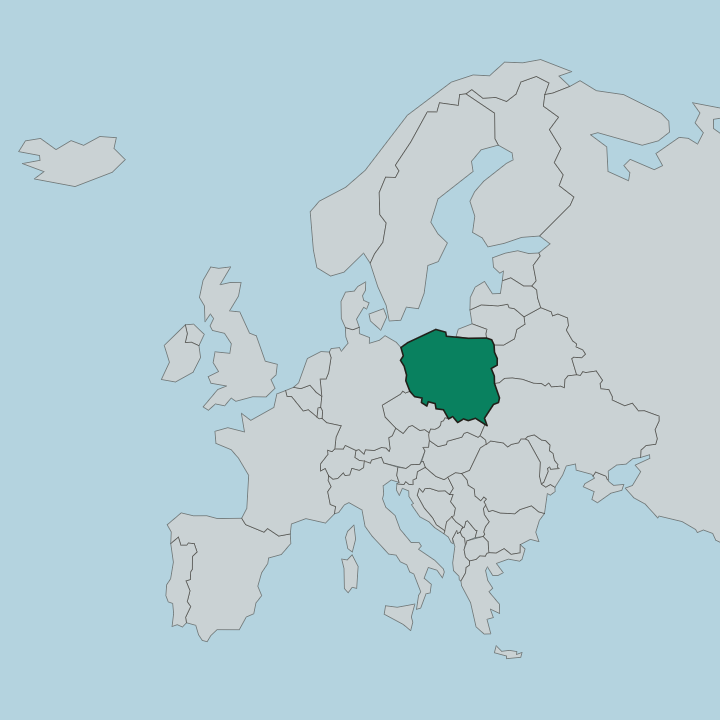
Poland · Pomeranian Voivodeship
Where to Stay in Tczew, Pomeranian Voivodeship
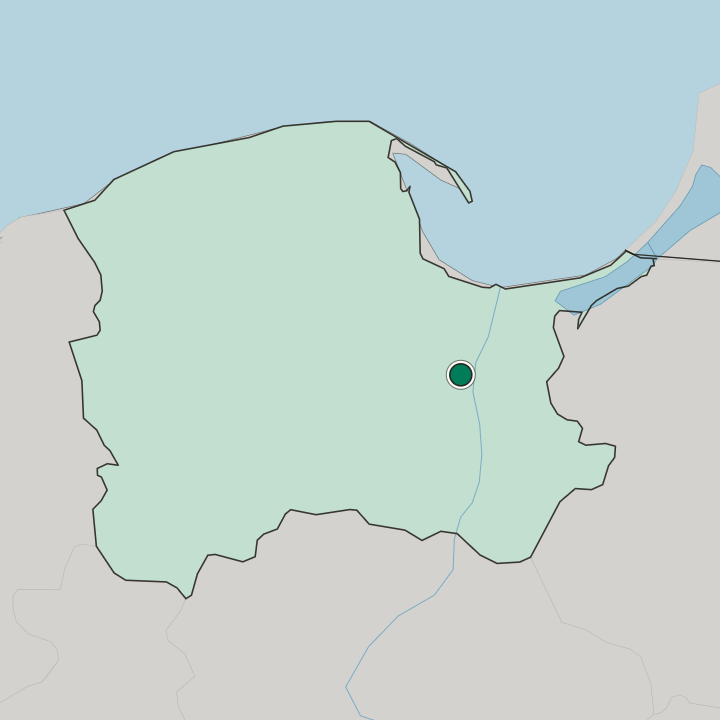
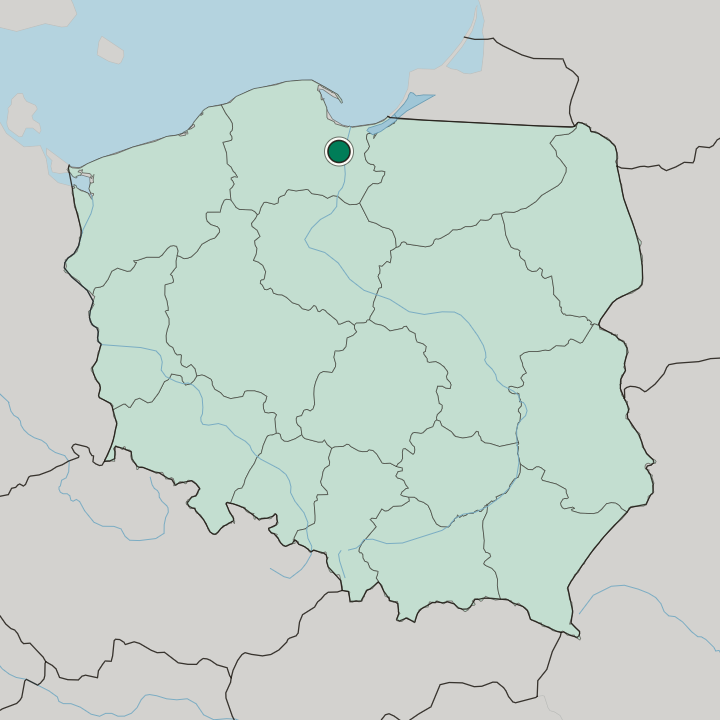
Tczew stands on the Vistula River in the Pomeranian Voivodeship, capital of Tczew County, largest town of Kociewie, and founded in 1198.
Hotel links are affiliate links: booking through them may earn us a commission, at no extra cost to you. It never affects how places are ranked. How this works


Where to stay in Tczew
The practical side of choosing where to sleep.
Two strips take almost all of it: the old streets around the Exaltation of the Holy Cross church in Tczew, and the river side by the Vistula River Museum in Tczew. The gap between them is minutes. A room in the old town leaves the churches, 4 Bałdowska Street in Tczew and the shops within one circuit, and it is the better half for anyone who wants dinner and a short walk back rather than a view.
Noise is not a problem here. The river side trades that for the water. Beds facing the Vistula River put the Shipwreck Conservation Centre and the Fabryka Sztuk Centrum Wystawienniczo-Regionalne Dolnej Wisły w Tczewie on the doorstep, which suits you if the trip is about the river rather than about Kociewie inland.
Further from both, the Mater Ecclesiae church in Tczew marks the newer edge of town, where rooms turn up once the two central strips are full. Drivers do better out here. Rooms thin out fast beyond the town, and Lisewo Malborskie and the other villages of Tczew County hold almost nothing, so Tczew is the base for the whole district whether the plan is the museums, the churches or the country roads.
Find hotels in Tczew
Direct booking searches for these neighbourhoods.
The old streets by the Holy Cross church
Tczew's oldest block keeps the churches and 4 Bałdowska Street on one short circuitFind hotels in The old streets by the Holy Cross churchMornings at the Vistula River Museum in Tczew and the Shipwreck Conservation CentreThe Vistula side
The Vistula River frontage of Tczew holds both museums and the exhibition hallsFind hotels in The Vistula sideDrivers touring Kociewie and the villages of Tczew CountyOut toward Lisewo Malborskie
Country rooms past Tczew, with the Saint Nicholas church in Lisewo Malborskie on the route. Lodging is scarce in this area; reserve in advance.Find hotels in Out toward Lisewo MalborskieHotel links are affiliate links: booking through them may earn us a commission, at no extra cost to you. It never affects how places are ranked. How this works
Things to do in Tczew
Ranked by global recognition; descriptions from Wikidata (CC0).
Museums & Galleries
3- Vistula River Museum in Tczew
- Shipwreck Conservation Centre
- Fabryka Sztuk Centrum Wystawienniczo-Regionalne Dolnej Wisły w Tczewie
Churches & Religious Sites
4- Exaltation of the Holy Cross church in Tczew Heritage
- Saint Stanislaus Kostka church in Tczew Heritage
- Saint Nicholas church in Lisewo Malborskie Heritage
- Klasztor, ob. szkoła muzyczna Heritage
Landmarks & Notable Places
2- 4 Bałdowska Street in Tczew Heritage
- Dom z reliktami murów miejskich Heritage
worth knowingacross 3 categories in Tczew
About Tczew
Kociewie has its capital here.
What is Tczew known for?
Tczew is the largest town of that ethnocultural region and the seat of Tczew County as well, which gives one river city two kinds of standing inside the Pomeranian Voivodeship. The Vistula River explains the rest. Boats, cargo and the wrecks pulled out of the water are the subject of the Vistula River Museum in Tczew and of the Shipwreck Conservation Centre, and both belong to the historic region of Pomerania rather than to the town alone.
What are the main landmarks in Tczew?
Water first, stone after. The Vistula River Museum in Tczew and the Shipwreck Conservation Centre are the two that bring people from outside the county, and the Fabryka Sztuk Centrum Wystawienniczo-Regionalne Dolnej Wisły w Tczewie adds the exhibition side of the same subject. Churches fill the town itself.
The Exaltation of the Holy Cross church in Tczew, the Saint Stanislaus Kostka church in Tczew and the Mater Ecclesiae church in Tczew each hold a corner of it, while the Saint Nicholas church in Lisewo Malborskie belongs to the country beyond.
What is the history of Tczew?
The record starts in 1198. Tczew has held urban rights from that date, which places its beginnings among the older municipal foundations of Pomerania and well before the shape of the modern Pomeranian Voivodeship existed. Walls came with the charter.
A single house listed as the Dom z reliktami murów miejskich still carries pieces of the town defences in its own fabric, and that survival is the most direct evidence left of the medieval outline. Churches mark the later centuries, the Exaltation of the Holy Cross church in Tczew among the oldest of them, with the Saint Stanislaus Kostka church in Tczew and the Mater Ecclesiae church in Tczew added as the town spread. Trade on the Vistula River gave the town its livelihood, and the Vistula River Museum in Tczew together with the Shipwreck Conservation Centre holds what the water gave back, from cargo hulls to the wrecks lifted out of the riverbed.
River work paid for the place. Not every century was kind. An obelisk na cmentarzu cholerycznym w Tczewie stands over a burial ground opened for an epidemic, a plain marker of a bad year that the town chose not to erase.
Kociewie kept its own identity through all of it, and Tczew remained the largest place in that region, while addresses such as 4 Bałdowska Street in Tczew and the church at Lisewo Malborskie were listed for what they preserve of the older county.
Where is Tczew?
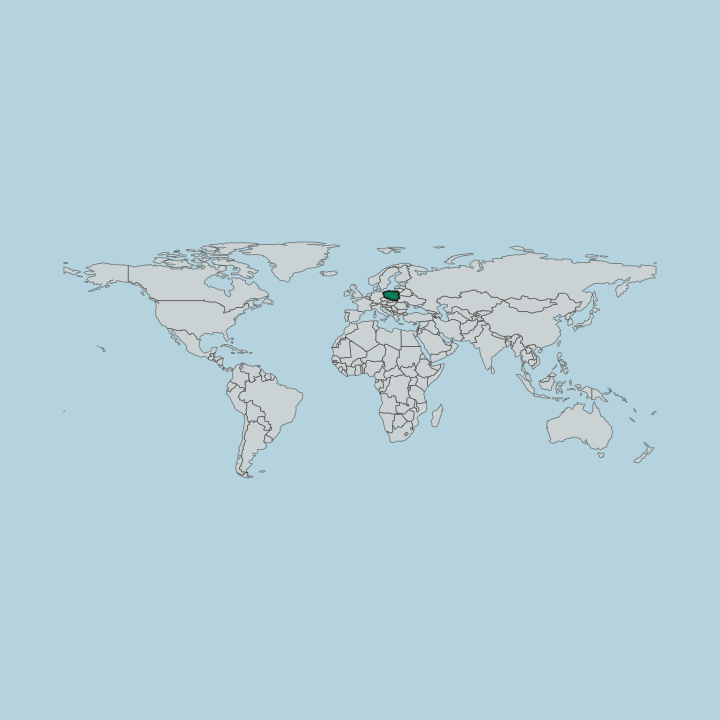
Roughly 22 square kilometres of ground. Tczew occupies one bank of the Vistula River, near the lower reaches that the Fabryka Sztuk Centrum Wystawienniczo-Regionalne Dolnej Wisły w Tczewie takes its name from, and the land of Kociewie runs back from the water behind the town. Fields begin quickly.
Lisewo Malborskie and the other villages of Tczew County lie out in that country, and the whole of it sits inside the Pomeranian Voivodeship and the older region of Pomerania.
What is the climate of Tczew?
The river sets the seasons. Winter along the Vistula River is the quiet half of the year in Tczew, when the water walk is short work and the Vistula River Museum in Tczew takes most of an afternoon indoors instead. Summer reverses that entirely.
Warm weeks put people back on the embankment and out into Kociewie, while the Shipwreck Conservation Centre and the Fabryka Sztuk Centrum Wystawienniczo-Regionalne Dolnej Wisły w Tczewie cover the hours when the weather closes in.
How do you get to Tczew?
The Vistula River came before any road. Tczew grew as a crossing point on that water, and the county it now administers still meets in the town, so traffic from Lisewo Malborskie and the rest of Tczew County ends up on the same streets. Nothing in Tczew is far.
Once in the centre, 4 Bałdowska Street in Tczew and the ground around the Exaltation of the Holy Cross church in Tczew are a walk apart, and the museums by the river are barely further.
Common questions
What is the best area to stay in Tczew?
The old streets by the Holy Cross church: Evenings within reach of the Exaltation of the Holy Cross church in Tczew. The Vistula side: Mornings at the Vistula River Museum in Tczew and the Shipwreck Conservation Centre. Out toward Lisewo Malborskie: Drivers touring Kociewie and the villages of Tczew County.
Good for
More cities in Pomeranian Voivodeship
Updated October 2026