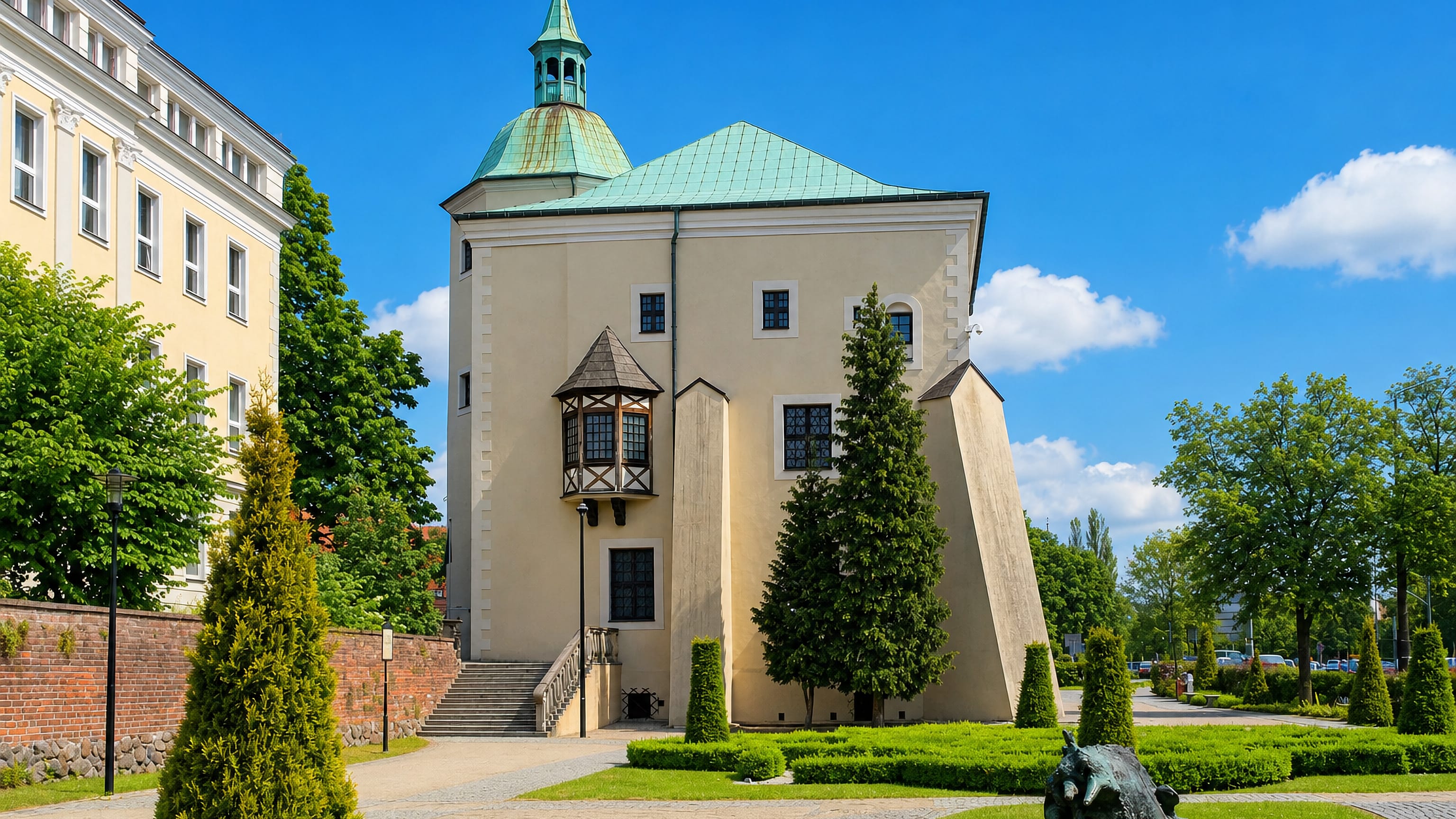
Poland · Pomeranian Voivodeship
Where to Stay in Słupsk, Pomeranian Voivodeship
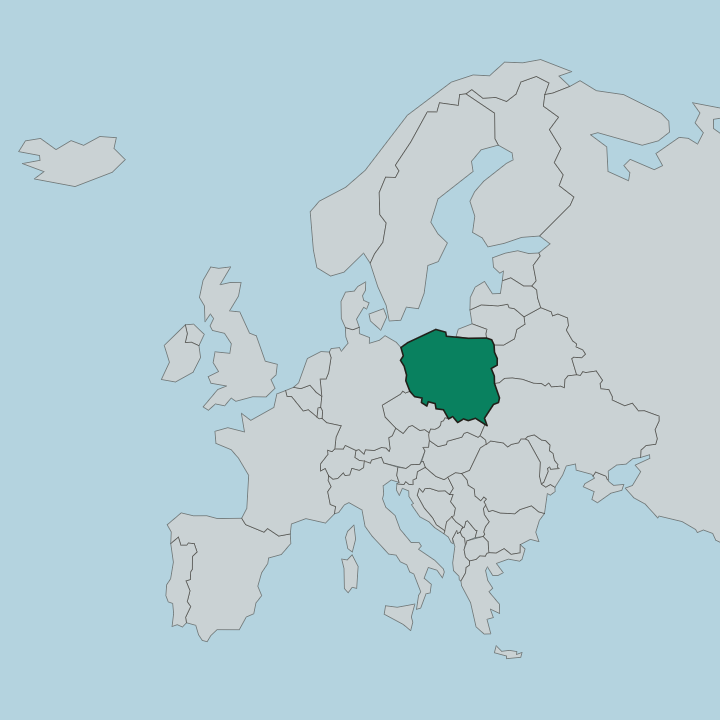
Słupsk is a historic town of Middle Pomerania in northern Poland, near the Baltic coast on the Słupia river, seat of the old Pomeranian dukes.
Hotel links are affiliate links: booking through them may earn us a commission, at no extra cost to you. It never affects how places are ranked. How this works


Where to stay in Słupsk
Where visitors usually base themselves, and why.
Rooms in Słupsk cluster in the old town or out on the coast. The streets around the castle and the market keep the museum, the churches, and the mill within a walk, and staying downtown suits anyone here for the old town. The Słupia winds past the castle.
Old brick houses line the lanes. Out toward Ustka and the coast, the town gives way to lakes, woods, and beaches. A room by the sea trades the old town for the dunes, the port, and the walks along the Baltic shore.
Pine woods edge the white dunes. Stay downtown for the castle, or by the coast for the beaches. The old town lies a short ride inland.
Find hotels in Słupsk
Direct booking searches for these neighbourhoods.
The old town
Around the ducal castle within a walk of the millFind hotels in The old townStays wanting the beaches and dunesThe coast
Toward Ustka and the Baltic shoreFind hotels in The coastHotel links are affiliate links: booking through them may earn us a commission, at no extra cost to you. It never affects how places are ranked. How this works
Things to do in Słupsk
Ranked by global recognition; descriptions from Wikidata (CC0).
Museums & Galleries
2- Museum of Middle Pomerania in Słupsk Heritage
- Muzeum Miasta Słupska w Słupsku
Churches & Religious Sites
7- St. Mary's Church, Słupsk Heritage
- Saint Hyacinth church in Słupsk Heritage
- Kościół św. Ottona w Słupsku Heritage
- Saint George chapel in Słupsk Heritage
- Evangelical-Augsburg church in Słupsk Heritage
Show 2 more →
- Sacred Heart church in Słupsk Heritage
- Kościół Najświętszego Serca Pana Jezusa w Kobylnicy Heritage
Castles & Historic Sites
3- Słupsk Castle Heritage
- The bowed one
- Jerzy Waldorff Bench in Słupsk
Stadiums & Sports
1- Hala Gryfia
Landmarks & Notable Places
5- Poczta w Słupsku Heritage
- 11 Zwycięstwa Square in Słupsk Heritage
- Słupsk New Town Hall Heritage
- Elewacja frontowa domu przy Henryka Pobożnego 7, Słupsk Heritage
- Dom z apteką Heritage
worth knowingacross 5 categories in Słupsk
About Słupsk
Słupsk is the ducal town of Middle Pomerania.
What is Słupsk known for?
On the Słupia river a short way from the Baltic, it kept the castle of the Pomeranian dukes and a ring of medieval brick, and it keeps that castle with its famous collection of Witkacy portraits, an old witches' tower, a medieval gate and mill, and the memory of a great Chopin festival. Green water meadows ring the town. The Słupia runs down to the sea.
What are the main landmarks in Słupsk?
The castle of the Pomeranian dukes stands by the Słupia at Słupsk. The old brick castle of the Griffin line, holding the great collection of Witkacy's portraits, rises over the river by the medieval mill, the emblem of the town, in the centre. A witches' tower stands nearby.
The Witches' Tower, where women awaited their trials, still guards the old wall, while the New Gate, the brick churches, and the museum mark the streets of Słupsk.
What is the history of Słupsk?
Słupsk grew as a town of the Pomeranian dukes. On the Słupia near the sea, it rose as a Hanseatic trading town, walled in brick with gates and towers, and the Griffin dukes of Pomerania made it one of their seats and built a castle by the river. The town traded down to the Baltic.
Grain, cloth, and fish passed through Słupsk to the sea and the Hanseatic ports, and its merchants filled the brick houses of the old town. Dark times marked the town as well. Women were held and tried for witchcraft in a tower that still bears their name, and later wars and border changes swept the region.
After the last war it turned to art. The old ducal castle became a museum, keeping the largest collection of the strange portraits of Witkacy, and a Chopin festival grew up in the town. Its old castle still stands by the Słupia.
Słupsk keeps its ducal castle and its brick gates near the Baltic.
Where is Słupsk?
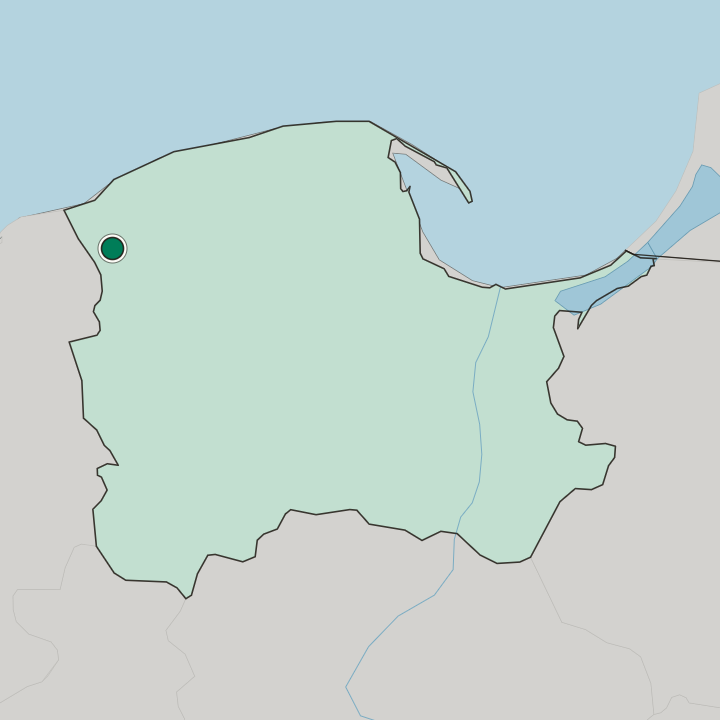
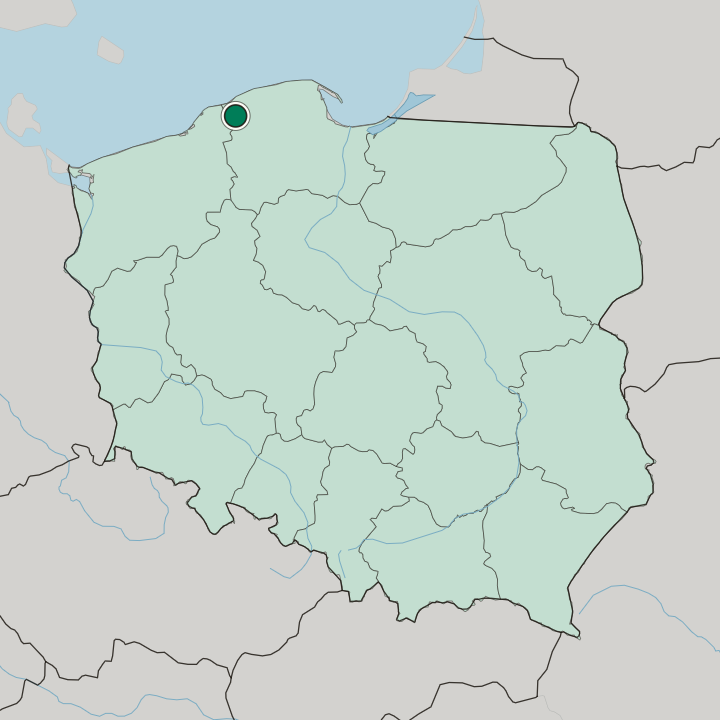
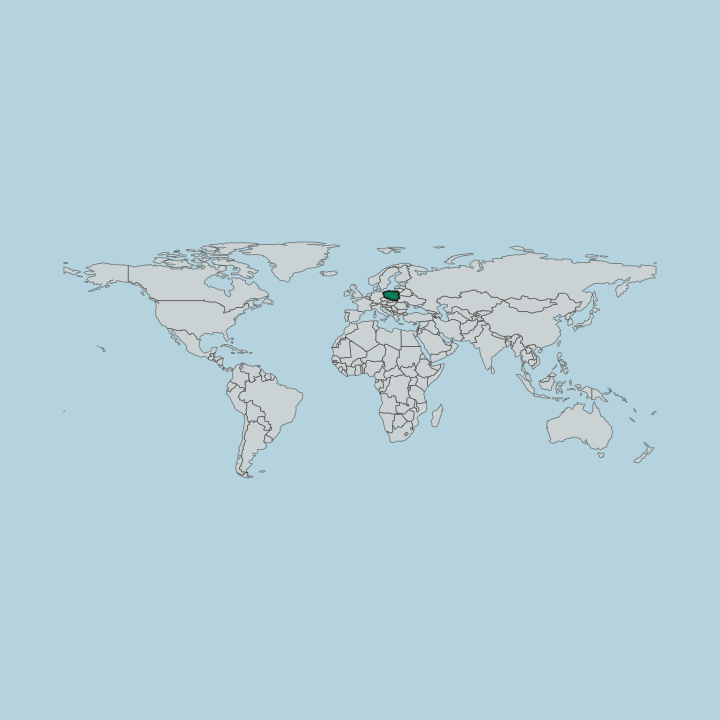
Słupsk lies on the Słupia river in Middle Pomerania, northern Poland, a short way inland from the Baltic Sea. The town sits on a low plain of fields, lakes, and woods, where the Słupia winds down toward its little port of Ustka on the coast, near the shifting dunes of the Baltic shore. Flat green country spreads around.
The river runs north to the sea.
What is the climate of Słupsk?
Słupsk has a cool, damp maritime climate. Mild summers and soft winters cross the coastal plain, and rain and wind blow in off the Baltic through the year, with grey skies common in the cold months. Sea mist drifts over the meadows at dawn.
The coast stays green late into the autumn.
How do you get to Słupsk?
Słupsk lies in Middle Pomerania, inland from the Baltic between Gdańsk and Szczecin. Trains and roads run to it along the coast from both cities, and a short line reaches the port of Ustka and the beaches. Local roads cross the lake country around.
Gdańsk lies about two hours to the east.
Common questions
What is the best area to stay in Słupsk?
The old town: Visitors here for the castle, museum, and churches. The coast: Stays wanting the beaches and dunes.
Good for
More cities in Pomeranian Voivodeship
Updated September 2026