Palestine · West Bank · East Jerusalem
Ramot, East Jerusalem — Area Guide & Where to Stay
Ramot, or Ramot Alon, is an Israeli settlement neighbourhood of East Jerusalem, built from the early 1970s and held illegal under international law.
About Ramot


Where to stay in Ramot
The practical side of choosing where to sleep.
Ramot was drawn as housing, and the hotel trade never followed it up the hill. Long terraces of apartment blocks step across the slope, with synagogues, grocery rows and schools serving the largely Haredi Jewish families who live in them. Ramot Alon keeps no hotel row.
The hotel streets of East Jerusalem run along Salah al-Din Street, a road journey down off this ridge, and that is where a visitor to Ramot books a room. You would come up here for a family table or a Shabbat invitation rather than for a booking.
About Ramot
What are the main landmarks in Ramot?
The Tomb of Samuel stands on the hilltop past the last houses of Ramot, and it is the one monument the record fixes to this neighbourhood. Its name is its own explanation. Generations have held that ground to be the burial place of the prophet Samuel, and the hill drew pilgrims long before the apartment terraces below it were laid out.
What is the history of Ramot?
Ramot is a young address on an old ridge. Building began in the early 1970s, one of the ring of Israeli neighbourhoods laid out around Jerusalem beyond the Green Line, and the hillside filled with apartment terraces within a generation. Legal status is the unsettled part.
The United Nations and many states count these ring settlements as illegal under international law, while Israel administers Ramot as an ordinary city neighbourhood and rejects that reading. Haredi Jewish families make up the greater part of it.
Where is Ramot?
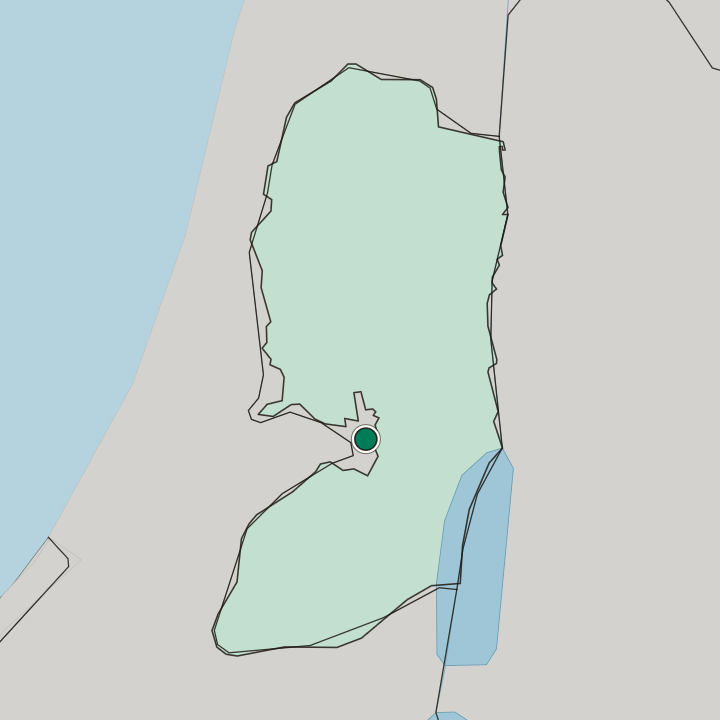
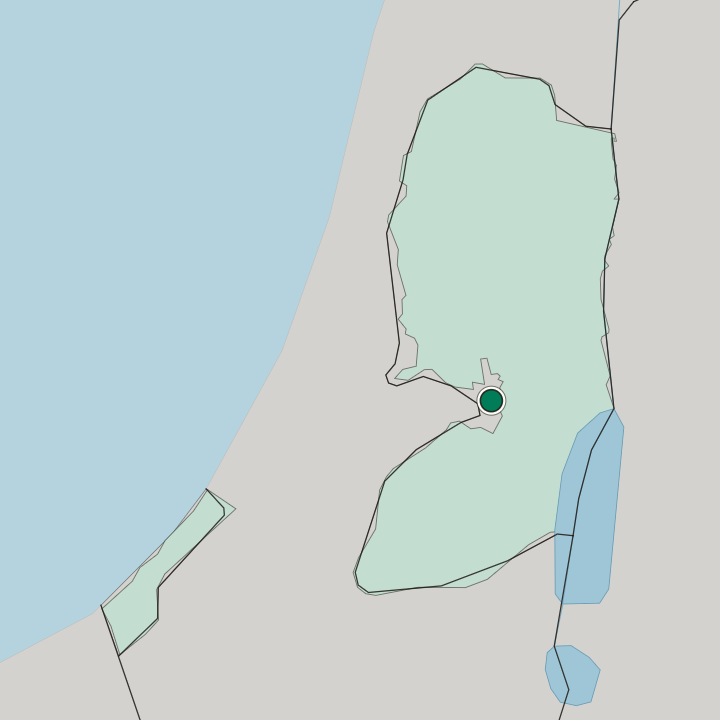
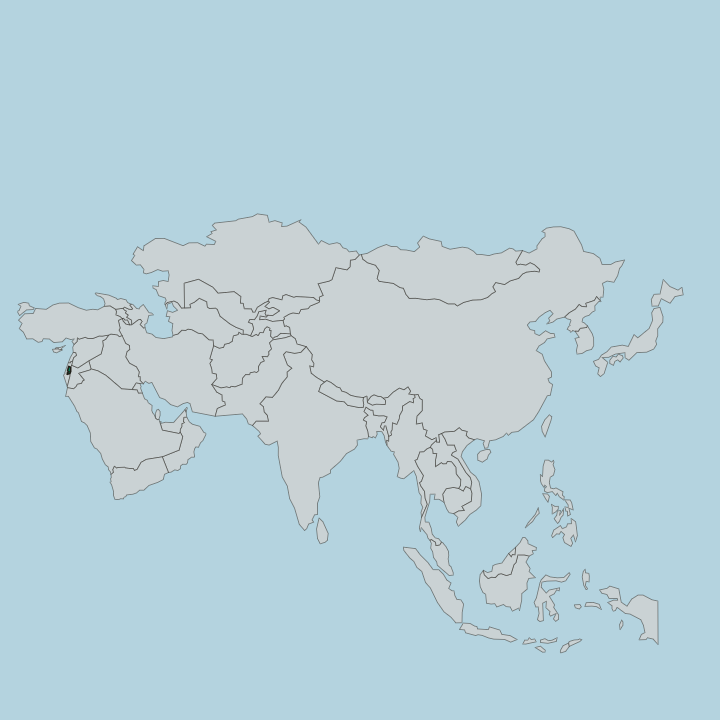
Ramot climbs the Judaean hills at the north-western edge of Jerusalem's built ground, with the Tomb of Samuel crowning the ridge just past its last streets.
More areas in East Jerusalem
Updated October 2026