Palestine · West Bank
Where to Stay in East Jerusalem, West Bank
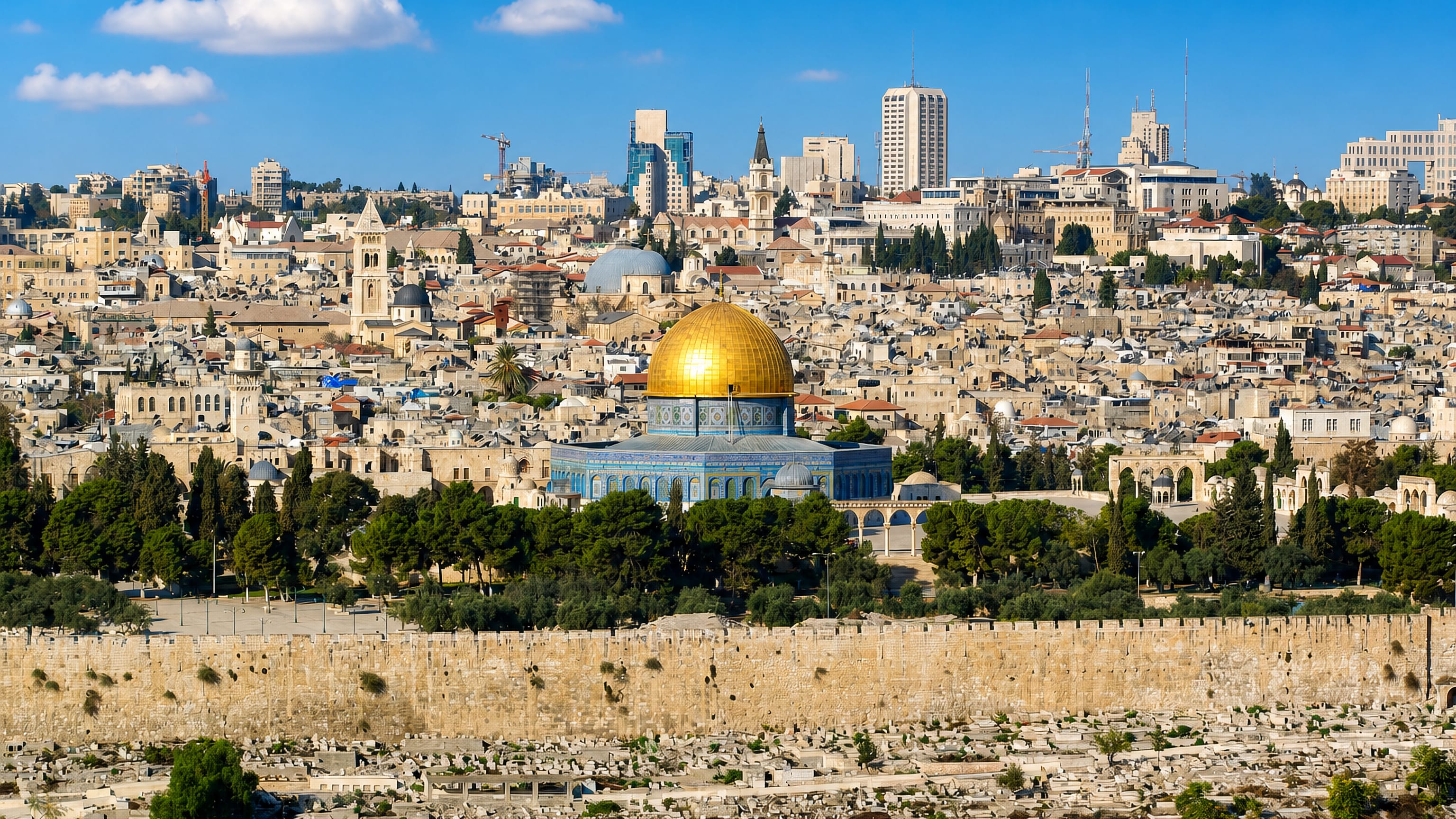
Stone lanes climb to the Church of the Holy Sepulchre in East Jerusalem, the part of Jerusalem east of the Green Line, walled, ancient and contested.
Find your area →


Where to stay in East Jerusalem
The right area depends on your trip — here's what each neighbourhood is best for.

 East JerusalemPalestine
Sheikh Jarrah
Sheikh Jarrah is a Palestinian neighbourhood of East Jerusalem, two kilometres north of the Old City on the road to Mount Scopus.Where to stay →East JerusalemPalestineSilwan
Silwan, or Siloam, is a predominantly Palestinian district of East Jerusalem, on the outskirts beyond the Old City's southeastern corner.Where to stay →East JerusalemPalestineAl-Issawiya
Al-Issawiya is a Palestinian neighbourhood of East Jerusalem, on the eastern slopes of the Mount Scopus ridge below the Hebrew University campus.Where to stay →East JerusalemPalestineRamot
Ramot, or Ramot Alon, is an Israeli settlement neighbourhood of East Jerusalem, built from the early 1970s and held illegal under international law.Where to stay →East JerusalemPalestineBeit Hanina
Beit Hanina is an Arab Palestinian neighbourhood of East Jerusalem, on the Ramallah road eight kilometres north of the city centre.Where to stay →East JerusalemPalestineUmm Tuba
Umm Tuba is a Palestinian Arab neighbourhood on the southern edge of East Jerusalem, joined to Sur Baher and north-east of Har Homa.Where to stay →East JerusalemPalestineNeve Yaakov
Neve Yaakov is an Israeli settlement in East Jerusalem, north of Pisgat Ze'ev and south of the Palestinian locality of al-Ram.Where to stay →East JerusalemPalestineGilo
Gilo is an Israeli settlement in south-western East Jerusalem, one of five Ring Neighborhoods raised on West Bank land after the 1967 Six-Day War.Where to stay →Things to do in East Jerusalem
Ranked by global recognition; descriptions from Wikidata (CC0).
Museums & Galleries
1- Tower of David
Churches & Religious Sites
3- Chapel of Saint Helena, Jerusalem Heritage
- Church of the Condemnation and Imposition of the Cross Heritage
- Armenian Monastery of Saint Saviour (Jerusalem) Heritage
Castles & Historic Sites
1- Tomb of Samuel
Landmarks & Notable Places
1- Wittenberg House
worth knowingacross 4 categories in East Jerusalem
About East Jerusalem
What is East Jerusalem known for?
East Jerusalem contains the walled Old City, ground held sacred by three faiths. Masjid Al-Aqsa and the Islamic Museum stand on the raised enclosure at its eastern side, the Western Wall runs below that same platform, and the Church of the Holy Sepulchre sits a few hundred paces west under its two domes. Pilgrimage is the constant.
The Mount of Olives looks back at the walls across the valley, with the Church of All Nations at the foot of the slope and the gold domes of the Church of Mary Magdalene part of the way up it.
What are the main landmarks in East Jerusalem?
The Church of the Holy Sepulchre covers the ground Christians hold to be Calvary and the tomb, and the Chapel of Saint Helena lies in the rock beneath it. Six communities share the building. Masjid Al-Aqsa fills the raised enclosure to the east, where the Islamic Museum keeps manuscripts and arms, and the Western Wall carries the prayers of the Jewish city below.
The Tower of David guards the western gate. Saint Anne Orthodox Monastery stands by the pools at the eastern one, and the Lutheran Church of the Redeemer raises the single tower that visitors may climb.
What is the history of East Jerusalem?
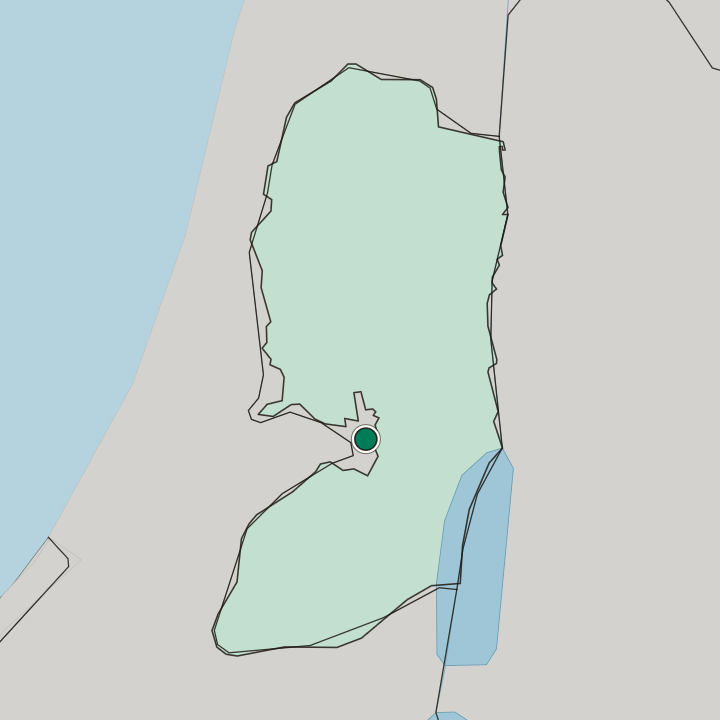
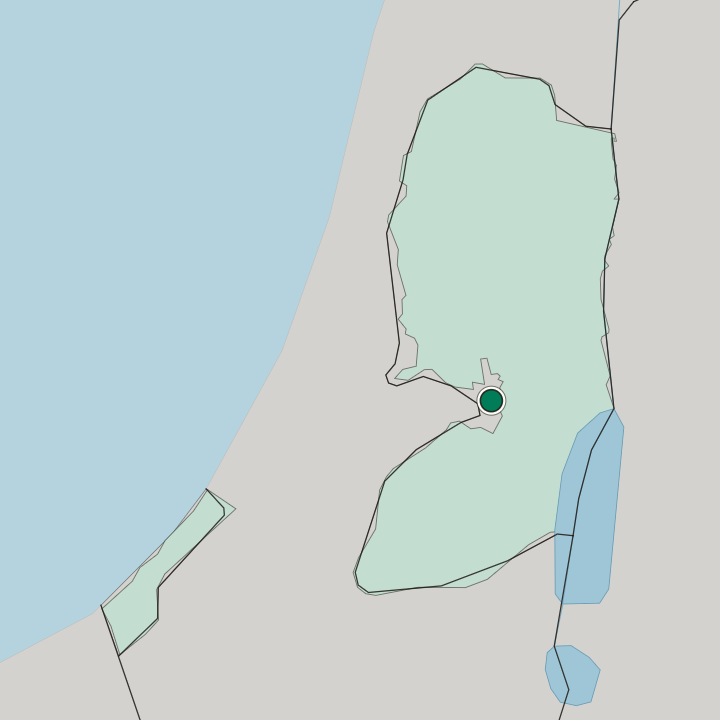
East Jerusalem is the portion of Jerusalem east of the Green Line, and that line was drawn by the armistice agreements at the end of the 1948 Palestine war. The walls are far older than the border. Inside them the Old City holds ground built and rebuilt since antiquity, and its churches, mosques and monasteries record who governed at each turn: the Church of the Holy Sepulchre over the traditional site of the tomb, the enclosure of Masjid Al-Aqsa on the height to the east, Saint Anne Orthodox Monastery from the Crusader century, and the Tower of David raised again and again over the western gate.
Ground outside the walls is ancient too. The Mount of Olives has served as a burial slope and a pilgrimage route for thousands of years, while the Church of All Nations, the Church of Mary Magdalene and the Lutheran Church of the Redeemer belong to the later period when European churches built here in numbers. Status is the unresolved part.
The United Nations and many states hold East Jerusalem to be occupied territory and part of the Palestinian territories under international law, some recognise it as the capital of the State of Palestine and others as the future capital of one, and Israel administers the city and rejects that reading. Visitors cross those lines without seeing them.
Where is East Jerusalem?
East Jerusalem sits high on the ridge of the Judaean hills, above valleys that fall away east toward the Jordan valley and the Dead Sea. The Old City occupies the lower spur of that ridge. Its Eastern Wall stands over the Kidron valley with the Mount of Olives rising directly opposite, while the Northern Wall marks the edge of the newer streets running out toward Ramallah.
Desert country begins within sight of the last houses.
What is the climate of East Jerusalem?
This ridge takes its weather from two directions. Rain comes in off the Mediterranean between late autumn and spring, while the Judaean desert east of the walls keeps the rest of the year dry and the air clear enough to see the hills of Jordan. Summer heat is a dry heat here.
Nights cool quickly on the Mount of Olives once the sun leaves the stone, and snow reaches the Old City walls perhaps once in several winters.
How do you get to East Jerusalem?
Most arrivals land at Ben Gurion airport near Tel Aviv and come up the road to Jerusalem, an hour or so by bus or taxi. Buses from the West Bank stop short of the walls. Services from Ramallah and Bethlehem end at the stands on Nablus Road near Damascus Gate, the light rail runs along the old seam between the two halves of the city, and travellers coming overland from Jordan cross at the Allenby bridge.
Inside the walls, everything is on foot.
Good for
Another city in West Bank
See also
Updated October 2026