Palestine
West Bank, Palestine — Towns & Travel Guide
The West Bank rises above the Jordan River, the larger of the two Palestinian territories of Palestine, set between Israel and Jordan.
Find your area →


Towns & cities in West Bank
Pick a town or city — each links to where to stay.

 Palestine
East Jerusalem
Stone lanes climb to the Church of the Holy Sepulchre in East Jerusalem, the part of Jerusalem east of the Green Line, walled, ancient and contested.Where to stay →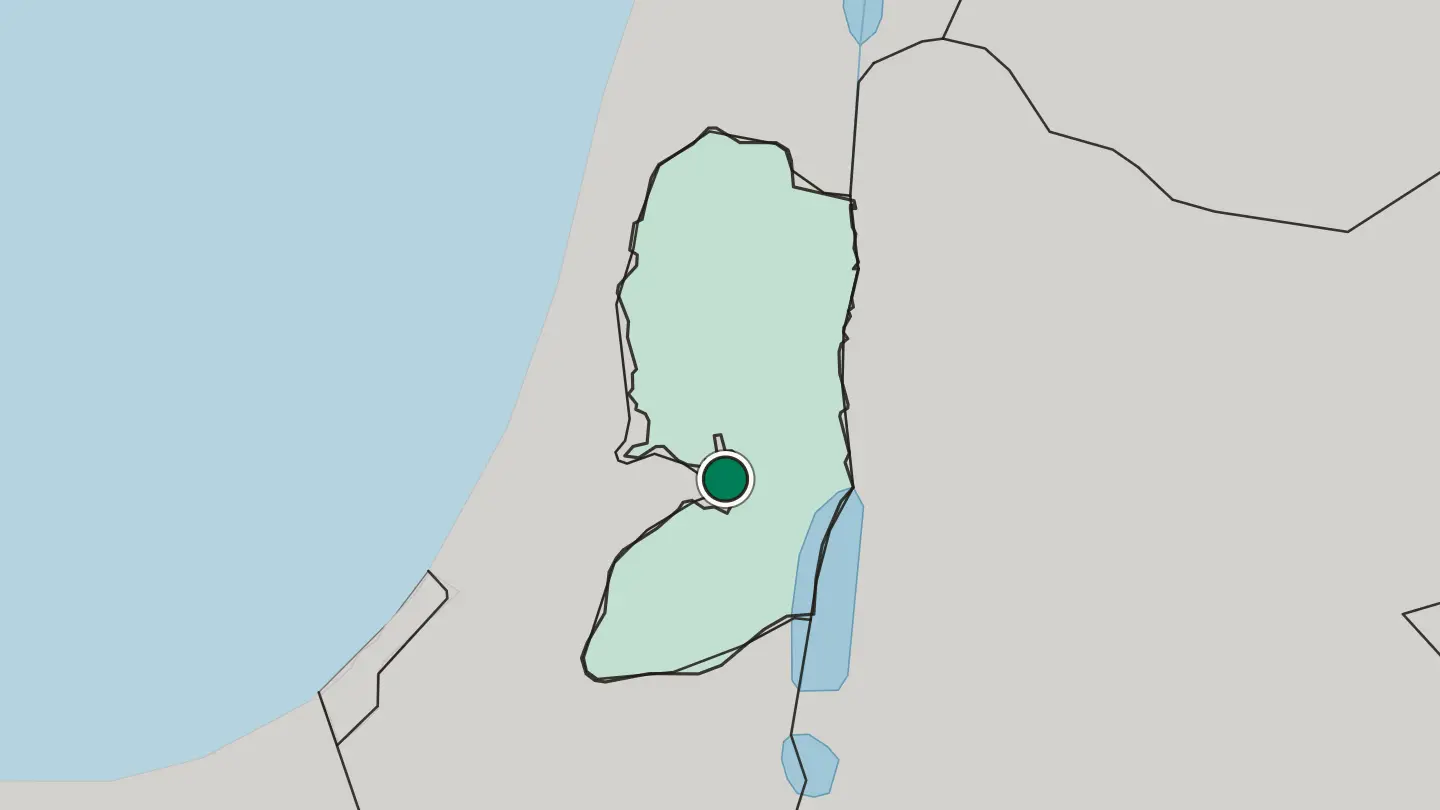
 Palestine
Hebron
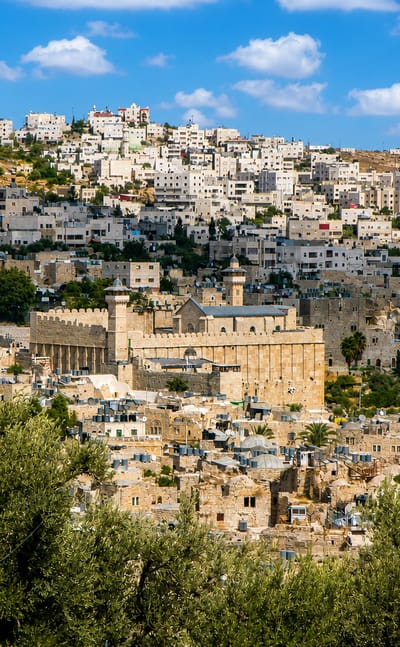
Stone lanes climb the hills at Hebron, an ancient city in the southern West Bank, seat of the Hebron Governorate, known for the Cavern of the Patriarchs.Where to stay →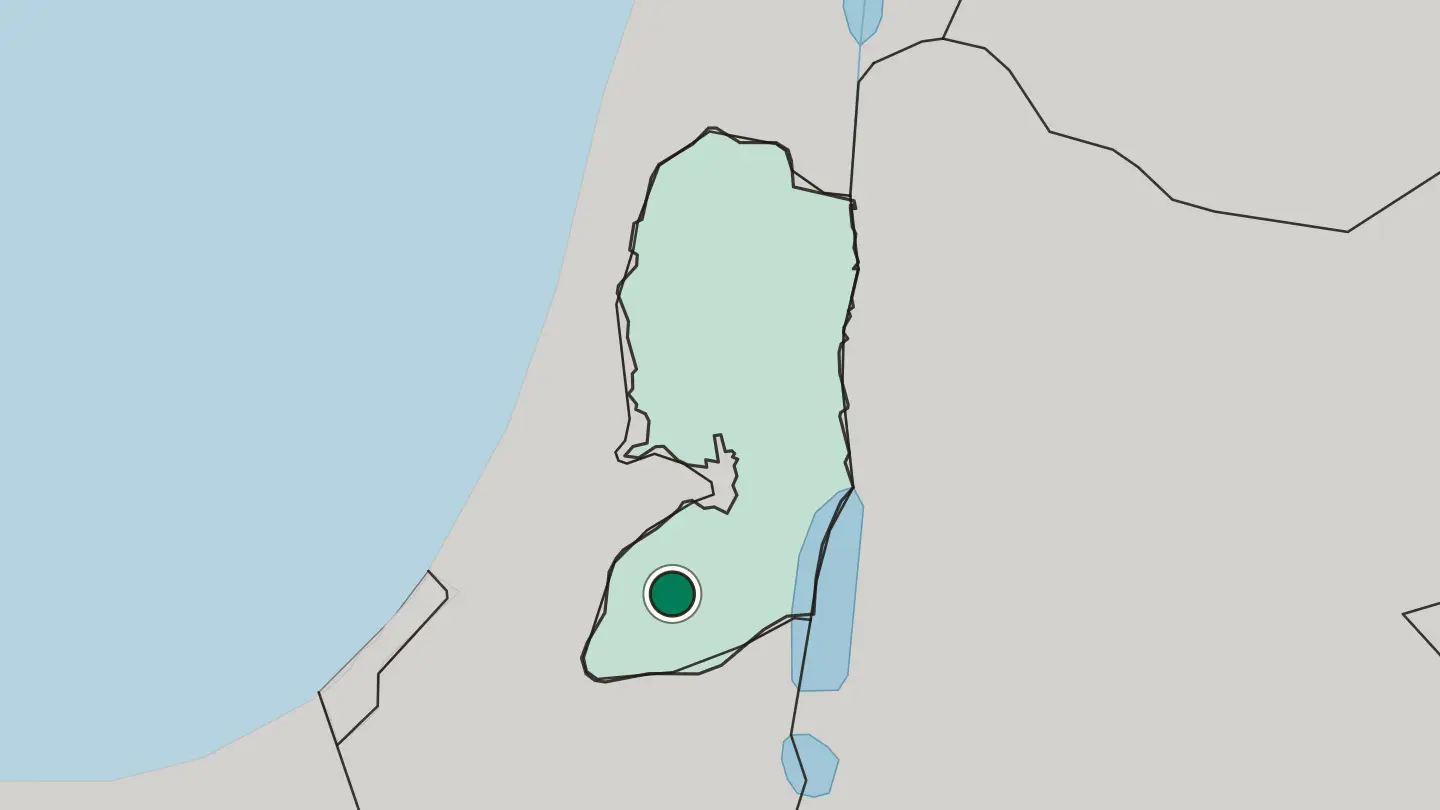
About West Bank
What is West Bank known for?
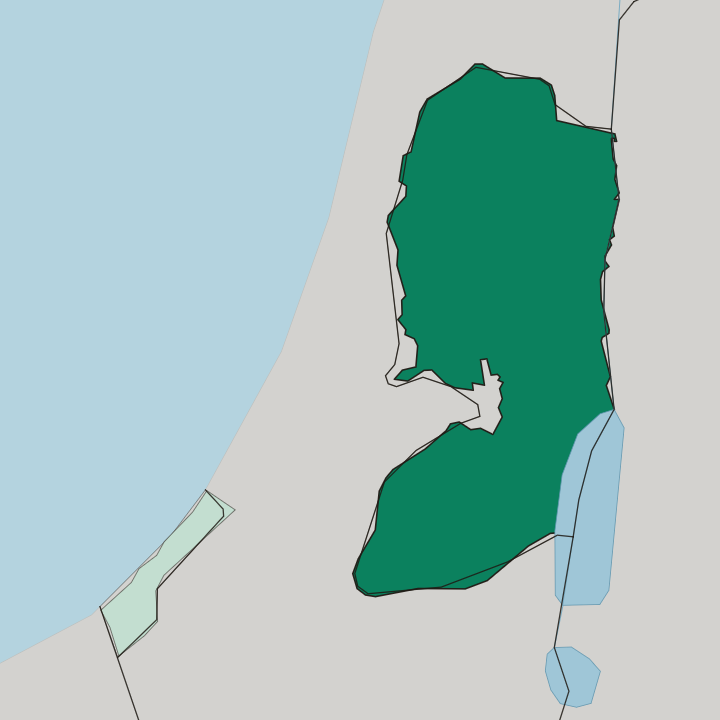
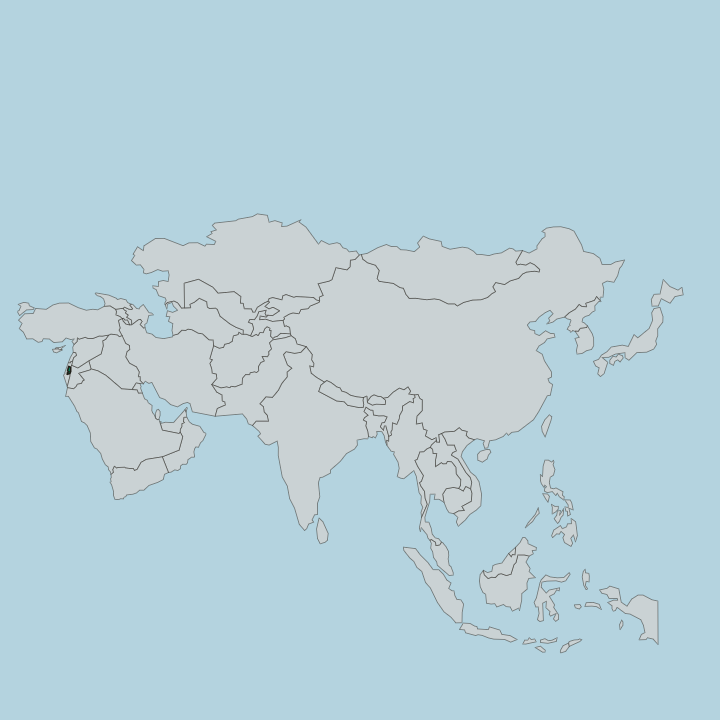
The West Bank is known as the larger of the two Palestinian territories, a landlocked land on the western side of the Jordan River. The Dead Sea marks its eastern edge. It borders Jordan to the east and Israel to the south, west, and north, and forms part of Palestine in the Levant of West Asia.
Where is West Bank?
The West Bank is a landlocked territory on the western side of the Jordan River, the larger of the two Palestinian lands of Palestine. No coastline belongs to the West Bank. The Jordan River and the Dead Sea run along its eastern edge, marking the boundary with Jordan, while Israel encloses it on the south, the west, and the north.
The Mediterranean Sea lies close to the west but never touches its land. To the north of the Dead Sea, the West Bank sits within the Levant of West Asia, cut off from the Gaza Strip, the smaller Palestinian territory far away on the coast. The land is warm and dry, part of the subtropical Middle East, with long summers and brief, wetter winters.
Water is scarce here. Its eastern edge drops toward the Dead Sea, while the ground to the west rises away from the river toward the line with Israel. Rivers are few.
Rain falls mostly in the cool months, feeding the streams that run down toward the Jordan River and the Dead Sea before the dry season returns. From the river in the east to the boundary with Israel, the West Bank gathers the inland heart of the Palestinian territories.
What is West Bank like?
The West Bank speaks Arabic, the language shared across this Palestinian territory and the wider land of Palestine. One tongue runs through it. Its towns and villages carry the everyday culture of the Palestinian Territories, an inland society living in the land between the Jordan River and the line with Israel.
The land has been worked and settled for a very long time. Deep roots hold here. Distance shapes the West Bank as much as any border.
It is cut off from the Gaza Strip by the land of Israel, and it keeps its own inland character while sharing a single Palestinian identity with the coast beyond. Arabic binds the two lands together. The markets and the old towns all belong to the Levant, the ancient cultural world of West Asia that stretches far beyond the West Bank across the whole region.
The land is ancient. From the valley of the Jordan River to the low edge of the Dead Sea, the traditions of the West Bank are those of the wider Middle East and the Levant, carried in one language across a landlocked land.
What is the history of West Bank?
The West Bank took its modern outline in 1949, when the armistice lines of that year set the western bank of the Jordan River apart as a defined territory. Its land is ancient ground, long known by the old names of Judea and Samaria. The territory came under Israeli control after the war of 1967, and its status has remained the subject of a long-running international dispute ever since.
That dispute continues.
What is the climate of West Bank?
The West Bank has a warm subtropical climate, drier and more extreme than the coast because it lies inland. Summers are long and hot. Winter brings the year's rain to the land west of the Jordan River, before the dry heat returns over the country north of the Dead Sea.
How do you get to West Bank?
The West Bank is reached overland, a landlocked territory entered from Jordan in the east or across the surrounding line with Israel. No coast opens it to the sea. Travellers cross from the Jordanian side over the Jordan River, or come in from the Israeli side on the south, west, and north, as the West Bank has no port and no shore of its own.
Another region in Palestine
Updated September 2026