Russia · Leningrad Oblast
Where to Stay in Vyborg, Leningrad Oblast
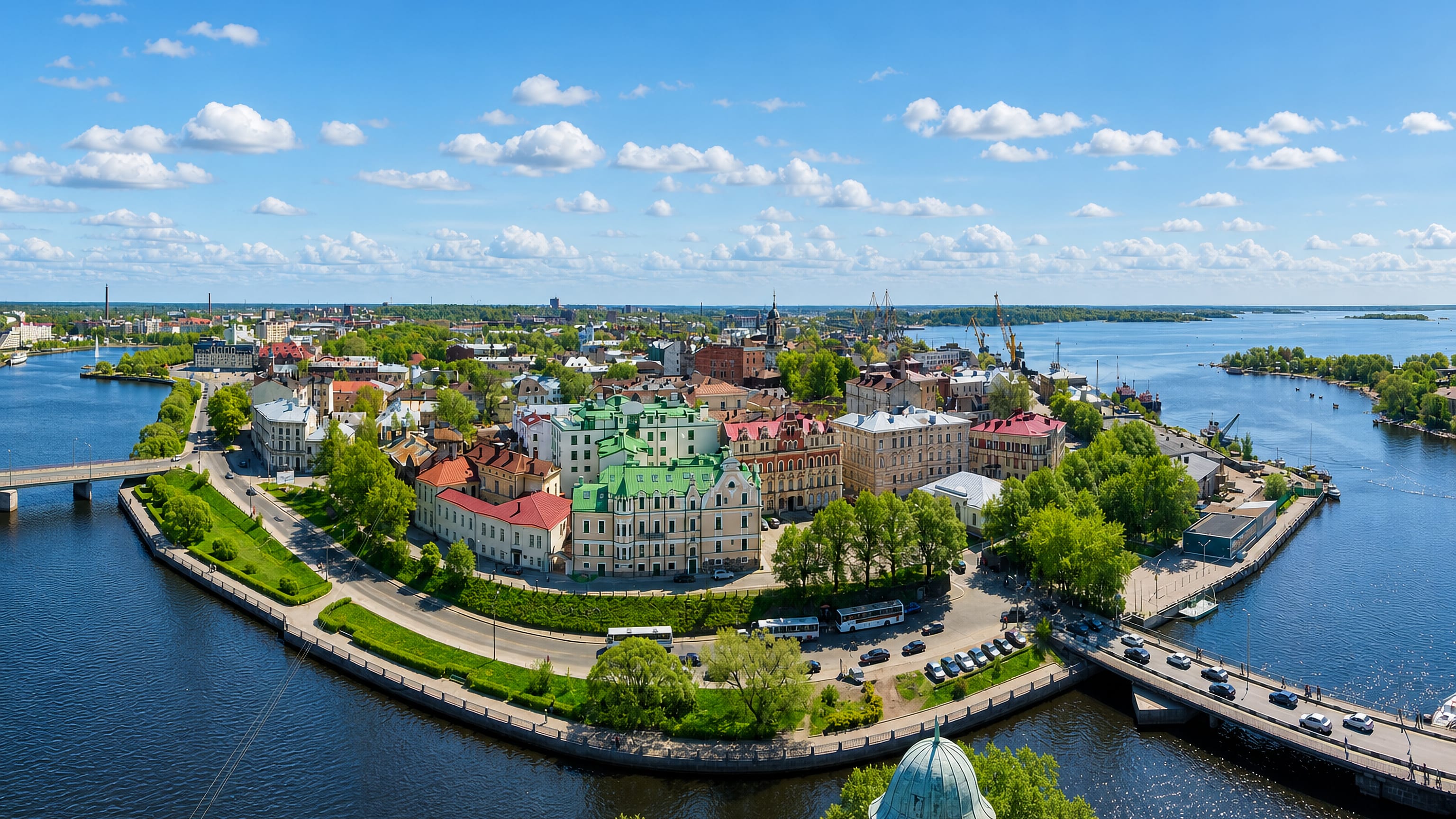
Grey granite towers rise above the water at Vyborg, a city on the Karelian Isthmus near Vyborg Bay, known for Vyborg Castle and Mon Repos.
Find your area →


Where to stay in Vyborg
The practical side of choosing where to sleep.
Most visitors stay in the old town of Vyborg, the cobbled quarter of stone houses gathered below Vyborg Castle near the head of the harbour. The old town suits travellers on foot, close to the Round Tower, the market square, and the Tower of St. Olav, an easy walk from the water and the castle island. It rewards wandering.
Rooms here fill through the warm weeks when day-trippers arrive from St. Petersburg and across the nearby Finnish border, so booking ahead pays off in the short northern summer. Beyond the old core the city spreads into quieter streets and the wooded edges near Mon Repos. Guesthouses and small hotels stand within reach of Vyborg railway station and the bay, giving arrivals by train a base a short way from the medieval centre.
The park is close from here. Some travellers who want a wider choice of hotels base themselves in St. Petersburg to the south-east and make the run out along the Karelian Isthmus to Vyborg for the castle and the coast.
Things to do in Vyborg
Ranked by global recognition; descriptions from Wikidata (CC0).
Museums & Galleries
1- Hermitage-Vyborg Center Heritage
Churches & Religious Sites
4- Ludwigstein Heritage
- St. Hyacinth's Church, Vyborg Heritage
- Saints Peter and Paul Lutheran Church (Vyborg) Heritage
- Dominican Church in Vyborg Heritage
Castles & Historic Sites
5- Vyborg Castle Heritage
- Vyborg town wall Heritage
- Mikael Agricola bust by Emil Wikström Heritage
- Monument to Peter I in Vyborg Heritage
- Zamkovy Heritage
Nature & Outdoors
1- Mon Repos Heritage
Stadiums & Sports
1- Avangard Stadium Heritage
Landmarks & Notable Places
8- Vyborg Library Heritage
- Round Tower Heritage
- Tower of St. Olav Heritage
- Vyborg railway station Heritage
- Dom-utyug, Viborg Heritage
Show 3 more →
- Annenkrone Heritage
- Vyborg Town Hall Heritage
- Vyborg market Heritage
worth knowingacross 6 categories in Vyborg
About Vyborg
What is Vyborg known for?
Vyborg is known for its medieval castle and its cobbled old quarter near Vyborg Bay. Stone defines the place. The white keep of Vyborg Castle rises from its island above the harbour, and the Round Tower, the Tower of St. Olav, and the surviving stretches of the Vyborg town wall recall the old fortress town on the Karelian Isthmus, while the landscape park of Mon Repos draws walkers to its rocks and water at the edge of the city in Leningrad Oblast.
What are the main landmarks in Vyborg?
Vyborg Castle is the great landmark of the city, a white keep on its own island above the harbour. Stone stands everywhere here. The Round Tower and the Tower of St. Olav mark the old defences, the Vyborg Library carries the modernist work of Alvar Aalto, and the landscape park of Mon Repos spreads its granite outcrops and quiet water along the shore, together forming the heritage that makes this fortress town on the bay part of the Silver Ring of Northwestern Russia.
What is the history of Vyborg?
Vyborg grew around a castle raised on its island in 1293, a Swedish stronghold set to guard the trade routes of the Karelian Isthmus. The fortress anchored a walled town that traded along the Baltic and the inland waters, its Round Tower and stone walls thrown up against the shifting borders of the north through the medieval and early modern centuries. Control passed with the wars.
Russia took the town in the eighteenth century, and later it grew as a Finnish city. For generations Vyborg stood as Finland's second-largest city, a port and rail hub where the Saimaa Canal met the Gulf of Finland. The town changed hands during the Second World War and passed to the Soviet Union, and it lies within Leningrad Oblast.
Layers of building remain. The Swedish castle, the Finnish-era streets, and Alvar Aalto's Vyborg Library survive side by side, a record of the many peoples who shaped this fortress town on the bay near the border.
Where is Vyborg?
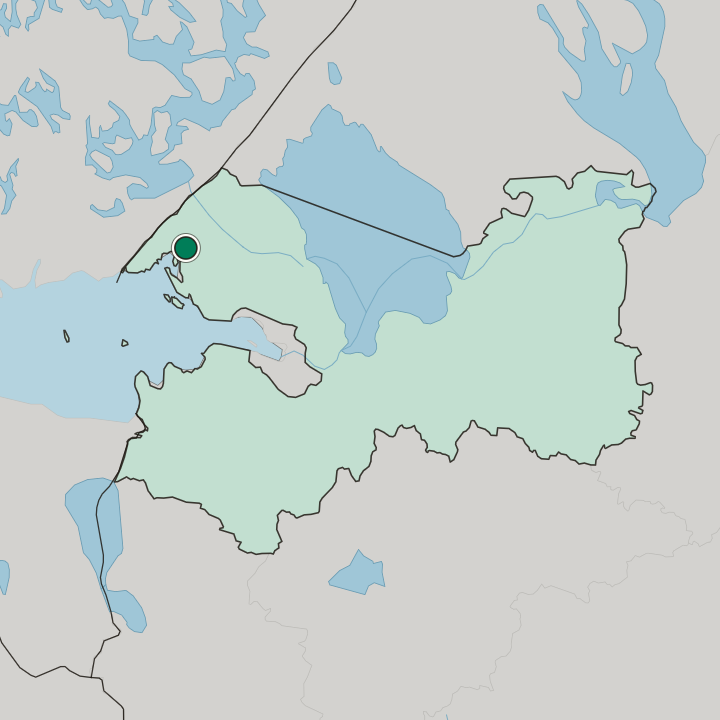
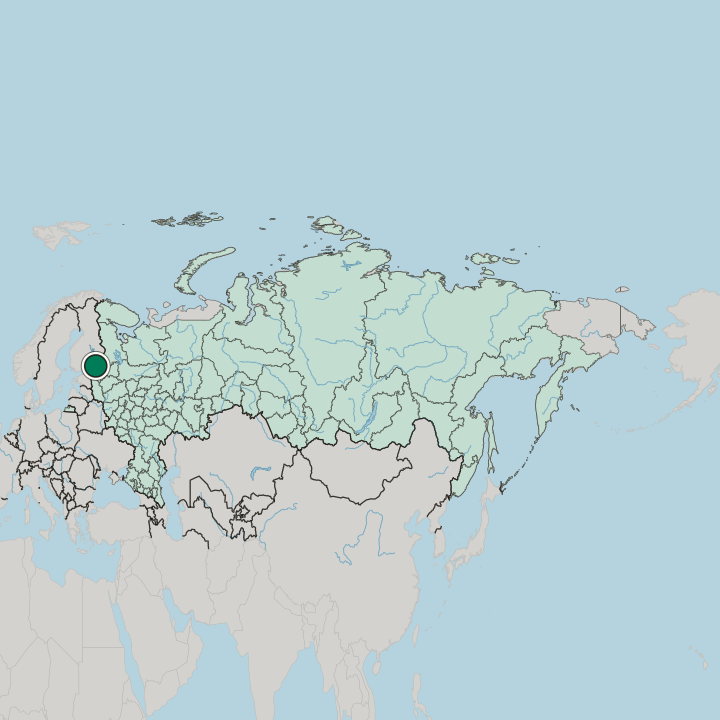
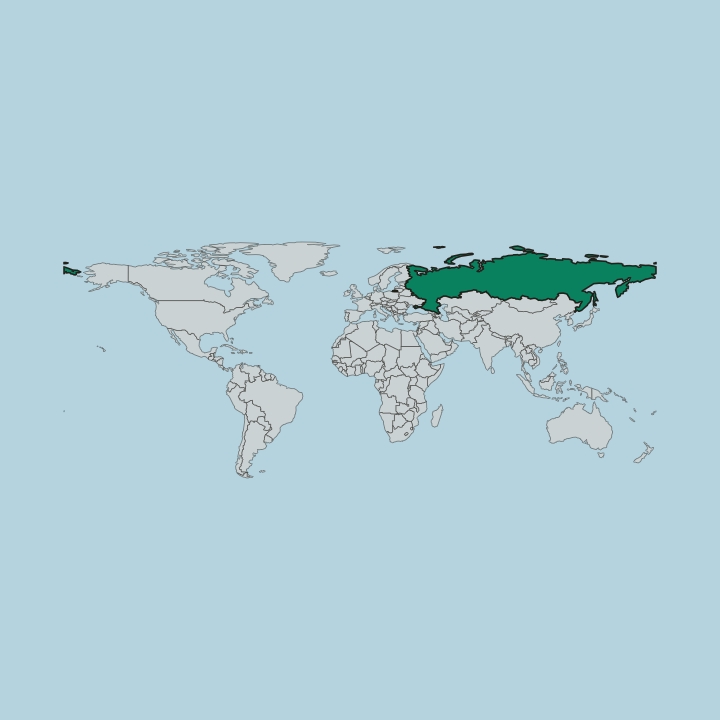
Vyborg lies on the Karelian Isthmus near the head of Vyborg Bay, where the Saimaa Canal enters the Gulf of Finland. The city gathers on rocky ground and small islands along the water, north-west of St. Petersburg and a short way south of the Finnish border. Granite breaks through the soil here.
Woods, lakes, and low rock ridges spread across the surrounding isthmus, and the bay opens westward toward the open Baltic beyond the sheltered harbour of the town.
What is the climate of Vyborg?
Vyborg has a cool northern climate shaped by the sea and the isthmus. Winters are long, dark, and cold, with snow lying over the rock and forest of the Karelian Isthmus as the Gulf of Finland freezes along the shore near the town. Summers are short and green.
The long northern daylight stretches the evenings late around midsummer, the warmest weeks and the busiest for walking the granite shores of Mon Repos and the streets of the old town below the castle. Rain and grey skies cross the bay through much of the year.
How do you get to Vyborg?
Vyborg is reached most easily by rail from St. Petersburg to the south-east. Trains run north-west along the Karelian Isthmus to Vyborg railway station in the centre, and the road toward the Finnish border passes through the city near the bay. The station sits by the old town.
Buses gather at the Vyborg Bus Station for routes across Leningrad Oblast, so most travellers arrive by train or road, the journey crossing the wooded, rocky country of the isthmus to reach the fortress town on the water.
Good for
More cities in Leningrad Oblast
Updated September 2026