Russia
Leningrad Oblast, Russia — Towns & Travel Guide
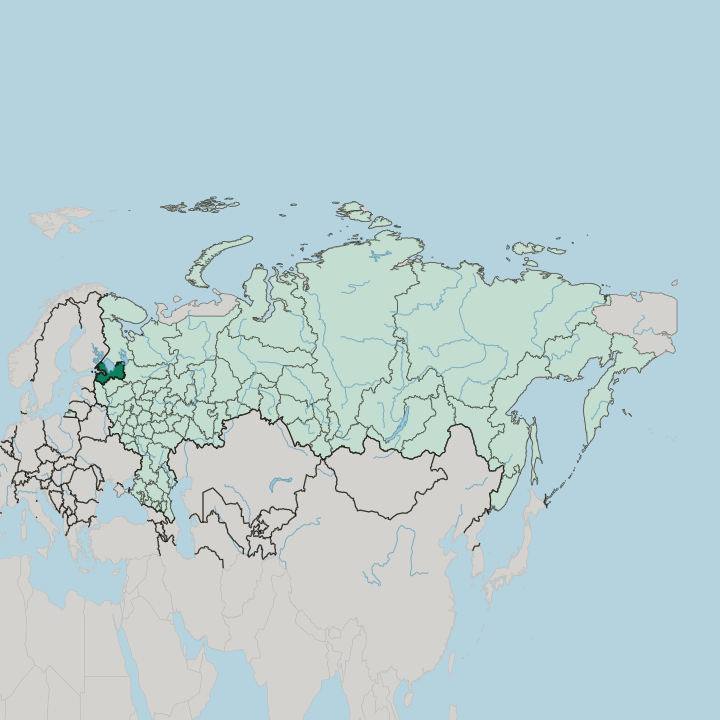
Leningrad Oblast wraps around Saint Petersburg in north-western Russia, a forested lake country reaching to Finland and the Gulf of Finland.
Find your area →


Towns & cities in Leningrad Oblast
Pick a town or city — each links to where to stay.

 Russia
Gatchina
Gatchina is the palace town south-southwest of Saint Petersburg, where the Gatchina Palace, the Priory Palace and White Lake share one park.Where to stay →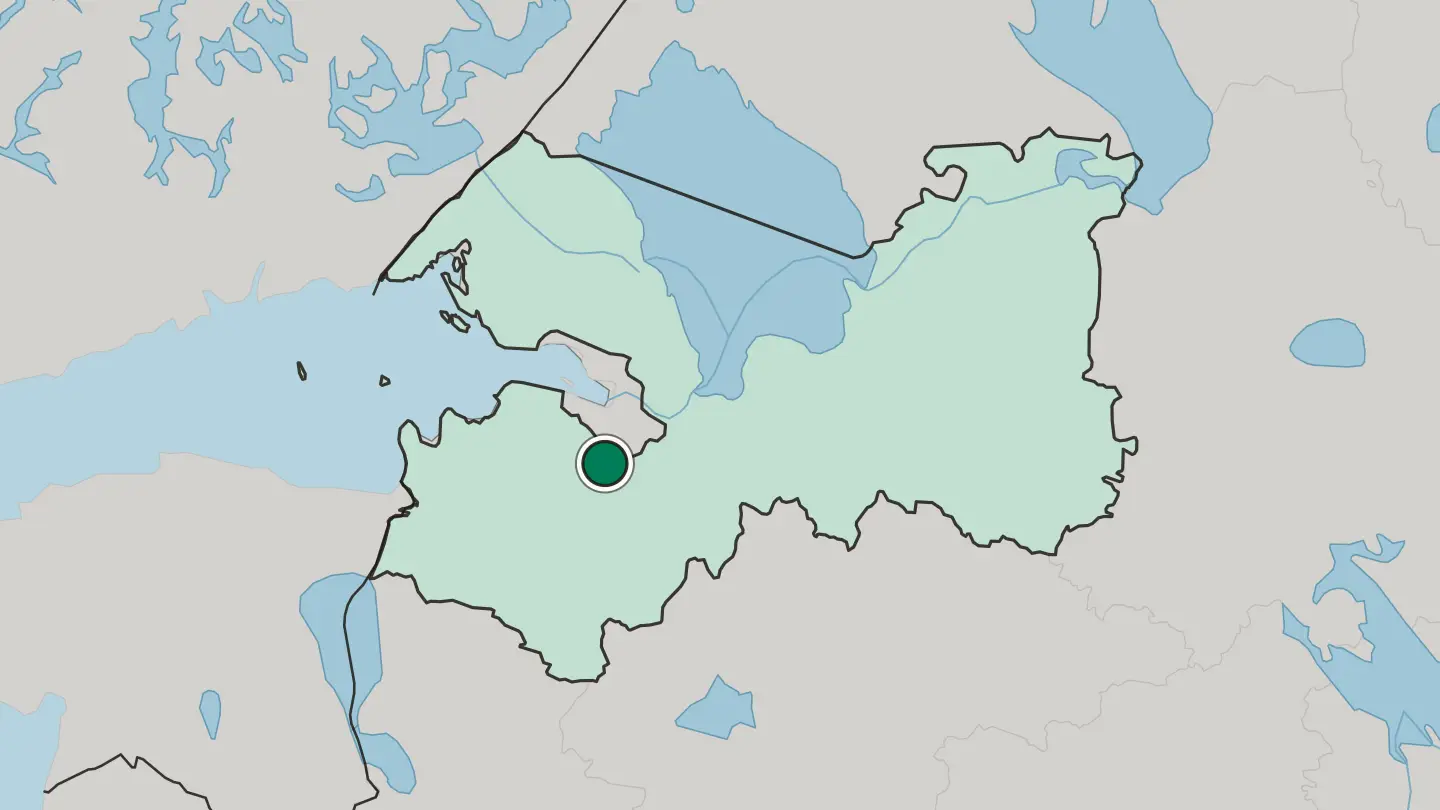
 Russia
Vyborg
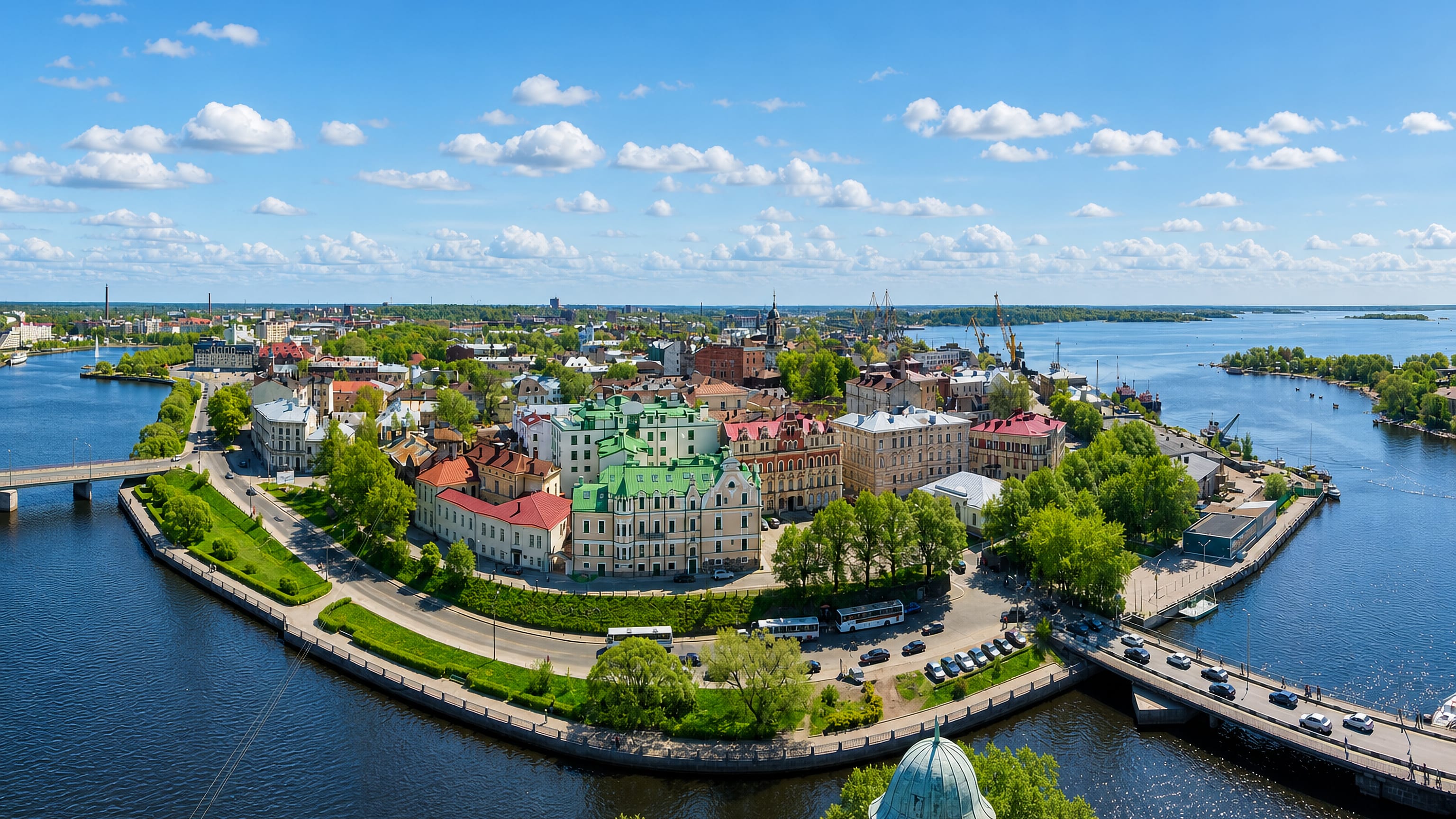
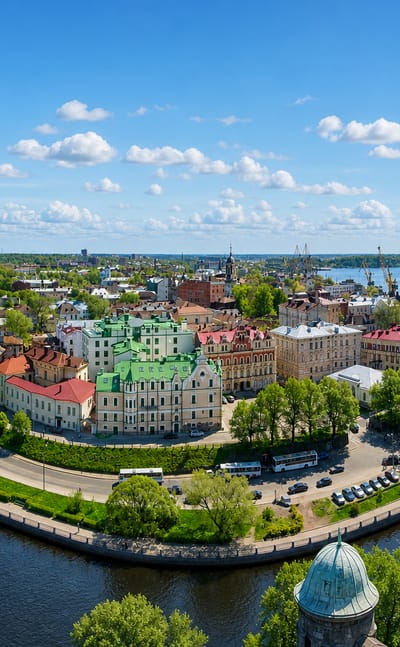
Grey granite towers rise above the water at Vyborg, a city on the Karelian Isthmus near Vyborg Bay, known for Vyborg Castle and Mon Repos.Where to stay →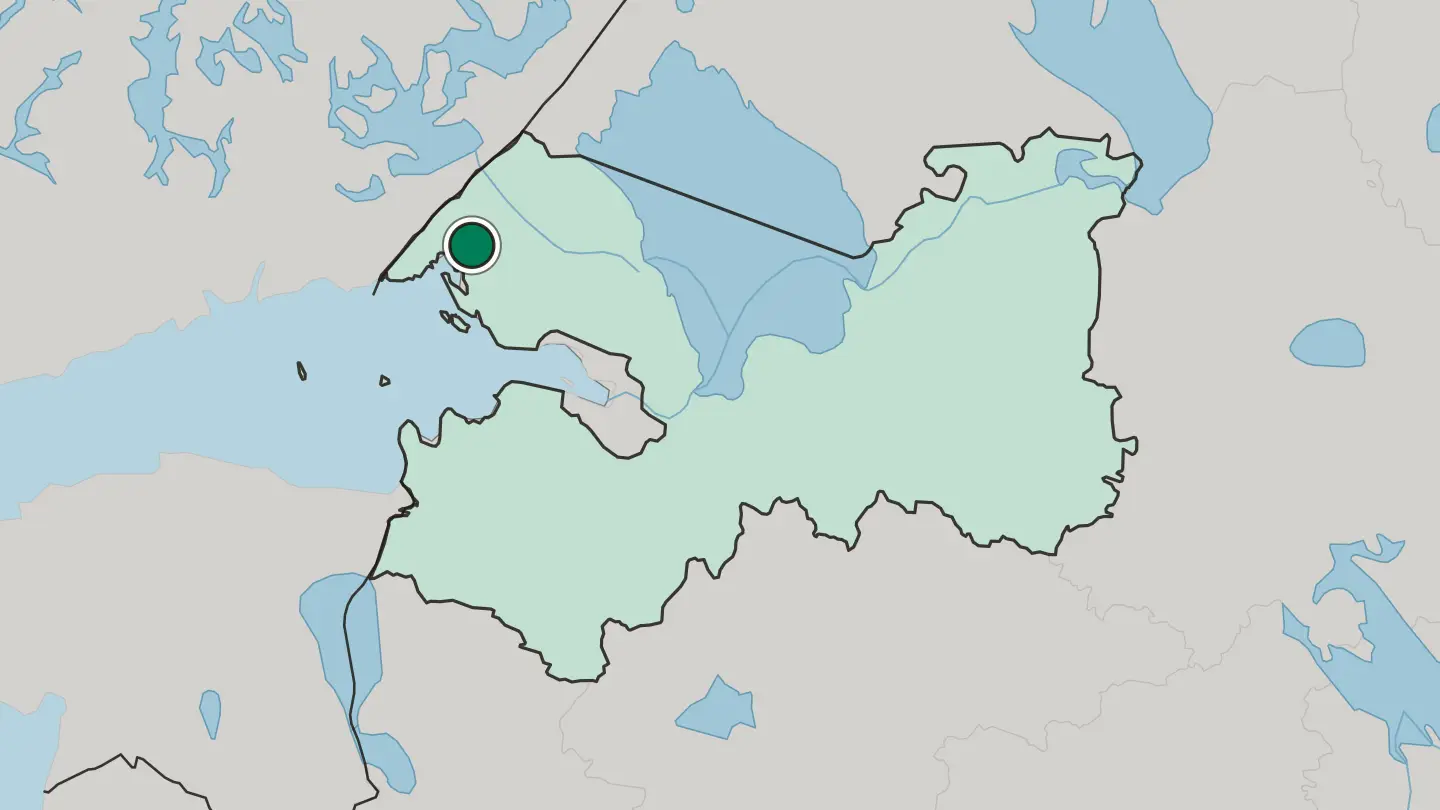
 Russia
Sosnovyy Bor
Sosnovyy Bor sits on Koporye Bay west of Saint Petersburg, a Leningrad Oblast town whose fairytale ensemble Andersengrad draws the visitors.Where to stay →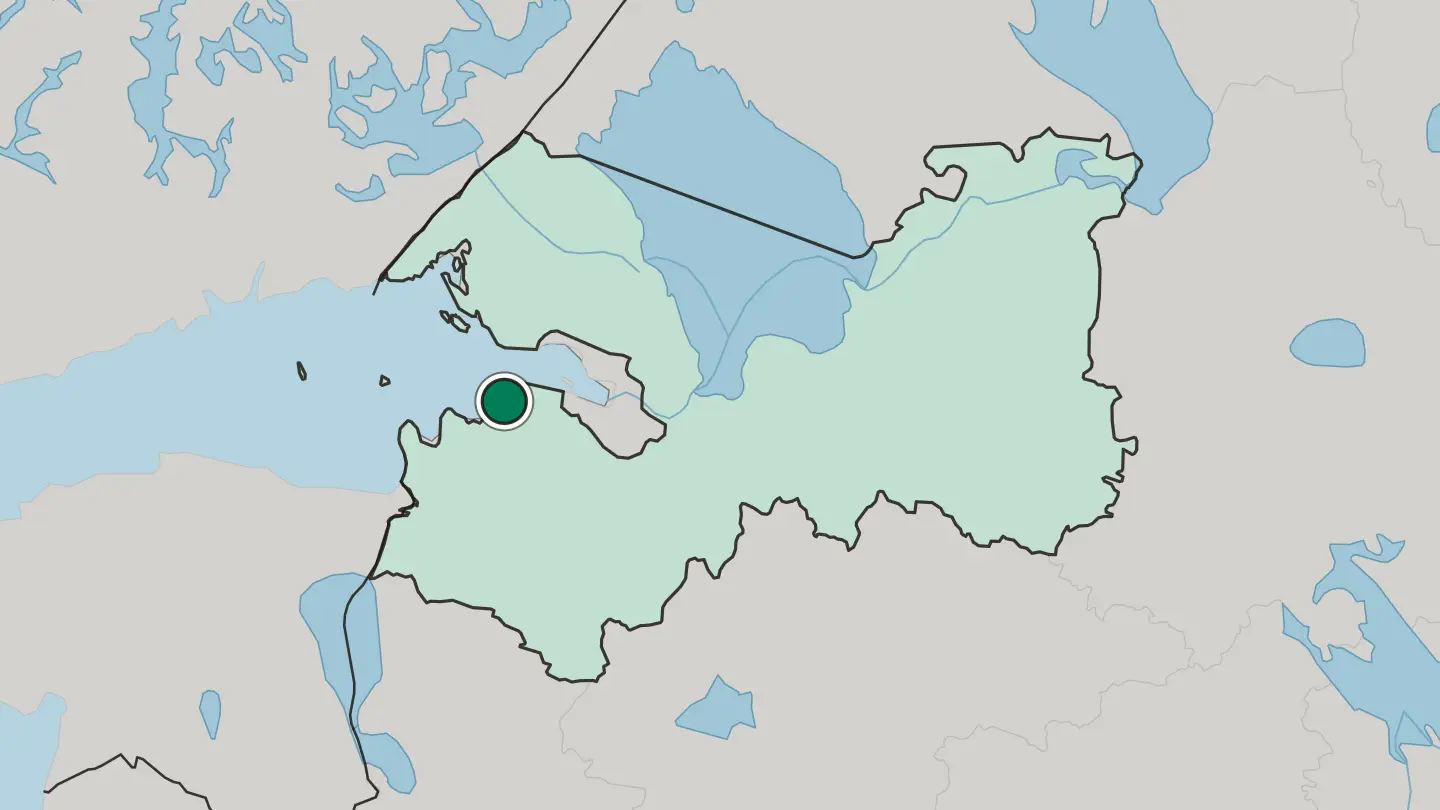
 Russia
Tikhvin
Tikhvin straddles the Tikhvinka River east of Saint Petersburg, an old Leningrad Oblast town built around the Tikhvin Assumption Monastery.Where to stay →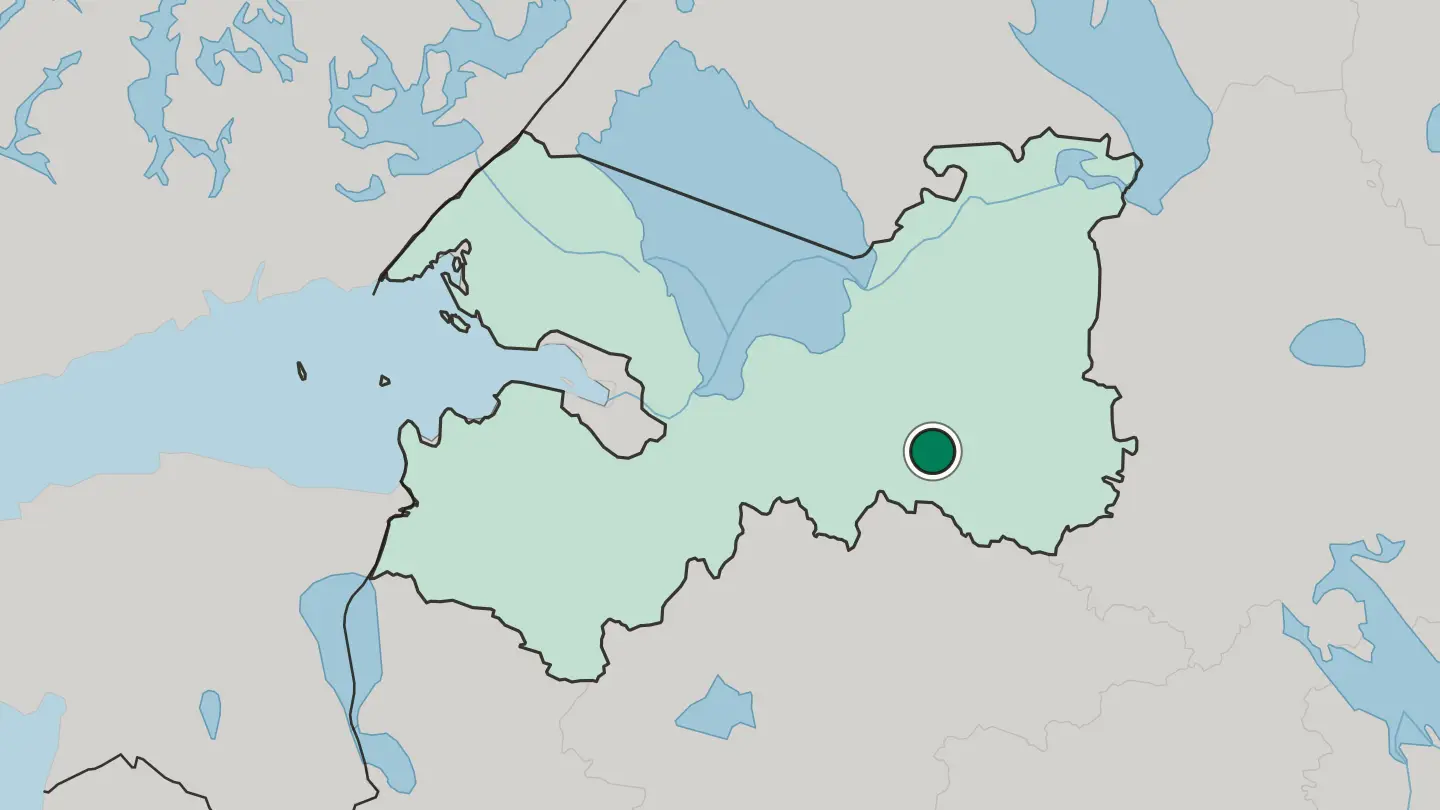
 Russia
Kirishi
Kirishi stands on the right bank of the Volkhov southeast of Saint Petersburg, a town whose landmarks are memorials and a local museum.Where to stay →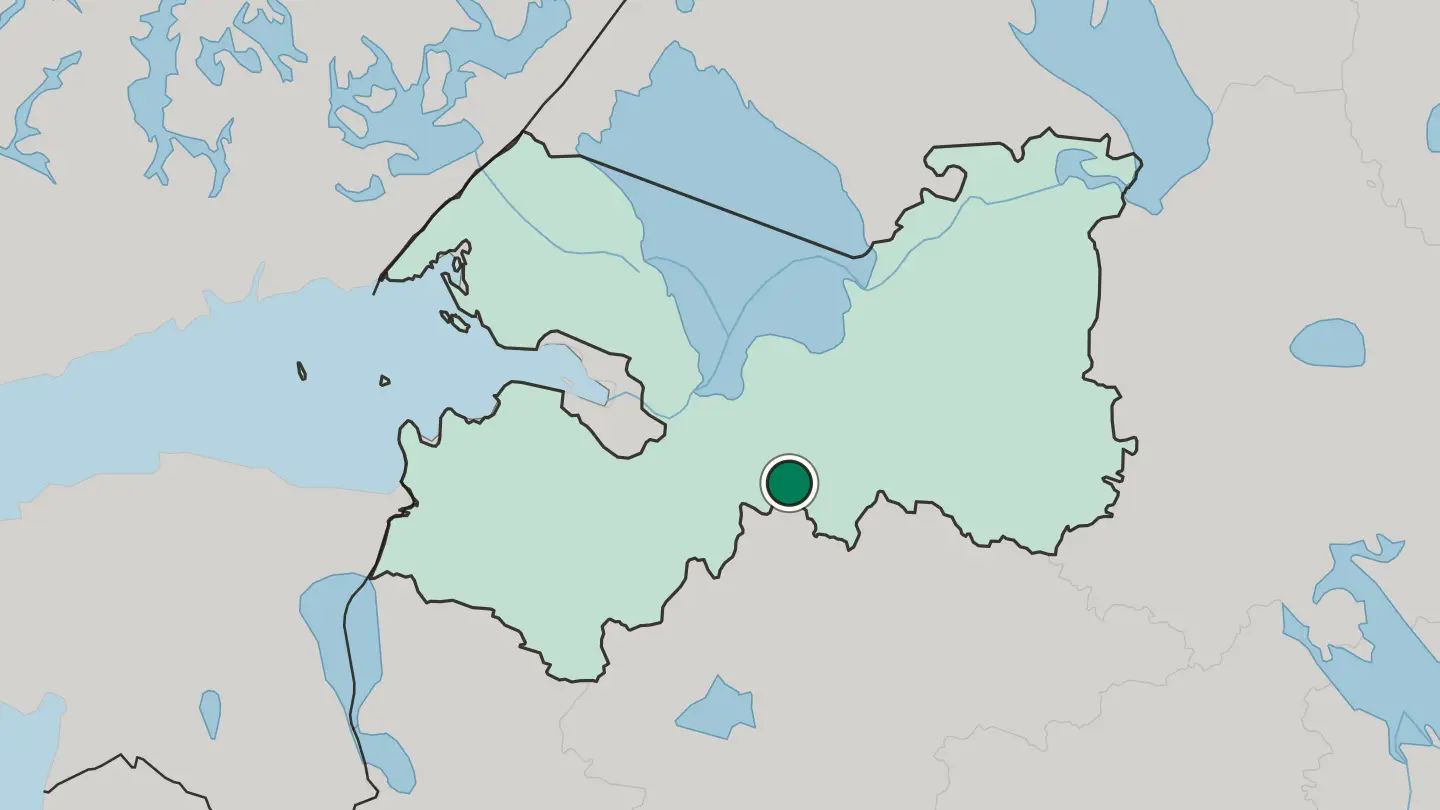
 Russia
Kingisepp
Kingisepp is the old garrison town of Yamburg on the Luga River, close to the border with Estonia and held together by Saint Catherine Cathedral.Where to stay →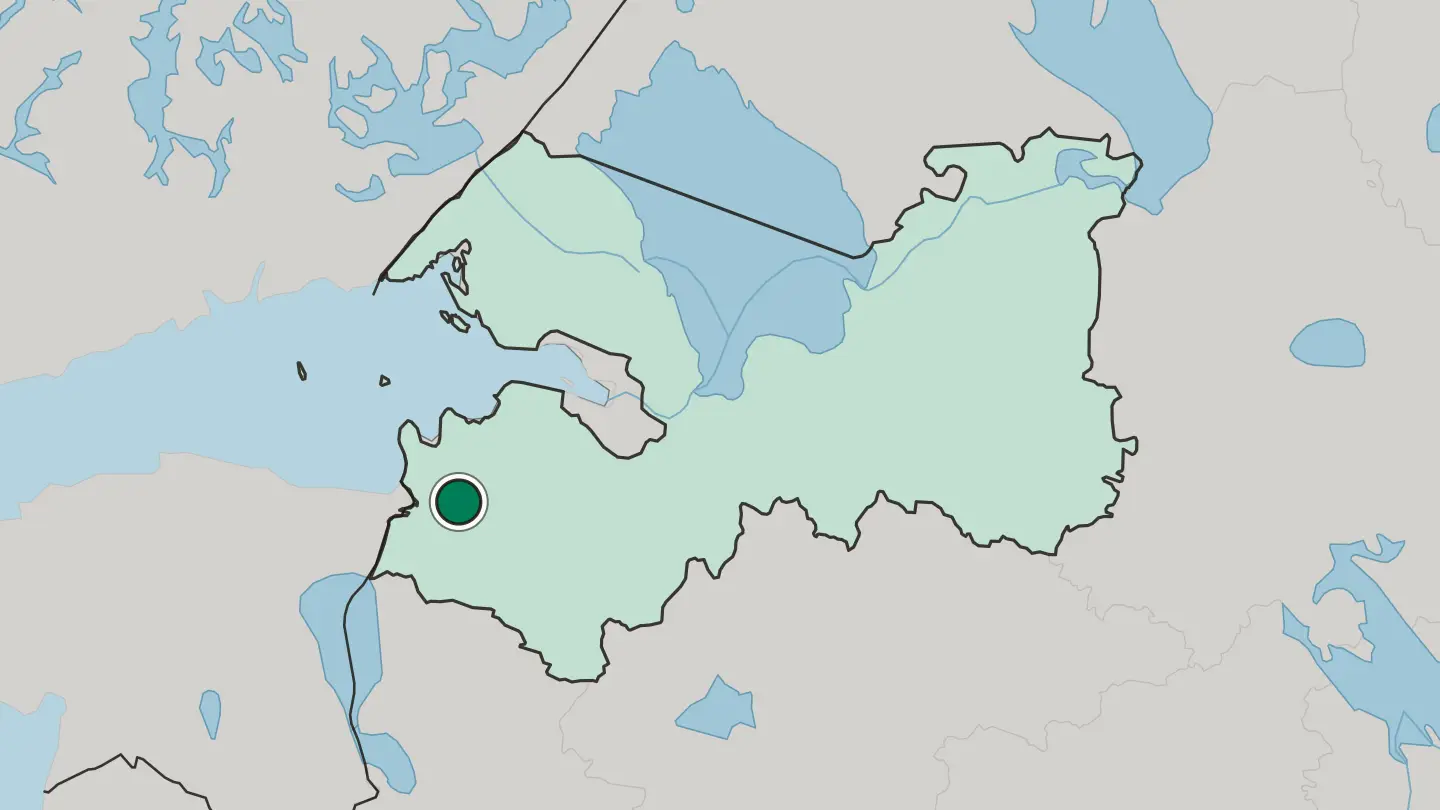
About Leningrad Oblast
This is old borderland.
What is Leningrad Oblast known for?
The region keeps the Soviet-era name of Leningrad even though its principal city long ago went back to being Saint Petersburg, which sits as a separate federal city inside the oblast that rings it. Travellers come for the medieval castle at Vyborg near the Finnish frontier, for Staraya Ladoga where the Rus' state took root, and for Lake Ladoga, the largest lake in Europe. The Neva River drains that lake westward to the Baltic.
Water and forest define the rest.
Where is Leningrad Oblast?
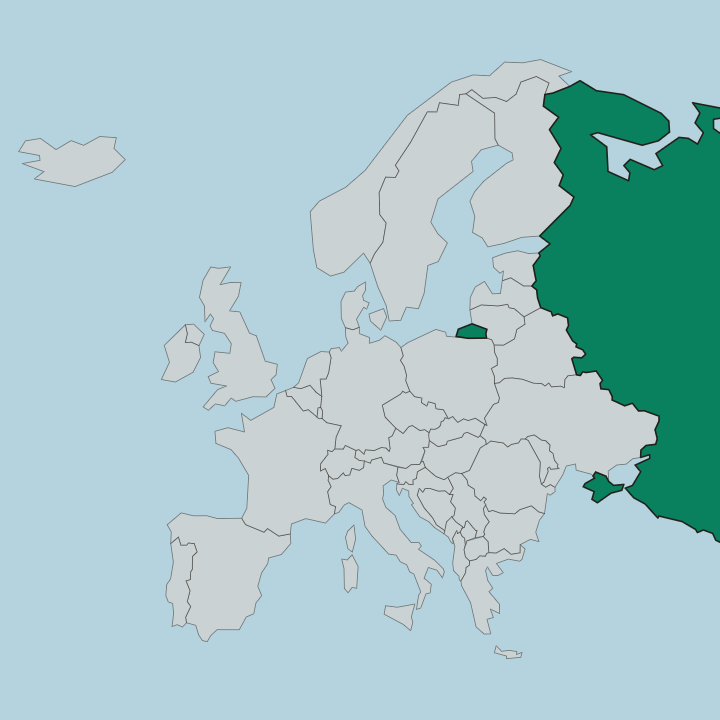
Leningrad Oblast fills the north-western corner of Russia, a low and forested country wrapped around the head of the Gulf of Finland. Across Leningrad Oblast, water dominates the land at every turn. Roughly two thousand lakes lie scattered across it, and the land between them runs flat, given over to pine forest and to swamp.
Lake Ladoga, the largest lake in all of Europe, forms the region's northern edge, and from its western shore the short Neva River carries that whole basin's outflow west to the Baltic, running past Saint Petersburg to the sea. The Neva is only some 74 kilometres long, yet it drains the largest freshwater body on the continent. The frontiers read like a northern map.
Finland lies to the north-west and Estonia to the west, both across the region's outer edges, while the Gulf of Finland opens the region to the Baltic. Inland the oblast meets Karelia to the north, Vologda Oblast to the east, Novgorod Oblast to the south, and Pskov Oblast to the south-west. Between the gulf and Lake Ladoga stretches the Karelian Isthmus, a rockier neck of land threaded with lakes, and along it runs the old road north toward the Finnish border and Vyborg.
Saint Petersburg sits at the centre of it all as a separate federal city, ringed entirely by the oblast that once shared its name.
What is Leningrad Oblast like?
The oblast carries the layered memory of a frontier that changed hands for a thousand years. Its culture is a Russian one, spoken and lived in Russian, but the stonework tells of Swedes, Finns and old Novgorod as much as it does of Moscow. At Vyborg the medieval castle rises on its islet, and the town below keeps a cobbled European core and the one surviving library that the Finnish architect Alvar Aalto built on Russian soil.
That inheritance sits oddly and beautifully beside the Orthodox one. Staraya Ladoga anchors the deeper past. The village on the Volkhov holds a whitewashed stone fortress and small churches whose frescoes count among the oldest in the Russian north, and it is remembered as a first seat of the Rus'.
Imperial Russia left its own mark closer to Saint Petersburg. The palaces and landscape parks at Gatchina, laid out for the crown, belong to the oblast rather than the federal city, and they draw day-trippers out from the capital. Faith, empire and border war all wrote themselves into the same ground.
What is the history of Leningrad Oblast?
The Rus' story begins here. Staraya Ladoga on the Volkhov was founded around the year 753 and became, by tradition, the seat where the Varangian Rurik settled in 862. Sweden later pushed east and raised Vyborg Castle in 1293, holding the Karelian Isthmus for centuries until Peter the Great took the whole coast in the Great Northern War and founded Saint Petersburg at the Neva's mouth.
The oblast itself was drawn up in 1927 and named for Leningrad. During the Second World War it became the ground of a nearly 900-day siege, and the only lifeline into the encircled city ran across the frozen surface of Lake Ladoga, the Road of Life.
What is the climate of Leningrad Oblast?
The oblast runs humid and continental, tempered a little by the Gulf of Finland to the west. Winters are long. Snow lies over the forests and the frozen lakes from late autumn well into spring, and the northern dark presses the days short and grey.
Summers turn mild and green. Warm enough for the lakeshores, they draw out under the long half-lit nights that carry so far north, and the light lingers past midnight. Rain and cloud come year-round rather than in one season, and the Baltic keeps the coastal edge damp.
How do you get to Leningrad Oblast?
Nearly everyone comes through Saint Petersburg. The federal city ringed by the oblast holds the region's international airport and its main rail hub, so a trip almost always starts there before it fans out. From the city, trains and roads run north up the Karelian Isthmus to Vyborg near the Finnish border, and out east and south to Gatchina, Staraya Ladoga and the shores of Lake Ladoga.
The oblast has no separate air gateway of its own. Base in the city, then ride the day trips outward.
Common questions
What is the best area to stay in Leningrad Oblast?
Saint Petersburg: the base for exploring the whole oblast. Vyborg: waking up beside a 1293 castle near the Finnish border. Gatchina: the Gatchina palace and its parkland.
Good for
More regions in Russia
Updated September 2026