Sweden · Jämtland County
Where to Stay in Bräcke, Jämtland County
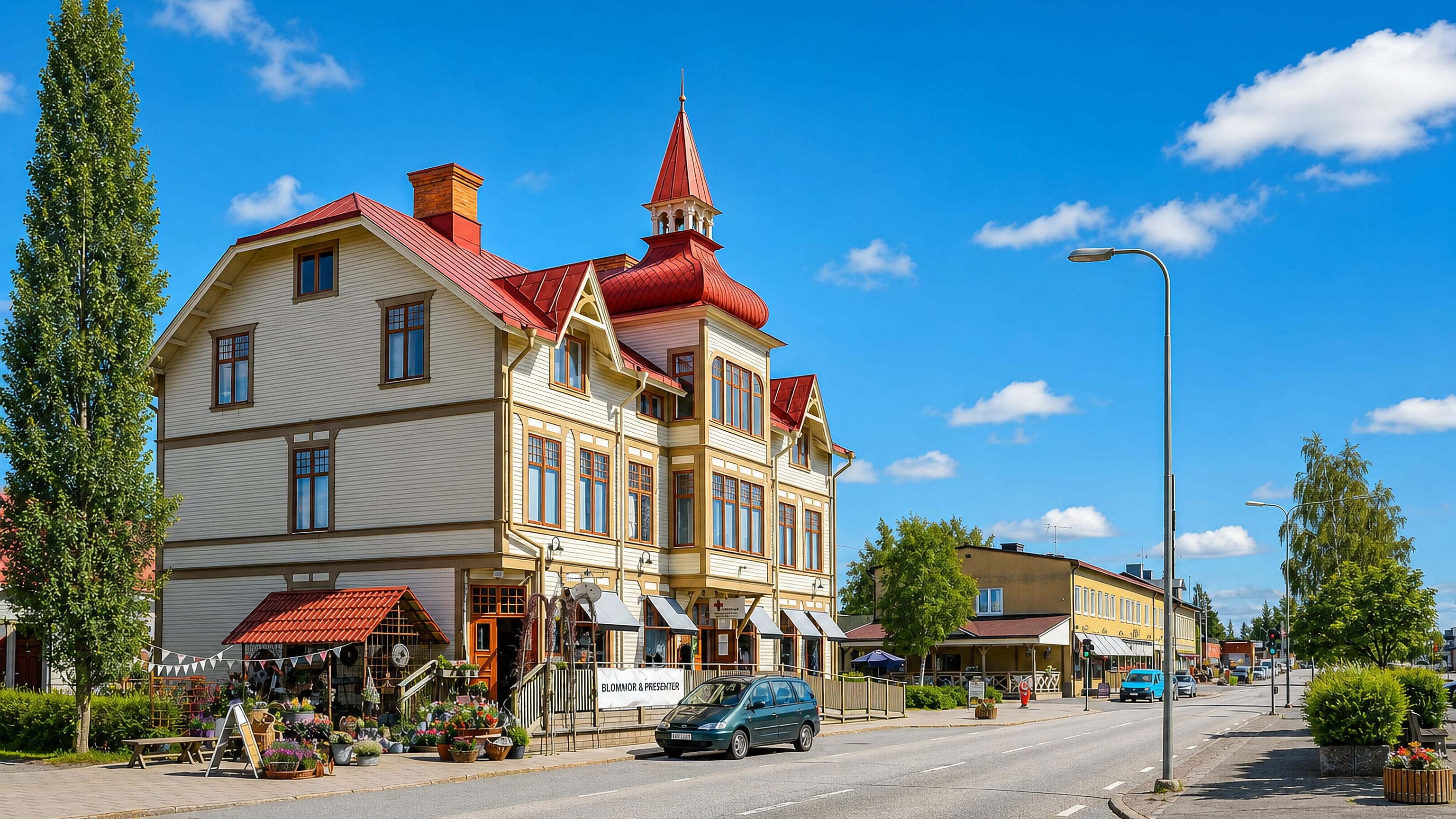
Bräcke is a railway town and the seat of Bräcke Municipality in south-eastern Jämtland County, among inland forests and lakes.
Hotel links are affiliate links: booking through them may earn us a commission, at no extra cost to you. It never affects how places are ranked. How this works


Where to stay in Bräcke
The practical side of choosing where to sleep.
Most visitors stay in the small town centre, the cluster of streets gathered near the station and the church, where the few shops, the parish church, and the railway platform all sit within an easy walk of one another. It suits you if you arrive by train and want everything close at hand. Rooms here run to a hotel and a guesthouse or two.
Beds can tighten when the railway brings working travellers through, so a booking ahead pays off. Out by the lakes and forests that ring the town, holiday cabins and a campsite face the water and draw families through the short bright summer of inland Jämtland. The wider municipality offers quieter ground again, with farmstays and rented cottages scattered among the woods for those who travel by car.
Settle on the centre first. The station, the church, and the lake shore all lie minutes apart on foot, and the forest begins where the last houses end.
Find hotels in Bräcke
Direct booking searches for these neighbourhoods.
Town centre
station, church and shops within an easy walkFind hotels in Town centrefamiliesBy the lakes
cabins and a campsite on the water toward StorsjönFind hotels in By the lakesquiet woodland cottage staysForest and farm country
farmstays and cottages scattered toward StorsjönFind hotels in Forest and farm countryHotel links are affiliate links: booking through them may earn us a commission, at no extra cost to you. It never affects how places are ranked. How this works
About Bräcke
Bräcke is known for its railways.
What is Bräcke known for?
The town grew at a junction where lines through inland northern Sweden met, and it became an important point on the route that carries trains across the forests of Jämtland County. Bräcke kyrka, the parish church, stands over the built-up core and the surrounding lakes. Trains still pass through.
Forest, water, and the steady rhythm of the rail line shape the character of the place.
What are the main landmarks in Bräcke?
The church marks the town. Bräcke kyrka, the parish church, anchors the centre and rises above the streets and the lakes around them. The railway station and its yard recall the junction that made the place, where lines through the Jämtland forests came together.
Lakes lie close on every side. Together the church, the rails, and the water trace the simple shape of an inland northern town.
What is the history of Bräcke?
Bräcke began with the railway. The settlement grew where lines pushed through the forested inland of Jämtland County met and crossed, and the junction turned a scattering of farms into a town built around its station and its yard. The rails brought the wider world.
Trains carried timber out and goods in, and Bräcke became a working point on the route across northern Sweden, its days shaped by arrivals, departures, and the long haul of freight through the woods. Bräcke kyrka rose to serve the growing parish, and the town settled into the role it still holds. Forest and lake framed the streets.
Bräcke kept its place on the line. It remains the seat of its municipality in the south-eastern part of Jämtland County, a quiet railway town whose church, station, and surrounding waters still tell of the junction that founded it.
Where is Bräcke?
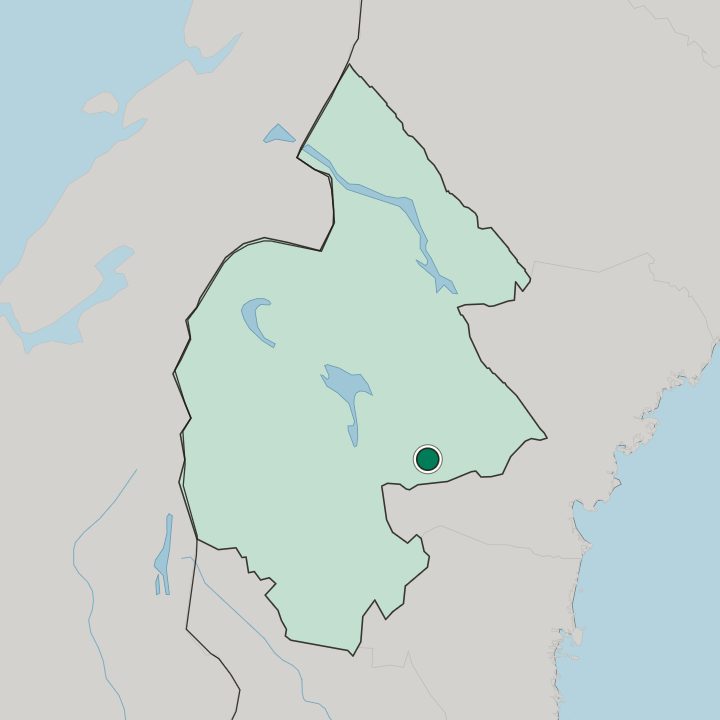
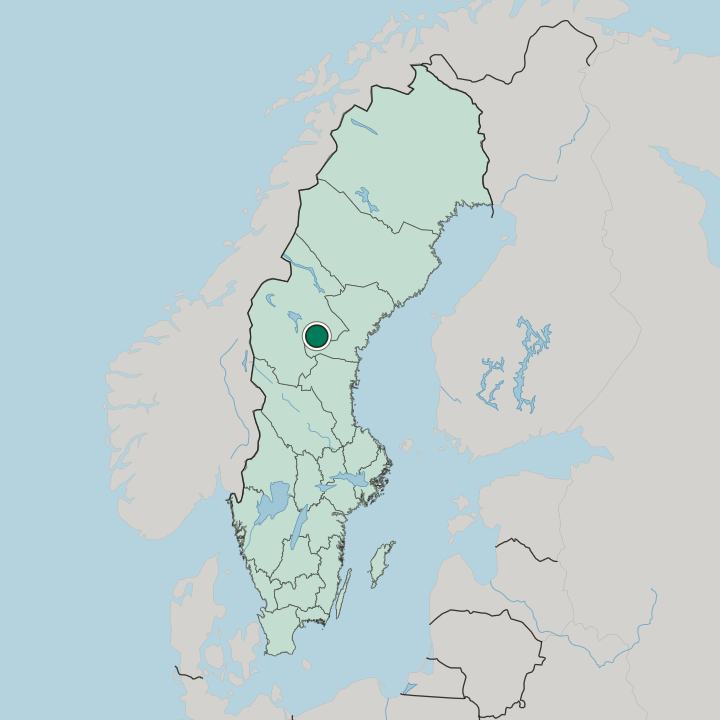
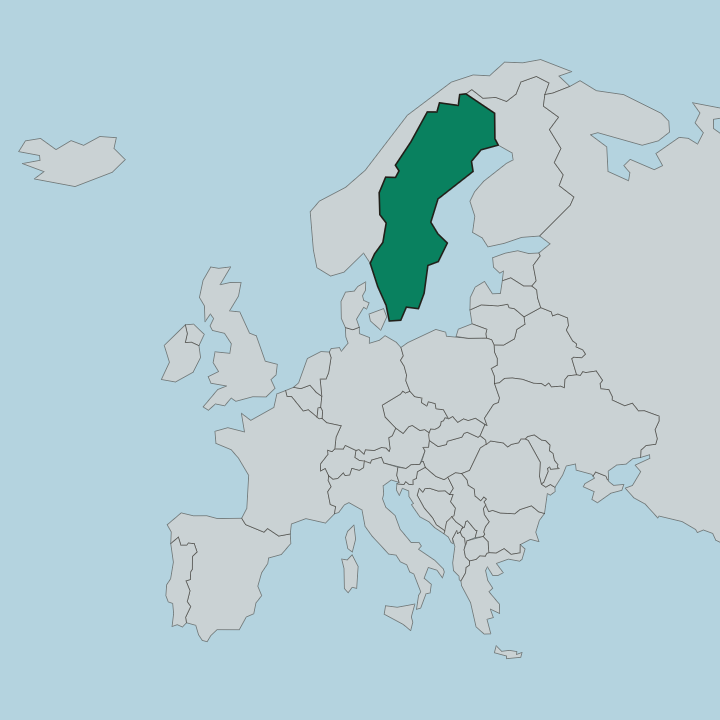
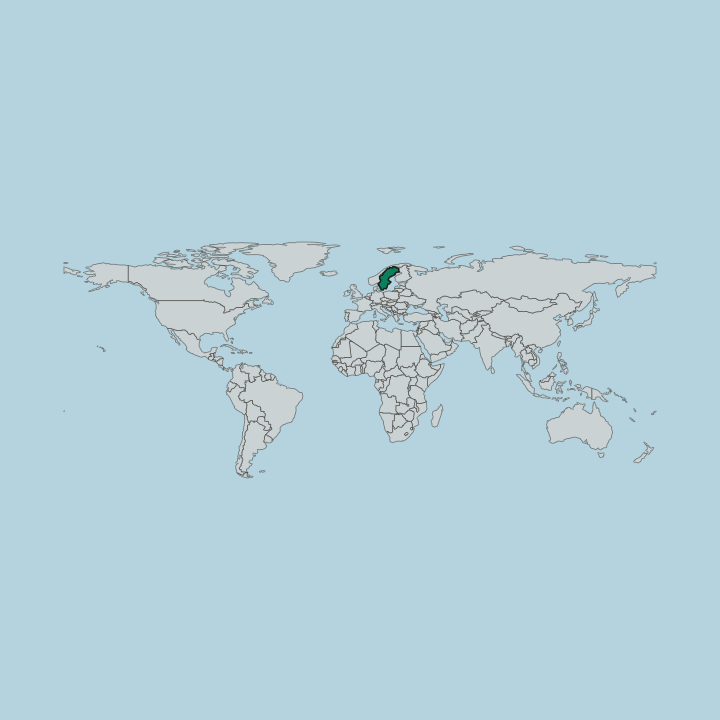
Bräcke sits far inland. The town sits in the south-eastern part of Jämtland County, in northern Sweden, where forested upland breaks into a patchwork of lakes and low wooded ridges across the interior. Water lies on every side of the built-up core.
The land belongs to the great inland forest, a country of pine, lake, and rock far from the coast. It stands south-east of Östersund, the regional centre on lake Storsjön.
What is the climate of Bräcke?
Bräcke holds a cold continental climate. Winters are long and snowy, with the lakes around the town freezing hard and the inland forests of northern Sweden holding deep snow through the dark months of the year. The mild summers pass quickly.
Long northern daylight warms the lake shores briefly before autumn turns the woods to gold and the first frosts return. Distance from the sea makes the seasons swing sharply between summer warmth and biting winter cold.
How do you get to Bräcke?
For most, the railway is the way in to Bräcke. Bräcke sits on the rail network of inland Jämtland County, with services linking it toward Östersund and on across northern Sweden, so the town remains easy to reach by the lines that founded it. Roads run in through the forest country.
Drivers come up readily. The nearest large airport lies near Östersund, an easy drive or a connecting train to the north-west.
Common questions
What is the best area to stay in Bräcke?
Town centre: first-timers. By the lakes: families. Forest and farm country: quiet woodland cottage stays.
Good for
More cities in Jämtland County
Updated September 2026