Sweden · Jämtland County
Where to Stay in Hammarstrand, Jämtland County
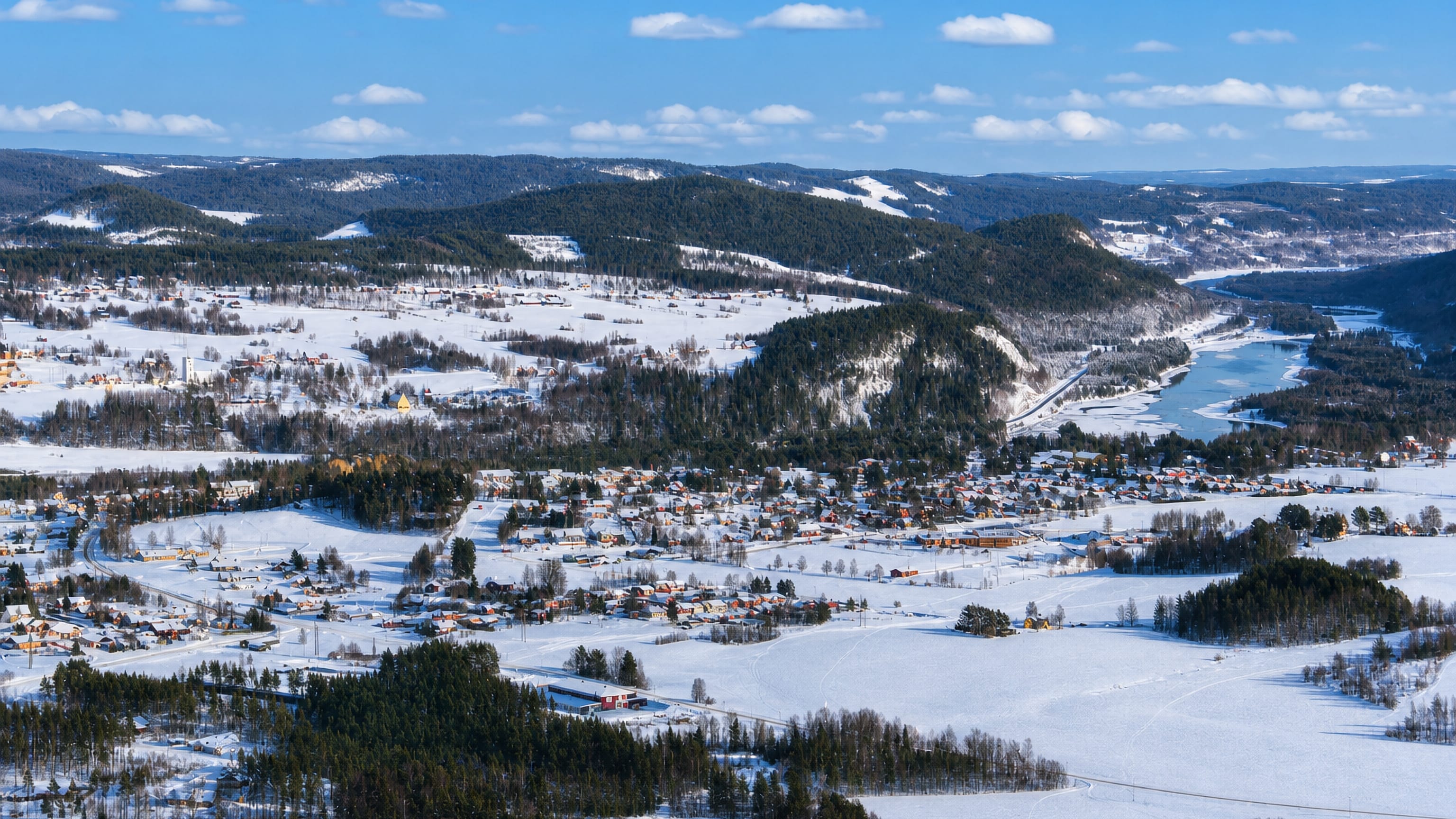
Hammarstrand is a town in eastern Jämtland County, the seat of Ragunda Municipality, set on the drained bed of a vanished lake.
Hotel links are affiliate links: booking through them may earn us a commission, at no extra cost to you. It never affects how places are ranked. How this works


Where to stay in Hammarstrand
How the choice of base plays out on the ground.
Most visitors stay in the town centre, the small grid of streets above the river where the shops, cafés, and the parish church gather within an easy walk and the bobsleigh track lies close at hand. It suits you if you want everything in town within reach on foot. Rooms here run to a hotel and a guesthouse or two.
Beds can tighten when an event fills the ice track, so booking ahead helps a great deal. Out toward the Dead Falls and the drained valley of the old lake, a campsite and holiday cabins face the river and draw families through the short bright summer of inland Jämtland. The wider municipality offers quieter ground again, with farmstays and rented cottages scattered among the forest for those who travel by car.
Make the centre your first choice. The church, the shops, and the river bank all lie minutes apart on foot, and the great drained valley opens just beyond the town.
Find hotels in Hammarstrand
Direct booking searches for these neighbourhoods.
Town centre
shops, church and the ice track within an easy walkFind hotels in Town centrefamiliesToward the Dead Falls
campsite and cabins facing the river near the old lake bedFind hotels in Toward the Dead Fallsdrivers seeking forest calmForest and farm country
farmstays and cottages scattered through the woodsFind hotels in Forest and farm countryHotel links are affiliate links: booking through them may earn us a commission, at no extra cost to you. It never affects how places are ranked. How this works
About Hammarstrand
Hammarstrand is known for a vanished lake.
What is Hammarstrand known for?
The town stands on the dry bed of Ragundasjön, a lake that drained suddenly and catastrophically in 1796 when its barrier gave way, leaving the Dead Falls where a great waterfall once roared. A bobsleigh and luge track also draws sliders to the town. Two churches serve the parish.
The drained valley, the old falls, and the ice track give the place its name across the eastern forests of Jämtland County.
What are the main landmarks in Hammarstrand?
Churches and the dry falls mark the area. Ragunda gamla kyrka, the old parish church, and Ragunda nya kyrka, its newer successor, serve the congregation across the valley. The Dead Falls lie just beyond the town, a dry gorge of bare rock where a great waterfall once thundered before the lake drained.
A bobsleigh and luge track adds a rarer sight. Together the two churches, the silent gorge, and the ice run trace the marks of this drained valley.
What is the history of Hammarstrand?
A lake made this place, then unmade it. For ages the lake Ragundasjön filled the valley, fed by the river and held back by a barrier of sand and gravel that no one thought would fail. Then, in 1796, the barrier gave way.
The lake drained in a single night, the great waterfall that had fed it ran dry, and a broad bed of land lay open where deep water had stood for ages, leaving the Dead Falls as a silent gorge of bare stone. Hammarstrand grew on that drained ground in the years that followed, a town built where a lake had been. The parish churches rose to serve it, and an ice track later added a name in winter sport.
The town settled into its role. It became the seat of Ragunda Municipality in the eastern part of Jämtland County, a place whose whole story turns on the night the water ran away.
Where is Hammarstrand?
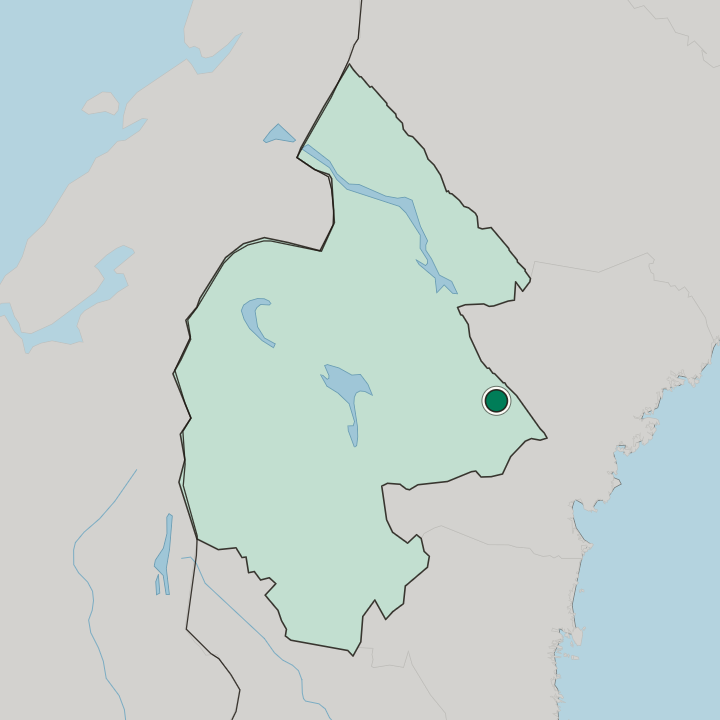
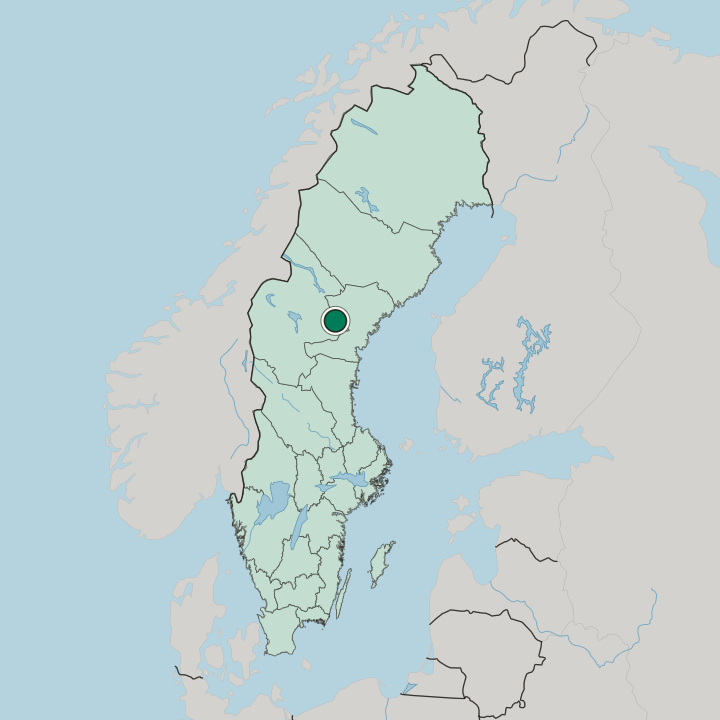
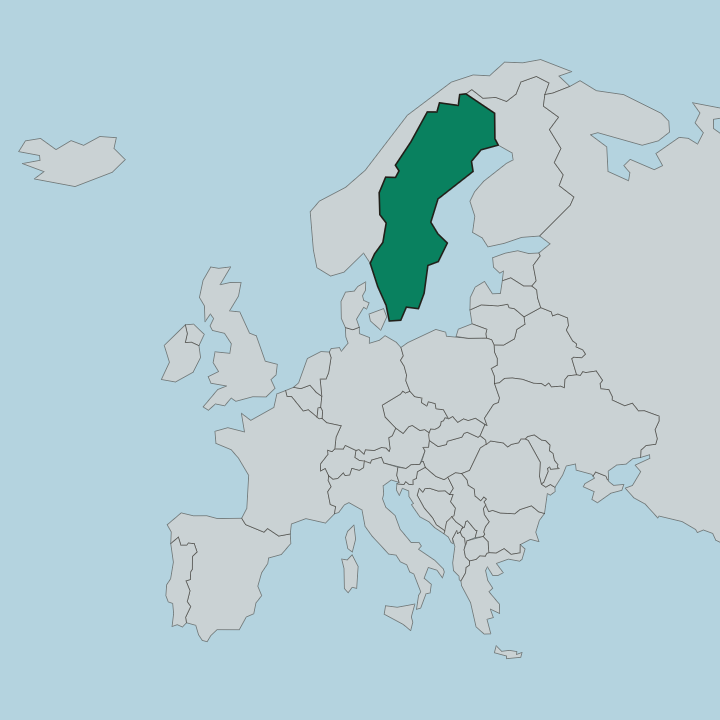
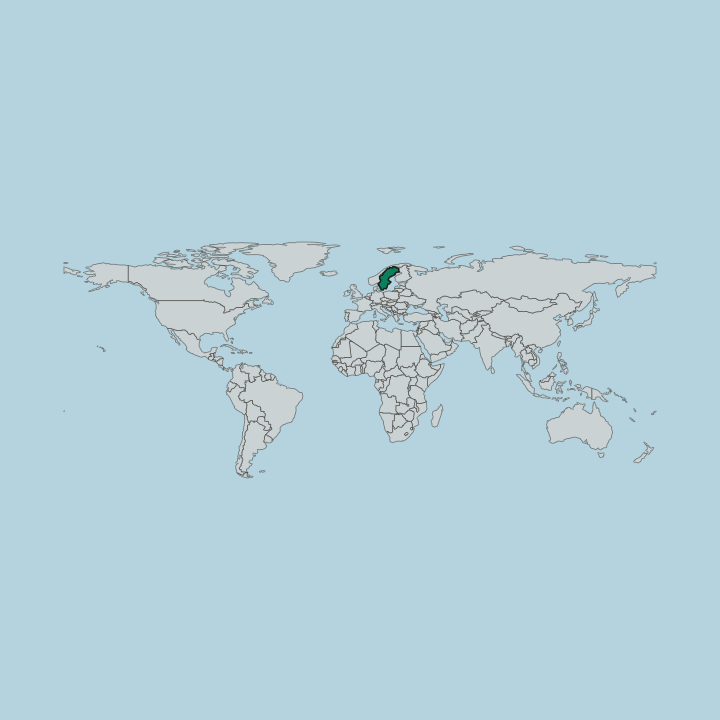
Hammarstrand lies on a river. The town sits in the eastern part of Jämtland County, in northern Sweden, on the drained bed of the old lake where the Indalsälven runs through a broad valley between forested ridges. Past the built-up core, the river threads on toward the coast.
Around it spreads the great inland forest, a country of pine, water, and worked stone. It stands east of Östersund, downstream along the valley toward the sea.
What is the climate of Hammarstrand?
The climate here is cold and firmly continental. Winters are long and snowy, with the river slowing under ice and the inland forests of northern Sweden holding deep snow through the dark months that make the ice track possible. Summers stay brief and gently mild.
Long northern daylight warms the valley briefly before autumn turns the woods to gold and the early frosts return. Distance from the sea makes the seasons swing hard between summer warmth and biting winter cold.
How do you get to Hammarstrand?
Road travel brings in nearly everyone. Hammarstrand sits along the Indalsälven valley in eastern Jämtland County, on the route that runs inland from the coast toward Östersund, so a car or a regional bus brings you in through the forest country. Roads follow the river both ways.
Drivers come up readily. The nearest large airport lies near Östersund, an easy drive to the west, with coastal connections off to the east.
Common questions
What is the best area to stay in Hammarstrand?
Town centre: first-timers. Toward the Dead Falls: families. Forest and farm country: drivers seeking forest calm.
Good for
More cities in Jämtland County
Updated September 2026