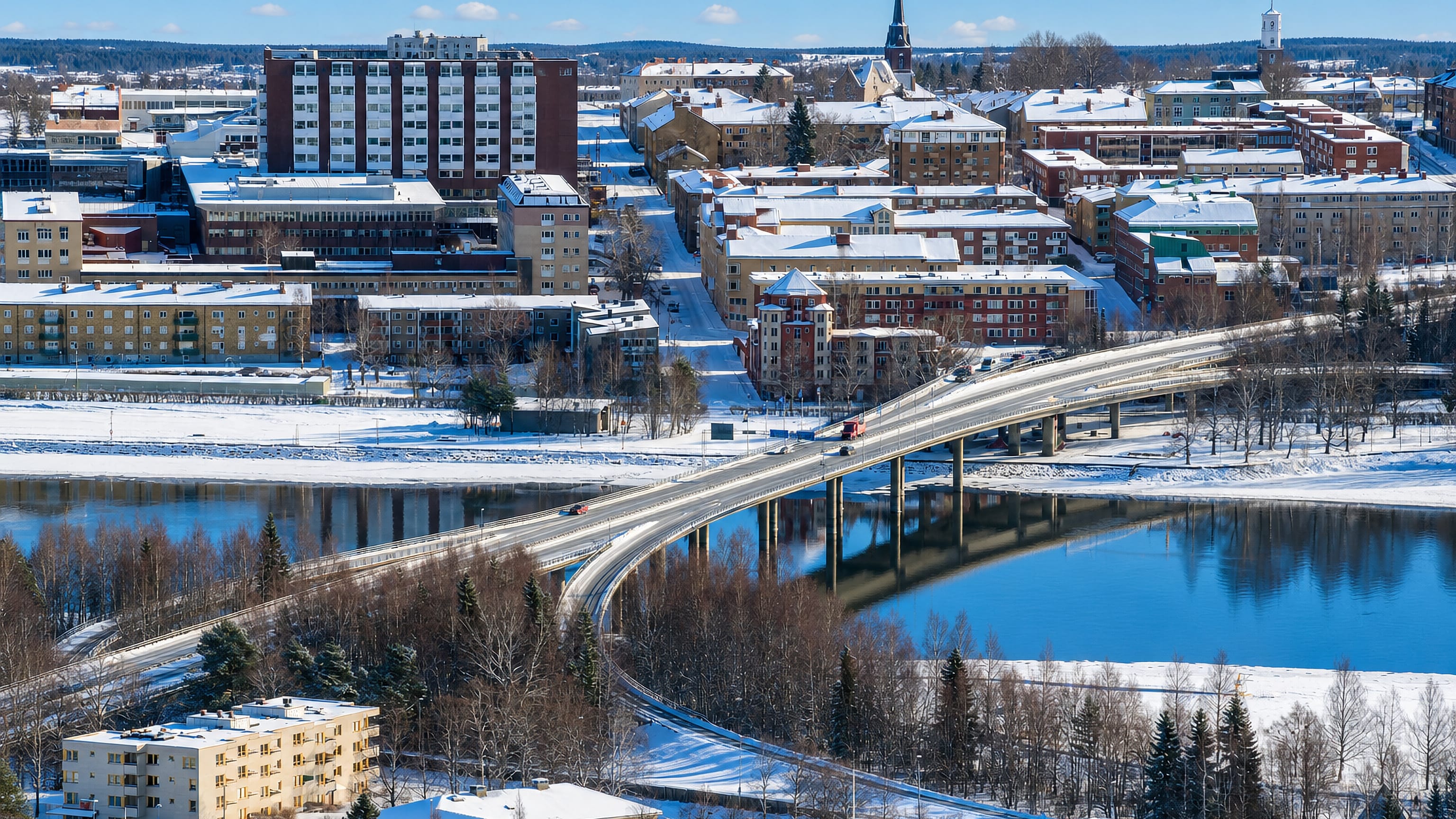
Sweden
Jämtland County, Sweden — Towns & Travel Guide
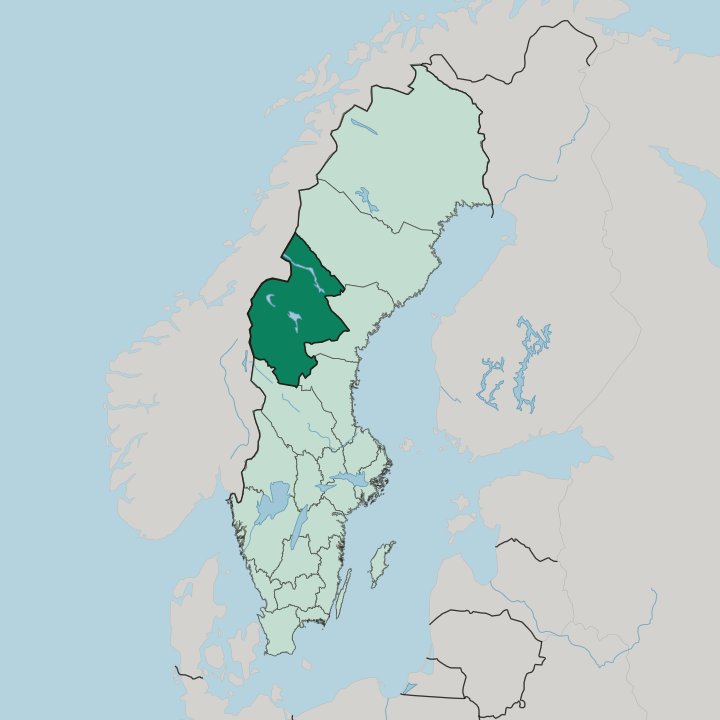
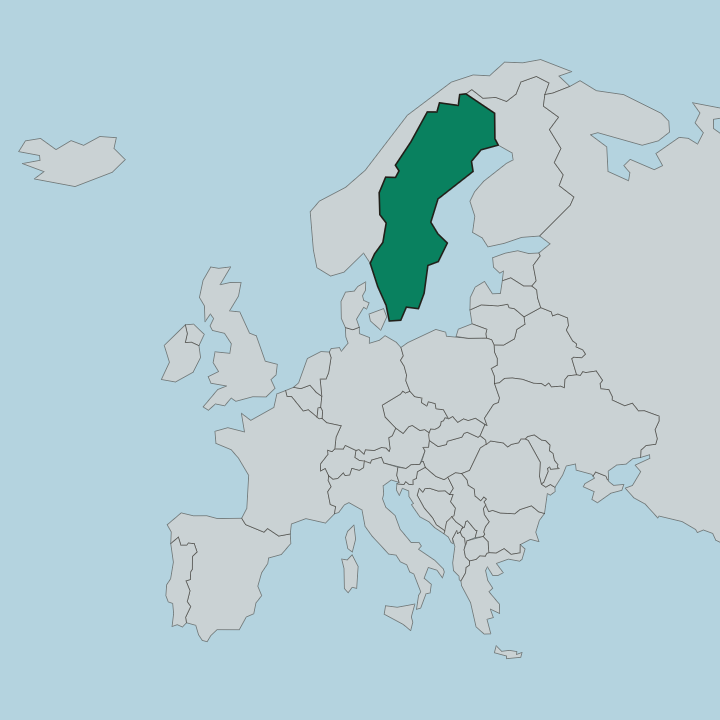
Jämtland County is a vast mountain län in northern Sweden, reaching from the great lake of Storsjön west to the Norwegian border.
Hotel links are affiliate links: booking through them may earn us a commission, at no extra cost to you. It never affects how places are ranked. How this works


Towns & cities in Jämtland County
Pick a town or city — each links to where to stay.
 Sweden
Östersund
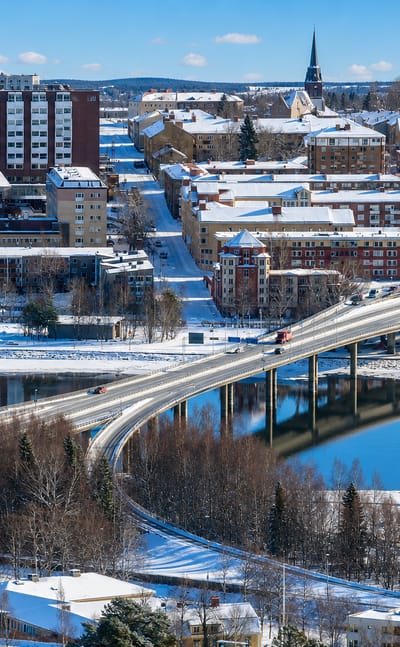
Östersund is the seat of Jämtland County in northern Sweden, the only city in the region, rising on the eastern shore of Storsjön.Where to stay →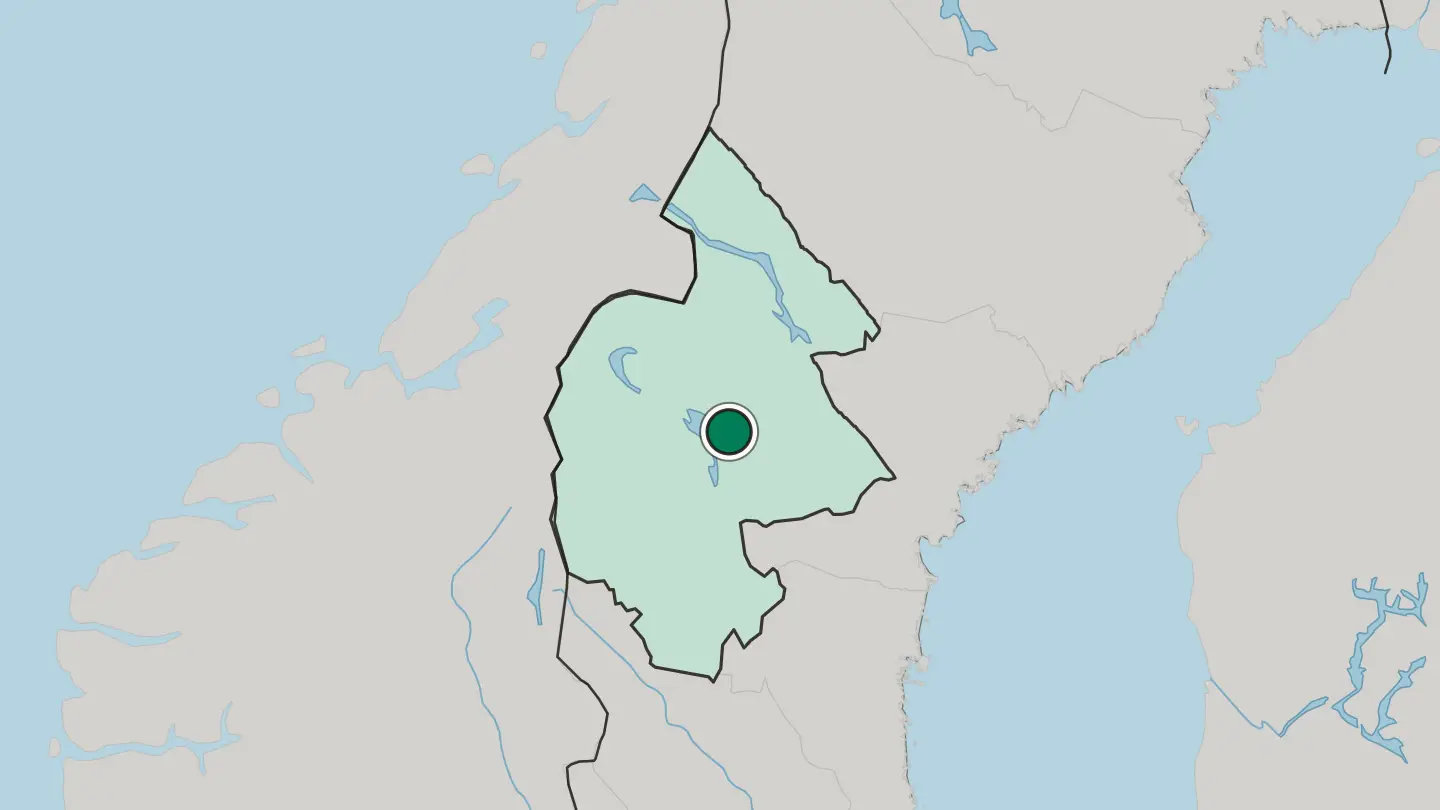
 Sweden
Strömsund
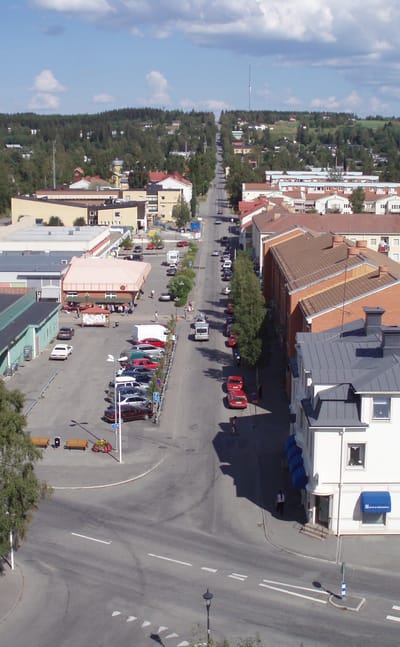
Strömsund is a town and the seat of Strömsund Municipality in the north-eastern part of Jämtland County, northern Sweden, set on a sound between two lakes.Where to stay →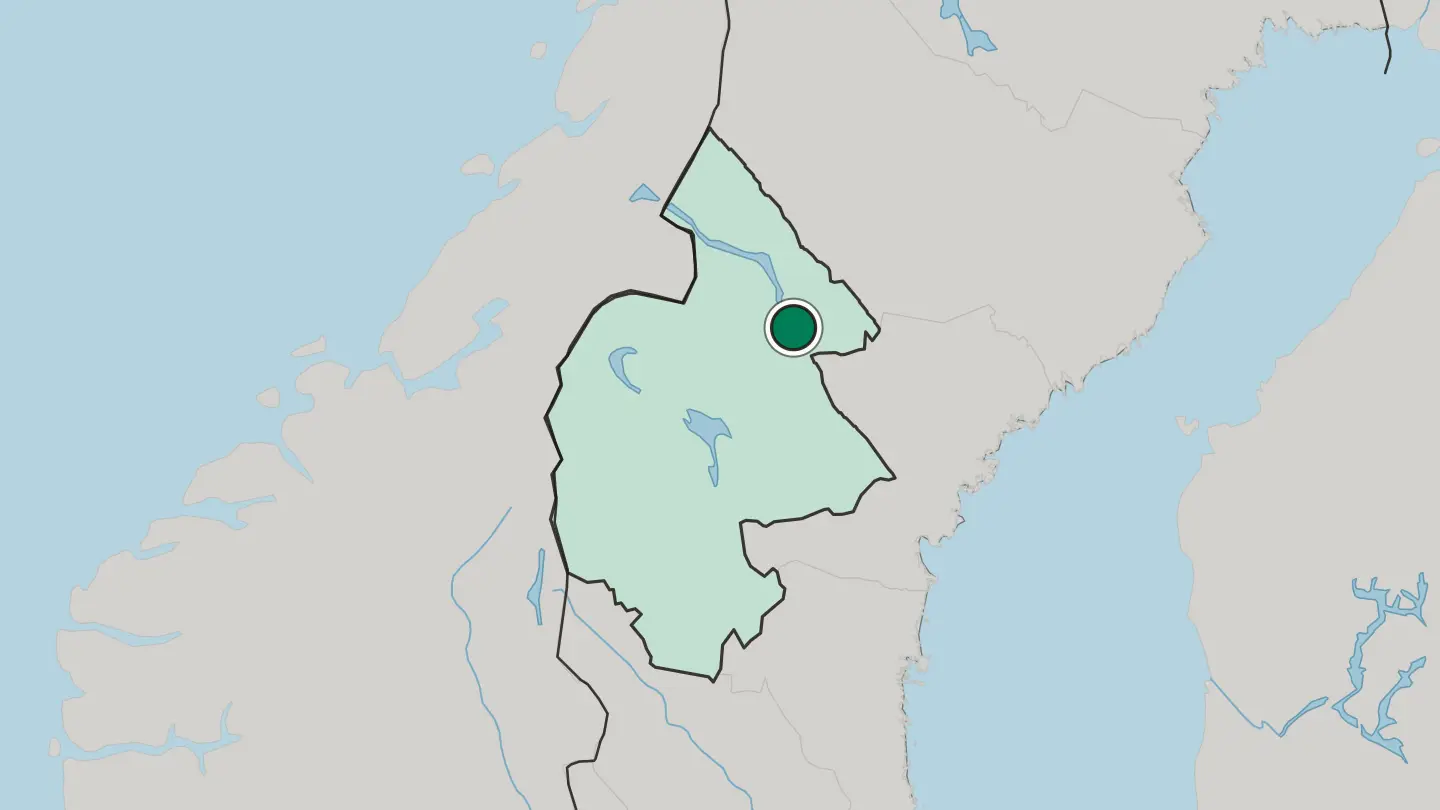
 Sweden
Åre
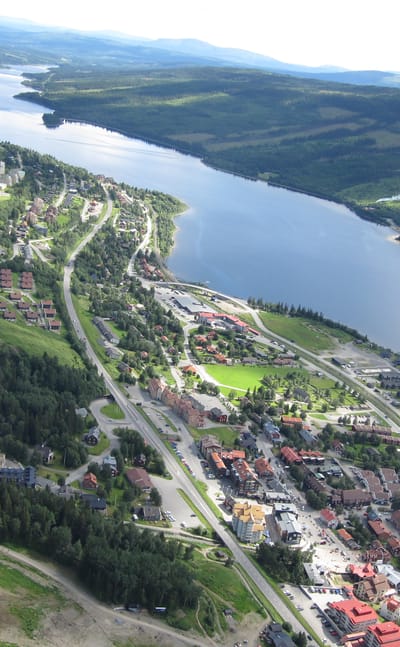
Lift cables climb Åreskutan above lake Åresjön at Åre, a mountain village in Jämtland County known for alpine skiing and its medieval stone church.Where to stay →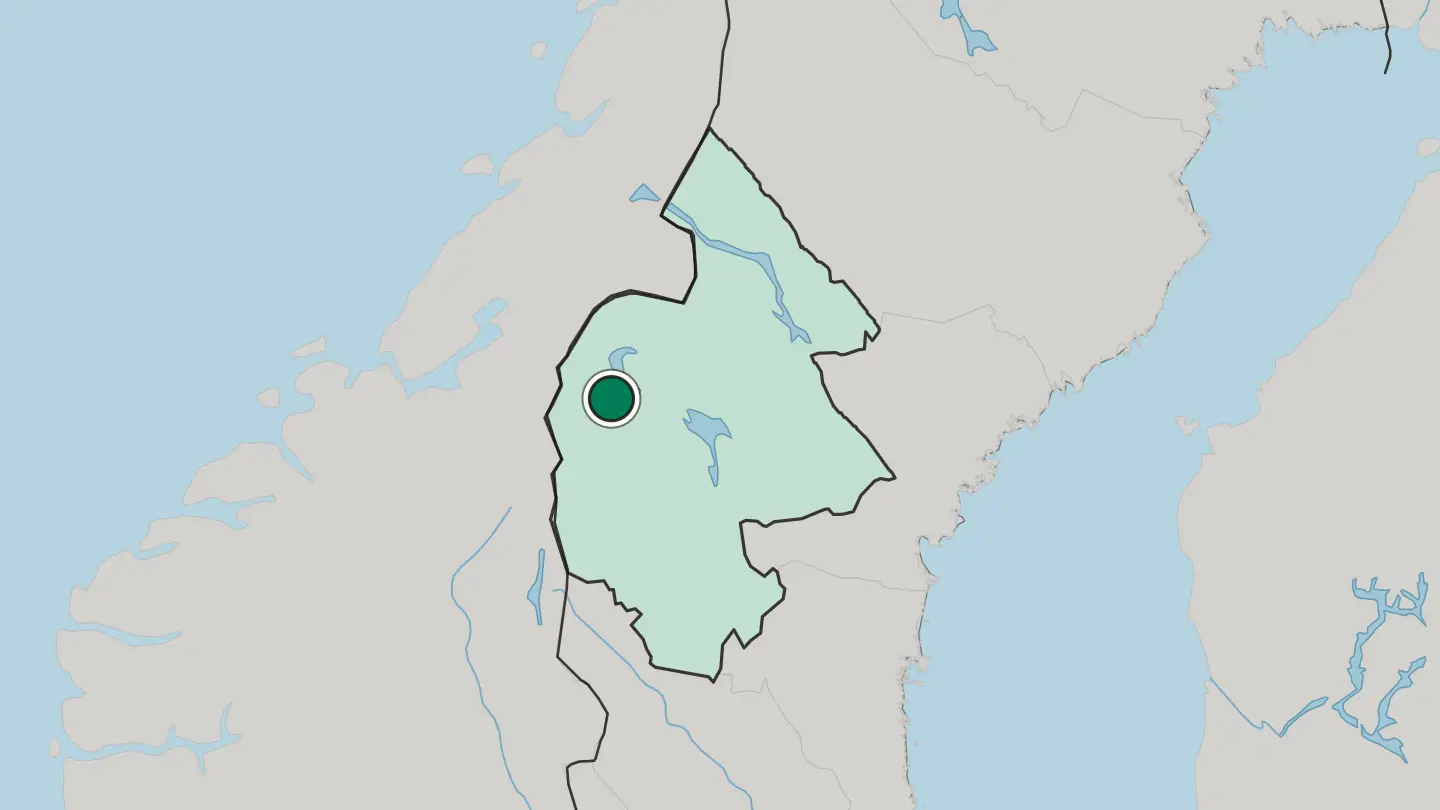
 Sweden
Sveg
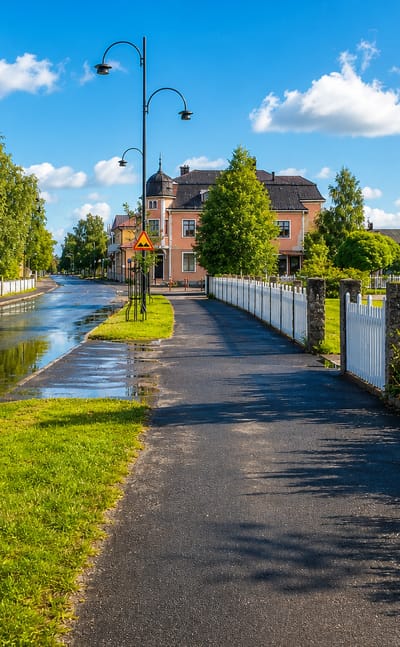
Sveg is the main town of Härjedalen, set in the southern part of Jämtland County where the forests of northern Sweden open toward the mountains.Where to stay →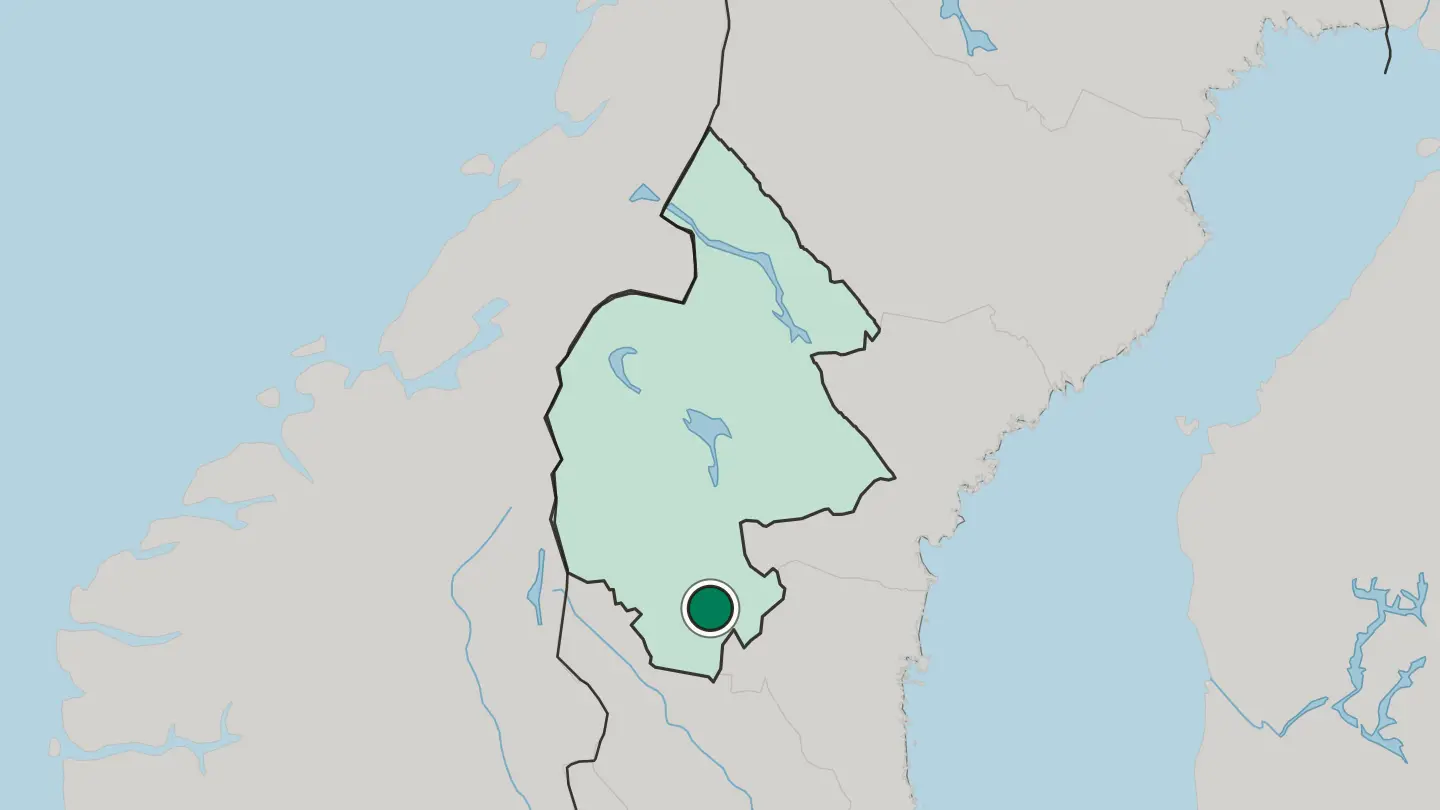 Sweden
Krokom
Krokom is a town and the seat of Krokom Municipality in the northern part of Jämtland County, northern Sweden, set by a river just north of Östersund.Where to stay →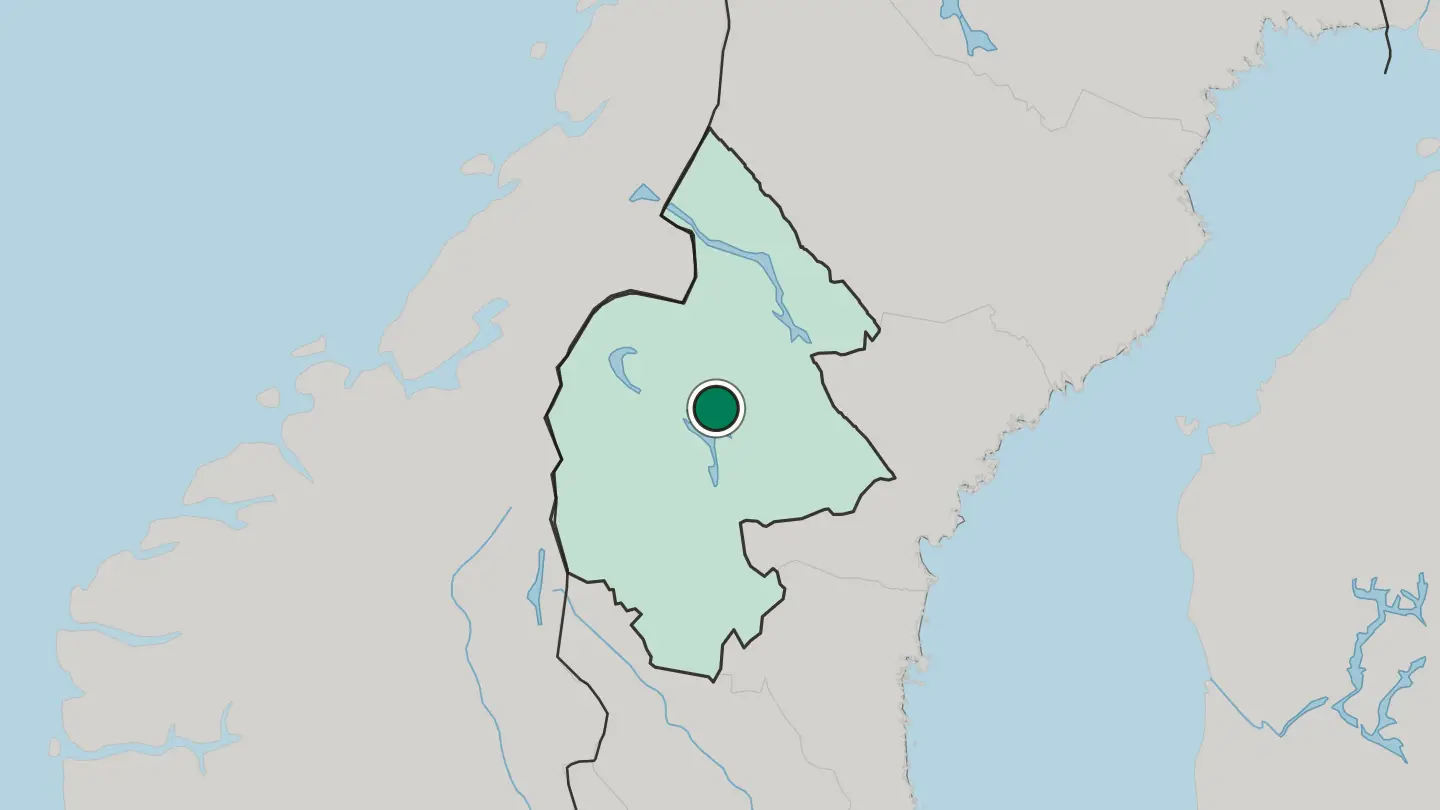
 Sweden
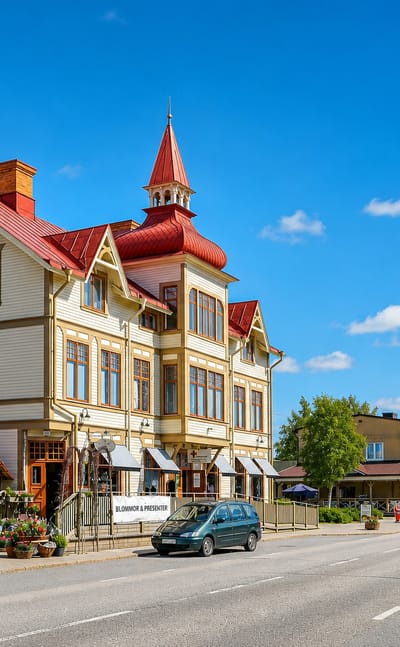
Bräcke
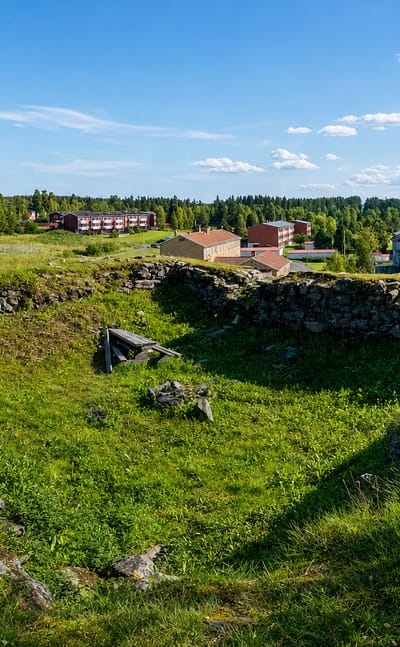
Bräcke is a railway town and the seat of Bräcke Municipality in south-eastern Jämtland County, among inland forests and lakes.Where to stay →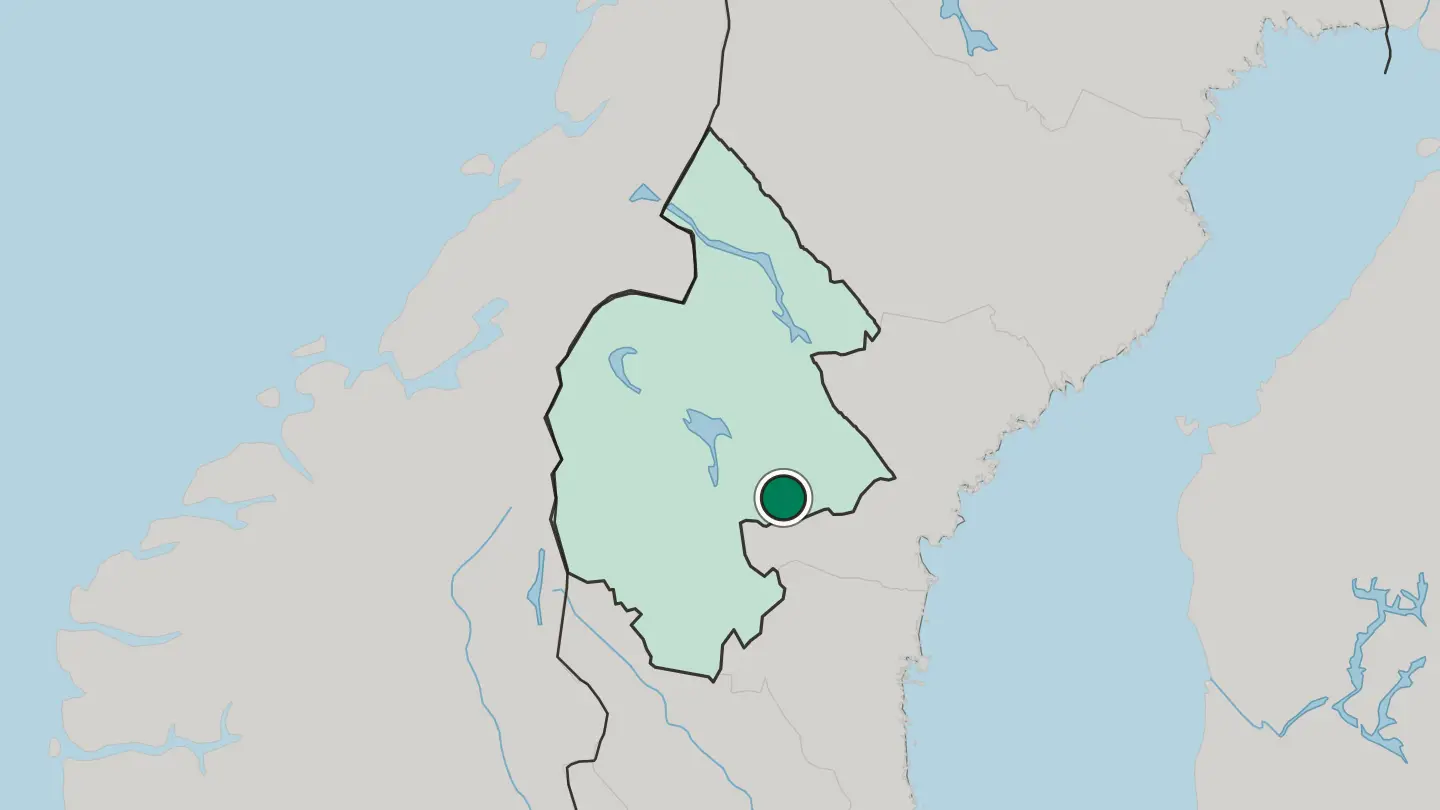
 Sweden
Järpen
Järpen is a town and the seat of Åre Municipality in north-western Jämtland County, set by a river below the western mountains.Where to stay →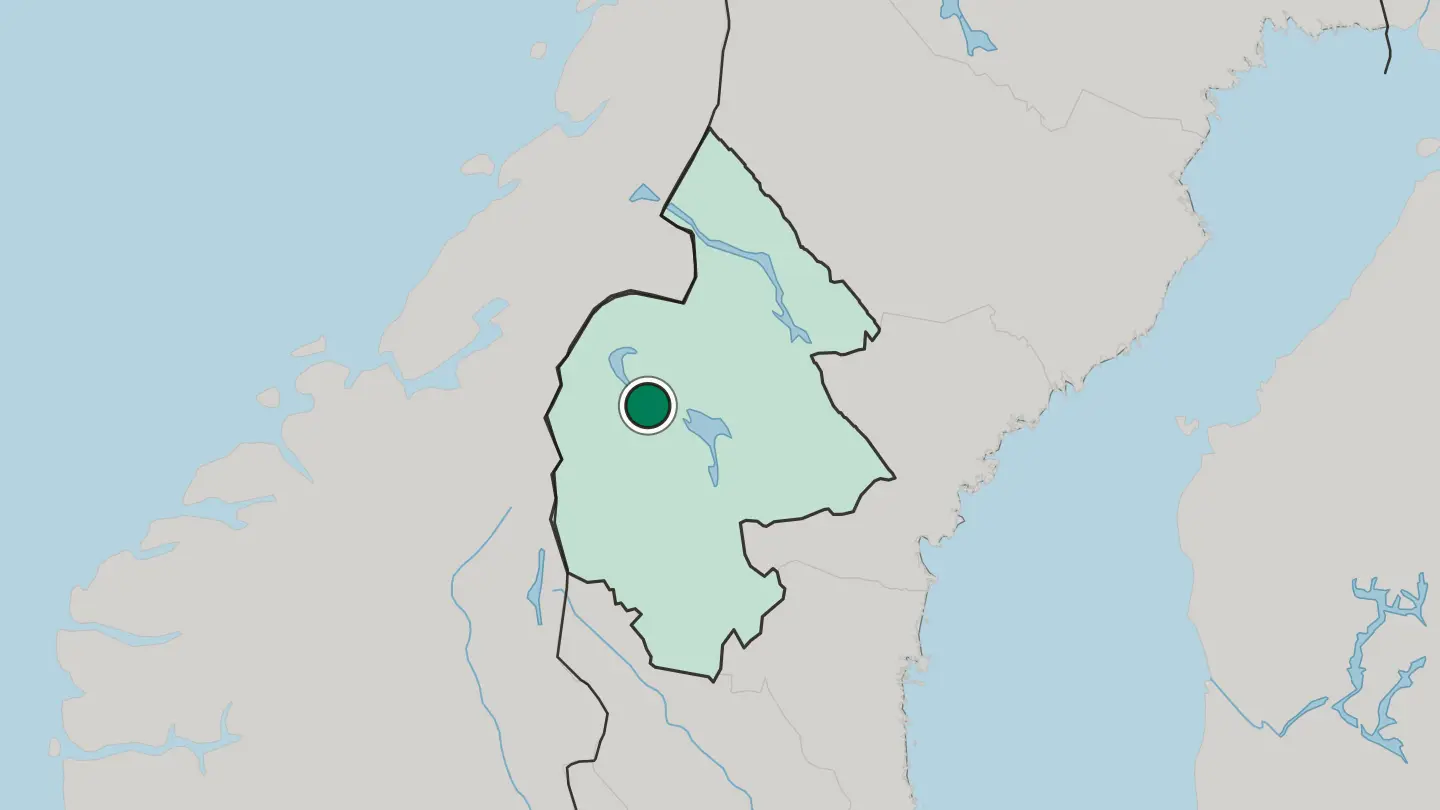
 Sweden
Hammarstrand
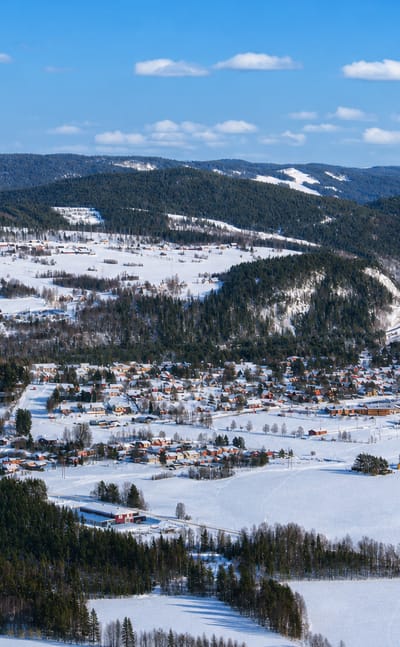
Hammarstrand is a town in eastern Jämtland County, the seat of Ragunda Municipality, set on the drained bed of a vanished lake.Where to stay →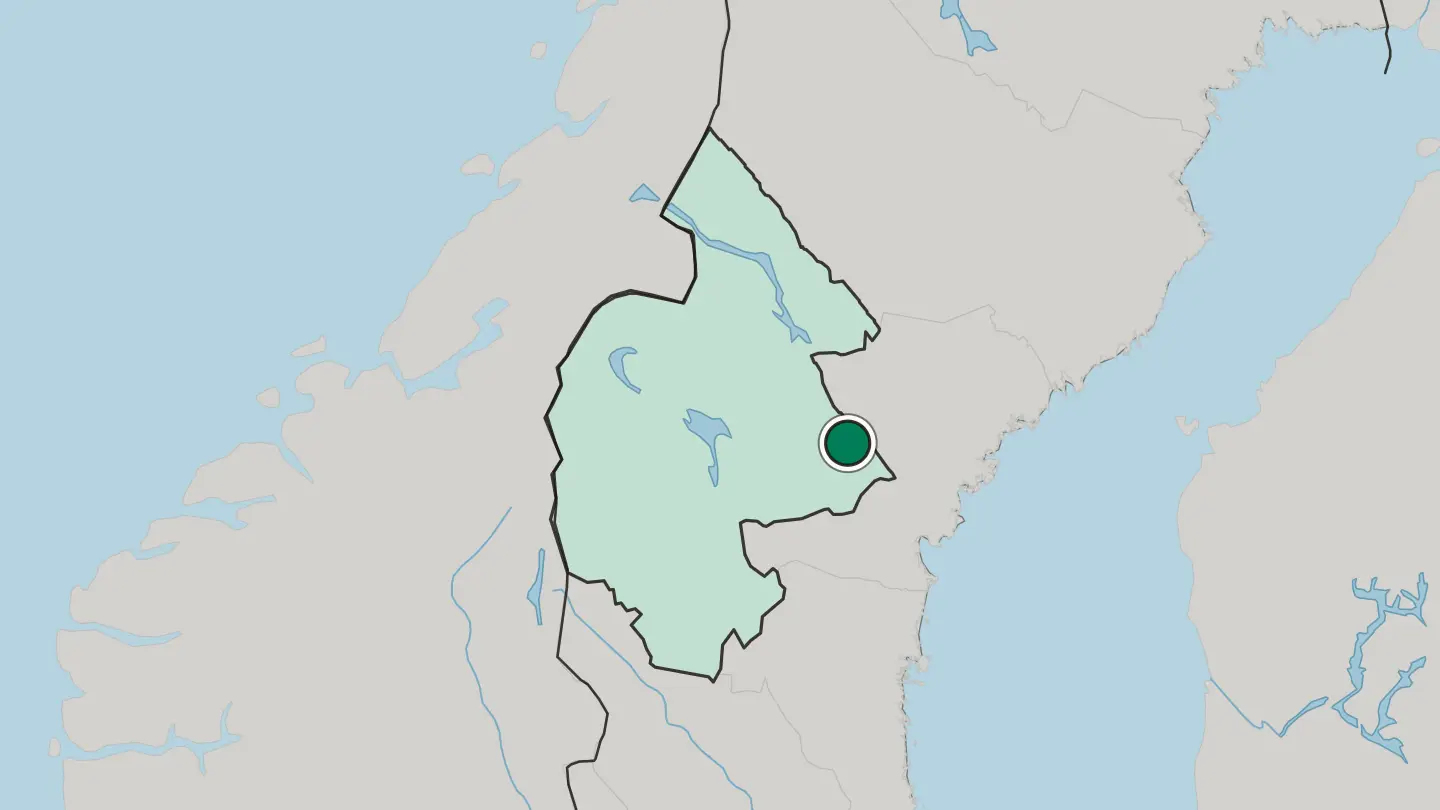
All towns & cities (10)
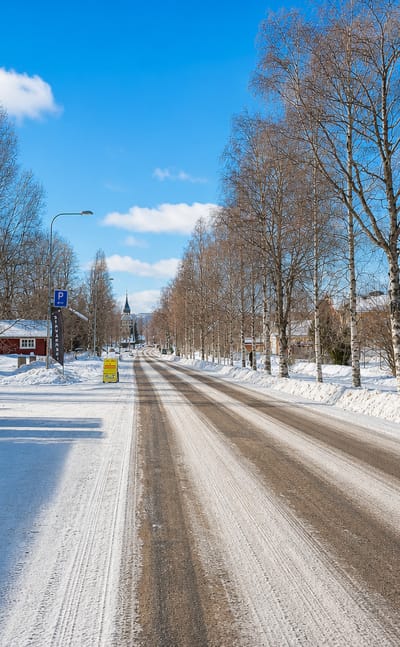 Sweden
Vemdalen
An octagonal wooden church from 1763 anchors Vemdalen, a fell village in Jämtland County with ski slopes at Vemdalsskalet and Björnrike.Where to stay →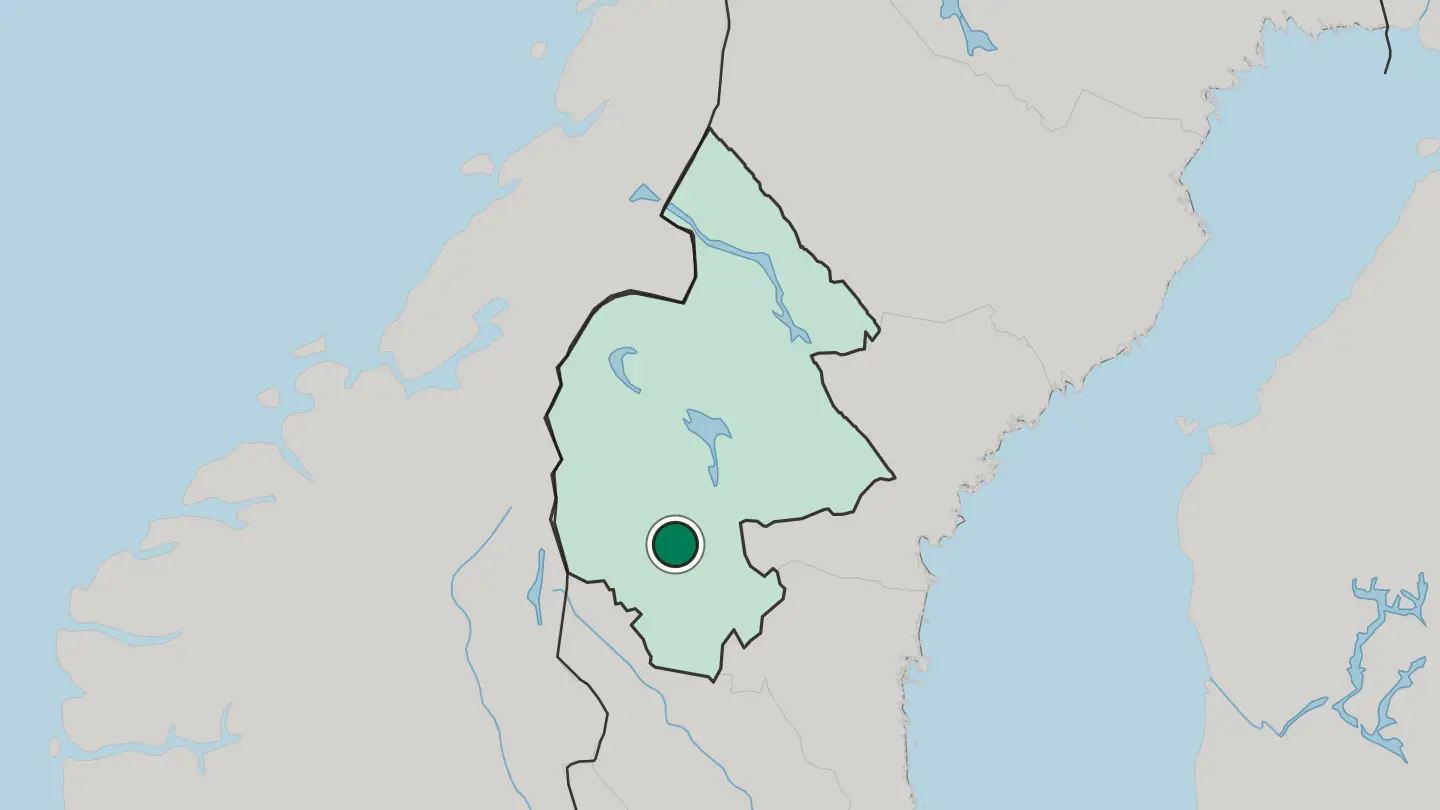 Sweden
Hoverberg
Hoverberg is the church village of Berg parish in southern Jämtland, on the slopes of the Hoverberget hill on a peninsula in lake Storsjön.Where to stay →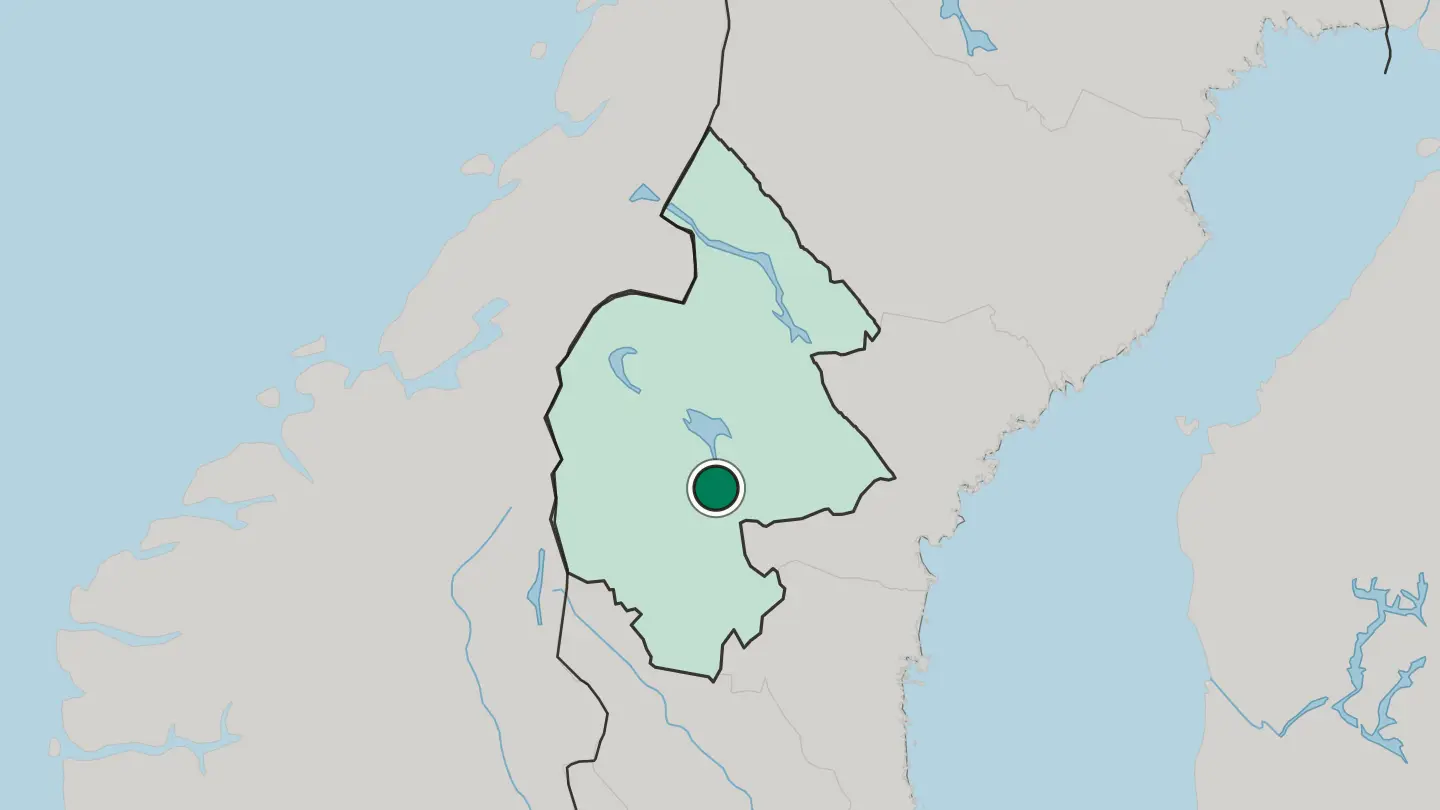
Hotel links are affiliate links: booking through them may earn us a commission, at no extra cost to you. It never affects how places are ranked. How this works
About Jämtland County
Mountains and snow define Jämtland.
What is Jämtland County known for?
The western fells hold Åre, the largest ski resort in the country, and a string of high reserves drawing skiers, hikers, and climbers through every season. Östersund sits on the shore of Storsjön, the great lake said to hide a famous monster. The county is also known for fell walking, dog sledding, and a strong tradition of local food. Wide open country and clean air shape its reputation.
Where is Jämtland County?
Jämtland is one of the largest counties in Sweden, yet one of the emptiest. Its western half rises into the Scandinavian Mountains, a wall of bare fells, glaciers, and high valleys that runs along the Norwegian border and feeds the rivers draining east. At the heart of the county lies Storsjön, the great lake, with the island of Frösön set in it and the capital on its eastern shore.
Eastward the land falls into endless forest, bog, and the broad river valleys that carry water toward the Gulf of Bothnia. The county joins two old provinces. Jämtland fills the centre and north around the great lake, while Härjedalen covers the southern fells.
Helagsfjället, the highest peak south of the Arctic Circle, rises in that southern range. To the north the county borders Västernorrland and Västerbotten; to the south, Dalarna and Gävleborg; and to the west, Norway across the mountains. Rivers, fells, and lake order the whole region.
Space is the first thing a traveller notices.
What is Jämtland County like?
Jämtland has a strong sense of itself. The province kept a half-independent past as a frontier between Sweden and Norway, and a regional pride still shows in its flag, its dialect, and its old assembly traditions. Sami culture runs through the western and northern fells, where reindeer herding remains a living way of life and the herding districts shape the high country.
Both heritages mark the food, the markets, and the festivals of the county. Östersund anchors the urban culture. The city holds a noted open-air museum, Jamtli, where old farms and timber buildings are kept and worked, and it carries a reputation as a centre for film and local food. The picture stone and runic heritage of Frösön ties the area to the Viking and early Christian age.
Outdoor life is itself a culture here. Skiing, fell walking, fishing, and the long winter define the rhythm of the year. Sami tradition, frontier history, and a deep love of the mountains together give Jämtland an identity unlike the lowland counties to the south.
What is the history of Jämtland County?
Jämtland was long a borderland. The province stood between Norway and Sweden through the Middle Ages and changed hands more than once before passing finally to Sweden under the Treaty of Brömsebro in 1645. The county in its modern form was set up in 1810. Östersund, founded as a market town in 1786, grew into the capital and the gathering point for trade across the great lake.
Farming, forestry, and later the railway and the mountain tourism trade shaped its later history.
What is the climate of Jämtland County?
Jämtland has a cold subarctic climate. Winters are long, dark, and reliably snowy, which is the foundation of the whole ski economy in the western fells. Heat lingers only briefly over the high fells.
Long northern daylight and cool, fresh air mark the warm weeks, when the lakes thaw and the high trails open for walkers. The mountains run colder and snowier than the lake basin around Östersund, and snow can linger on the highest fells well into summer. Spring comes late, with a hard thaw that swells the rivers.
How do you get to Jämtland County?
Östersund lies on the cross-country railway from Stockholm and Sundsvall, with through trains and a night service from the capital, and the line carries on west through Åre to the Norwegian coast at Trondheim. Åre Östersund Airport handles flights from Stockholm and serves the ski resorts in winter. Drivers reach the county on the E14 across the mountains. Buses and regional trains link the fell stations and the lake towns.
Rail and air both make practical approaches.
Common questions
What is the best area to stay in Jämtland County?
Östersund: first-time visitors and stays on Storsjön. Åre: skiers and walkers for Åre and Vemdalen. Fell stations: quiet alpine breaks.
Good for
More regions in Sweden
Updated September 2026