Sweden · Jämtland County
Where to Stay in Åre, Jämtland County
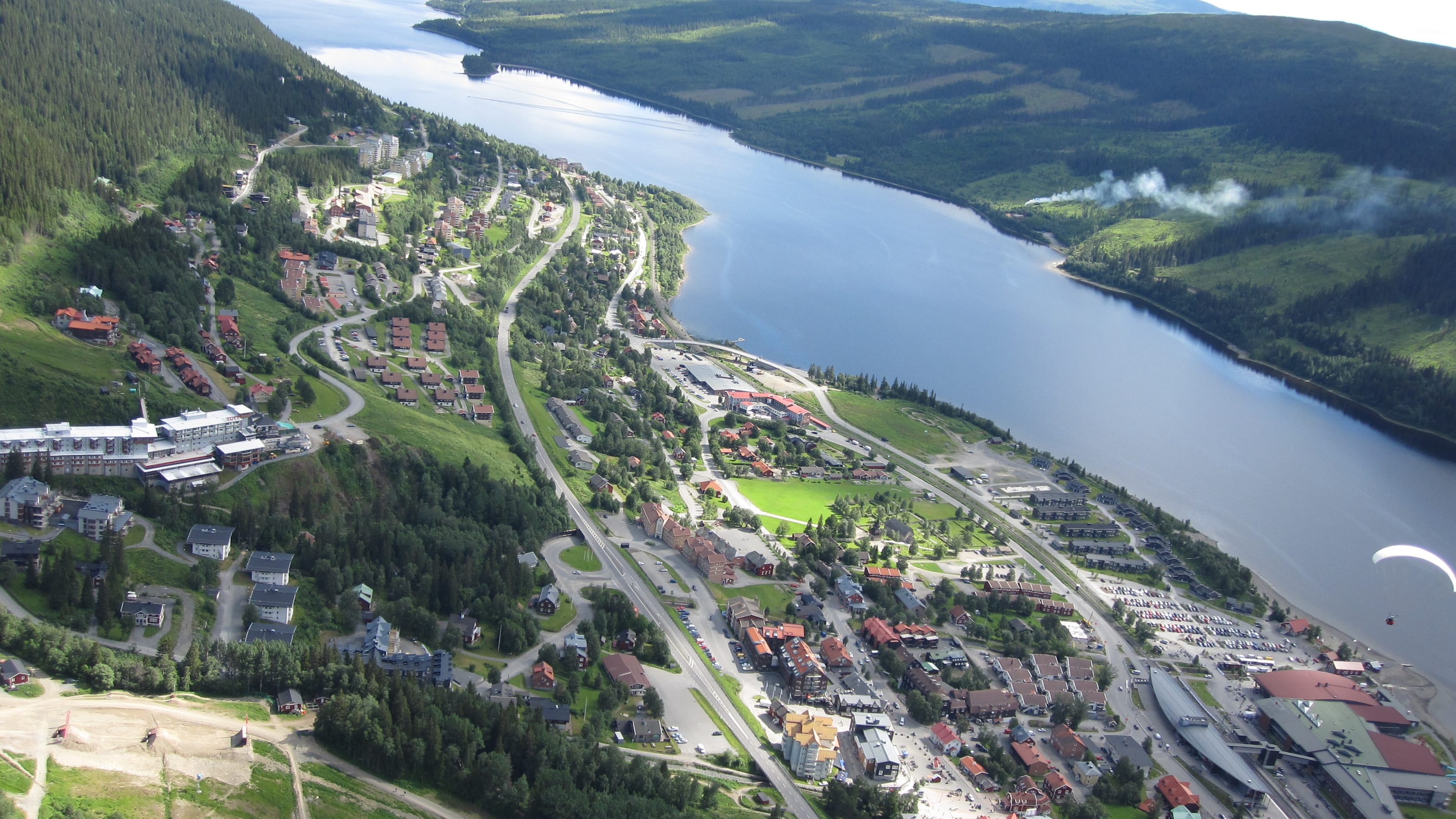
Lift cables climb Åreskutan above lake Åresjön at Åre, a mountain village in Jämtland County known for alpine skiing and its medieval stone church.
Hotel links are affiliate links: booking through them may earn us a commission, at no extra cost to you. It never affects how places are ranked. How this works


Where to stay in Åre
The practical side of choosing where to sleep.
Åre concentrates its beds around the village square, where hotels, lodges, and apartments stand within walking distance of the lifts up Åreskutan and the railway station by the lake. Book early for winter. Ski weeks fill the village from Christmas to Easter, and rooms near the square and the funicular of Åre Bergbana go first, so winter visitors plan far ahead.
The centre suits you if you want lifts, restaurants, and the evening crowd on your doorstep without needing a car. Families tend east to Åre Björnen, a hillside of cabins and apartments with gentler slopes where children can ski to the door. Duved sits west along the valley, a quieter village base near Duveds kyrka with its own lifts and the road out to the waterfall of Tännforsen.
Beds run scarce across the whole valley in the sport-holiday weeks of late winter. Summer asks less of the room. Hikers and mountain bikers spread between village hotels and lakeside cabins along Åresjön, and autumn brings walkers for the birch slopes of Åreskutan.
Find hotels in Åre
Direct booking searches for these neighbourhoods.
Åre village centre
hotels by the square within walking distance of the Åreskutan lifts and the railway station. Rooms are few around here — worth securing early.Find hotels in Åre village centrefamilies with young skiersÅre Björnen
cabin slopes east of the village where children ski to the doorFind hotels in Åre Björnenquieter ski weeksDuved
village base near Duveds kyrka with its own lifts and the road to TännforsenFind hotels in DuvedHotel links are affiliate links: booking through them may earn us a commission, at no extra cost to you. It never affects how places are ranked. How this works
About Åre
What is Åre known for?
Åre is known for alpine skiing on Åreskutan, the mountain that rises straight from the shore of lake Åresjön. Snow holds the slopes deep into spring. The village has hosted the Alpine World Ski Championships three times, in 1954, 2007, and 2019, and the funicular of Åre Bergbana has carried skiers up from the square since 1910.
Summer turns the same slopes over to hiking and mountain biking. West of the village, the waterfall of Tännforsen thunders through the forest.
What are the main landmarks in Åre?
Åre keeps its oldest landmark by the lake, the medieval stone church of Åre gamla kyrka, raised where pilgrims crossed the valley on the road to Nidaros. The funicular of Åre Bergbana has climbed from the village square since 1910. Higher on the mountain, the preserved copper workings of Fröå gruva recall two centuries of mining on Åreskutan.
Duveds kyrka serves the villages at the western end of the valley. Tännforsen falls hard beyond Duved.
What is the history of Åre?
Åre began as a parish by the lake, a row of farms under Åreskutan where a stone church rose in the medieval centuries to serve pilgrims walking west to Nidaros. Mining came later. From the seventeen hundreds the copper lodes of Fröå gruva drew workers onto the mountain, and ore carts rattled down to the valley until the workings finally closed.
Tourists followed the iron road. When the railway between Östersund and Trondheim opened in 1882, city visitors began arriving for the mountain air, and large hotels followed within a generation. The funicular of Åre Bergbana opened in 1910 to carry guests toward the summit.
Skiing remade the village. Åre hosted the Alpine World Ski Championships in 1954, again in 2007, and again in 2019, and the slopes cut on Åreskutan turned a farming parish into a winter sports village known far beyond Jämtland County.
Where is Åre?
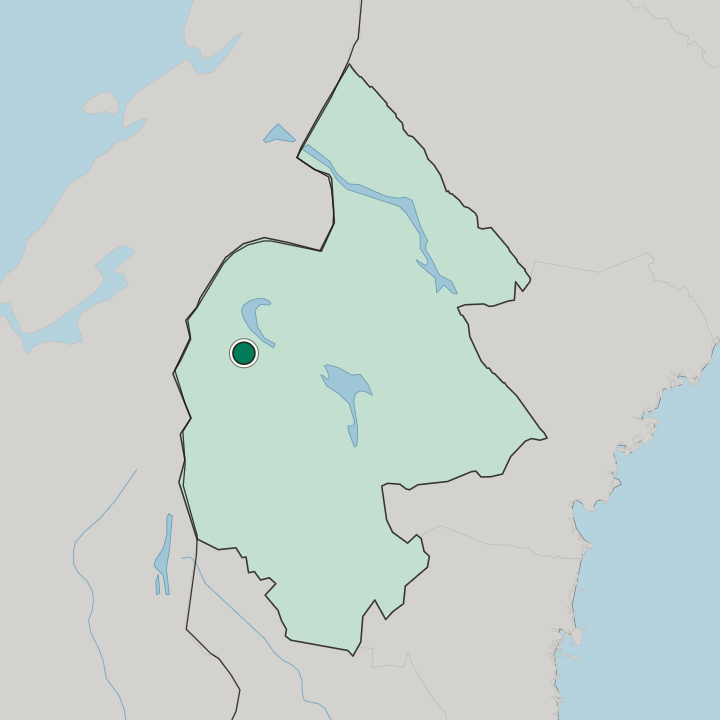
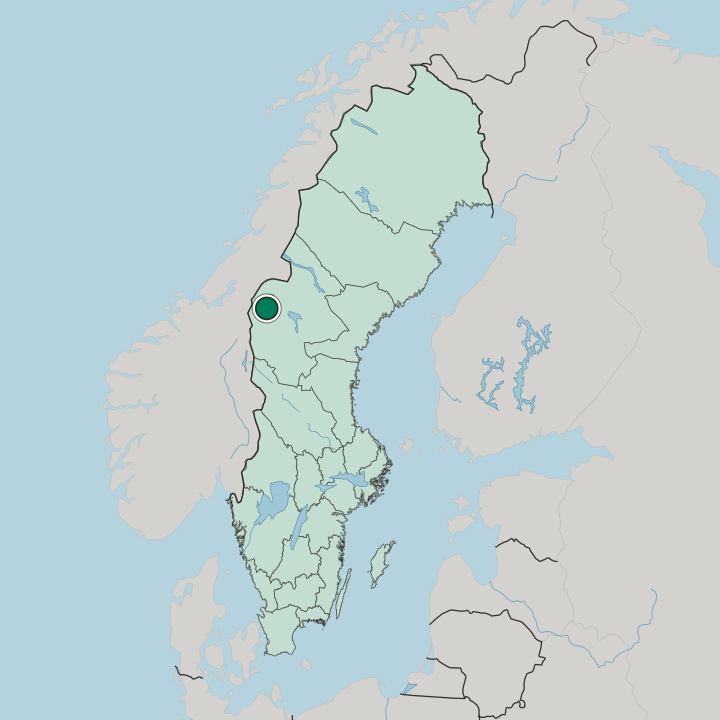
Åre lies in western Jämtland County, on the northern shore of lake Åresjön at the foot of Åreskutan, whose bare summit stands high over the birch and pine of the valley. Norway begins a short way west. The Indalsälven river system threads the valley floor, and mountains rise on every side toward the high fells along the border. Östersund, the county seat, lies east across the inland lake country.
What is the climate of Åre?
Winter rules the calendar in Åre. Snow settles on Åreskutan in the autumn and holds the upper slopes long after the valley greens, which is why the ski season stretches from late autumn into May on the high runs. The mountain makes its own weather.
Westerly storms off the Norwegian fells can close the summit lifts while the valley by Åresjön stays calm, and clear cold spells bring hard dry snow. Summers run short and fresh, with long daylight for the trails and sudden rain off the heights.
How do you get to Åre?
Trains reach Åre directly. The railway between Stockholm and Trondheim by way of Östersund stops in the middle of the village, a few minutes on foot from the lifts, and night trains from the south arrive in time for a morning on Åreskutan. Drivers follow the E14 road, which runs the length of the valley toward the Norwegian border.
Flights land at Åre Östersund Airport to the east. From there, buses and transfers cover the last stretch along the lakes in roughly an hour.
Common questions
What is the best area to stay in Åre?
Åre village centre: ski-in convenience and evenings out. Åre Björnen: families with young skiers. Duved: quieter ski weeks.
Good for
More cities in Jämtland County
Updated September 2026