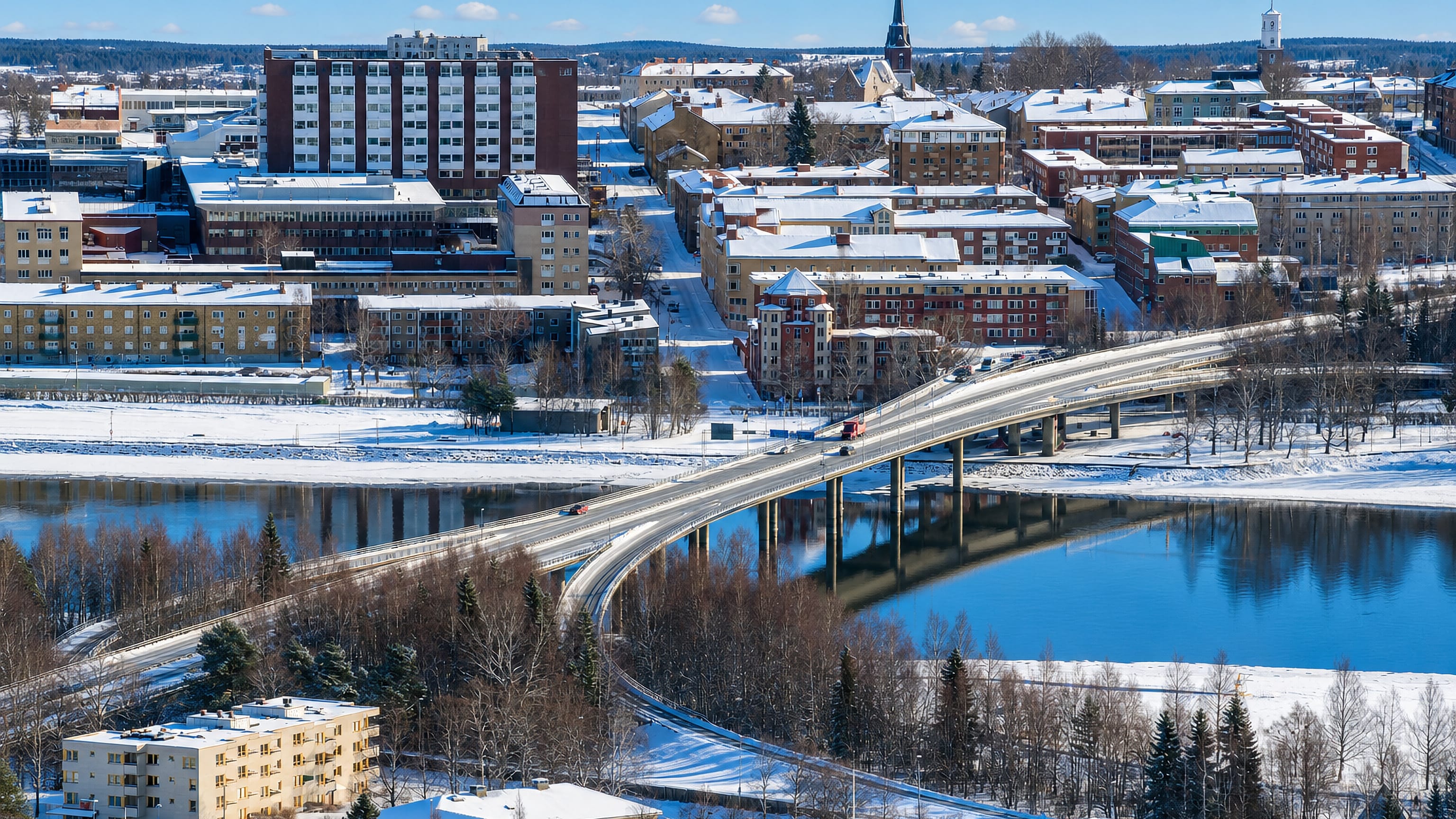
Sweden · Jämtland County
Where to Stay in Östersund, Jämtland County
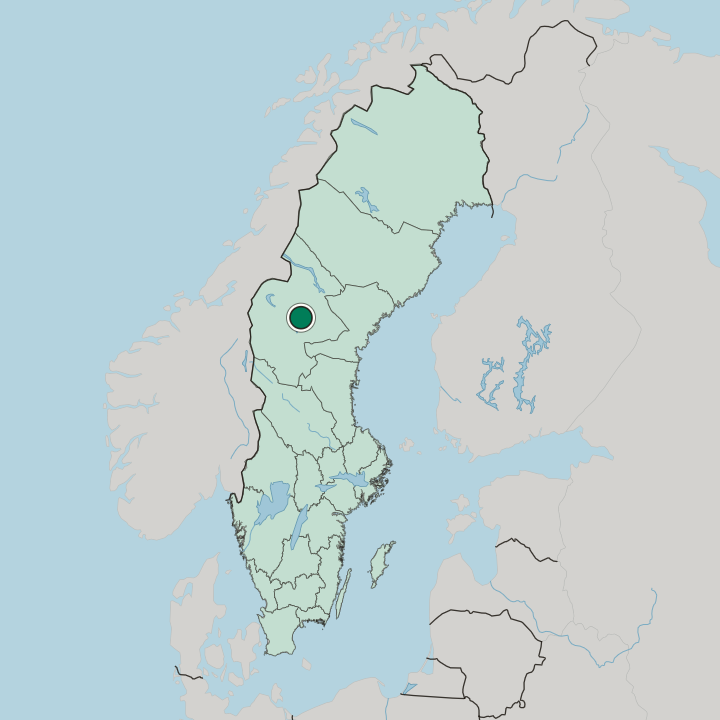
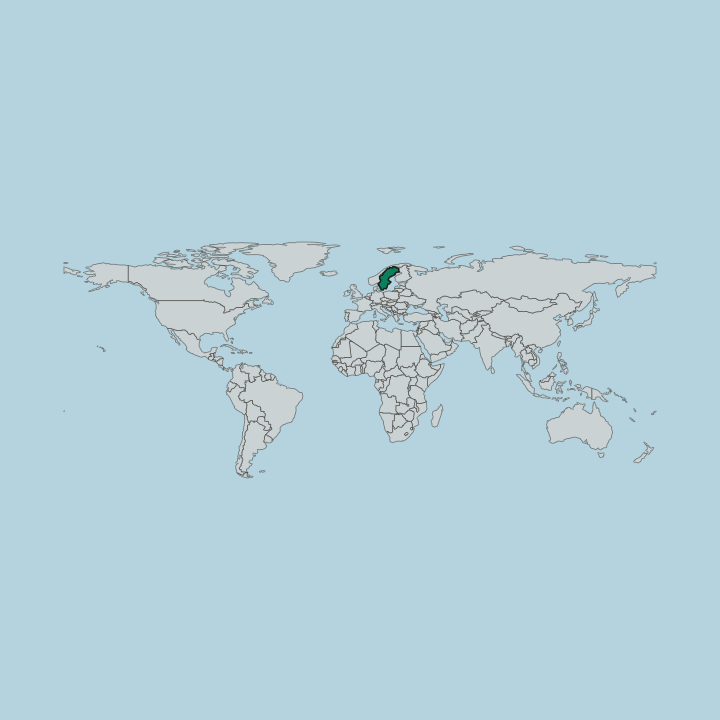
Östersund is the seat of Jämtland County in northern Sweden, the only city in the region, rising on the eastern shore of Storsjön.
Hotel links are affiliate links: booking through them may earn us a commission, at no extra cost to you. It never affects how places are ranked. How this works


Where to stay in Östersund
One neighbourhood here has its own guide — here's what it is best for.
 ÖstersundSweden
Odenslund
Odenslund sits in the central part of Östersund, a close-knit district that ties the city's churches and pools together.Where to stay →Hotel links are affiliate links: booking through them may earn us a commission, at no extra cost to you. It never affects how places are ranked. How this works
Find hotels in Östersund
Direct booking searches for these neighbourhoods.
City centre
square, shops and station within a short walkFind hotels in City centresummer visitorsLakeside harbour
lake views and quick access to the Frösön bridgeFind hotels in Lakeside harbourquieter, greener staysFrösön
gardens and viewpoints close to the airportFind hotels in FrösönHotel links are affiliate links: booking through them may earn us a commission, at no extra cost to you. It never affects how places are ranked. How this works
Things to do in Östersund
Ranked by global recognition; descriptions from Wikidata (CC0).
Museums & Galleries
3- Gaaltije Southern Sámi museum and cultural center
- Nationalmuseum Jamtli
- Lilla lanthandelsmuseet working life museum
Churches & Religious Sites
4- Great Church Heritage Church of Sweden churchchurch building
- Östersunds gamla kyrka Heritage
- Hornsbergskyrkan Heritage
- Marielundskyrkan Heritage
Stadiums & Sports
3- Storsjöbadet
- Hofvallen
- Lövsta Aktivitetscenter
worth knowingacross 3 categories in Östersund
About Östersund
What is Östersund known for?
Östersund is the winter-sports and outdoor capital of inland Sweden. The city looks out over Storsjön, the great lake whose legendary monster, the Storsjöodjuret, appears on the regional coat of arms and in local folklore. Across the bridge lies Frösön, a low green island woven into the city's life.
Jamtli keeps the region's history alive. Skiers and biathletes train here all winter.
What are the main landmarks in Östersund?
Jamtli is the city's signature draw, an open-air museum where historic farmsteads and a national collection of art and artefacts sit side by side. Stora kyrkan rises over the centre, and the older Östersunds gamla kyrka holds the memory of the town's first parish. Out on Frösön stand the famous Frösö runestone, the northernmost of its kind, and the small medieval Frösö kyrka with sweeping views over Storsjön.
Gaaltije tells the Sami story. The lakeside promenade ties it all together.
What is the history of Östersund?
Östersund was founded by royal charter in 1786, a deliberate creation of King Gustav III. The crown wanted a controlled market town to draw the scattered trade of Jämtland away from the old border routes toward Norway, and so Sweden's youngest of the historic cities was laid out on the lakeshore opposite the long-settled island of Frösön. Frösön came first.
Its runestone and church show that people had gathered around Storsjön for many centuries before the city existed. Growth came slowly, then quickly. The railway reached the lake in the late nineteenth century, and Östersund swelled into the unrivalled centre of an enormous inland county, gaining a garrison, schools, and the offices of regional government.
The military camps shaped whole districts of the town. Through it all the city kept its double identity, a planned market town on the water and the working capital of Jämtland's forests, farms, and fells.
Where is Östersund?
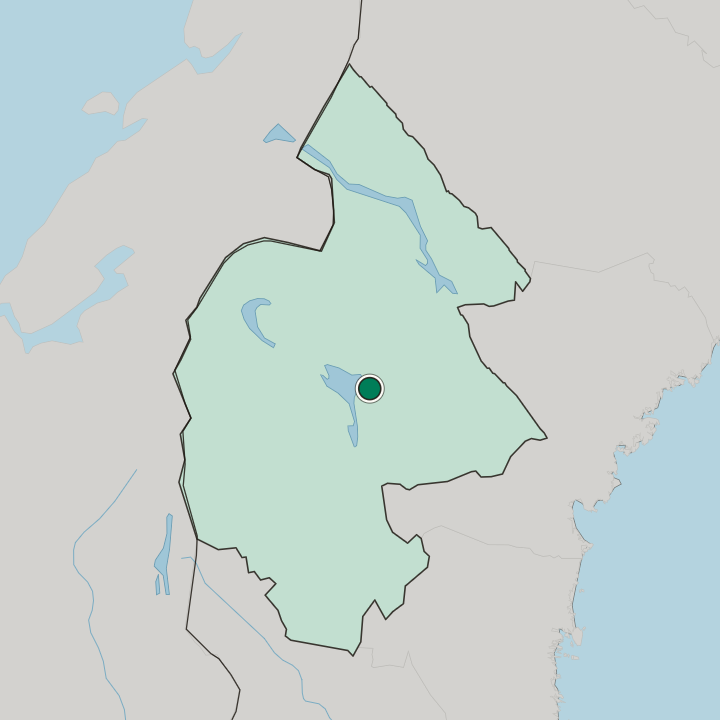
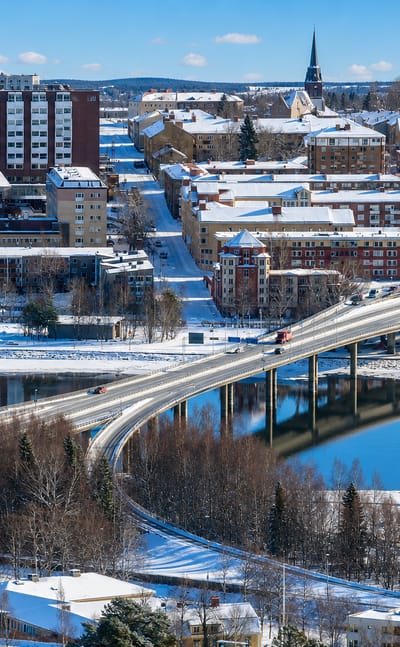
Östersund lies in the central part of Jämtland County, on the eastern shore of Storsjön in northern Sweden. The city climbs a gentle slope from the lakeside, facing the green island of Frösön across a narrow sound spanned by bridges. Beyond the water, forested hills and the distant blue line of the fells frame the horizon to the west.
Storsjön dominates the view. Lakes, forest, and mountain ridges fill the wide land around it.
What is the climate of Östersund?
Östersund has a subarctic climate, tempered a little by the broad expanse of Storsjön. Winters are long and cold, with reliable snow that makes the city a natural base for skiing and biathlon from autumn well into spring. Summers are brief but gentle by the lake.
Around midsummer the daylight stretches almost around the clock. Autumn comes early to the inland north, painting the surrounding forests gold before the lake begins its slow freeze.
How do you get to Östersund?
Östersund sits on the main rail line that crosses Sweden between Sundsvall on the Baltic coast and Trondheim in Norway, and night trains link it directly to Stockholm. Åre Östersund Airport, out on Frösön, carries flights to the capital and serves the ski resorts farther west in winter. Regional buses reach across the whole county from the centre. The E14 runs through town.
Roads climb on toward the fells.
Common questions
What is the best area to stay in Östersund?
City centre: first-timers. Lakeside harbour: summer visitors. Frösön: quieter, greener stays.
Good for
More cities in Jämtland County
Updated October 2026