Sweden · Kronoberg County
Where to Stay in Lessebo, Kronoberg County
Lessebo is a small mill town in eastern Kronoberg County, among the lakes and forests of the Småland glassworks country.
Hotel links are affiliate links: booking through them may earn us a commission, at no extra cost to you. It never affects how places are ranked. How this works


Where to stay in Lessebo
Where visitors usually base themselves, and why.
Most visitors stay near the centre, where a small hotel and a few guesthouses sit within an easy walk of the paper mill, the church, and the station that links the town to Växjö and the coast. The centre suits travellers touring the glassworks who want a quiet, central base and the mill close to hand. Beds in the town are few.
The surrounding forest and lakes hold cabins, farm stays, and campsites that open through the summer for those who come for the water, the woods, and the glass villages nearby. The wider district adds cottages for travellers with a car. Book ahead through the glass-country summer.
Rooms are limited year round, and the glass-country season pulls steady visitors through the warm months.
Find hotels in Lessebo
Direct booking searches for these neighbourhoods.
Town centre
paper mill, church and station within a short walk. Beds are limited here, so book early.Find hotels in Town centresummer visitorsForests and lakes
cabins and campsites in the woods toward Växjö. Lodging is scarce in this area; reserve in advance.Find hotels in Forests and lakesdriversWider district
cottages near the glass villages of the region. Beds are limited here, so book early.Find hotels in Wider districtHotel links are affiliate links: booking through them may earn us a commission, at no extra cost to you. It never affects how places are ranked. How this works
About Lessebo
Paper made Lessebo.
What is Lessebo known for?
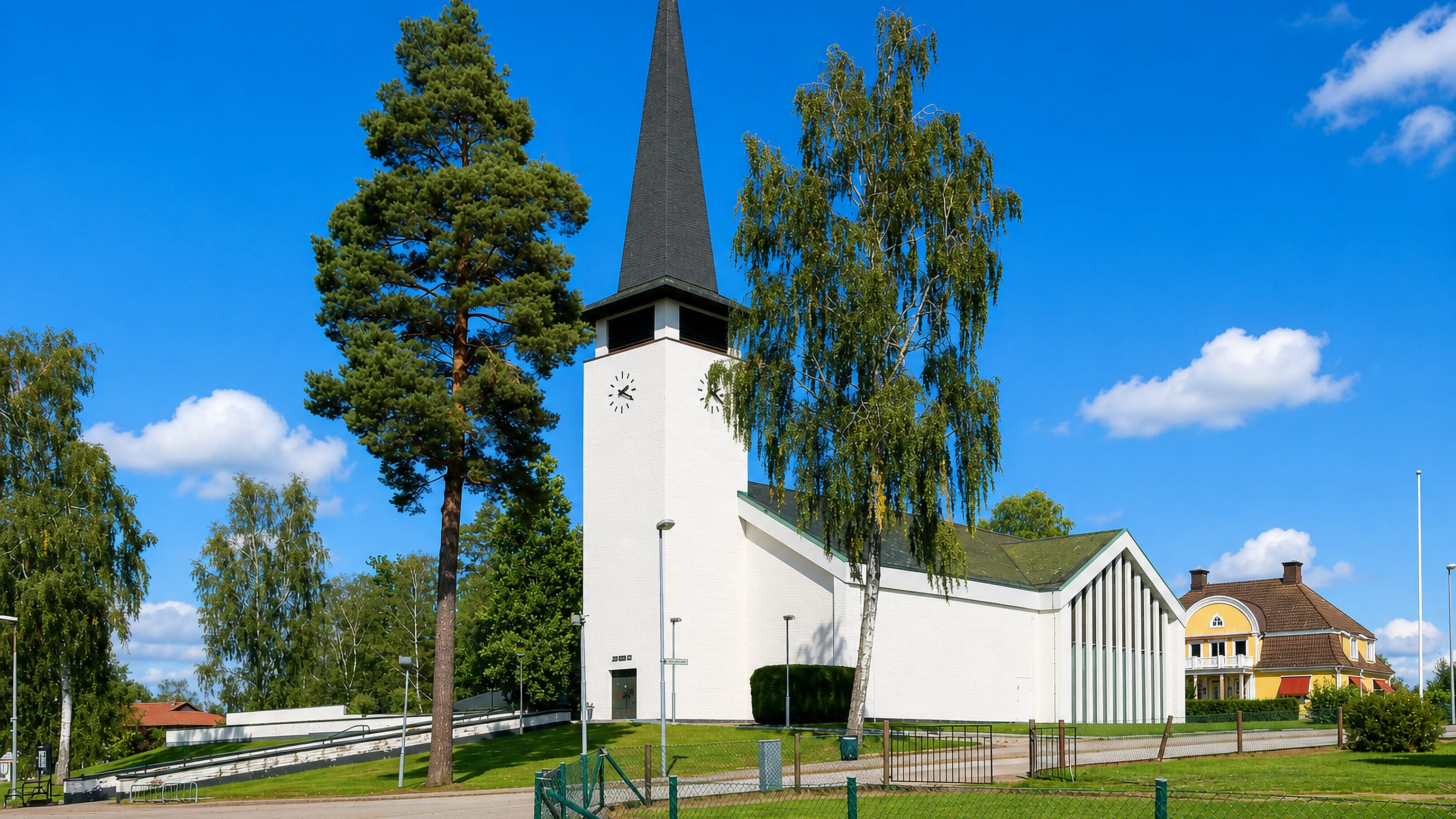
The town grew around a handmade paper mill, one of the oldest of its kind in the country, where rag paper is still crafted by traditional methods that draw visitors to watch the work. Lessebo also sits within the Kingdom of Crystal, the belt of forest glassworks that made this corner of Småland famous. Lessebo kyrka stands near the centre.
Mill, glass, and forest set the tone here.
What are the main landmarks in Lessebo?
The handmade paper mill is the town's defining landmark, a working survivor of an old craft where rag paper is still made and shown to visitors. Lessebo kyrka stands near the centre, a parish church serving the mill town and the country around it. The forest itself is part of the appeal.
Lakes, woods, and quiet roads spread across the district toward the glassworks of the surrounding region, giving walkers and cyclists room to roam among the trees and water well away from any crowd. Glass villages lie close by.
What is the history of Lessebo?
Lessebo is a mill town. The settlement grew around water power on the streams of the eastern Småland forest, where a paper mill was founded in the early modern period and rag paper has been made by hand ever since, one of the oldest such works in the country and the reason the town exists at all. Iron and glass works also took root in the wider forest, drawing on the timber, water, and ore of the region through the centuries.
The paper mill shaped the town's growth and its character. Houses, a church, and trade gathered around the works, and Lessebo kyrka came to serve the mill community and the scattered farms beyond it. The railway tied the town to Växjö and the coast, and Lessebo became the seat of its surrounding municipality.
Crafts endure here. The handmade paper and the nearby glassworks keep alive the old industries of the forest, while the woods and lakes still set the slow rhythm of life in this quiet inland district.
Where is Lessebo?
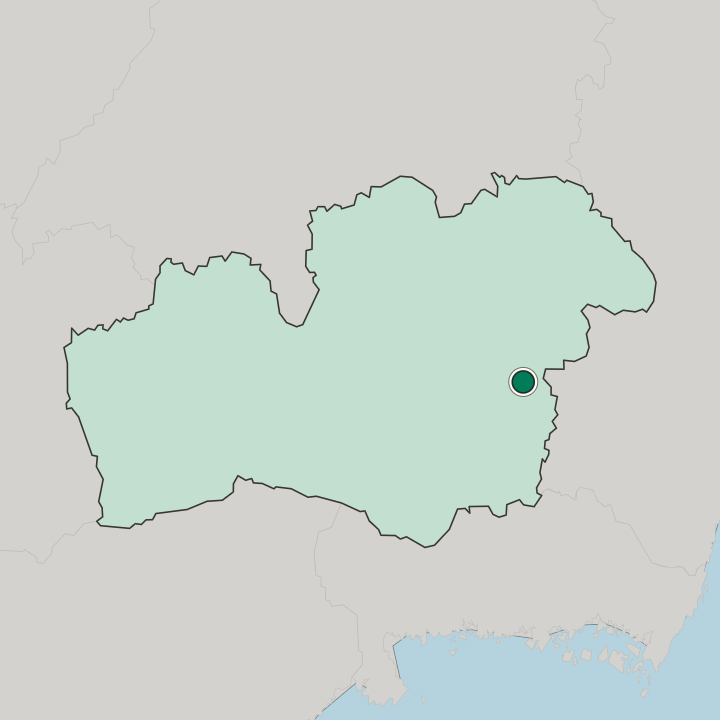
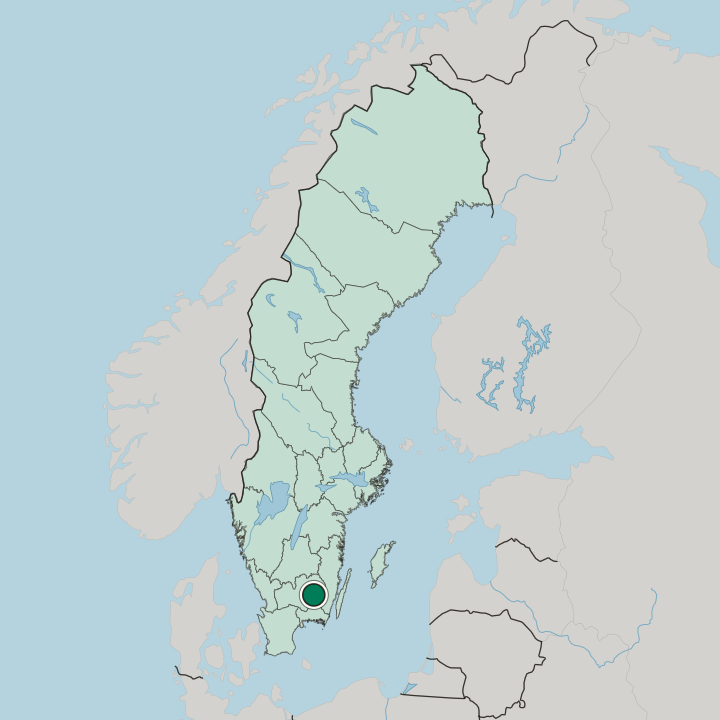
Lessebo lies in the eastern part of Kronoberg County, among the lakes and dense forest of eastern Småland between Växjö and the Kalmar coast. Woods, small lakes, and streams spread thickly around the town, which sits on gently rolling upland well inland from the sea. The land is forested and watered.
The railway and the regional roads thread through the trees, linking the town to Växjö, the glass villages nearby, and the wider region beyond the forest.
What is the climate of Lessebo?
Lessebo has a cool temperate climate with a strong inland character. Winters are cold and snowy, the deep forest and the distance from the sea giving the town colder and longer cold spells than the milder coast to the east. Summers turn mild and green in the forest.
Long northern daylight stretches the evenings late into the night around midsummer, the season that fills the cabins and the lakeshores through the warmest weeks of the year. Rain and snow fall across the seasons.
How do you get to Lessebo?
Lessebo sits on the Coast-to-Coast railway through eastern Småland, reached easily by train from Växjö to the west and Kalmar on the coast to the east. Trains call at the town. Drivers come on the regional roads that wind through the forest between the two cities.
The nearest airport lies near Växjö a short way off, so most visitors arrive by rail or car, and the route in passes through the wooded glass country that surrounds the town on every side.
Common questions
What is the best area to stay in Lessebo?
Town centre: glassworks tourers. Forests and lakes: summer visitors. Wider district: drivers.
Good for
More cities in Kronoberg County
Updated September 2026