Sweden · Kronoberg County
Where to Stay in Tingsryd, Kronoberg County
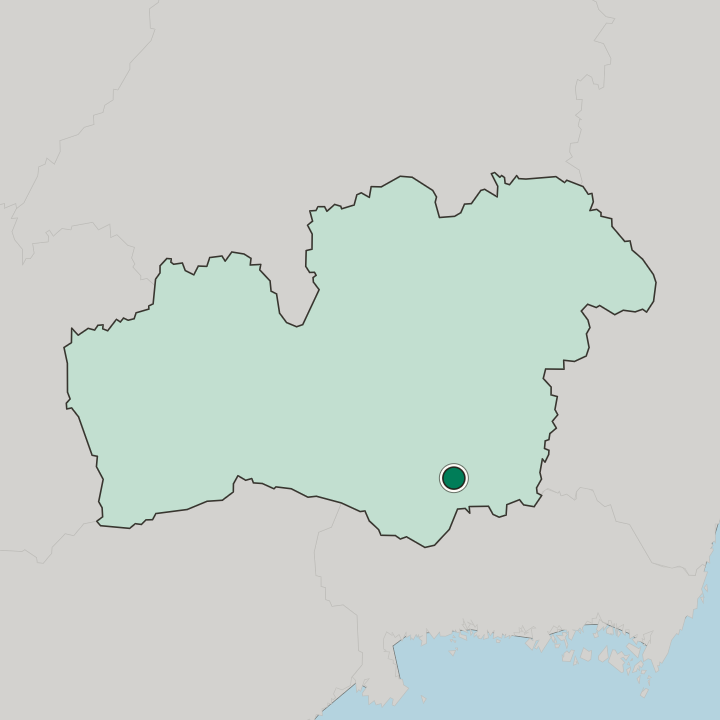
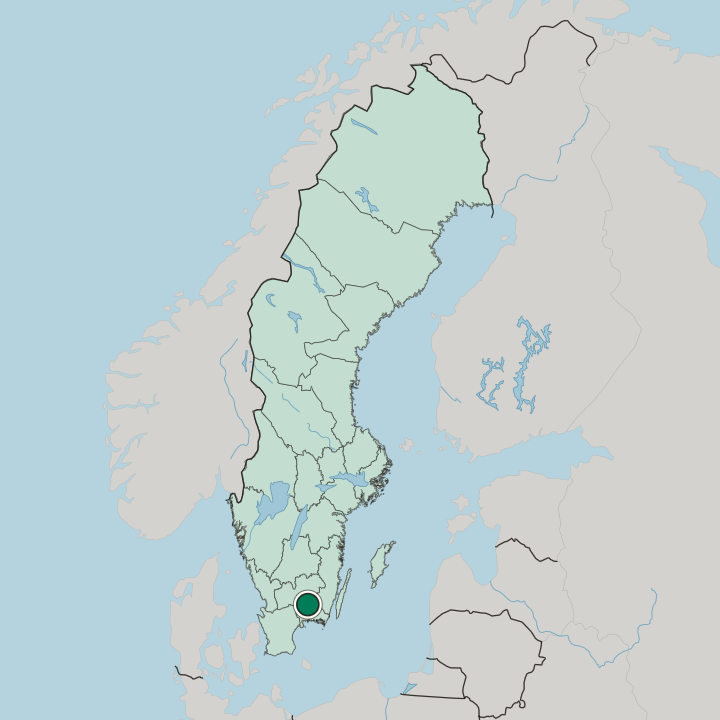
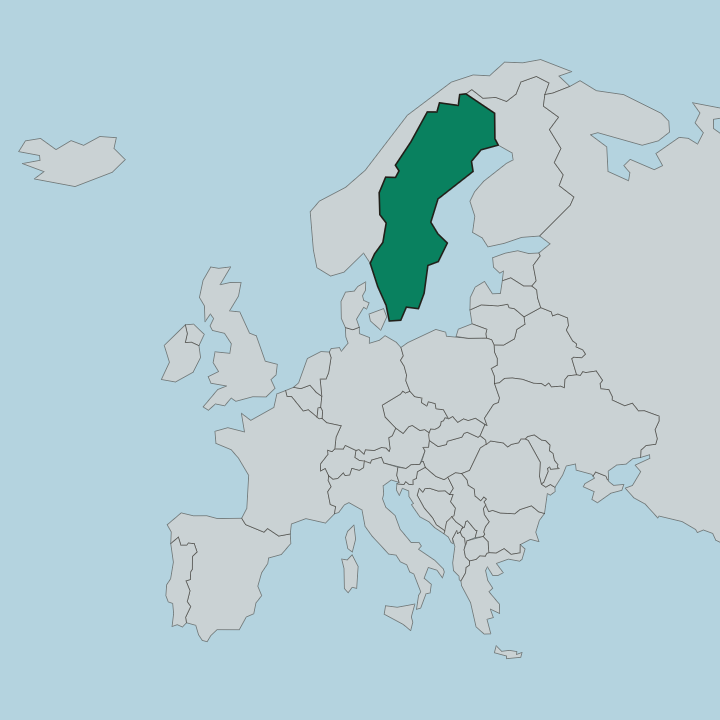
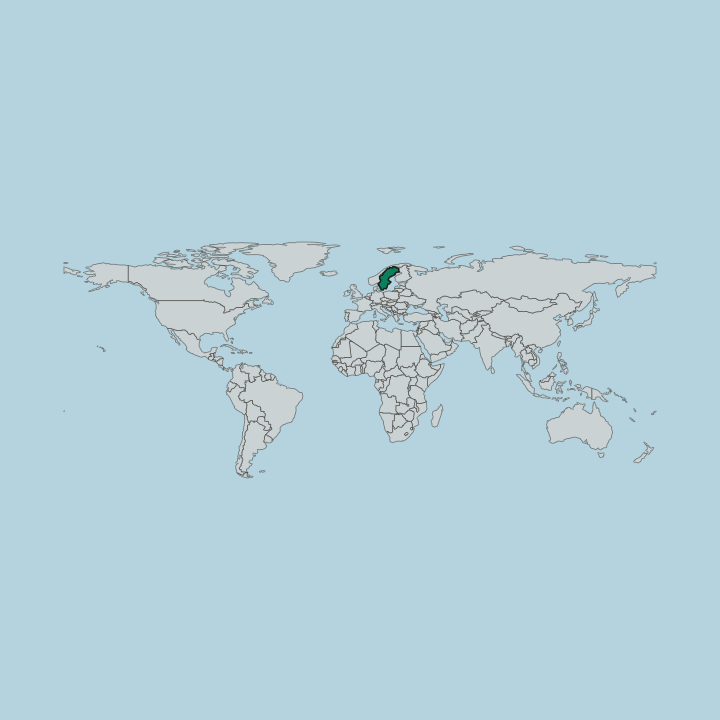
Tingsryd is a small town in the south-eastern part of Kronoberg County, in southern Sweden, set among the lakes and forests of the Småland uplands.
Hotel links are affiliate links: booking through them may earn us a commission, at no extra cost to you. It never affects how places are ranked. How this works


Where to stay in Tingsryd
The practical side of choosing where to sleep.
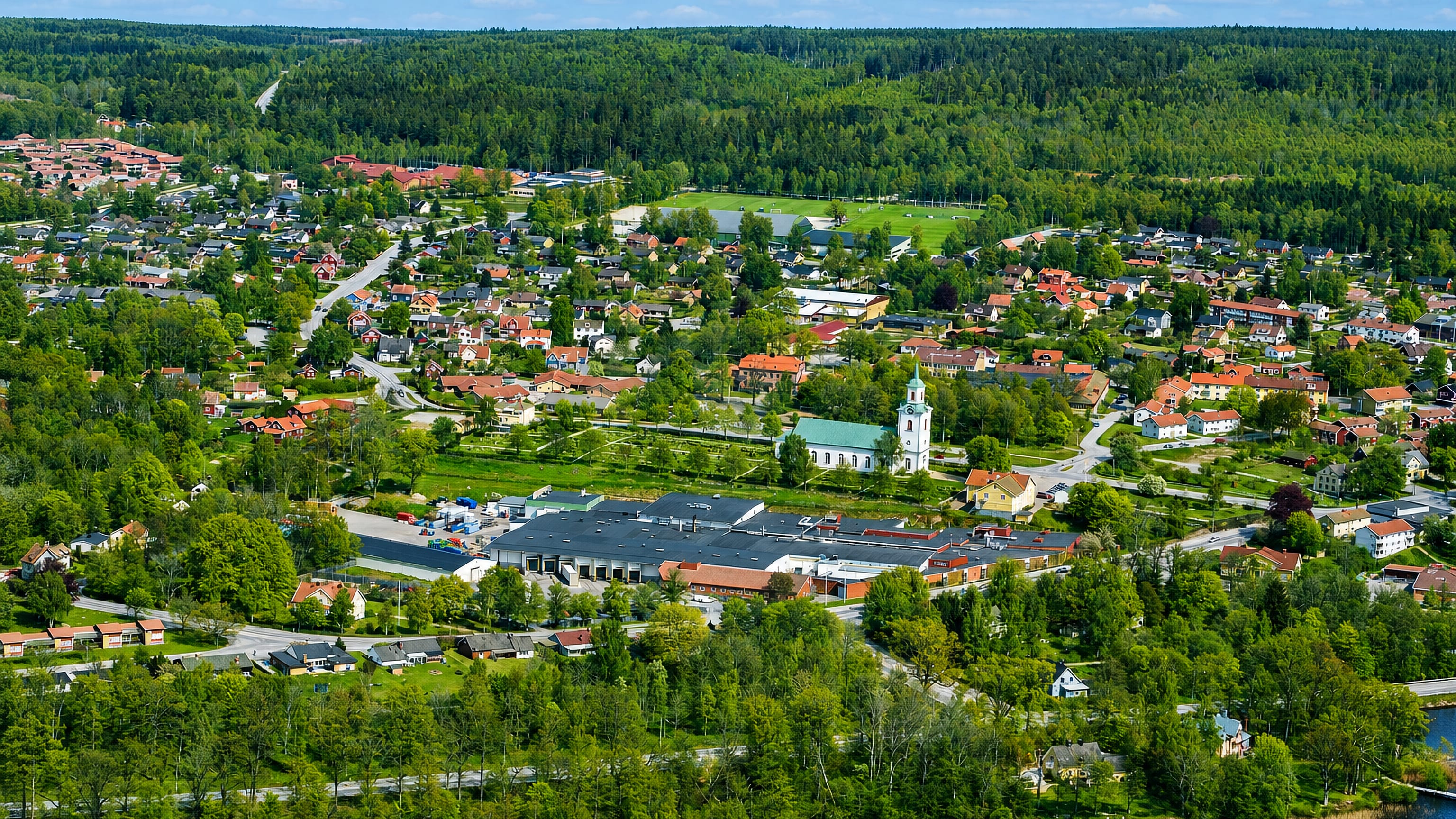
Most visitors stay in the centre of Tingsryd, where a hotel and small guesthouses sit within an easy walk of the church, the shops, and the arena. The centre suits those who want a bed close to the services and an easy reach of the lakes. It makes a calm base.
Out along the water and through the pine woods that surround the town, cabins, cottages, and farm stays give a quieter setting for travellers arriving by car and wanting forest and lake at the door. The lakes shape the choices around Tingsryd. Self-catering cabins by the shore draw families and anglers through the warm months, and the campsites by the water fill across the summer weeks.
Reserve ahead of the summer weeks. Beds are few in this small inland town, and the lakeside cottages go early in the high season to visitors who return each year for the fishing and the quiet.
Find hotels in Tingsryd
Direct booking searches for these neighbourhoods.
Town centre
church, shops and the arena within a short walkFind hotels in Town centrefamiliesLakeside
cabins and campsites along the water. Beds are limited here, so book early.Find hotels in LakesidedriversSurrounding forest
cottages and farm stays among the pine woods. Rooms are few around here — worth securing early.Find hotels in Surrounding forestHotel links are affiliate links: booking through them may earn us a commission, at no extra cost to you. It never affects how places are ranked. How this works
About Tingsryd
Tingsryd is known for its lakes and its ice hockey.
What is Tingsryd known for?
The town stands among the waters and woods of south-eastern Kronoberg, a quiet inland centre whose name carries the old meaning of a place of assembly and justice in the forest. Dackehallen draws the crowds. The local hockey club has long made the arena a focus of winter life, while in summer the surrounding lakes pull anglers, paddlers, and campers into the green country around the town.
What are the main landmarks in Tingsryd?
Tingsås kyrka stands at the heart of the town, the parish church that has served Tingsryd and its district through the centuries. Söderportkyrkan adds a second place of worship to the modern centre. The old stones endure too.
Kungastenarna, memorial stones rooted in the deep past of the parish, recall the assemblies and journeys of an age long before the town grew up, while Dackehallen, the hockey arena, marks the living heart of the community through the long northern winters.
What is the history of Tingsryd?
Tingsryd takes its name from the old law. The word marks a clearing where the district once gathered for its assembly and its courts, a place of justice in the forest reaching back into the medieval age, and the memorial stones of the parish point to settlement here long before the modern town took shape. Tingsås kyrka served the scattered farms of the forest through these early centuries.
The country around stayed thinly peopled and rural. The town grew with the railway and the roads. When the line reached the district in the nineteenth century, Tingsryd drew trade, services, and small industry to the junction among the lakes, growing from a parish village into the centre of its rural municipality.
Hockey gave it later fame. The arena and the church, the old stones and the lakeside cottages tie the modern community to the long history of this quiet corner of the Småland uplands.
Where is Tingsryd?
Tingsryd lies in the south-eastern part of Kronoberg County, set among the lakes and pine forests of the southern Småland uplands well inland from the Baltic coast to the east. Wooded ridges, farmland, and a scatter of lakes spread across the district, and the town stands on the shore of one of them. The land is green and low.
Small rivers and chains of lakes drain the country, and minor roads thread through the forest to link the town with its villages and the larger centres of the county.
What is the climate of Tingsryd?
Tingsryd has a cool temperate climate with a clear inland edge to it. Winters are cold and often snowy, the lakes and forests lying well away from the moderating reach of the sea that softens the coast far to the east of the town. The Kronoberg summer comes warm and wooded.
Long northern daylight draws the evenings out late around midsummer, the season that fills the lakeside cabins and the campsites through the warmest and busiest weeks of the year. Rain and snow reach the lake country across the seasons here.
How do you get to Tingsryd?
Tingsryd sits inland in south-eastern Kronoberg County, reached mostly by road through the forests and lakes of southern Småland. Regional roads link the town to Växjö to the north-west and to Karlskrona on the coast to the south-east, the routes that carry most of the traffic in. Buses run into the town centre.
The nearest airports and the main railway lines lie in the larger cities of the region, so most visitors arrive by car, and the drive in winds pleasantly through the wooded, lake-dotted country around the town.
Common questions
What is the best area to stay in Tingsryd?
Town centre: first-timers. Lakeside: families. Surrounding forest: drivers.
Good for
More cities in Kronoberg County
Updated September 2026