Sweden · Kronoberg County
Where to Stay in Ljungby, Kronoberg County
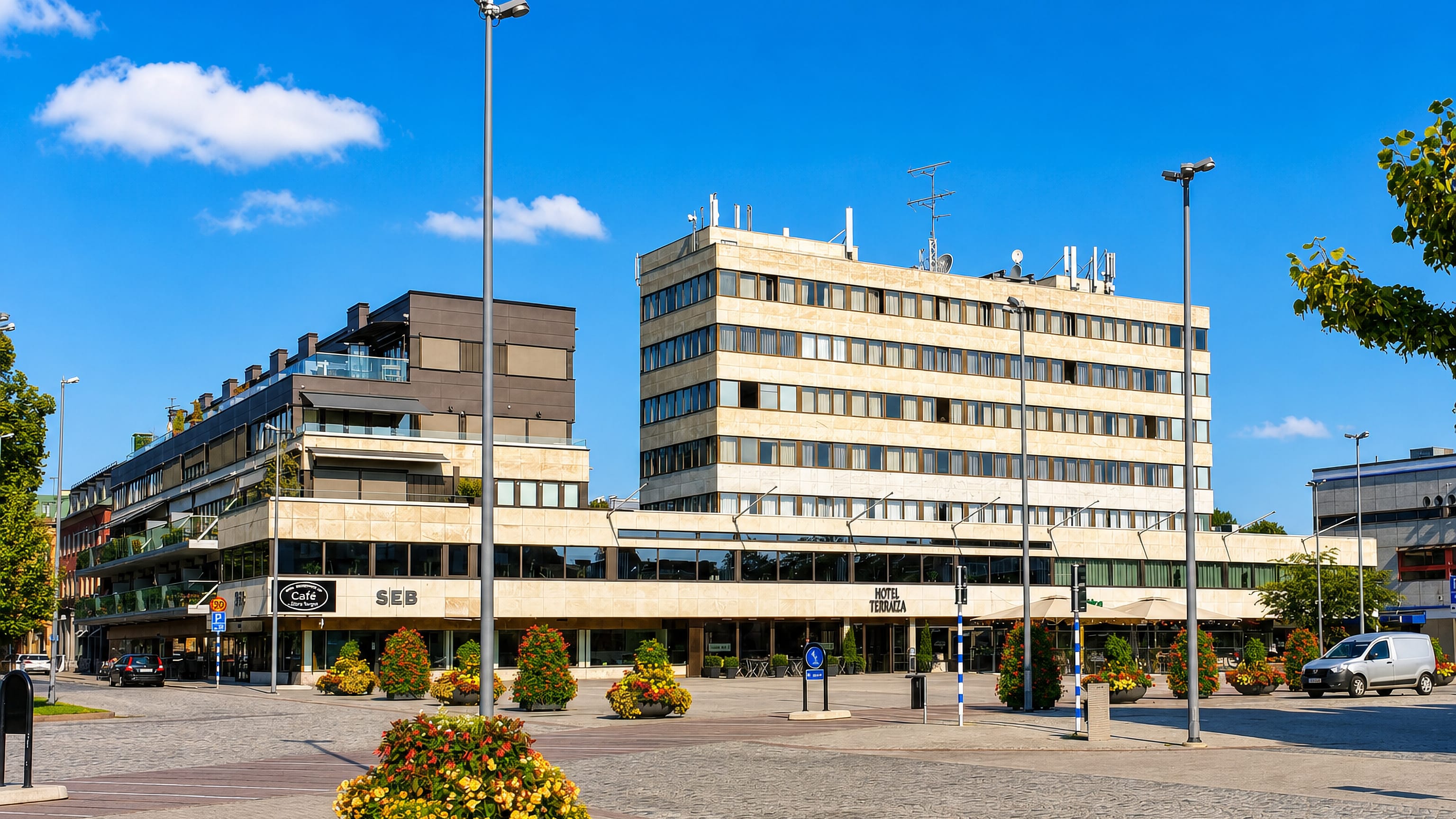
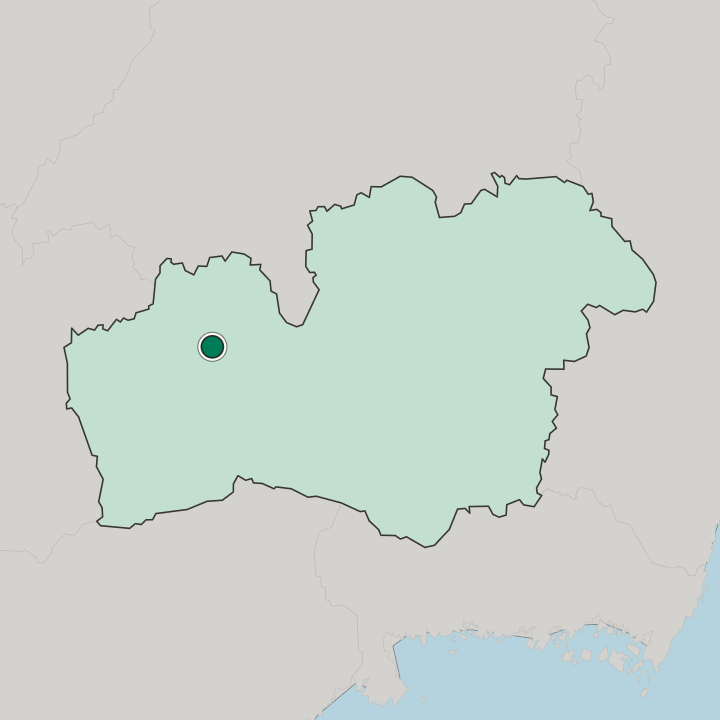
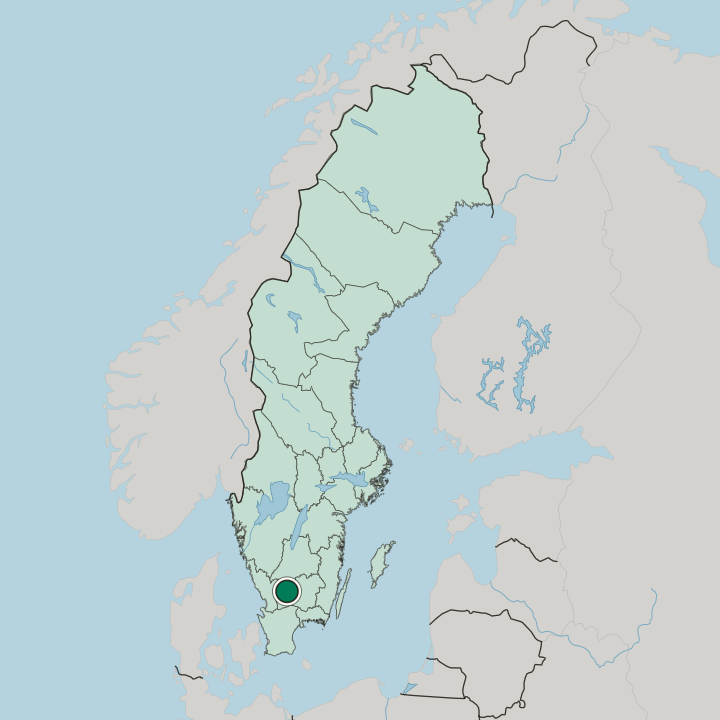
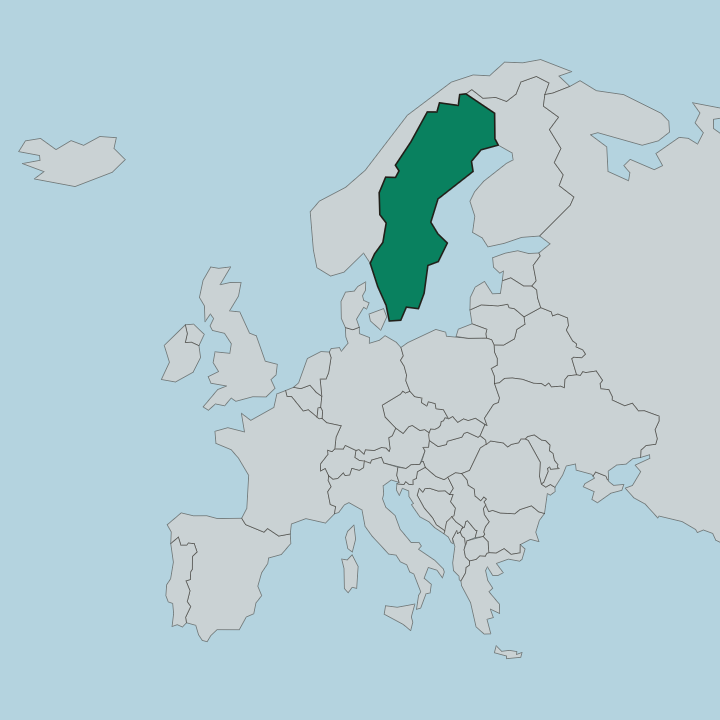
Ljungby is a town in the western part of Kronoberg County, in southern Sweden, set on the Lagan river among the forests and lakes of western Småland.
Hotel links are affiliate links: booking through them may earn us a commission, at no extra cost to you. It never affects how places are ranked. How this works


Where to stay in Ljungby
Where the beds are, and what that means for the visit.
Most visitors stay near the centre, where hotels and guesthouses sit within an easy walk of the river, the museums, and the shops along the main streets of the town. The centre suits travellers who want the Sagomuseet, the galleries, and the restaurants close to hand and a calm base for the area. It makes an easy stop off the motorway.
The surrounding forest and lakes hold cabins, farm stays, and campsites that open through the summer for families and lake fishers drawn to the water and the woods of western Småland. The wider district adds holiday cottages for those with a car. Plan ahead in summer.
Rooms by the lakes fill in the warm weeks, while the town keeps a steady supply through the year as a motorway stop.
Find hotels in Ljungby
Direct booking searches for these neighbourhoods.
Town centre
river, museums and shops within a short walkFind hotels in Town centrefamilies and lake fishers on the BolmenForests and lakes
cabins and campsites among the woods and water. Beds are limited here, so book early.Find hotels in Forests and lakesdriversWider district
holiday cottages across the rural region. Few places to stay nearby — book ahead.Find hotels in Wider districtHotel links are affiliate links: booking through them may earn us a commission, at no extra cost to you. It never affects how places are ranked. How this works
Things to do in Ljungby
Ranked by global recognition; descriptions from Wikidata (CC0).
Museums & Galleries
4- Ljungbergmuseet Kronoberg county museum of visual art
- The Museum of Legends folklore museum
- Svenska Fyrverkerimuseet
- Begravningsmuseet i Ljungby working life museum
Churches & Religious Sites
3- Ljungby church Heritage
- Annelundskyrkan Heritage
- Mariakyrkan
worth knowingacross 2 categories in Ljungby
About Ljungby
What is Ljungby known for?
Folktales made Ljungby's name. The district is rich in old legends and folklore, and the Sagomuseet tells these stories of trolls and forest spirits to visitors young and old. The town keeps other draws too, among them the Ljungbergmuseet for art and a museum of fireworks unusual in the country.
Ljungby kyrka stands near the centre. River, forest, and story shape the place.
What are the main landmarks in Ljungby?
The Sagomuseet, devoted to the folktales and legends of the district, is the town's most distinctive landmark and a draw for families. The Ljungbergmuseet shows art near the river, while the Svenska Fyrverkerimuseet gathers the history of fireworks in a collection rare in the country. Several churches mark the town.
Ljungby kyrka, Mariakyrkan, and Annelundskyrkan serve different parts of the place, and the parish roots reach back well before the modern town grew along the Lagan and the roads that cross here.
What is the history of Ljungby?
Ljungby grew where the roads crossed the Lagan. The old parish around Ljungby kyrka long served the farms and forest of western Småland, a quiet district laced with the legends and folktales that later gave the town its fame, and trade gathered at the river crossing where routes through the woods came together. For centuries the place stayed small, a market and church centre among the lakes and timber of the inland country.
Road and rail later spurred the town's growth. Ljungby widened as a centre of trade and small industry on the routes through western Småland, and it became the seat of its surrounding municipality with schools, offices, and works. Museums gave it a fresh draw.
The Sagomuseet, the Ljungbergmuseet, and the museum of fireworks now bring visitors to a town that once lived by its river crossing, while the forests, lakes, and old stories of the district still shape its character.
Where is Ljungby?
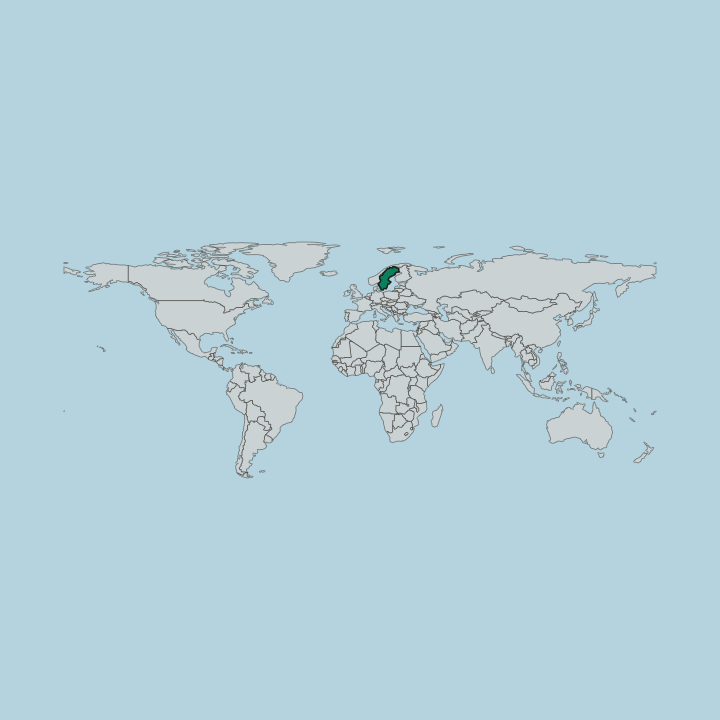
Ljungby lies in the western part of Kronoberg County, on the Lagan river among the forests and lakes of western Småland. Woods, farmland, and waters spread around the town, which sits on gently rolling upland well inland from any coast and close to the large lake of Bolmen to the north-west. The land is forested and watered.
The E4 motorway and regional roads thread through the district, linking the town to the southern cities, Bolmen, and the scattered villages of the surrounding country.
What is the climate of Ljungby?
Ljungby has a cool temperate climate with a clear inland character. Winters are cold and often snowy, the town lying among the forests and lakes well away from the moderating reach of the sea on either coast. Summers stay mild and turn the forests and lakes green.
Long northern daylight draws the evenings out late into the night around midsummer, the season that fills the lakes, the cabins, and the river country through the warmest weeks of the year. Rain and snow fall across the seasons.
How do you get to Ljungby?
Ljungby sits on the E4 motorway through western Småland, one of the easiest inland towns in the region to reach by road from the south and the north. Buses serve the town. Drivers come up and down the E4 between Helsingborg and the cities to the north, or on regional roads from Växjö and the surrounding district.
The town has no railway of its own, so most visitors arrive by car or coach, and the nearest airports lie a drive away near the region's larger cities.
Common questions
What is the best area to stay in Ljungby?
Town centre: first-timers. Forests and lakes: families and lake fishers on the Bolmen. Wider district: drivers.
Good for
More cities in Kronoberg County
Updated October 2026