Sweden · Kronoberg County
Where to Stay in Växjö, Kronoberg County
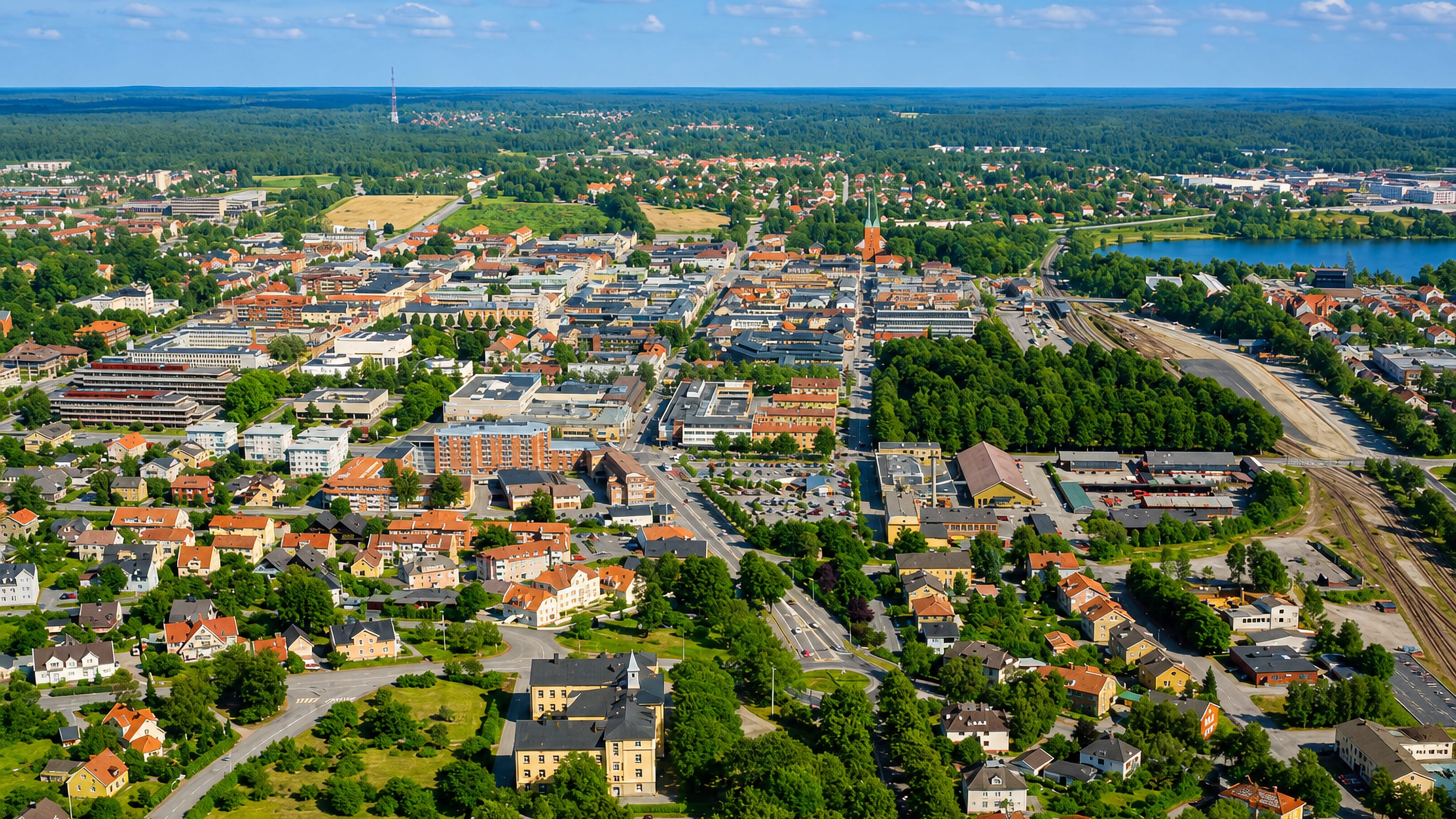
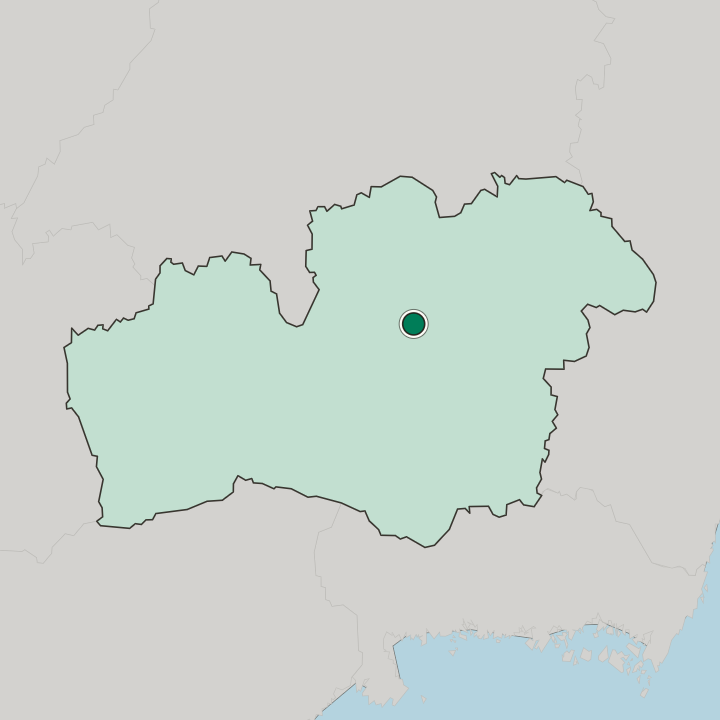
Växjö is a city in the north-eastern part of Kronoberg County and its administrative seat, the largest centre of the Småland uplands in southern Sweden.
Hotel links are affiliate links: booking through them may earn us a commission, at no extra cost to you. It never affects how places are ranked. How this works


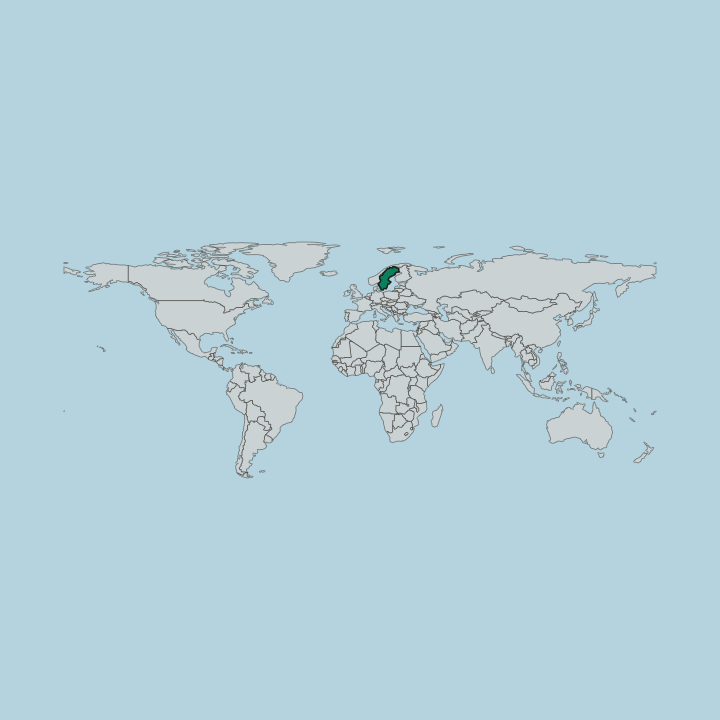
Where to stay in Växjö
Where the beds are, and what that means for the visit.
Most visitors stay in the city centre, where hotels cluster around the cathedral, the station, and the lakeside park, within an easy walk of the museums, the restaurants, and the shops. The centre suits first-time visitors and those arriving by train who want everything close to hand. For most, that central footing is the natural choice.
Near the campus on the edge of the city, simpler hotels and student-area lodging serve those visiting Linnaeus University and the arenas, with the lake and its trails a short way off. The lakeshore and the country beyond hold quieter beds. By the water and out among the woods and lakes of the surrounding district, cottages, cabins, and lakeside hotels give a calmer setting for travellers with a car.
Book ahead for events. Beds fill fast around the city's matches, conferences, and the busy summer weeks, so the central hotels are best reserved early when something large is on.
Find hotels in Växjö
Direct booking searches for these neighbourhoods.
City centre
cathedral, station and museums within a short walkFind hotels in City centreevent-goersUniversity and arenas
lodging near the campus, the lake and the arenasFind hotels in University and arenasdriversLakeshore and countryside
lakeside hotels and cottages in quiet country. Beds are limited here, so book early.Find hotels in Lakeshore and countrysideHotel links are affiliate links: booking through them may earn us a commission, at no extra cost to you. It never affects how places are ranked. How this works
Things to do in Växjö
Ranked by global recognition; descriptions from Wikidata (CC0).
Museums & Galleries
3- Smålands museum Heritage
- House of Emigrants working life museum
- Psykiatrihistoriska museet
Churches & Religious Sites
4- Mariakyrkan Heritage
- Skogslyckans kyrka Heritage
- Högstorp Church Heritage
- Johannesgården Heritage
Stadiums & Sports
5- Vida Arena
- Fortnox Arena
- Strandbjörkshallen
- Åbo IP Swedish sports venue
- Växjö simhall swimming center
worth knowingacross 3 categories in Växjö
About Växjö
Växjö is the capital of glass country.
What is Växjö known for?
The city sits at the heart of the Glasriket region of Småland, the historic home of Swedish glassmaking, and Sveriges glasmuseum tells that story at Smålands museum in the centre. Växjö Cathedral crowns the old town. The city is the seat of its diocese and the home of Linnaeus University, and Utvandrarnas hus draws visitors who trace the great Swedish emigration to America from this corner of the country.
What are the main landmarks in Växjö?
Växjö Cathedral dominates the old centre, its twin green spires the mark of the city and the seat of the Diocese of Växjö. Close by, Smålands museum and Sveriges glasmuseum gather the story of the glass country under one roof. The museums run deep here.
Utvandrarnas hus records the great emigration to America, while the city's sporting halls, among them Vida Arena and Fortnox Arena, and the older Tegnérkapellet give the modern centre its mix of sport, faith, and memory around the lakes that ring the heart of the town.
What is the history of Växjö?
Växjö is an old cathedral city. It was chartered in 1342, growing as a market and a bishop's seat at a crossing of routes through the Småland forests, and its cathedral has stood at the heart of the town through fires, rebuildings, and the long centuries of diocese and trade. The early city served as the church and market centre of a wide rural hinterland.
War, fire, and slow recovery shaped its streets again and again. The city took its modern form with the nineteenth century. The railway, new industry, and the rise of the glass works in the surrounding Glasriket drew people and trade, and Växjö became the administrative and cultural centre of Kronoberg County, later gaining its university and its museums of glass and emigration.
From here many Swedes left for America. The cathedral, the museums, and the campus tie the busy modern city to the long history of faith, glass, and departure that shaped this corner of Småland.
Where is Växjö?
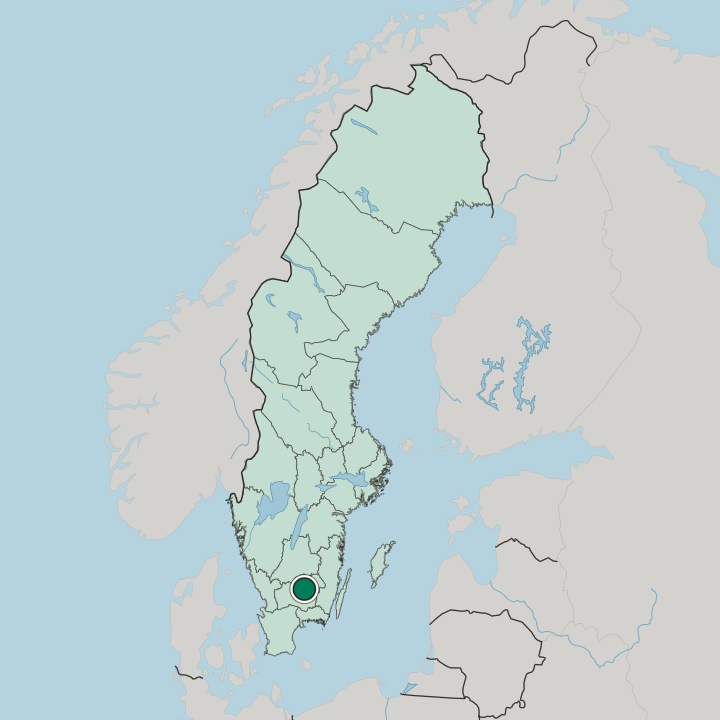
Växjö lies in the north-eastern part of Kronoberg County, set among the lakes and forests of the southern Småland uplands well inland from both coasts. The city wraps around several lakes, with Växjösjön and Trummen at its edges, and woods, ridges, and farmland spread across the wider district. The land is green and rolling.
Chains of lakes and small rivers drain the country, and the city's lakeside parks and trails bring the water and the forest right into the heart of the town.
What is the climate of Växjö?
Växjö has a cool temperate climate with a clear inland character. Winters are cold and often snowy, the lakes freezing and the forests white, the city lying well away from the moderating reach of the sea that softens the coasts to the east and west. The warm months turn mild and leafy.
Long northern daylight stretches the evenings late around midsummer, the season that fills the lakeside parks and the campsites and draws visitors to the water and the woods. Rain and snow fall through the seasons here.
How do you get to Växjö?
Växjö sits at the centre of the southern Småland road and rail network, the easiest of the region's inland cities to reach. The main railway between Alvesta and Kalmar calls at the station, linking the city to Stockholm, Malmö, and the coast, and Växjö Småland Airport on the edge of the city carries flights to the capital and beyond. Trains and buses serve the centre.
Drivers reach the city on roads radiating across the county, and most visitors arrive by rail, road, or the airport just outside the town.
Common questions
What is the best area to stay in Växjö?
City centre: first-timers. University and arenas: event-goers. Lakeshore and countryside: drivers.
Good for
More cities in Kronoberg County
Updated October 2026