Sweden
Kronoberg County, Sweden — Towns & Travel Guide
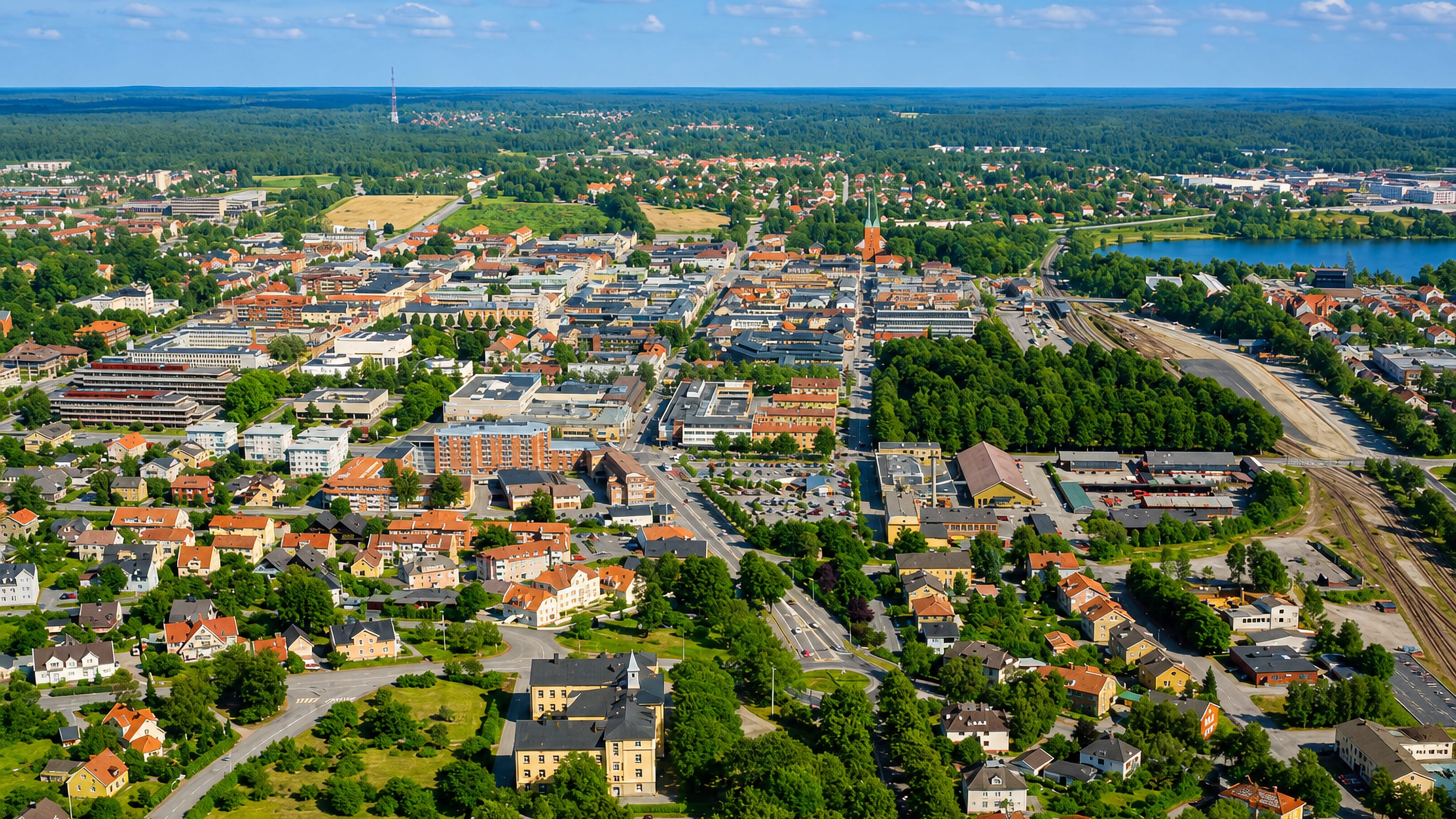
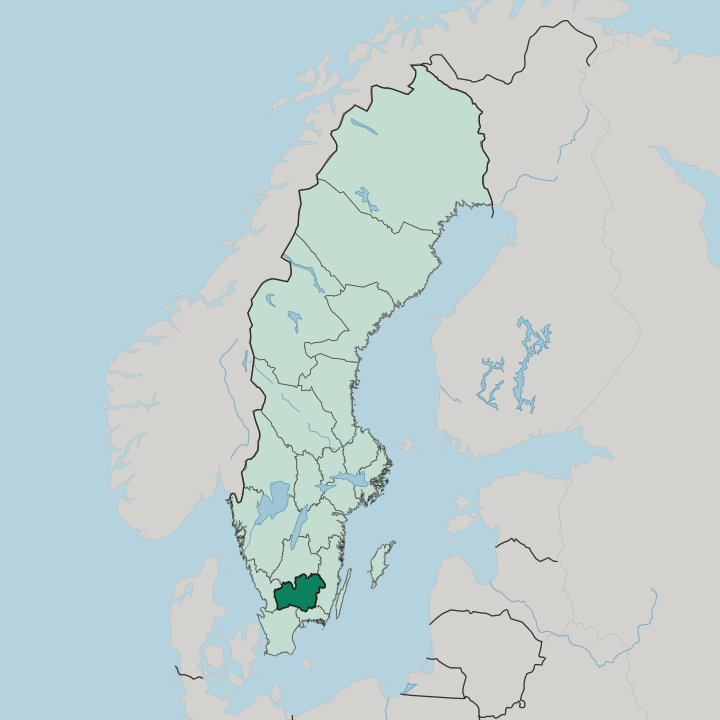
Kronoberg County is an inland län in southern Sweden, a forested lake country at the heart of Småland.
Hotel links are affiliate links: booking through them may earn us a commission, at no extra cost to you. It never affects how places are ranked. How this works


Towns & cities in Kronoberg County
Pick a town or city — each links to where to stay.
 Sweden
Växjö
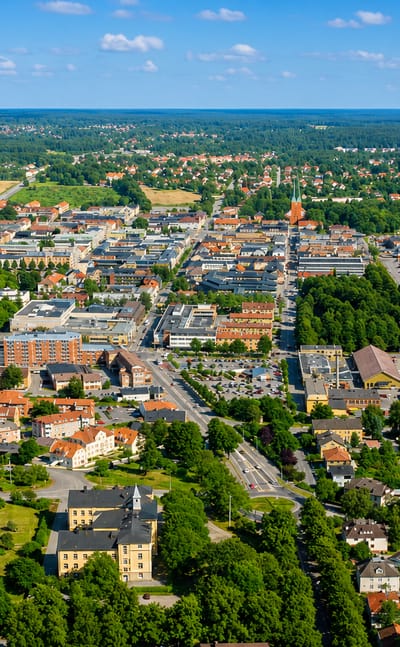
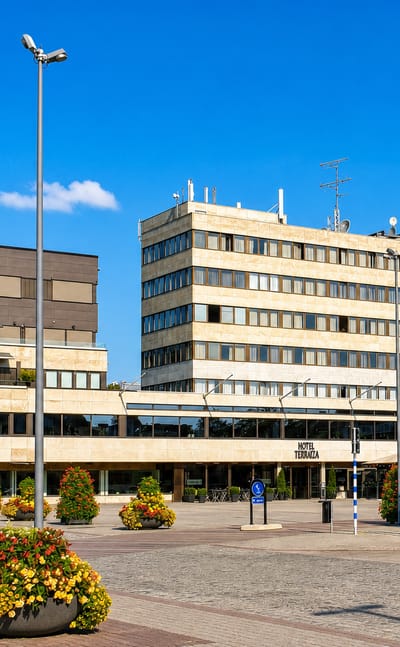
Växjö is a city in the north-eastern part of Kronoberg County and its administrative seat, the largest centre of the Småland uplands in southern Sweden.Where to stay →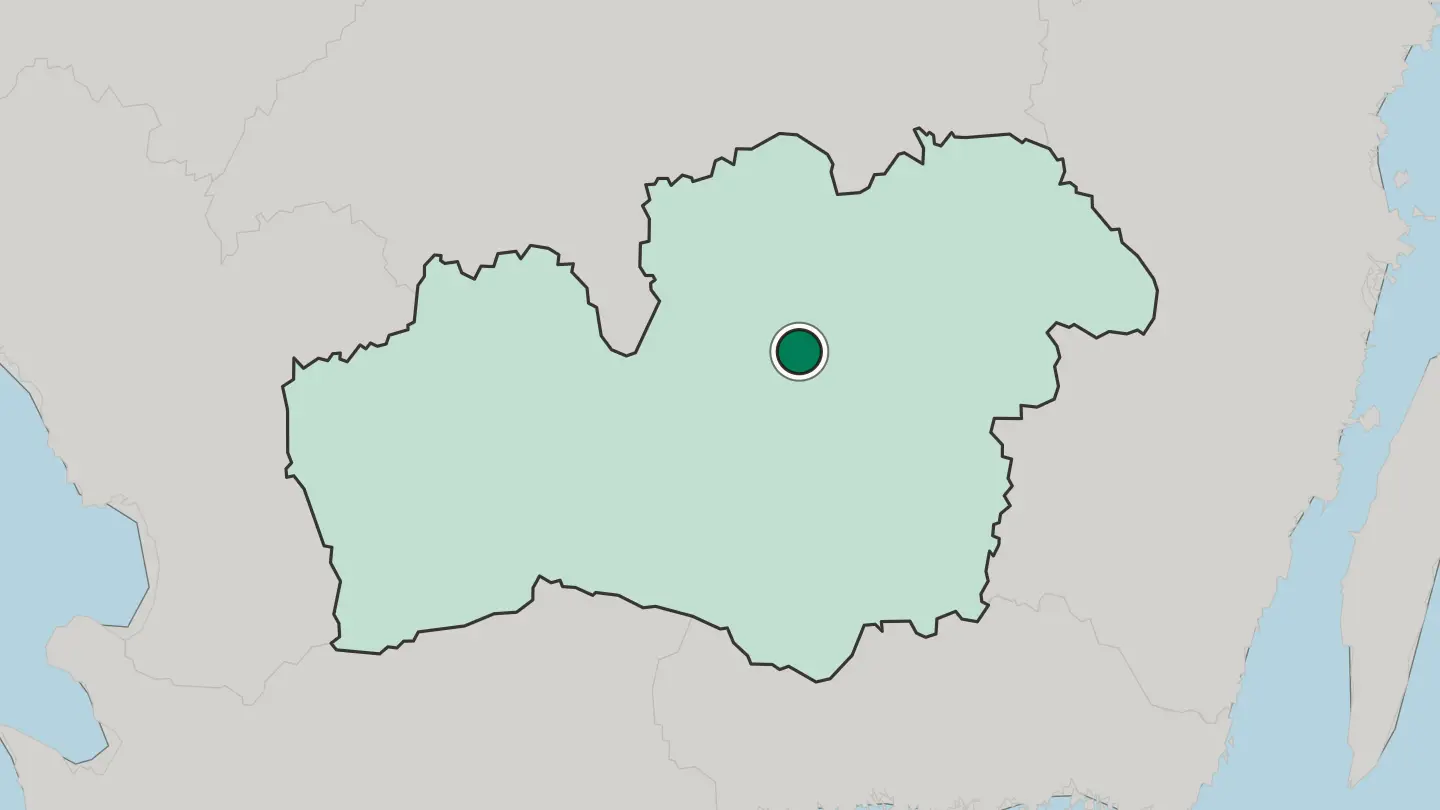
 Sweden
Ljungby
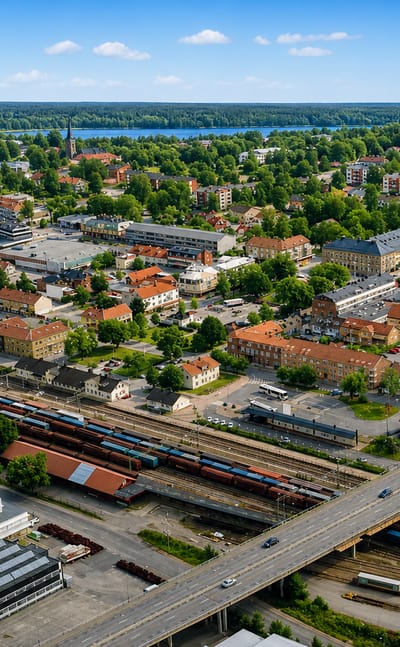
Ljungby is a town in the western part of Kronoberg County, in southern Sweden, set on the Lagan river among the forests and lakes of western Småland.Where to stay →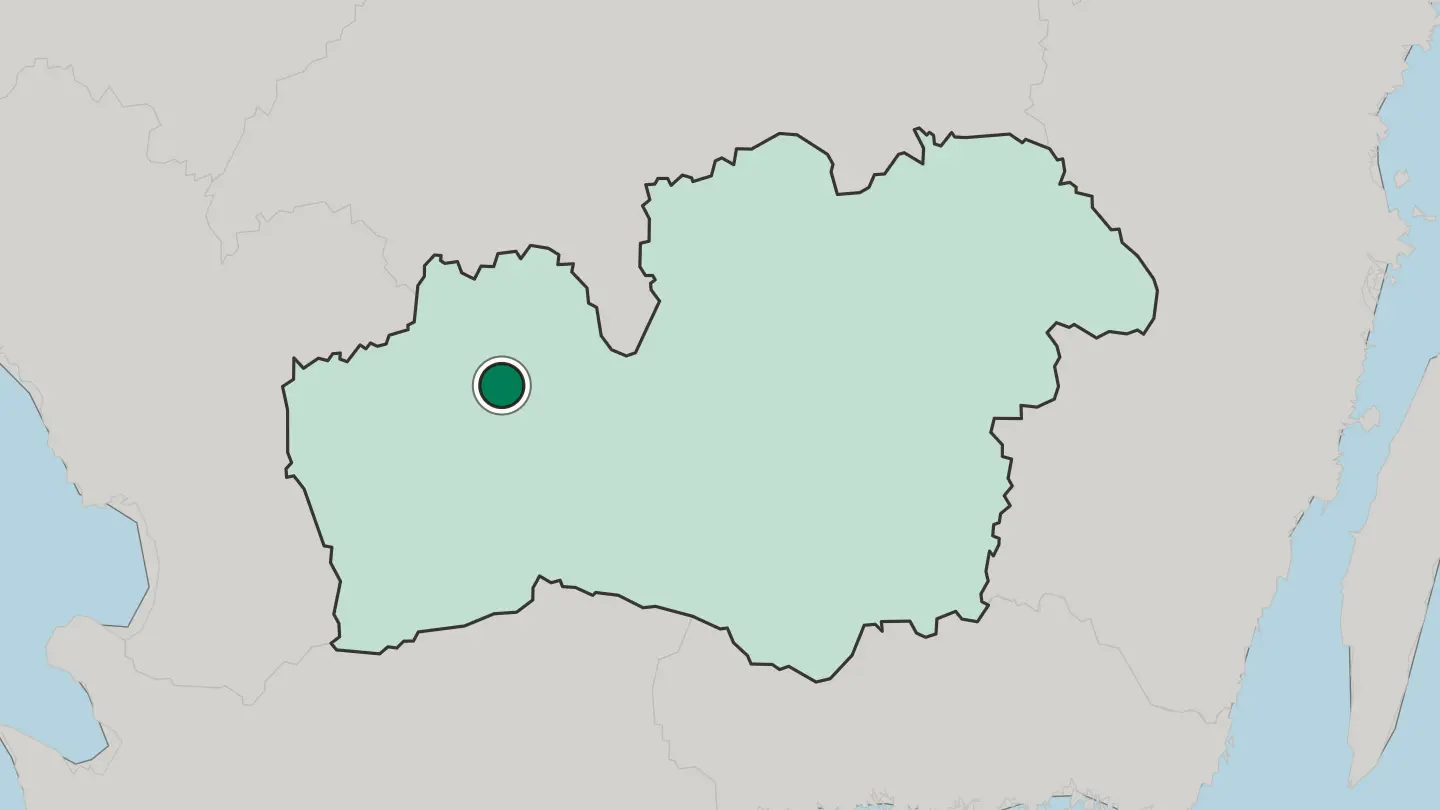
 Sweden
Älmhult
Älmhult is a town in the south-western part of Kronoberg County, in southern Sweden, best known across the world as the birthplace of IKEA.Where to stay →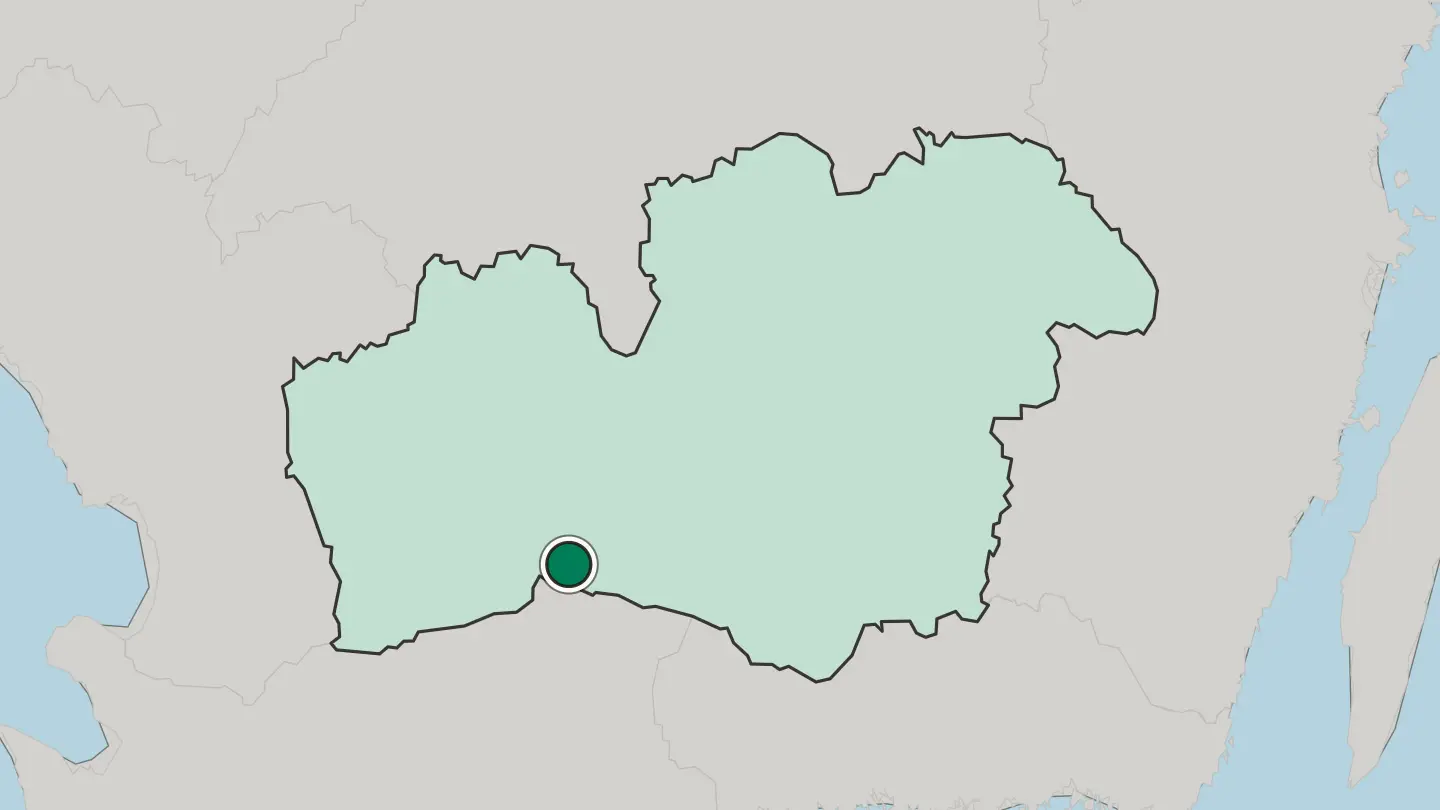
 Sweden
Alvesta
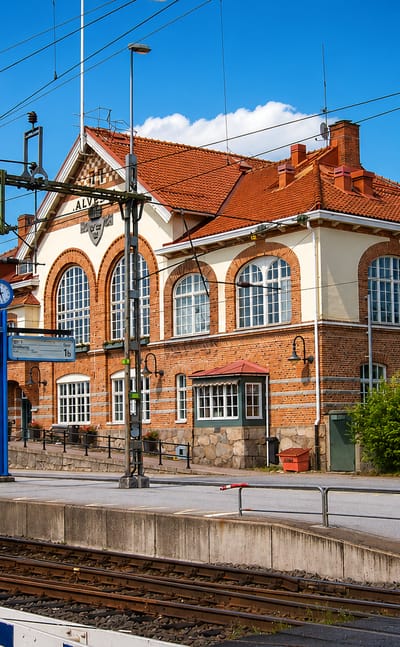
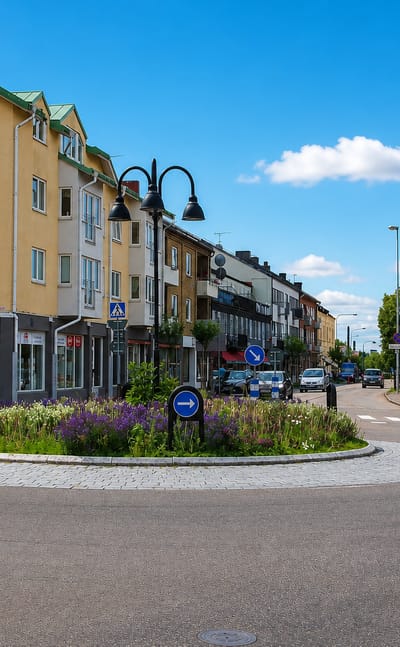
Alvesta is a small railway-junction town in northern Kronoberg County, among the lakes and forests of central Småland.Where to stay →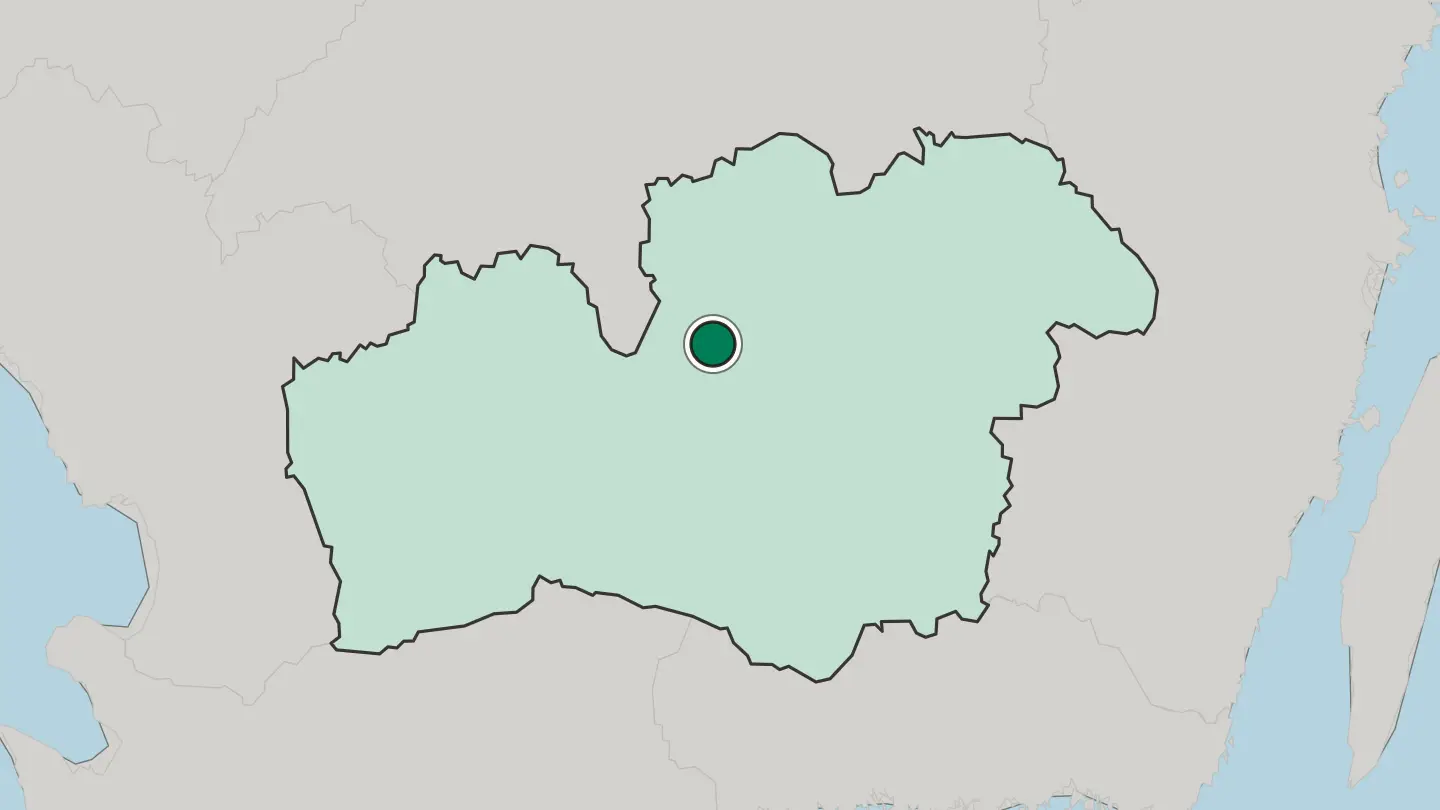
 Sweden
Markaryd
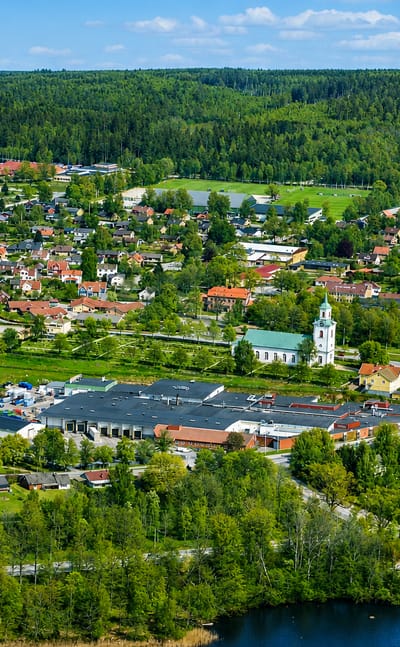
Markaryd is a small town in the south-western part of Kronoberg County, in south-western Sweden, close to the border with Skåne and Halland.Where to stay →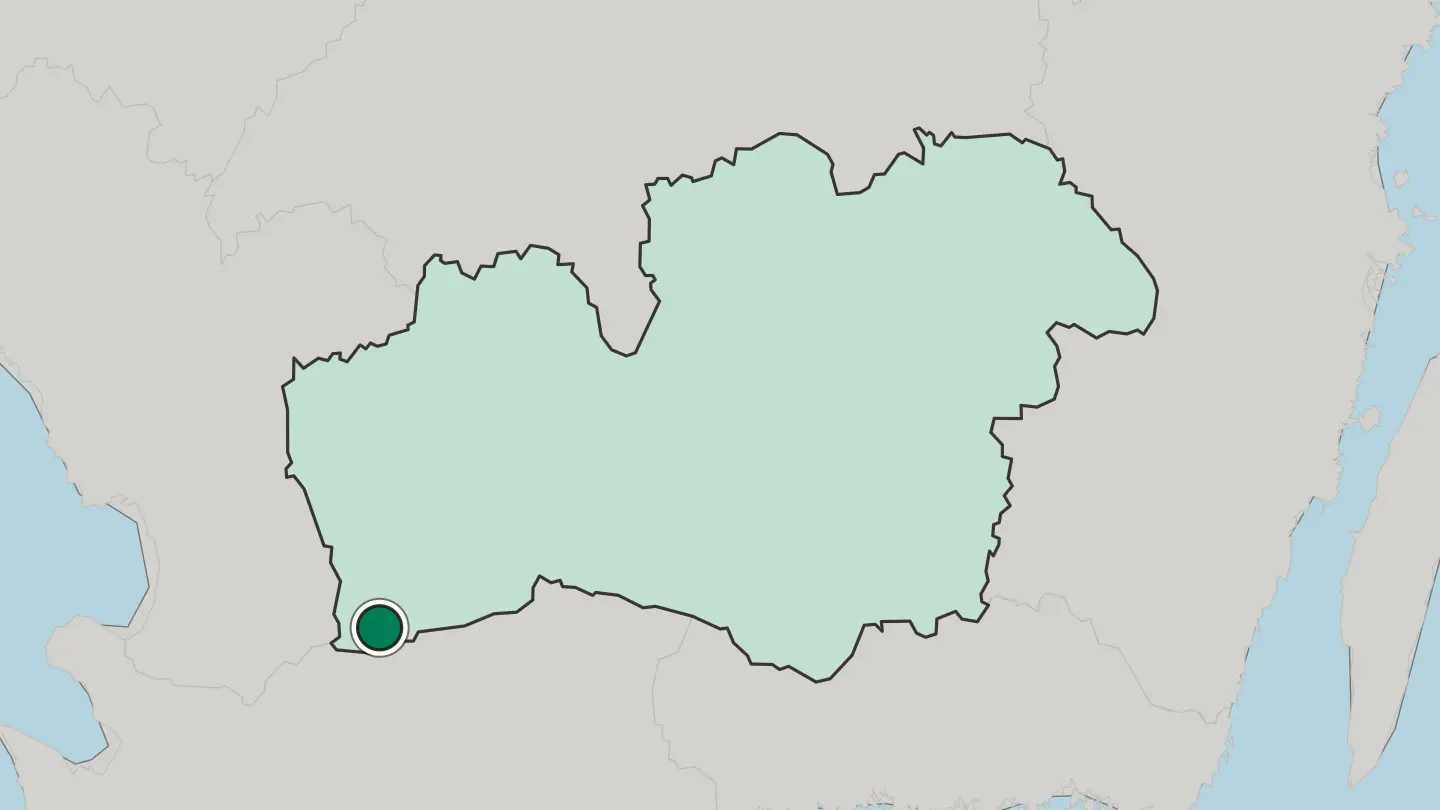
 Sweden
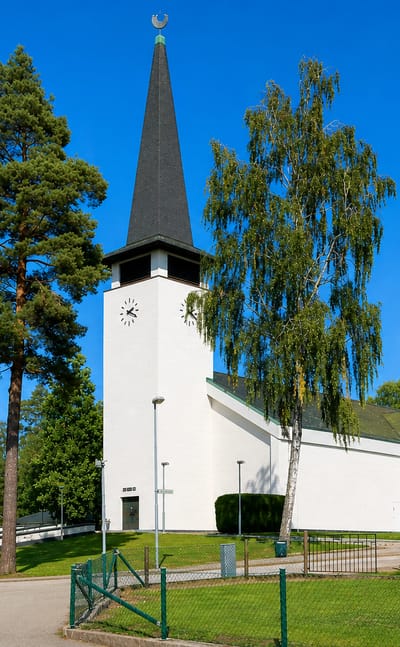
Tingsryd
Tingsryd is a small town in the south-eastern part of Kronoberg County, in southern Sweden, set among the lakes and forests of the Småland uplands.Where to stay →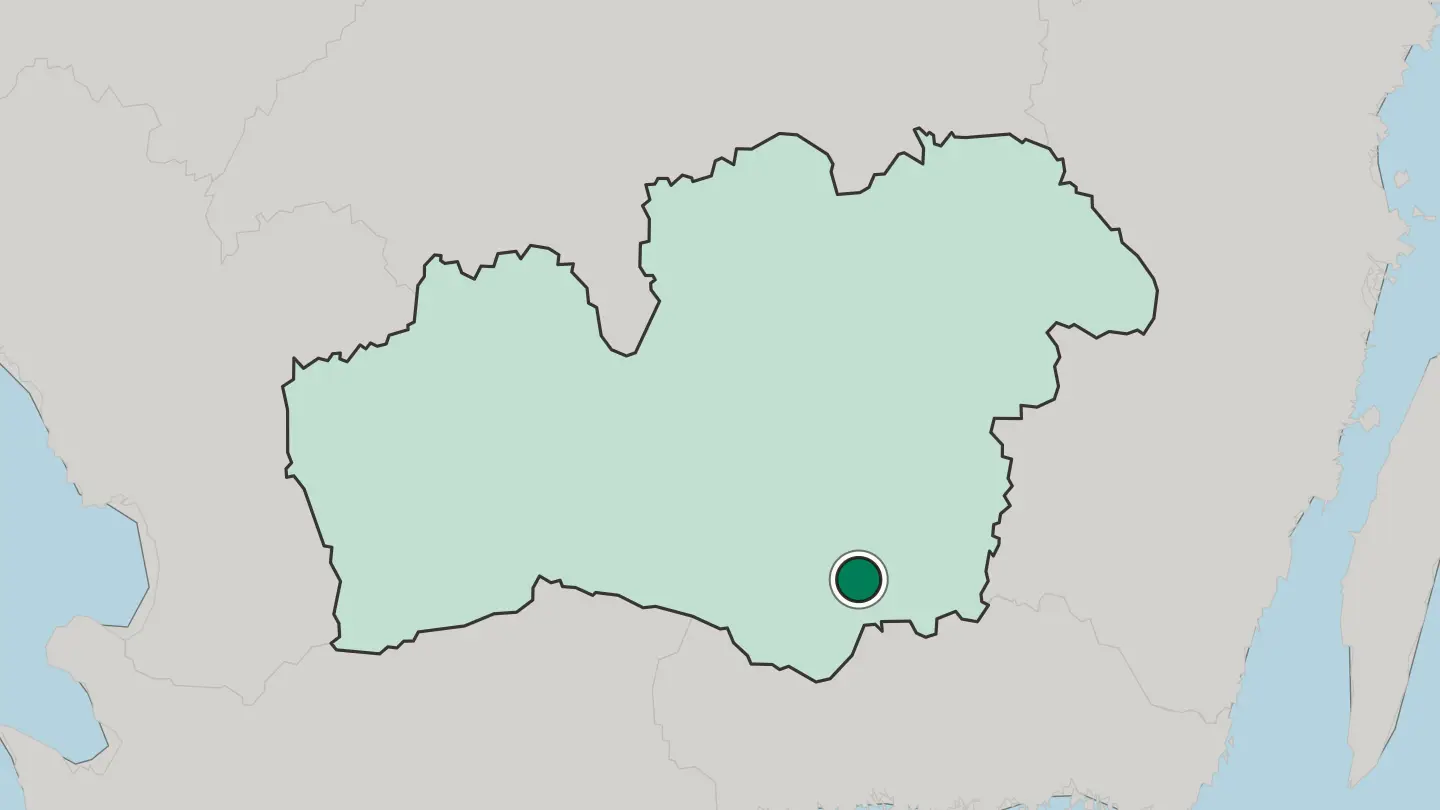
 Sweden
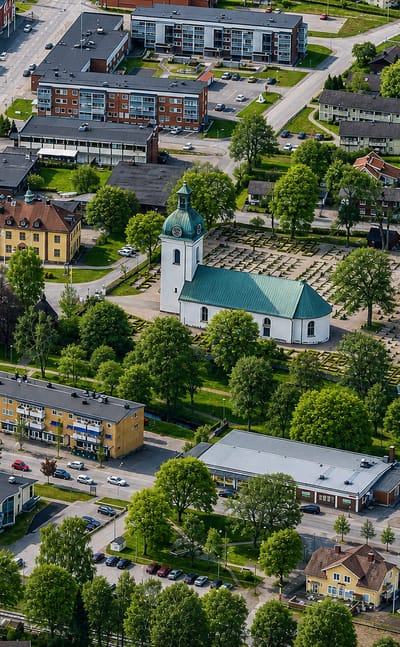
Lessebo
Lessebo is a small mill town in eastern Kronoberg County, among the lakes and forests of the Småland glassworks country.Where to stay →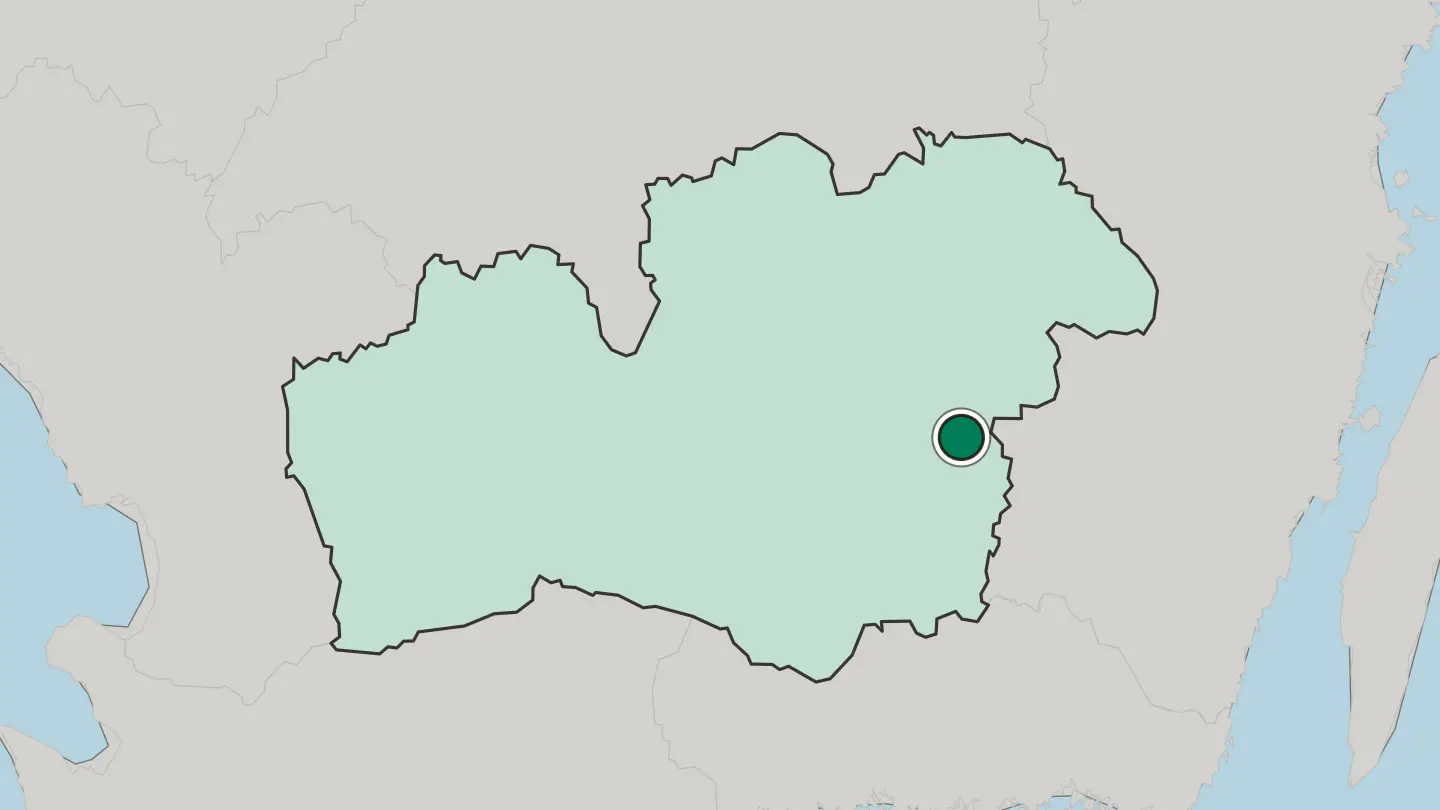
 Sweden
Åseda
Åseda is a small town in the north-eastern part of Kronoberg County, in southern Sweden, set among the forests and lakes of the Småland uplands.Where to stay →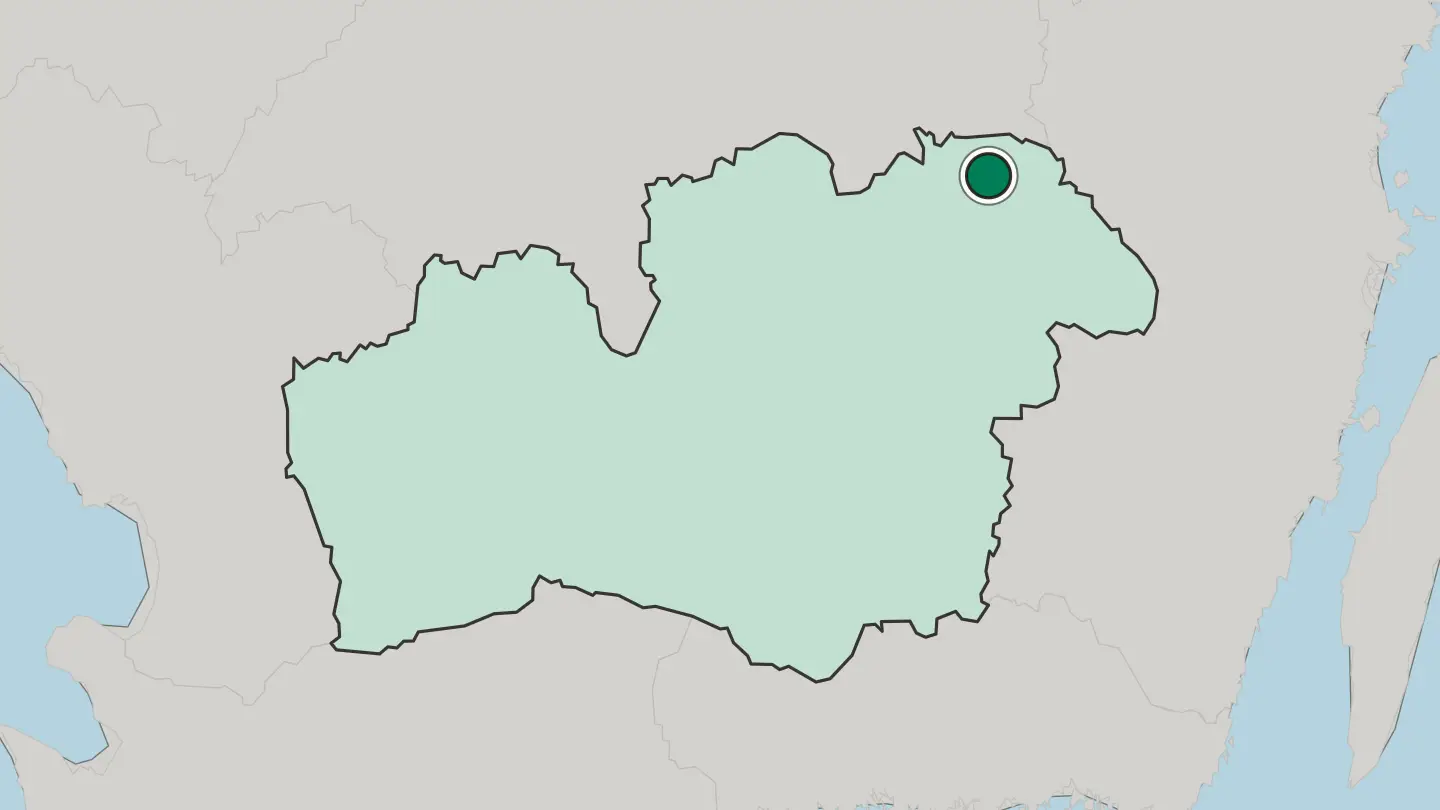
Hotel links are affiliate links: booking through them may earn us a commission, at no extra cost to you. It never affects how places are ranked. How this works
About Kronoberg County
Forests and lakes define this county.
What is Kronoberg County known for?
Växjö, its capital, sits among the woods and holds the House of Emigrants, which tells the story of the Smålanders who crossed to America. The eastern parishes share the Glasriket, the Kingdom of Crystal, where historic glassworks still draw visitors. Älmhult in the south is the birthplace of a furniture company known the world over. Woodland, water, and craft shape its character.
Where is Kronoberg County?
Kronoberg lies on the South Swedish highlands, far from any coast. The land is high, rolling, and thickly forested, strewn with thousands of lakes left by the ice and laced with the small rivers that drain in every direction toward distant seas. Växjö sits near the middle of this lake country, ringed by water, with the great forests of Småland pressing close on every side.
The county takes in the central and western parts of the province of Småland. Its biggest lakes, Åsnen and Bolmen, spread their wooded shores and islands across the south and west. To the north the county borders Jönköping; to the east, Kalmar; to the south, Skåne and Blekinge; and to the west, Halland.
Glacial boulders and stony ground mark the soil, cleared with hard labour into small farms among the trees. Forest and water repeat without end. Space and silence shape the interior.
What is Kronoberg County like?
The county is deep Småland. That province is known for thrift, self-reliance, and small-scale enterprise born of poor, stony soil, and the trait runs through the self-image of the region. Emigration shaped the culture more than anywhere.
Hunger and hard farming drove tens of thousands of Smålanders across the ocean to America in the nineteenth century, a story the House of Emigrants in Växjö tells in full. Växjö carries the urban and intellectual side of the county as a cathedral city and a seat of learning. Glassmaking left a strong mark on the eastern parishes, where the works of the Kingdom of Crystal grew up among the forests and gave the area a name in design.
A free-church tradition took root here in the revival years, and the chapels still stand across the countryside. Outdoor life runs through everything. Fishing, canoeing, hiking, and lake bathing fill the warm months.
Emigrant history, the glass craft, and a forest-and-lake way of life together give Kronoberg County its quiet, hardy character.
What is the history of Kronoberg County?
The county takes its name from Kronoberg Castle. The ruined fortress stands on an island in a lake near Växjö and once served the bishops of the diocese. Växjö itself is an old cathedral town, a religious centre of Småland since the Middle Ages.
The county dates from 1687. Farming and forestry long ruled a poor and crowded land, driving the great wave of emigration, while glassmaking and later light industry slowly carried the region toward modern prosperity.
What is the climate of Kronoberg County?
The county has a cool, damp inland climate. Its height on the southern highlands brings colder, snowier winters than the surrounding lowlands, with a cover that often lingers for weeks across the forests. Summer over the highlands is gentle.
The warm weeks bring long light that draws people to the highland lakes and the woodland trails through the season. The many lakes hold some of the heat into autumn, softening the first frosts near the water. Rain falls steadily through the year, fed by the highlands, and the great forests turn to colour in the fall.
How do you get to Kronoberg County?
Växjö sits on the railway between Alvesta and Kalmar, with Alvesta itself a junction on the southern main line that links Stockholm, Göteborg, and Malmö. Through trains make the county easy to reach. Växjö Småland Airport handles a few domestic and charter flights, and drivers come on the roads that cross the highlands from every direction toward the capital.
Regional buses link Växjö with Ljungby, Älmhult, and the glassworks towns. Rail through Alvesta is simplest.
Common questions
What is the best area to stay in Kronoberg County?
Växjö: first-time visitors and lake stays. Älmhult: design and family visitors. Forest and glassworks: anglers and craft tourers.
Good for
More regions in Sweden
Updated September 2026