Sweden · Örebro County
Where to Stay in Karlskoga, Örebro County
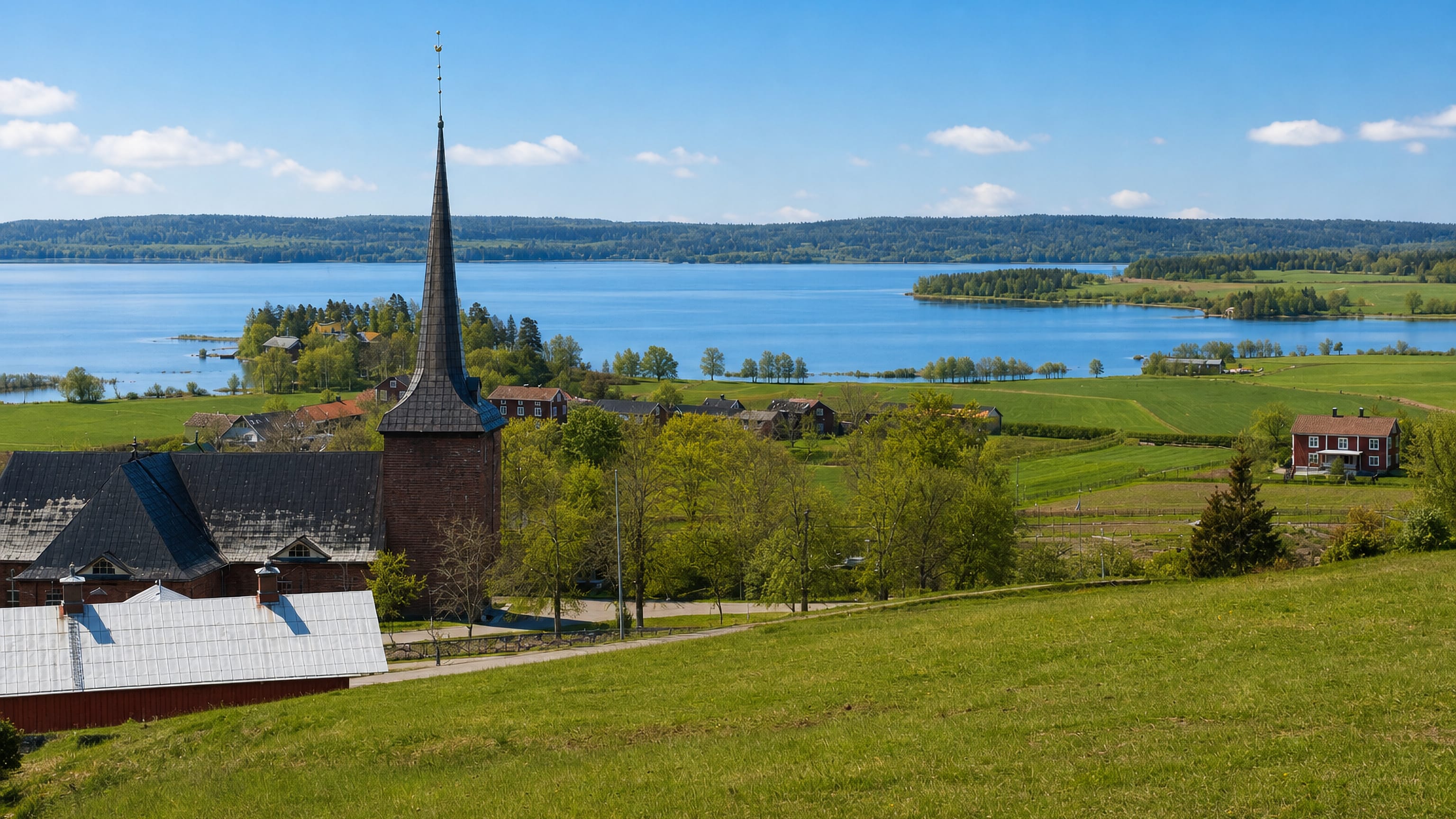
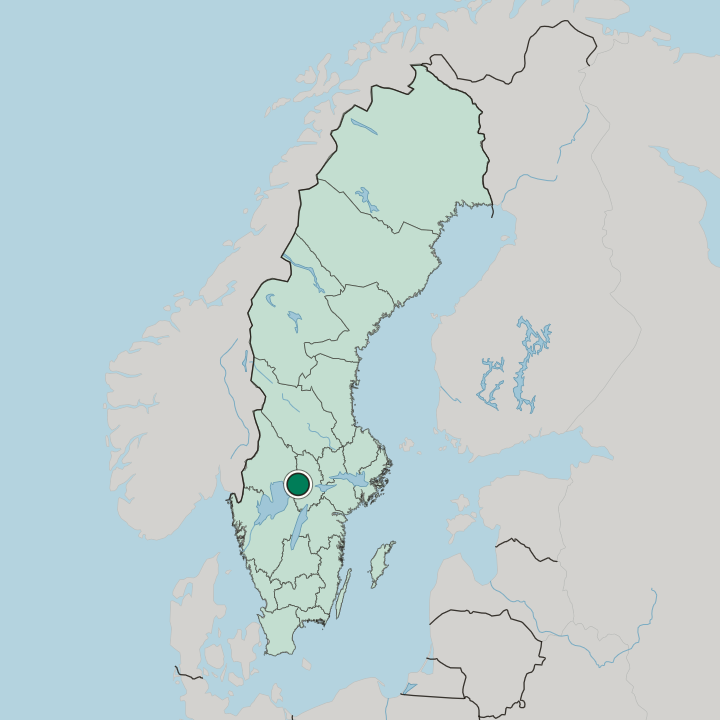
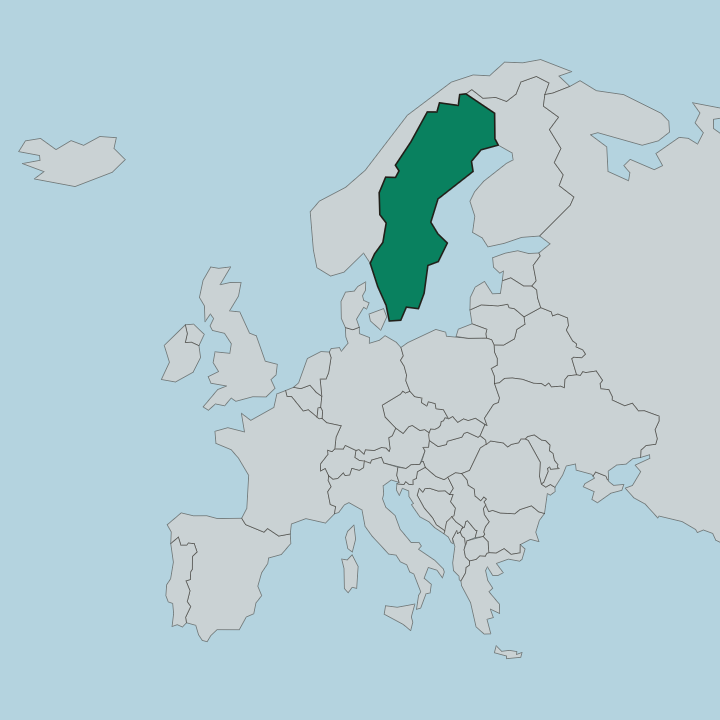
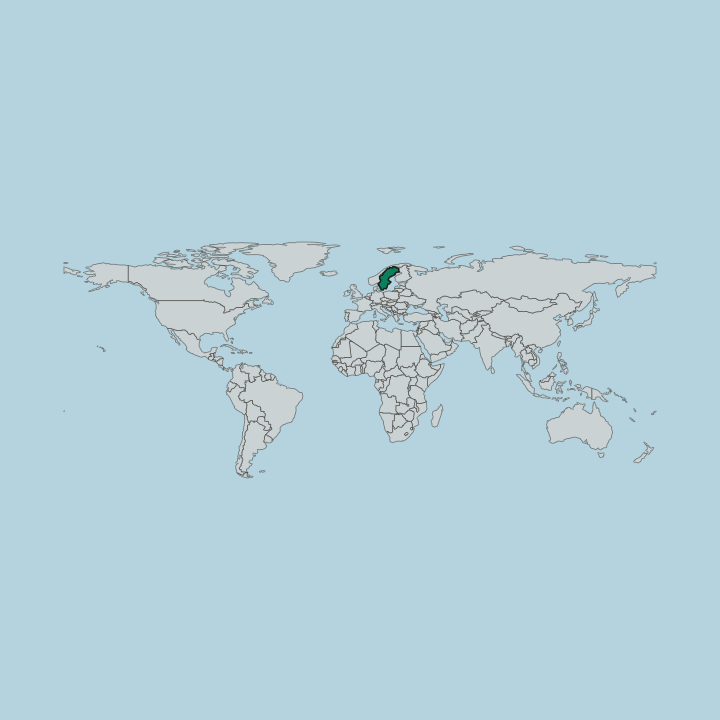
Karlskoga is a city in Örebro County, central Sweden, on the shore of Lake Möckeln.
Hotel links are affiliate links: booking through them may earn us a commission, at no extra cost to you. It never affects how places are ranked. How this works


Where to stay in Karlskoga
Where the beds are, and what that means for the visit.
Most visitors stay in the central districts of Karlskoga, where hotels and guesthouses cluster around the main streets, the church, and the shore of Lake Möckeln within an easy walk of the shops and the services. The centre suits travellers who want amenities and the lake close at hand. Rooms book up around events.
Because the city draws business visitors to the works and crowds to its festivals and matches, the central hotels can fill on busy dates, so anyone planning a stay through the high season should reserve well ahead of the warm weeks rather than trust to a free room on arrival. Along the lakeshore and in the forests around the city, campsites, cabins, and holiday cottages open through the warm months, drawing families and anglers who come for the water. Book well ahead for the busy weeks.
The outer suburbs and the road approaches hold further hotels and motels for drivers and event-goers heading to the arenas, and the works, the festivals, and the summer holidaymakers together press on the rooms across the city through the busiest weeks of the year.
Find hotels in Karlskoga
Direct booking searches for these neighbourhoods.
City centre
hotels around the main streets and the lake shore. Beds are limited here, so book early.Find hotels in City centreLakeside families and anglersLakeshore and forests
campsites and cabins by Lake Möckeln. Rooms are few around here — worth securing early.Find hotels in Lakeshore and forestsdrivers and event-goersSuburbs and road approaches
further hotels and motels near the arenasFind hotels in Suburbs and road approachesHotel links are affiliate links: booking through them may earn us a commission, at no extra cost to you. It never affects how places are ranked. How this works
Things to do in Karlskoga
Ranked by global recognition; descriptions from Wikidata (CC0).
Museums & Galleries
3- Nobel Laboratory
- Arbetarmuseet Gråbo working life museum
- Idrottsmuseet
Churches & Religious Sites
3- Karlskoga Church Heritage Church of Sweden church building
- Southern Church Heritage Church of Sweden churchchurch building
- Karlbergskyrkan Heritage
Stadiums & Sports
2- Nobelhallen indoor ice hockey rink
- Kilsta IP
worth knowingacross 3 categories in Karlskoga
About Karlskoga
Karlskoga is known for industry and Alfred Nobel.
What is Karlskoga known for?
The city grew around the Bofors works on Lake Möckeln, the great arms and engineering plant, and Nobel spent his last years at the nearby Björkborn manor, where his laboratory has been kept as a museum. The lake and the works define it. West of Örebro on the shore of Möckeln, Karlskoga ranks among the larger cities of the county, a manufacturing town with its churches, its lake, and its Nobel heritage drawing those who pass through.
What are the main landmarks in Karlskoga?
Karlskoga kyrka stands over the centre, the old parish church that anchors the city above the lake. The Nobel heritage draws many visitors. At Björkborn manor on the edge of town stands the Nobellaboratoriet, the kept laboratory of Alfred Nobel, while the Bofors works spread their halls along the water and the Nobelhallen arena rises among the modern districts.
Several churches stand across the city, among them Karlbergskyrkan, Söderkyrkan, and Sankt Görans kyrka. The shore of Lake Möckeln opens the view to the south.
What is the history of Karlskoga?
The country parish came first. A farming and mining district grew along the shore of Lake Möckeln in the iron country west of Örebro, taking its name from King Karl IX, and the old church and the scattered forges marked the settled land long before the great works arrived to remake the place. Iron drew on the forests.
The ore, the timber, and the water power of the country fed the early hammers and mills. Bofors made the modern city. The ironworks on the lake grew into a great arms and engineering plant, drawing thousands of workers and turning Karlskoga from a country parish into one of the largest industrial towns of the county.
Alfred Nobel bought the works and spent his last years at Björkborn manor nearby. The city spread around the plant with its churches, its arenas, and its houses along the water. Karlskoga held to its industry and its Nobel heritage through the changing age, and kept the lake, the works, and the manor that still mark this corner of the county.
Where is Karlskoga?
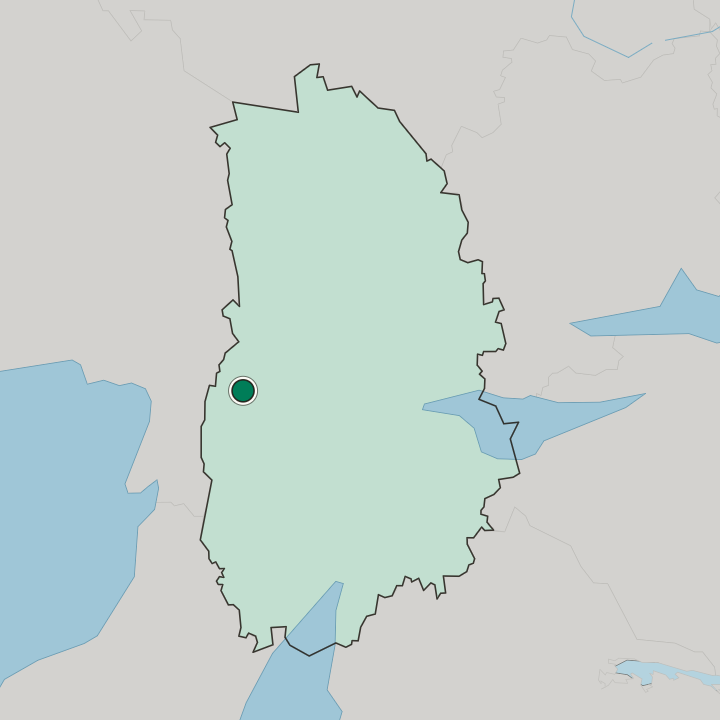
Karlskoga lies in the western part of Örebro County, on the northern shore of Lake Möckeln, in central Sweden. The city spreads along the water and the river that drains the lake south toward Degerfors, with the open water of Möckeln to the south and the forests and lakes of the western county and the Värmland border rising on every side. The setting is lakeside and wooded.
Roads and the railway run east toward Örebro and south toward Degerfors and Värmland, while the lake and the river thread the city into the chain of waters.
What is the climate of Karlskoga?
Karlskoga has a cool inland climate softened by the lake. Winters are cold and often snowy, though the body of Lake Möckeln tempers the sharpest cold along the shore while the forests and the higher ground inland lie under firmer and longer frost through the dark part of the year. Summers stay mild and green.
The warming water draws bathers, boaters, and anglers to the lake across the short high season, and the long northern light stretches the evenings late into the night. Rain falls across the year, heaviest in the warmer months.
How do you get to Karlskoga?
Karlskoga sits on the main road and rail lines running west from Örebro toward Värmland, with trains and buses tying the city to the wider network through the day. Drivers arrive by the highway. The roads run east the short way to Örebro and its regional airport, the gateway for travellers heading deeper into the county, and south to Degerfors and the lakes.
From the city, roads follow the water and the river south toward Värmland and run east across the plain toward Örebro and the network beyond.
Common questions
What is the best area to stay in Karlskoga?
City centre: first-time visitors near the Nobellaboratoriet. Lakeshore and forests: Lakeside families and anglers. Suburbs and road approaches: drivers and event-goers.
Good for
More cities in Örebro County
Updated October 2026