Sweden · Örebro County
Where to Stay in Kumla, Örebro County
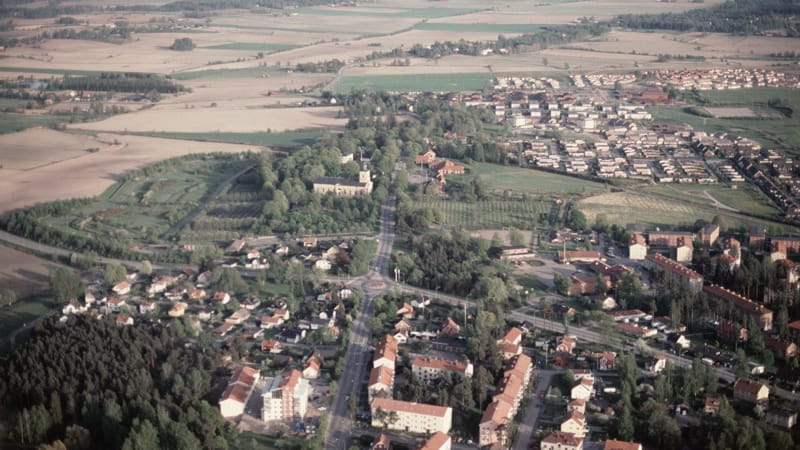
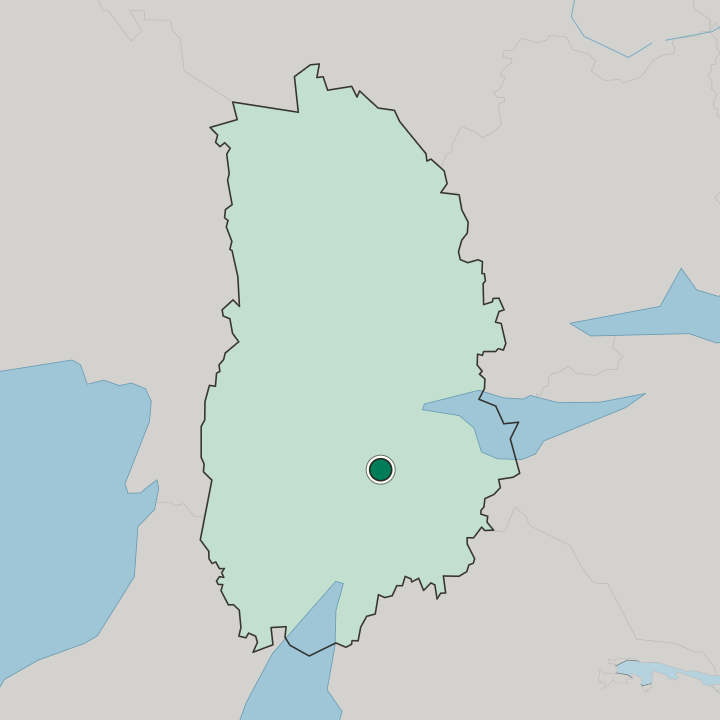
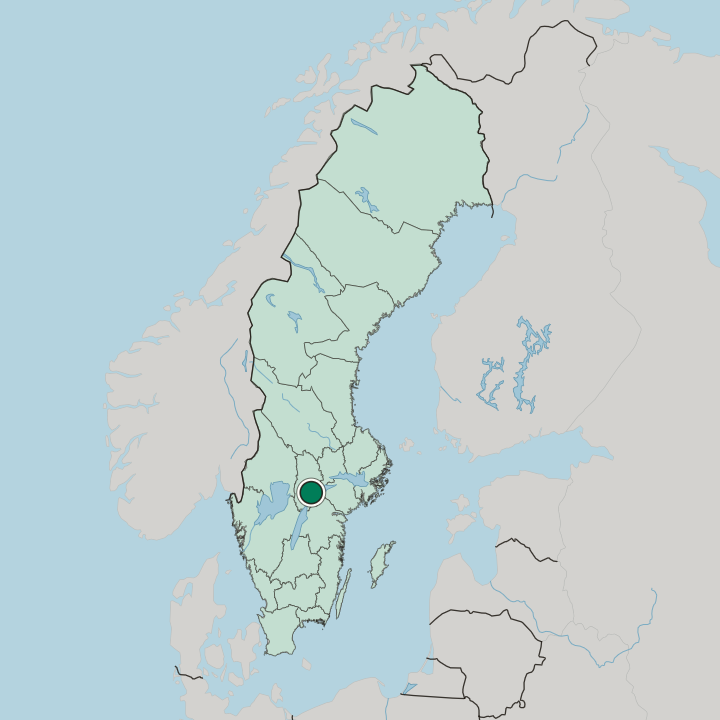
Kumla is a town in the southern part of Örebro County, in central Sweden, the seat of Kumla Municipality on the plain south of Örebro.
Hotel links are affiliate links: booking through them may earn us a commission, at no extra cost to you. It never affects how places are ranked. How this works


Where to stay in Kumla
Where visitors usually base themselves, and why.
Most visitors stay in or near the town centre, where a small stock of hotels, inns, and guesthouses sits within easy reach of the railway station, the church, and the shops along the main streets of the settlement. The centre suits travellers who want a practical base on the Närke plain with trains and services close at hand, and with Örebro a short ride to the north. The bed stock is small.
Demand rises around events at the arena and the busy stretches of the travel year, when the small supply of beds in town fills and overspill heads to Örebro, which carries the larger stock of hotels for the whole district. Beyond the centre, the parish offers cabins, farm stays, and holiday cottages near the woods and lakes for those touring by car or seeking quiet. Book ahead for busy weekends.
The town leans on Örebro for its larger hotels, so beds in Kumla itself press hard whenever an event or a peak fills the calendar across the plain.
Find hotels in Kumla
Direct booking searches for these neighbourhoods.
Town centre
hotels and inns near the station, the church, and the arena. Few places to stay nearby — book ahead.Find hotels in Town centremotorists and quiet seekersPlain and countryside
cottages and farm stays among the woods and farmland of the parishFind hotels in Plain and countrysideHotel links are affiliate links: booking through them may earn us a commission, at no extra cost to you. It never affects how places are ranked. How this works
Things to do in Kumla
Ranked by global recognition; descriptions from Wikidata (CC0).
Museums & Galleries
3- Skoindustrimuseet i Kumla working life museum
- Militärminnet Sanna hed
- Persedelförrådet
Churches & Religious Sites
3- Kumla Church Heritage
- Hällabrottets kyrka Heritage
- Hörsta kapell Heritage
Stadiums & Sports
1- Weidermans Buss Arena
worth knowingacross 3 categories in Kumla
About Kumla
Shoes built the town.
What is Kumla known for?
Kumla grew into one of Sweden's leading shoe-making centres, and the trade left its mark in the Svenska skoindustrimuseet, the museum that keeps the story of the factories and their workers. Limestone shaped the district too. The quarries at Hällabrottet fed lime and stone to the wider country, while the town is also widely known for Kumlaanstalten, one of the largest prisons in Sweden, set on the plain at the edge of the settlement.
What are the main landmarks in Kumla?
Kumla kyrka stands at the heart of the town, the old parish church around which the settlement grew. The district keeps its own churches too. Hällabrottets kyrka serves the old quarrying village to the south, while Hörsta kapell sits out in the countryside and the Svenska skoindustrimuseet preserves the machinery and memory of the shoe trade that made the town.
Weidermans Buss Arena draws crowds for sport and events, and the limestone quarries of Hällabrottet mark the land that fed the district's other great industry.
What is the history of Kumla?
Farming and stone came first. Kumla began as a country parish on the Närke plain south of Örebro, its medieval stone church gathering scattered farms, while the limestone of Hällabrottet was quarried from the ground for lime and building stone that travelled across the region. The land was flat and worked.
Generations lived by the soil and the quarries before the modern town took shape beside the railway. Shoes transformed the place. When the line across Närke brought trade and workers, Kumla turned to making footwear and rose into one of Sweden's foremost shoe-manufacturing towns, its factories drawing labour and giving the settlement the industry that the Svenska skoindustrimuseet now records.
The trade faded in the later twentieth century. As shoemaking declined, Kumla broadened into services and administration, gained the large prison that carries its name, and grew as a commuter town within reach of Örebro, while its churches and its museum kept the older story in view.
Where is Kumla?
Kumla lies in the southern part of Örebro County, on the flat farming plain of Närke in central Sweden. The town sits on open ground. Around it spread cultivated fields, mixed woodland, and the old limestone country of Hällabrottet, with Örebro a short way to the north and the lake of Hjälmaren and the wooded ridges of the wider region rising beyond the plain.
The setting is low, level, and agricultural, shaped by farmland and quarried stone.
What is the climate of Kumla?
Kumla lies under the temperate, inland weather of the Narke plain. Winters are cold, with frost and snow lying over the Närke plain through the dark months and the ground often frozen across the depth of the season far from the moderating reach of the open sea. Come summer the Närke plain greens under a gentle, settled warmth.
The long northern days warm the fields and woods, drawing walkers and cyclists across the brightest weeks, while spring and autumn bring the changeable and often grey weather of the central Swedish interior. Wet weather comes in most months.
How do you get to Kumla?
Kumla sits on the main railway through Närke, with trains stopping in the town and linking it quickly to Örebro and beyond. Drivers reach it by the motorway and regional roads that cross the plain south of Örebro. The train is the easiest way. Örebro, a short distance north, serves as the nearest larger hub for connections, while its airport and the larger gateways around Stockholm act as the main entry points for visitors coming from further afield.
Common questions
What is the best area to stay in Kumla?
Town centre: rail travellers and event visitors. Plain and countryside: motorists and quiet seekers.
Good for
More cities in Örebro County
Updated October 2026