Sweden
Örebro County, Sweden — Towns & Travel Guide
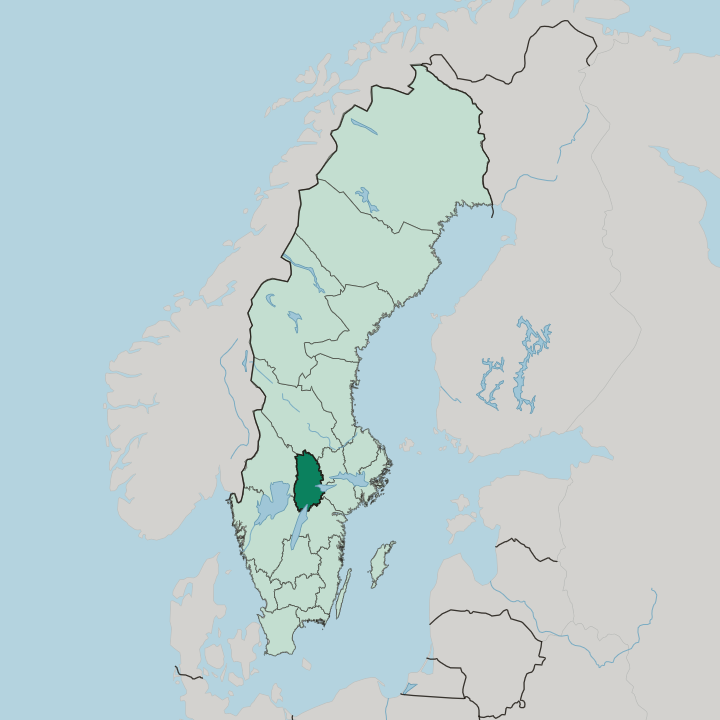
Örebro County is an inland län in central Sweden, set on the plains of Närke between Lake Hjälmaren and the forested hills of the north.
Hotel links are affiliate links: booking through them may earn us a commission, at no extra cost to you. It never affects how places are ranked. How this works


Towns & cities in Örebro County
Pick a town or city — each links to where to stay.
 Sweden
Örebro
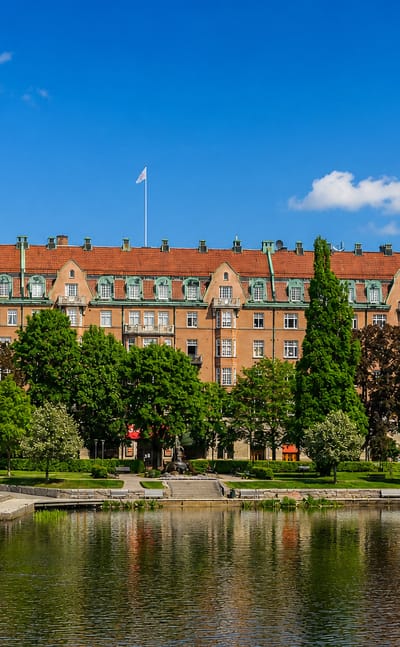
Örebro is an inland city in the eastern part of Örebro County, in central Sweden, seat of its county and a castle town on the Svartån river.Where to stay →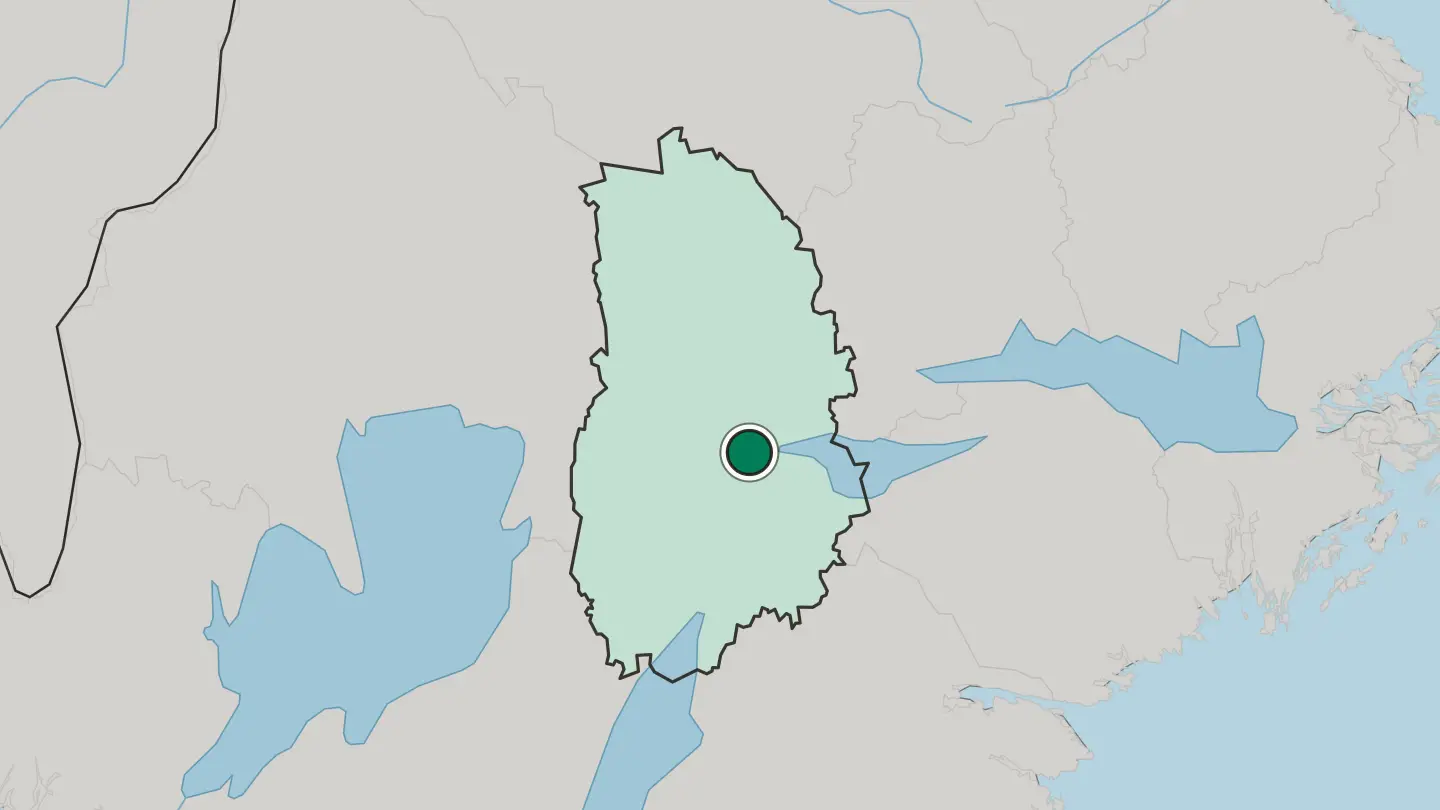
 Sweden
Karlskoga
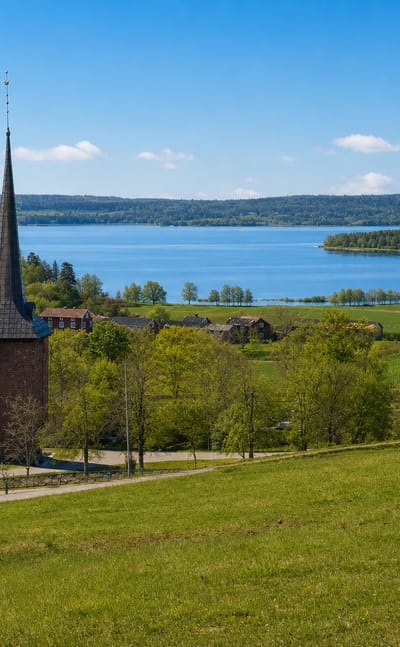
Karlskoga is a city in Örebro County, central Sweden, on the shore of Lake Möckeln.Where to stay →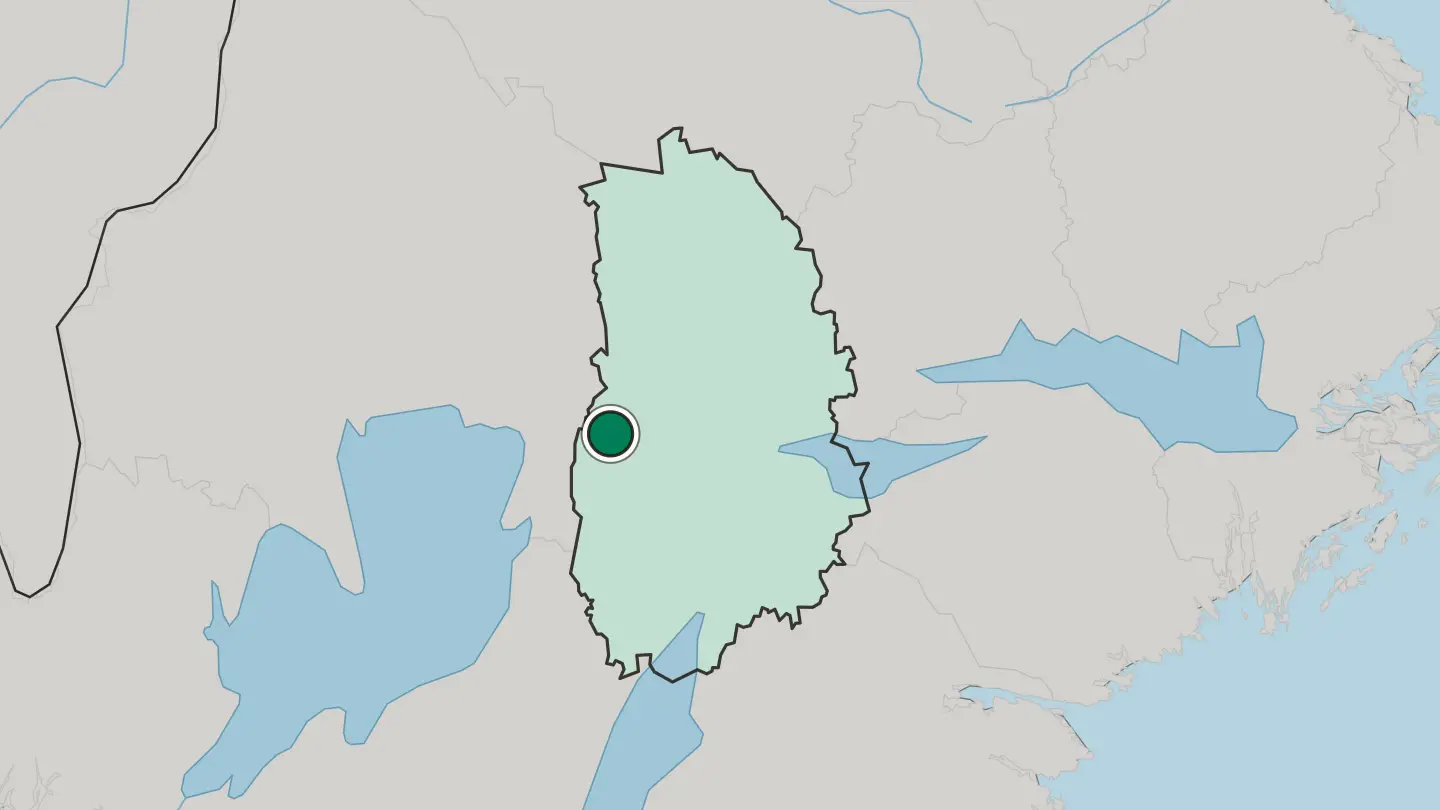
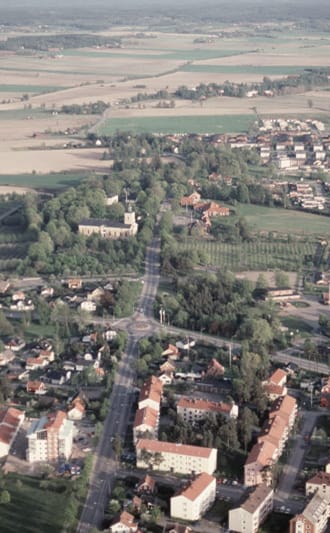 Sweden
Kumla
Kumla is a town in the southern part of Örebro County, in central Sweden, the seat of Kumla Municipality on the plain south of Örebro.Where to stay →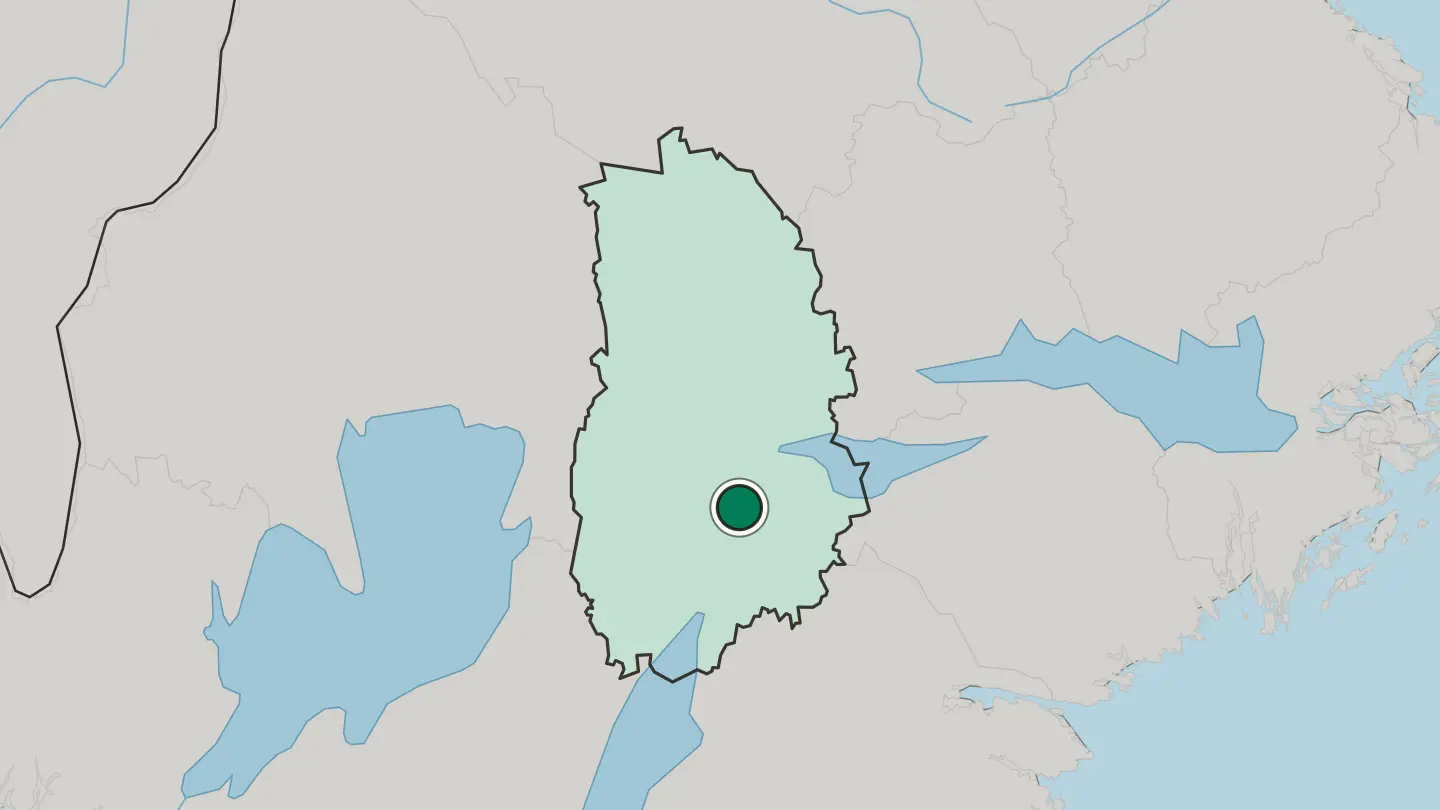
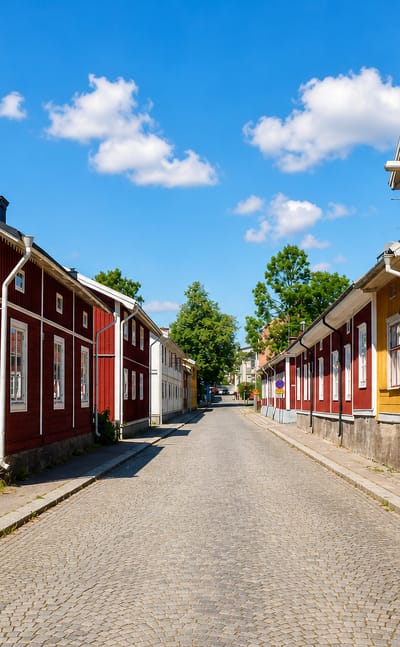 Sweden
Lindesberg
Lindesberg is a small town in the northern part of Örebro County, in central Sweden, the seat of Lindesberg Municipality on the shore of Lake Lindesjön.Where to stay →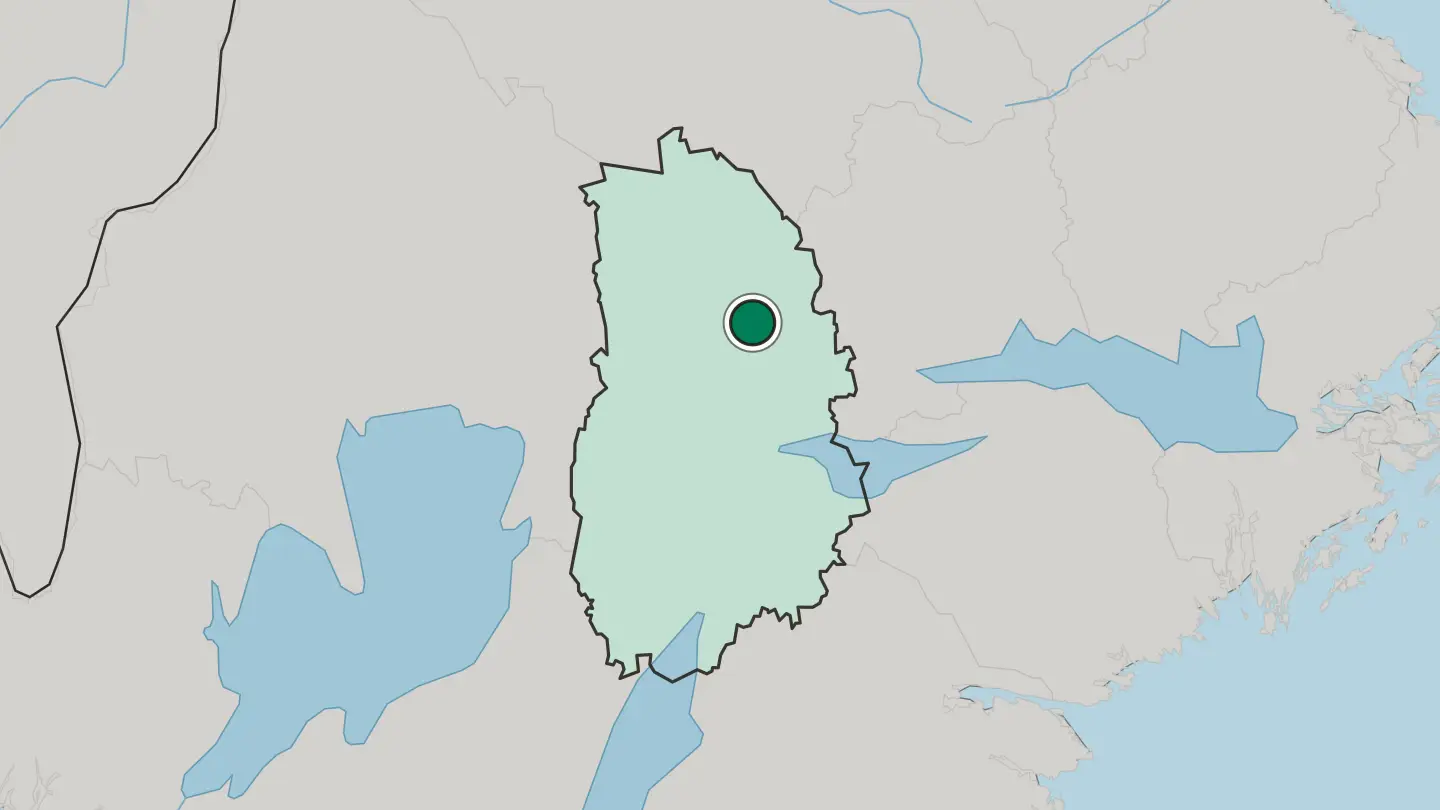 Sweden
Hallsberg
Hallsberg is a town in Örebro County, central Sweden, a major railway junction in southern Närke.Where to stay →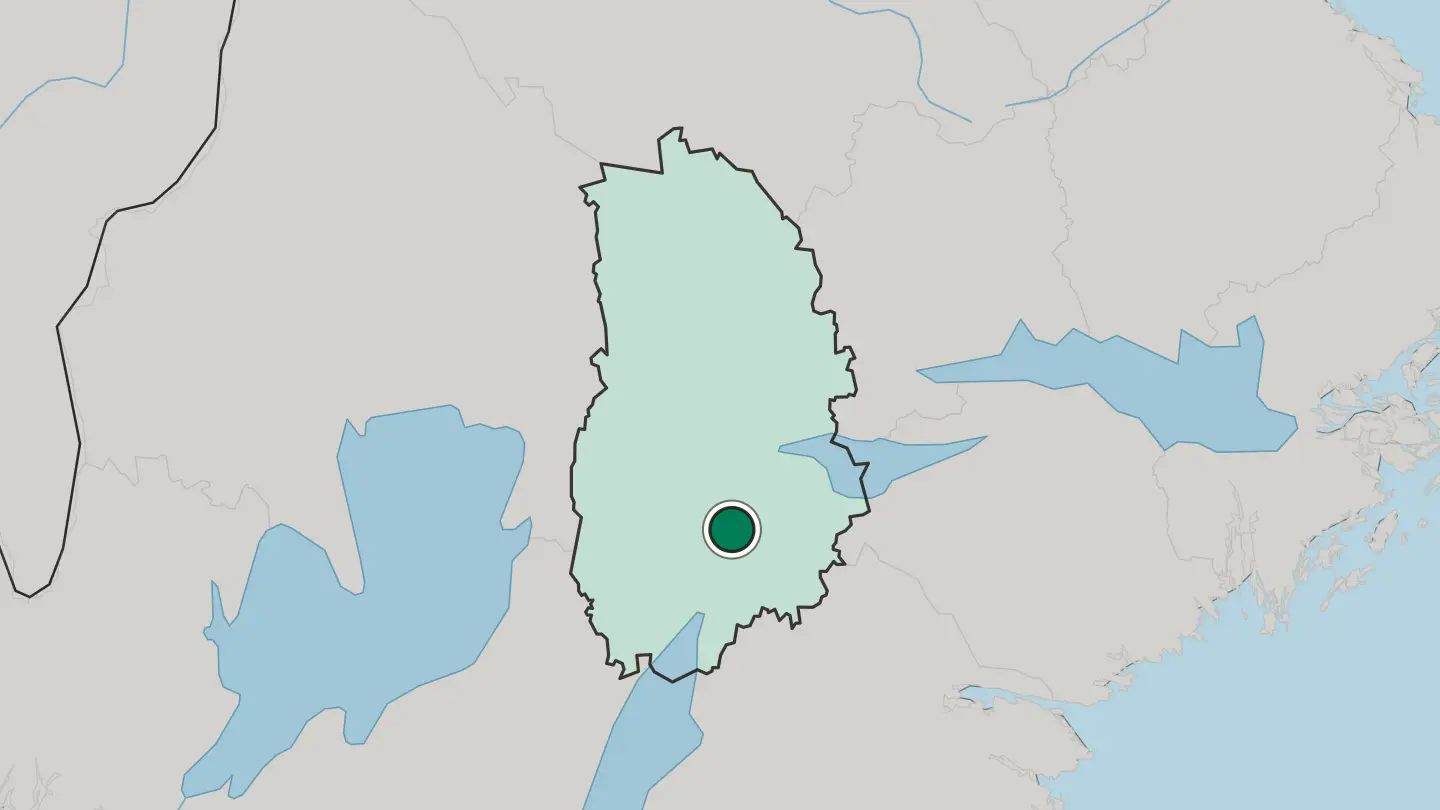
 Sweden
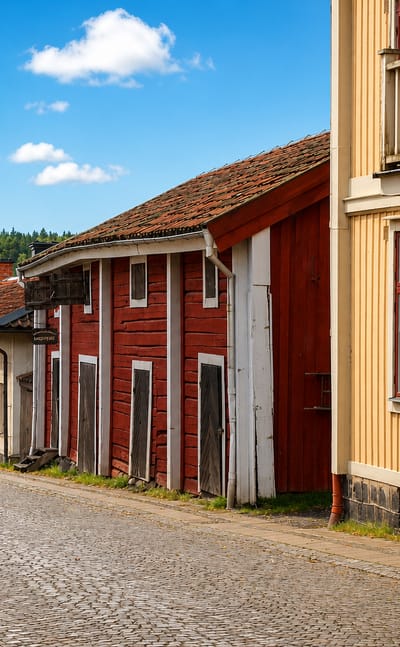
Degerfors
Degerfors is a town in Örebro County, central Sweden, on the southern shore of Lake Möckeln.Where to stay →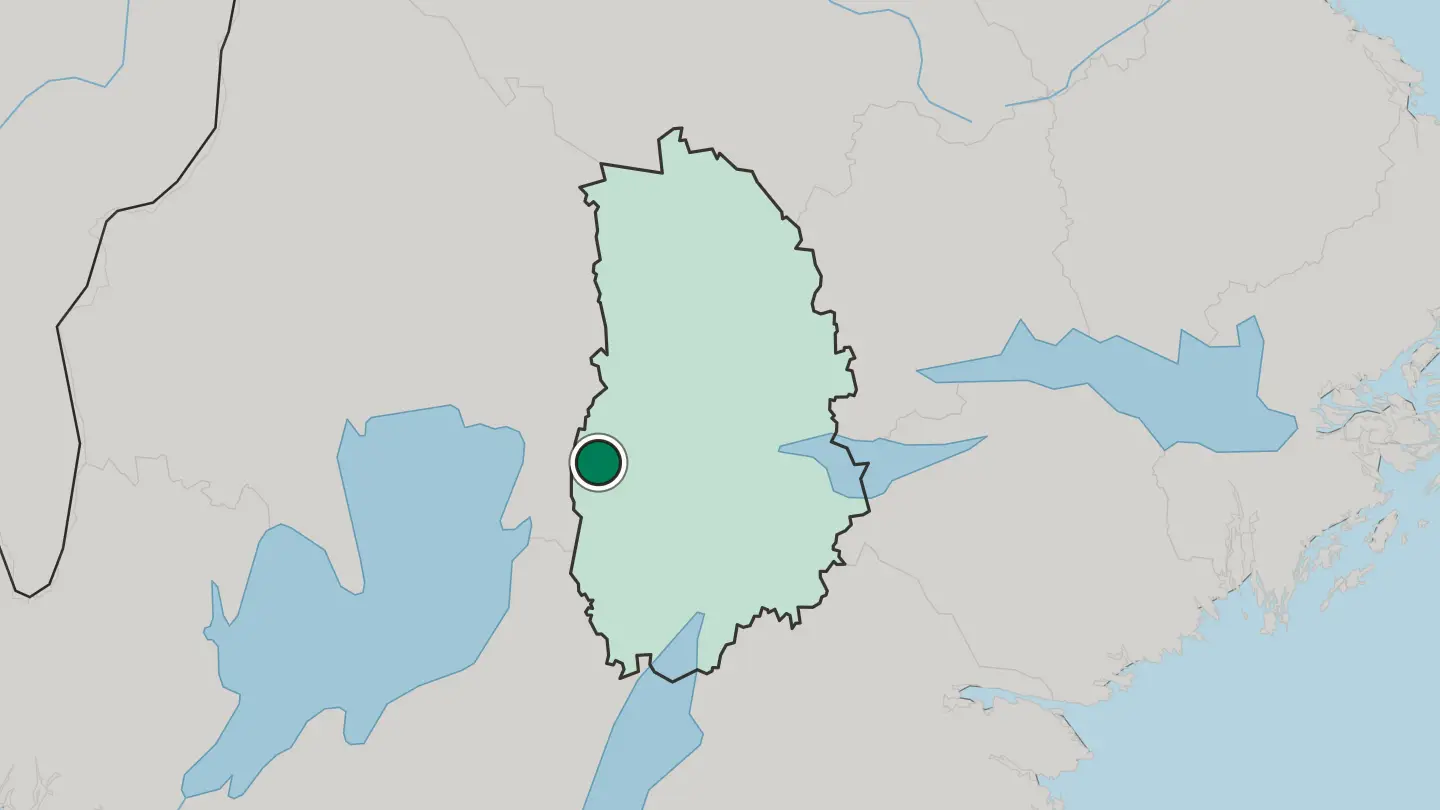
 Sweden
Nora
Nora is a small town in the north-western part of Örebro County, in central Sweden, the seat of Nora Municipality on the shore of Lake Norasjön.Where to stay →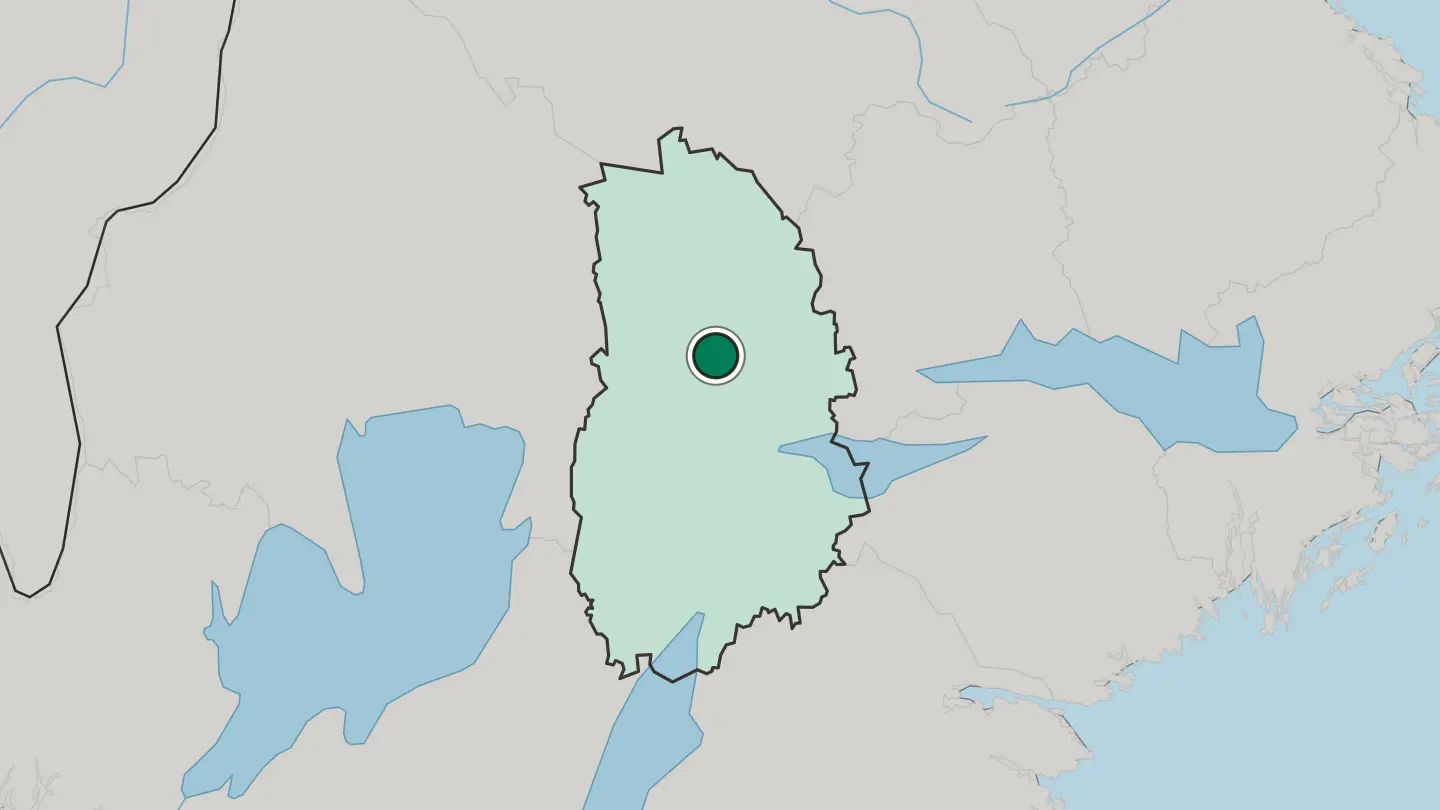
 Sweden
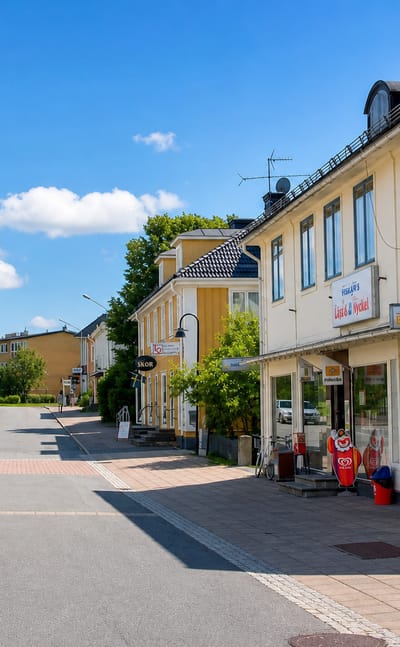
Hällefors
Hällefors is a town in Örebro County, central Sweden, in the forested mining country of Bergslagen.Where to stay →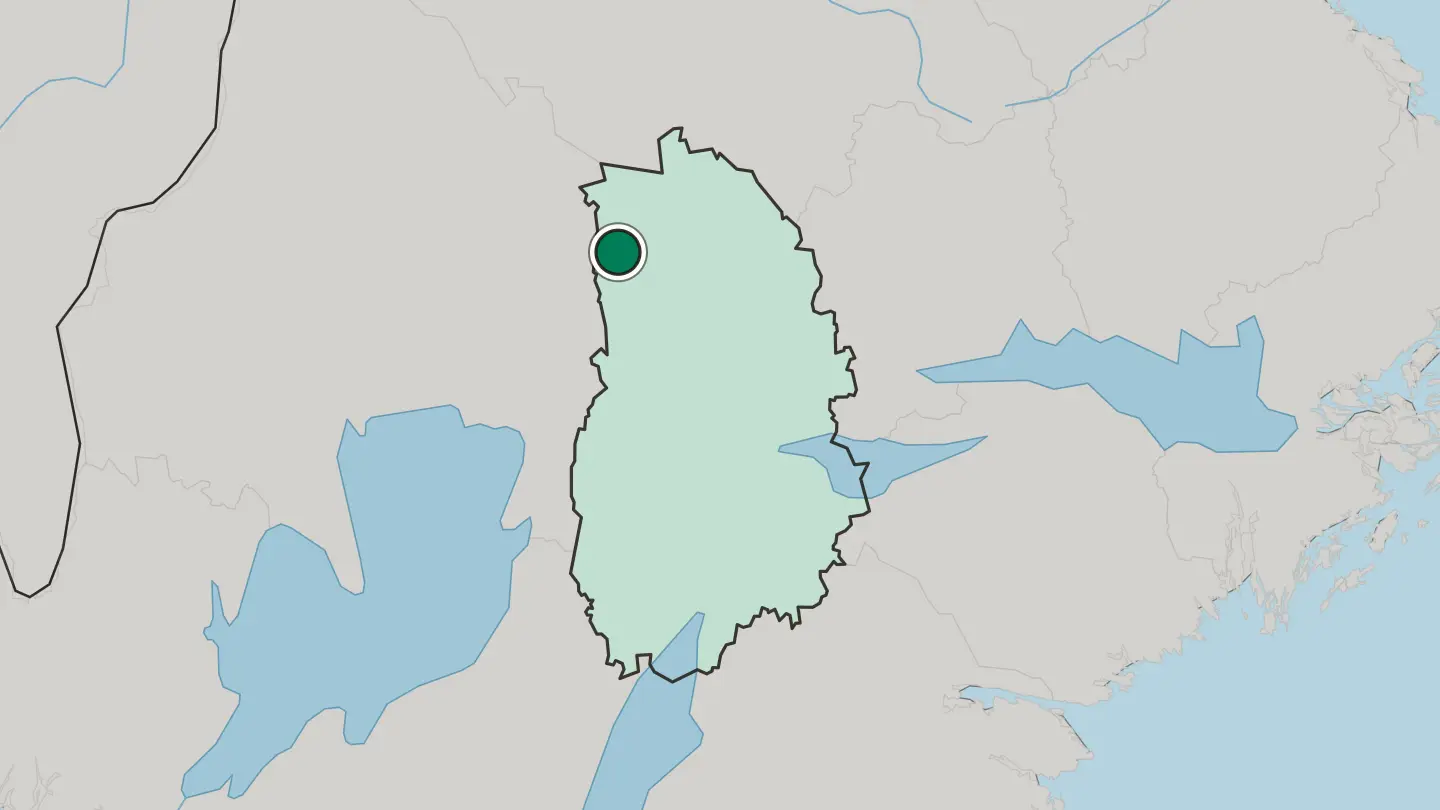
All towns & cities (12)
 Sweden
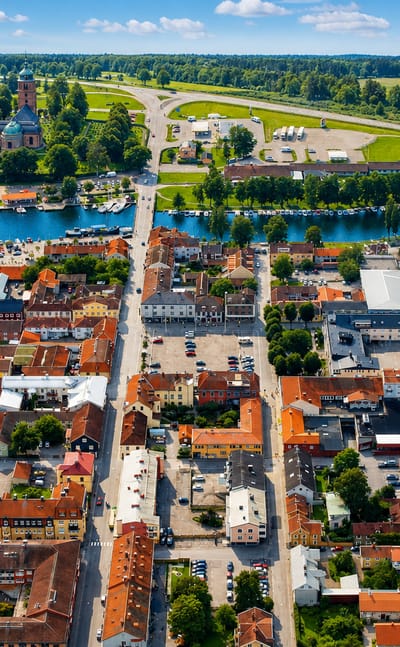
Askersund
Askersund is a small town in Örebro County, central Sweden, standing at the northern tip of Lake Vättern.Where to stay →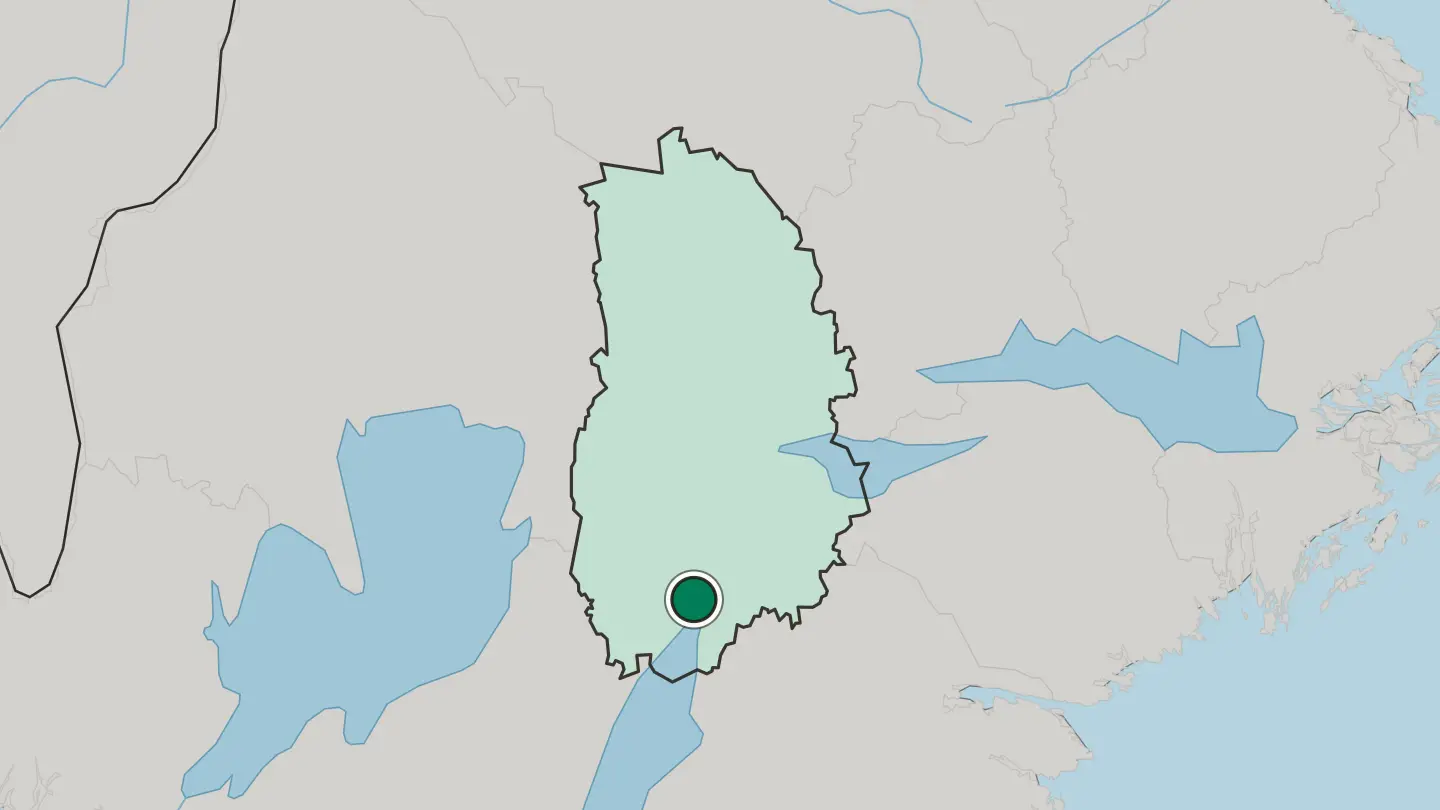
 Sweden
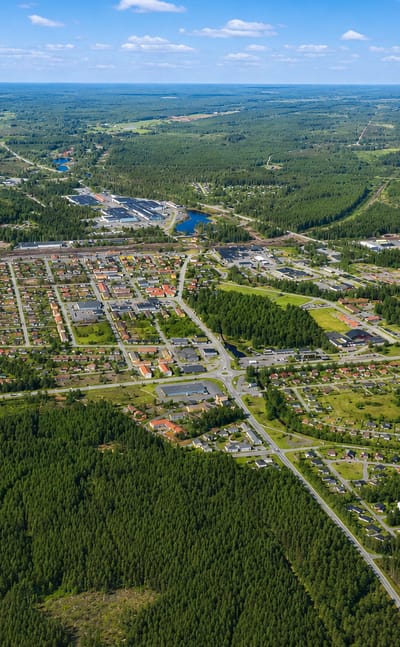
Laxå
Laxå is a small town in the south-western part of Örebro County, in central Sweden, the seat of Laxå Municipality near the Tiveden forest.Where to stay →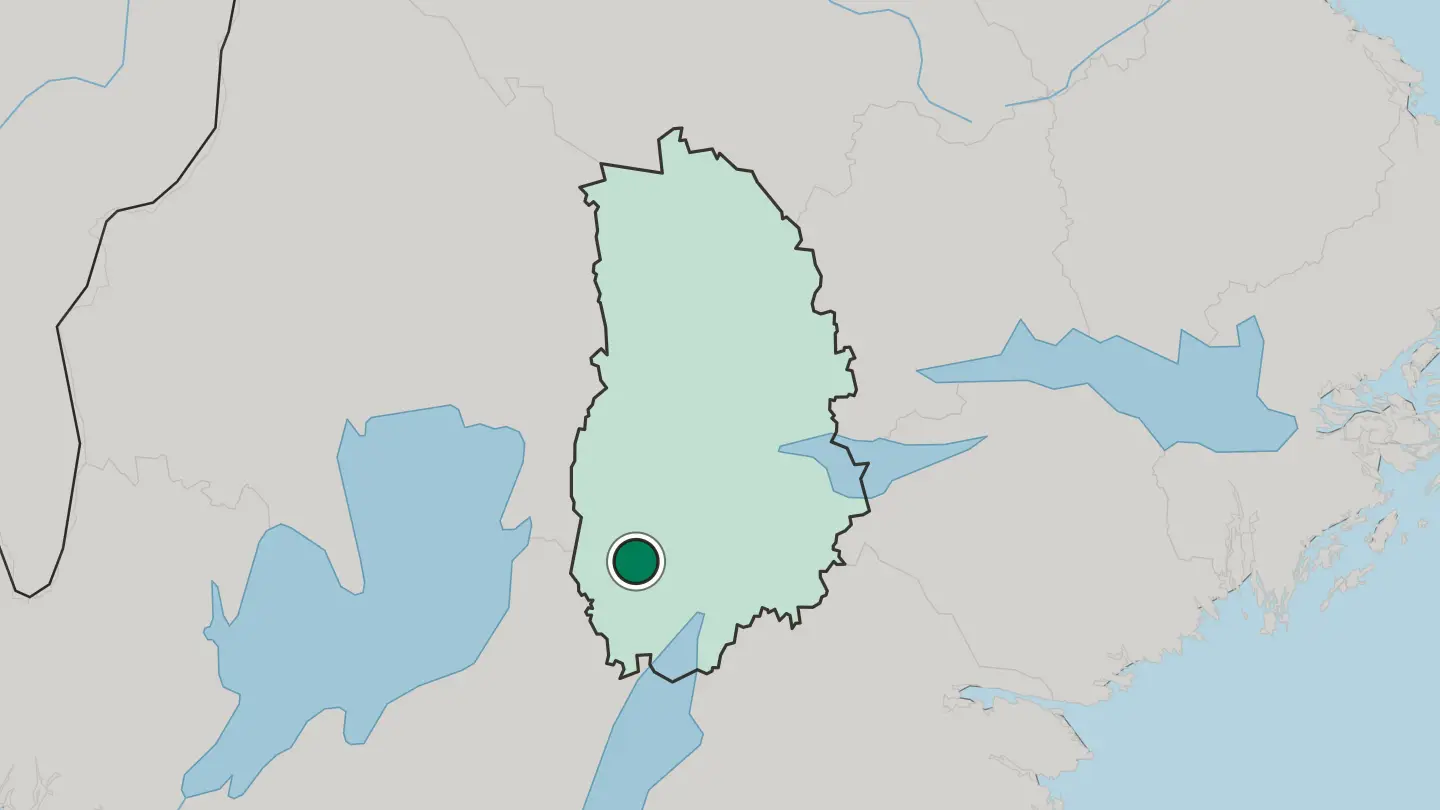
 Sweden
Kopparberg
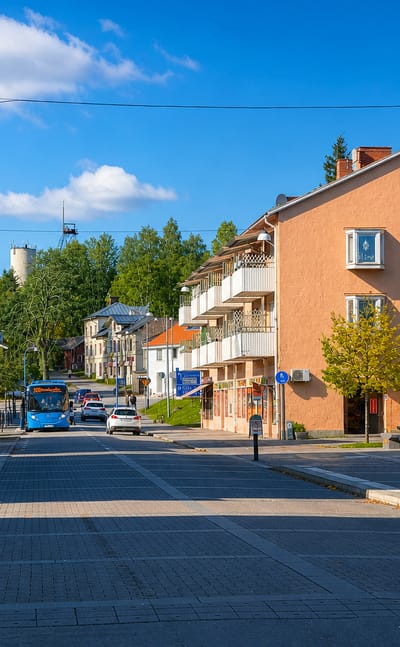
Kopparberg is a small mining town in the north-western part of Örebro County, in central Sweden, the seat of Ljusnarsberg Municipality.Where to stay →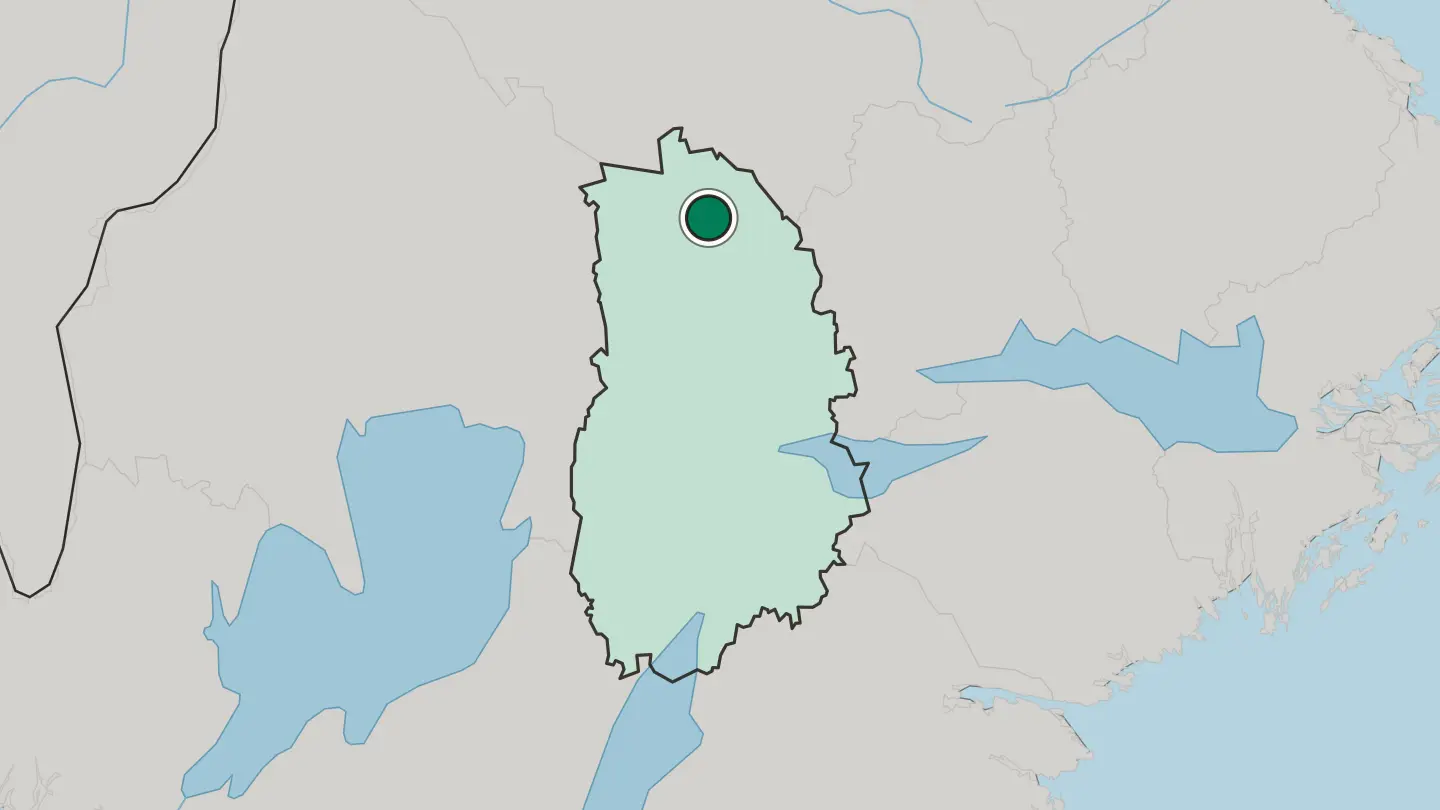
 Sweden
Fjugesta
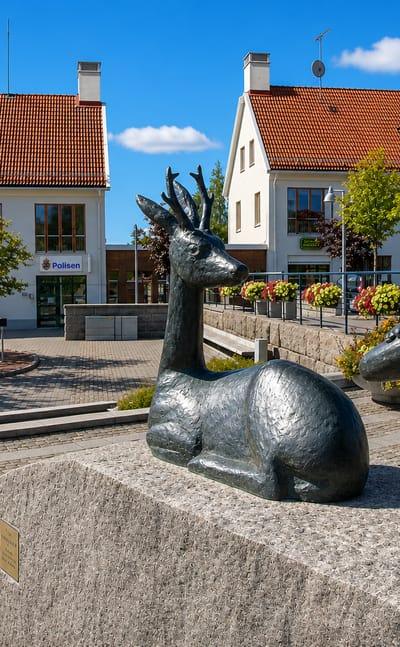
Fjugesta anchors Lekeberg Municipality. Parish churches, lake water and worked farmland ring the seat of a district in central Sweden.Where to stay →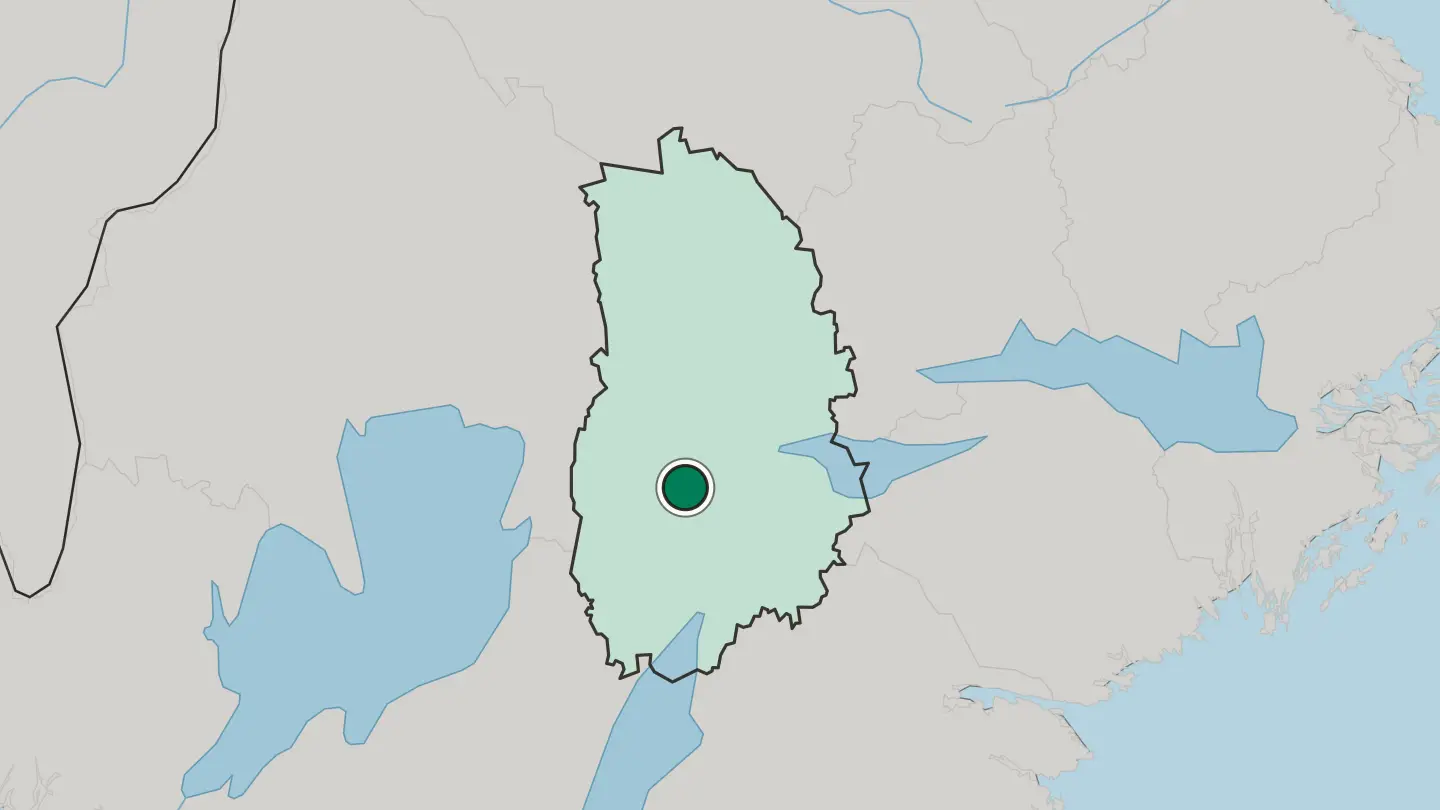
Hotel links are affiliate links: booking through them may earn us a commission, at no extra cost to you. It never affects how places are ranked. How this works
About Örebro County
Örebro sits at the heart of this county.
What is Örebro County known for?
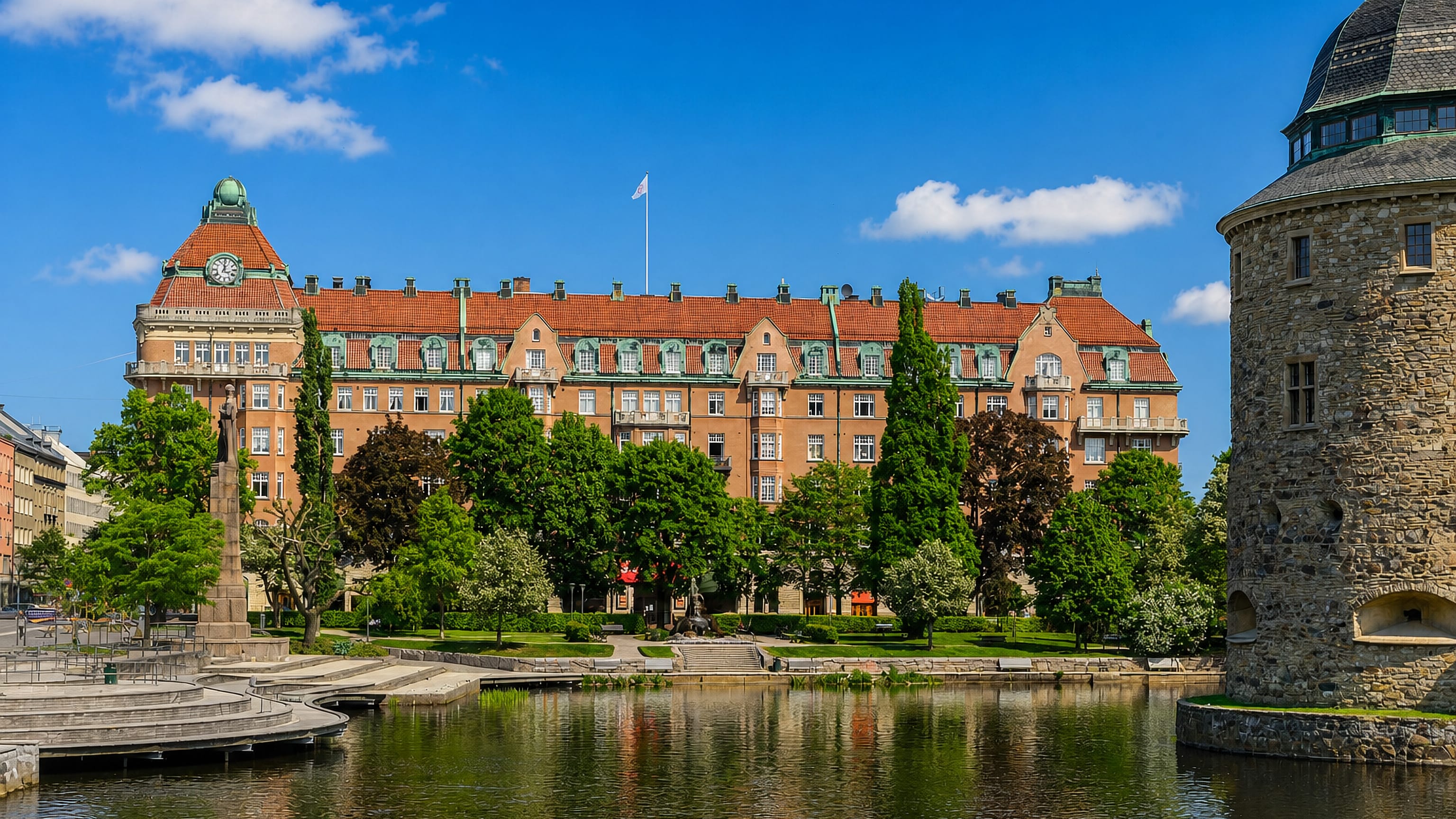
Its medieval castle rises on an islet in the Svartån, the landmark that gives the city its profile and draws most visitors. The plains of Närke spread south to Lake Hjälmaren, while the wooded Kilsbergen ridge and the old mining country of Bergslagen climb away to the north and west. Castle, plain, and forest shape the län.
History runs through all of it.
Where is Örebro County?
Örebro County occupies a varied stretch of the southern part of central Sweden, from the lowland plains to the forested uplands. The centre is open farmland. The flat clay plain of Närke spreads around Örebro, drained by the Svartån and watered by Lake Hjälmaren on its eastern edge, one of the larger lakes in the country.
Behind the plain the land rises sharply to the wooded ridge of the Kilsbergen, a long fault scarp that walls off the lowland from the highlands beyond. The north and west belong to Bergslagen. This is mining country.
Forest, lake, and bog cover the hilly interior where iron was once dug and smelted across the old ore district, threaded by rivers and small mill towns. Lake Vättern touches the county's south-western corner, while the borders run to Värmland in the west, Västmanland in the east, and the great lakes toward Östergötland in the south. Plain, ridge, and ore country together set the geography of this central county.
What is Örebro County like?
Two worlds shape the culture here. The Närke plain carries an old agrarian life of farms, market towns, and a famous tradition of cider and apple growing, while the northern uplands belong to the mining culture of Bergslagen, with its forges, bruk villages, and labour heritage. The contrast between field and forge runs through dialect, food, and festival across the county.
Folk music and harvest fairs draw on both inheritances. Örebro carries the urban culture. Built around its castle and the Svartån, the city keeps the open-air museum of Wadköping, a street of preserved wooden houses that gathers the older town into one place, and its theatres and concert life anchor the cultural calendar. The poet and songwriter heritage of Närke runs deep, from local ballad tradition to celebrated writers born on the plain.
The mining villages keep their own quieter museums and forge sites. Farm life, mining history, and the draw of the castle city together give Örebro County a culture rooted in both plain and ore country.
What is the history of Örebro County?
Örebro guards an old crossing. Its castle grew from a medieval fortress set where the road met the Svartån, controlling the route between the southern and central provinces. The county dates from 1634.
Through the centuries the town hosted parliaments and royal meetings, and in 1810 a famous Riksdag here chose a French marshal as heir to the Swedish throne. Mining in the northern Bergslagen carried the wider region through the industrial age.
What is the climate of Örebro County?
The county has a temperate inland climate. The plains around Örebro and Lake Hjälmaren enjoy fairly mild, settled weather by Swedish standards, with warm summers that ripen the fields and orchards. Winters lay down snow and frost across the plains.
The northern uplands of Bergslagen and the Kilsbergen ridge run colder and snowier than the lowland south, holding their cover well into spring. Rain falls across the year, heaviest in late summer. Spring arrives earlier on the open plain than in the wooded highlands, where the cold lingers under the trees.
How do you get to Örebro County?
Örebro is the main gateway. The city sits on the railway between Stockholm and the west, with trains linking it to the capital in around two hours and onward toward Göteborg, and Örebro Airport handles some scheduled and charter flights. Drivers reach the county on the E18 and the E20, which cross near the city.
Karlskoga, Lindesberg, and Hallsberg sit on the rail network too. Buses connect the plains towns with the mining villages of the north.
Common questions
What is the best area to stay in Örebro County?
Örebro: first-time visitors. Kilsbergen and Bergslagen: hikers climbing into the Kilsbergen. Karlskoga and Lindesberg: drivers in the west.
Good for
More regions in Sweden
Updated September 2026