Sweden · Örebro County
Where to Stay in Örebro, Örebro County
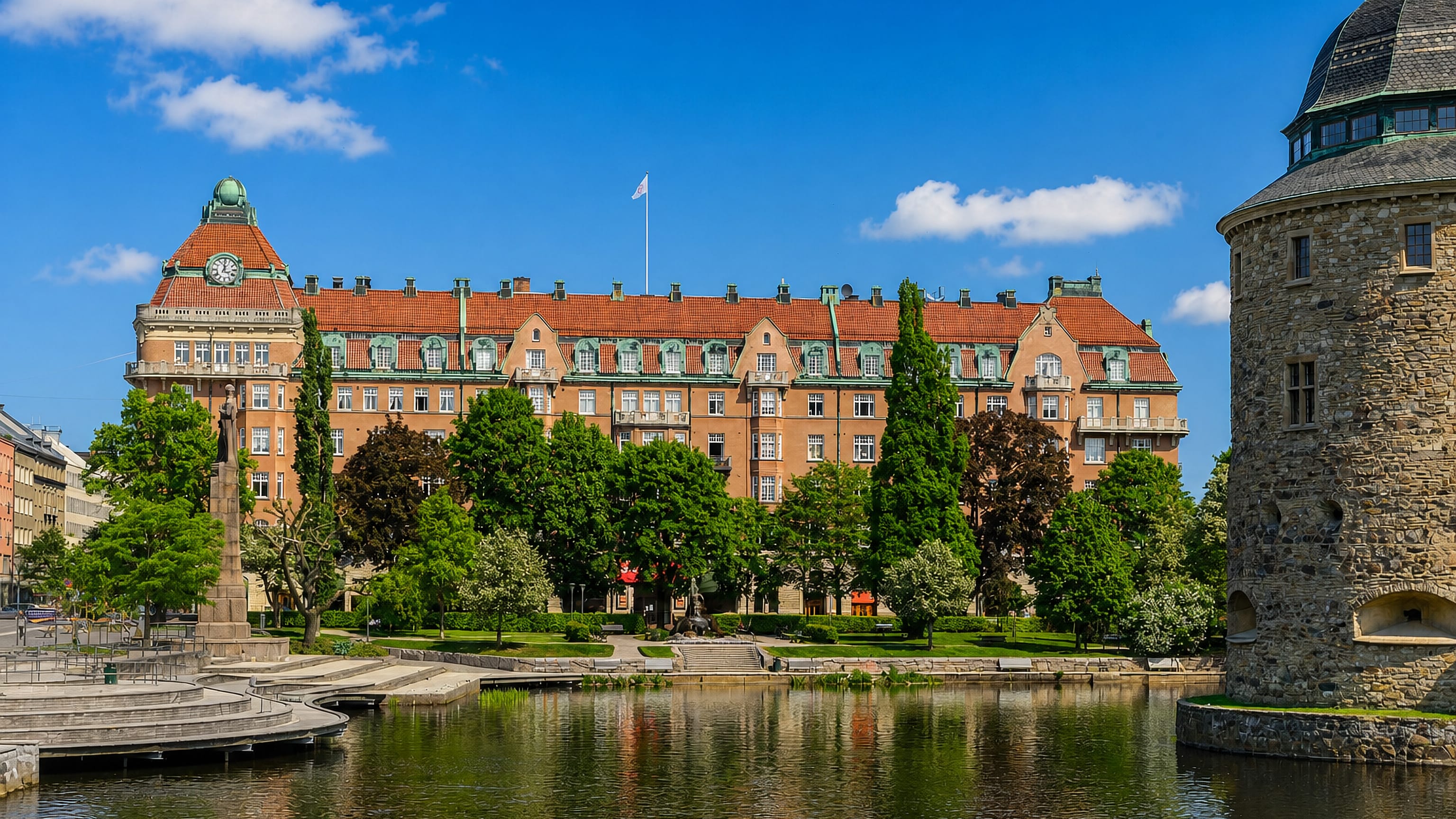
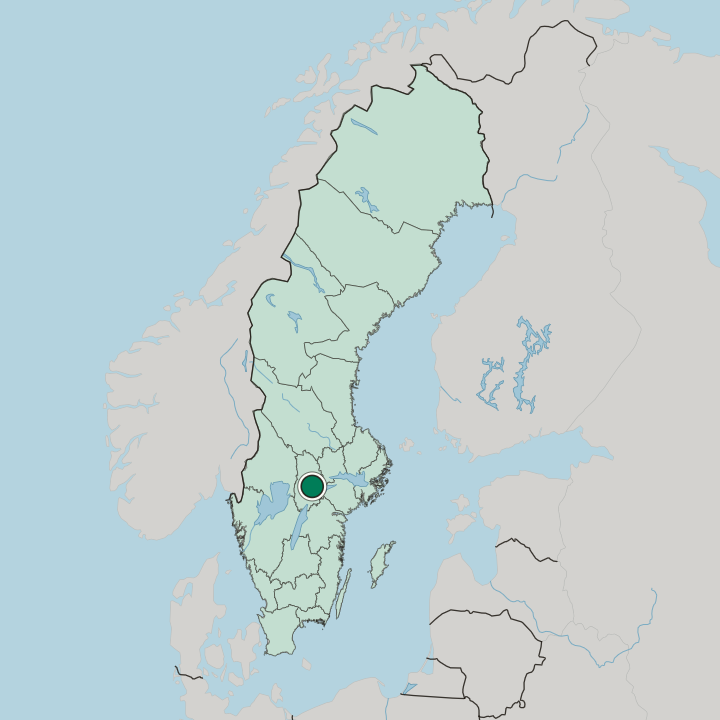
Örebro is an inland city in the eastern part of Örebro County, in central Sweden, seat of its county and a castle town on the Svartån river.
Hotel links are affiliate links: booking through them may earn us a commission, at no extra cost to you. It never affects how places are ranked. How this works


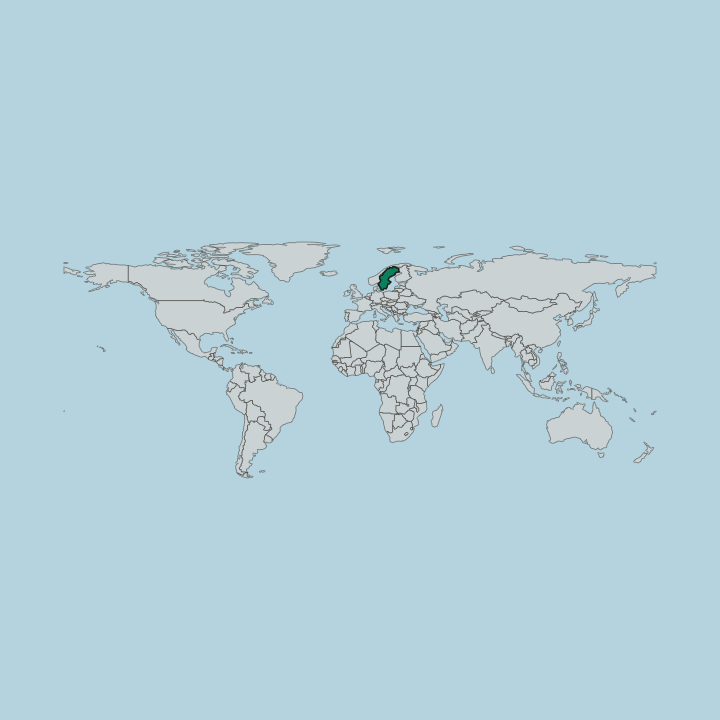
Where to stay in Örebro
One neighbourhood here has its own guide — here's what it is best for.
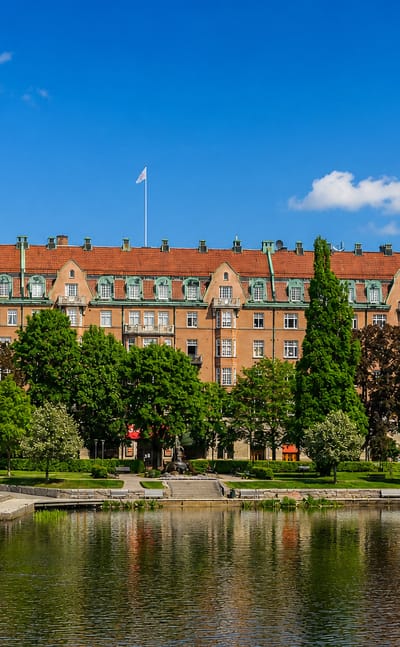
 ÖrebroSweden
Almby
Almby is a district of Örebro in Sweden, a church village that grew into an industrial town and now holds Örebro University.Where to stay →Hotel links are affiliate links: booking through them may earn us a commission, at no extra cost to you. It never affects how places are ranked. How this works
Find hotels in Örebro
Direct booking searches for these neighbourhoods.
City centre
hotels by the castle, river, and main square. Beds are limited here, so book early.Find hotels in City centretravellers wanting a calmer baseWadköping and the river parks
smaller hotels near the old wooden quarter and parklandFind hotels in Wadköping and the river parkssummer families and driversHjälmaren and the Närke country
campsites, cabins, and farm stays by the lakeFind hotels in Hjälmaren and the Närke countryHotel links are affiliate links: booking through them may earn us a commission, at no extra cost to you. It never affects how places are ranked. How this works
Things to do in Örebro
Ranked by global recognition; descriptions from Wikidata (CC0).
Museums & Galleries
3- Wadköping
- Karlslund Manor working life museum
- Idrottsmuseet
Churches & Religious Sites
6- Saint Nicholas Church Heritage Church of Sweden church building
- Olaus Petri Church Heritage
- Almby Church Heritage
- Längbro Church Heritage Church of Sweden building
- Saint Michael's Church Heritage
Show 1 more →
- Adolfsberg Church Heritage
Castles & Historic Sites
1- Örebro Castle Heritage medieval fortification at Svartån
Stadiums & Sports
2- Gustavsvik
- Idrottshuset
Landmarks & Notable Places
1- Örebro läns museum Heritage heritage institution
worth knowingacross 5 categories in Örebro
About Örebro
Örebro is a castle city.
What is Örebro known for?
Its moated fortress, Örebro slott, stands on an island in the Svartån at the heart of the old centre, and around it spread parks, a riverside walk, and the lanes of the medieval town. The city is a major inland hub. Standing on the Närke plain near the lake Hjälmaren, it serves as one of the country's busiest logistic and commercial centres, drawing visitors for its waterside setting, its churches, and the open-air district of Wadköping just east of the core.
What are the main landmarks in Örebro?
Örebro slott rises from its island in the Svartån, the moated castle whose round towers mark the city centre. Sankt Nikolai kyrka, the medieval town church, stands by the main square nearby. The riverside is a sight in itself.
Olaus Petri kyrka, Längbro kyrka, and the older parish churches of Almby and Adolfsberg ring the wider city, while the free-church meeting halls of Betelkyrkan and Immanuelskyrkan add to the spread, and the sports arena of Idrottshuset and the open-air museum quarter of Wadköping draw their own crowds. Sankt Mikaels kyrka closes the circle.
What is the history of Örebro?
The town was chartered in the 12th century. Örebro grew at a ford on the Svartån where trade roads crossed the Närke plain, and through the medieval age it rose into a market and castle town, gathering the fortress on its river island, the town church of Sankt Nikolai, and a cluster of merchant houses along the water. Kings held meetings here. The riksdag of 1810, which named the French marshal Bernadotte heir to the Swedish throne, met within the castle walls.
Fire shaped the modern city. A great blaze in 1854 swept away much of the old wooden town, and the streets that rose afterward were laid out broad and straight in stone and brick, giving Örebro the open grid of its present centre. The railway came soon after.
The city became a centre of the shoe and leather trade, drawing workers and growing well beyond its medieval bounds, and in the years that followed it took shape as a county seat, a university city, and one of the main inland hubs of trade and transport in central Sweden.
Where is Örebro?
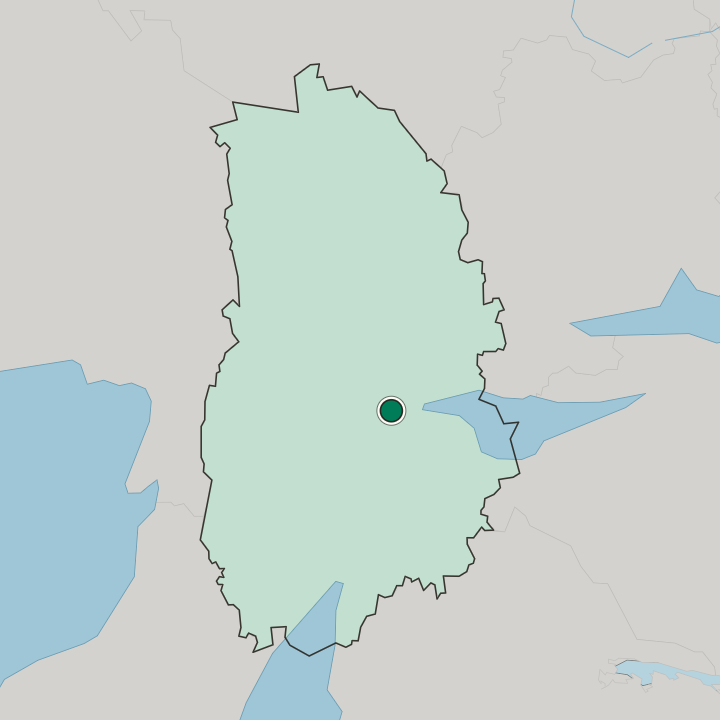
Örebro lies in the eastern part of Örebro County, on the Närke plain a short way inland from the western shore of the lake Hjälmaren. The small river Svartån winds through the city and out toward the lake, and around the centre spread flat farmland, low wooded ridges, and the wetlands of the Kvismaren basin to the south-east. The setting is inland and level.
Roads and rail tie the city east to Stockholm, west toward Karlstad and the Värmland country, and south to the lakes and forests of southern Närke.
What is the climate of Örebro?
Örebro has a humid continental climate, shaped by its inland position. Winters run cold and often snowy, with the distance from the sea and the flat open plain letting the temperature drop well below freezing through the dark months, while the nearby lake Hjälmaren can soften the sharpest edges of the cold. Summers run warm and long here.
The days stretch late into the evening at midsummer, and the warm season brings the city's busiest and brightest weeks for visitors and outdoor life. Spring and autumn are changeable and brisk.
How do you get to Örebro?
Örebro sits on the main railway between Stockholm and the west, with frequent trains through the day. Drivers reach the city on the motorway from Stockholm and the roads west toward Karlstad. The bus network ties it to the surrounding towns of Närke.
A small airport lies just south-west of the centre with limited flights, while the larger airports near Stockholm serve as the main long-haul gateways and connect by rail and road to the city in about two hours.
Common questions
What is the best area to stay in Örebro?
City centre: first-time visitors and business guests. Wadköping and the river parks: travellers wanting a calmer base. Hjälmaren and the Närke country: summer families and drivers.
Good for
More cities in Örebro County
Updated October 2026