Sweden · Örebro County
Where to Stay in Lindesberg, Örebro County
Lindesberg is a small town in the northern part of Örebro County, in central Sweden, the seat of Lindesberg Municipality on the shore of Lake Lindesjön.
Hotel links are affiliate links: booking through them may earn us a commission, at no extra cost to you. It never affects how places are ranked. How this works


Where to stay in Lindesberg
The practical side of choosing where to sleep.
Most visitors stay in or near the town centre, where a small stock of hotels, inns, and guesthouses sits within easy reach of the railway station, the church, and the shore of Lake Lindesjön at the heart of the old market town. The centre suits travellers who want a quiet base in the Bergslagen hills with the lake, the shops, and the trains close at hand. Town rooms are limited.
Demand rises in the warm season and around local markets and festivals, when the small supply of beds in town fills and overspill heads to Örebro or to the cabins and camp sites scattered through the woods and along the lakes of the district. Beyond the centre, the parish offers holiday cottages, hostels, and lakeside lodgings for those touring by car or seeking the calm of the forest country. Book ahead for busy weekends.
The town is small, and its draw as a lakeside and mining-heritage destination presses hard on its limited rooms whenever an event or the summer season fills the calendar.
Find hotels in Lindesberg
Direct booking searches for these neighbourhoods.
Town centre
hotels and inns near the station, the church, and the shore of Lake Lindesjön. Lodging is scarce in this area; reserve in advance.Find hotels in Town centredrivers and forest wanderersForest and lakes
cottages and camp sites around Lindesjön and the Bergslagen woodsFind hotels in Forest and lakesHotel links are affiliate links: booking through them may earn us a commission, at no extra cost to you. It never affects how places are ranked. How this works
About Lindesberg
Bergslagen iron made the town.
What is Lindesberg known for?
Lindesberg grew in the Bergslagen mining belt, and the trade in iron and the work of the surrounding mines gave it the wealth to win a town charter from Queen Christina in 1643. Water and old streets define it. The town sits on the shore of Lake Lindesjön, its centre keeping the grid of a market town among the wooded hills, while the church and the lakeside walks anchor a place shaped by ore, forest, and water.
What are the main landmarks in Lindesberg?
Lindesbergs kyrka stands at the heart of the town, the parish church around which the old market settlement grew. Water draws visitors too. Lake Lindesjön frames the centre with its shore walks and waters, while the grid of timber and stone houses recalls the town that iron built and the charter of 1643 confirmed.
Around the settlement, the relics of the Bergslagen mines and ironworks mark the wooded hills that gave Lindesberg its first wealth and its long industrial story.
What is the history of Lindesberg?
Ore drew the first settlers. Lindesberg rose in the Bergslagen mining country on the shore of Lake Lindesjön, where iron was worked from the surrounding hills and a market grew to trade the metal, drawing miners, smiths, and merchants to a settlement among forest and water. The crown valued the iron.
Mining law and the trade in ore governed the lives of the district for generations before the town was formally made. A charter confirmed the town. Queen Christina granted Lindesberg its rights in 1643, raising the market settlement to a chartered town and fixing the grid of streets that still shapes the centre, while the iron trade carried its goods south toward Örebro and the wider country.
Industry changed with the centuries. As the old mines and works declined, the town leaned on services, administration, and forestry, and the railway tied it into the modern network, while the lakeside church and the relics of the mines kept the long Bergslagen story in view.
Where is Lindesberg?
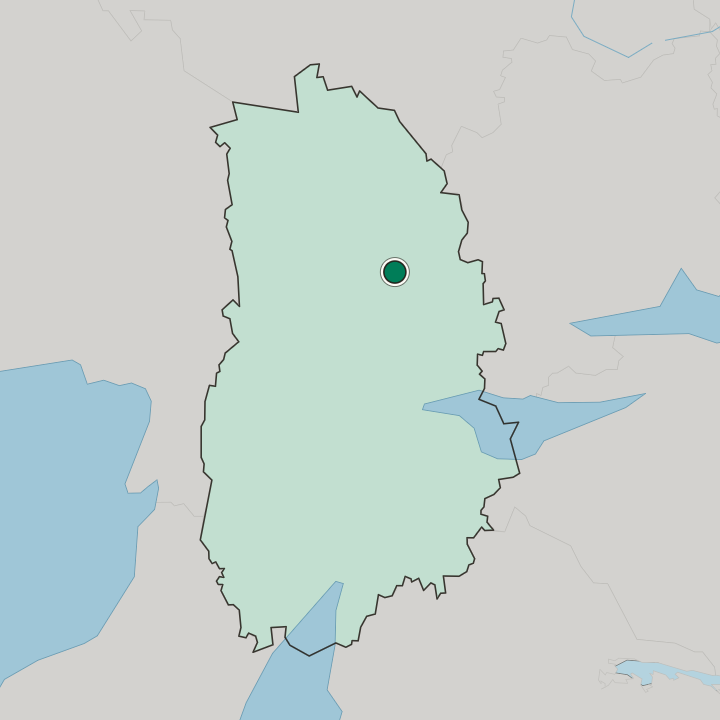
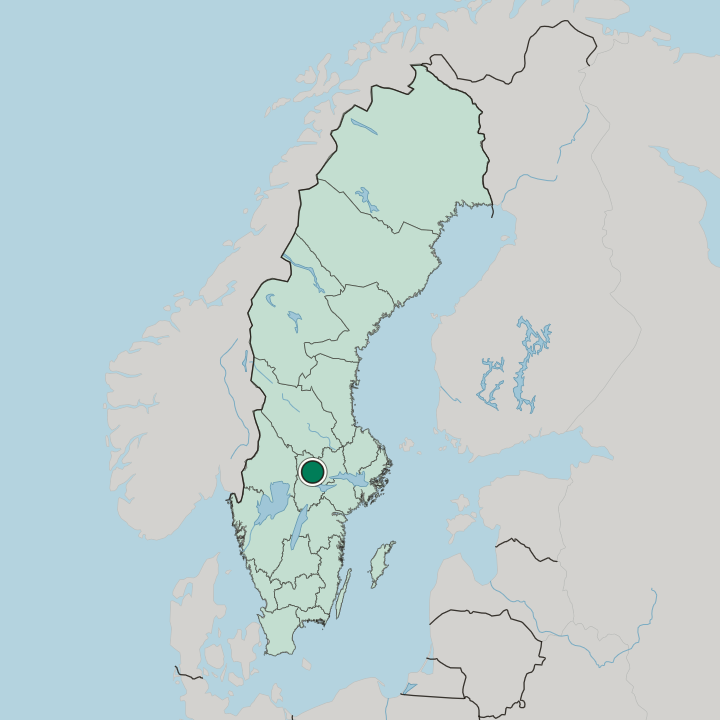
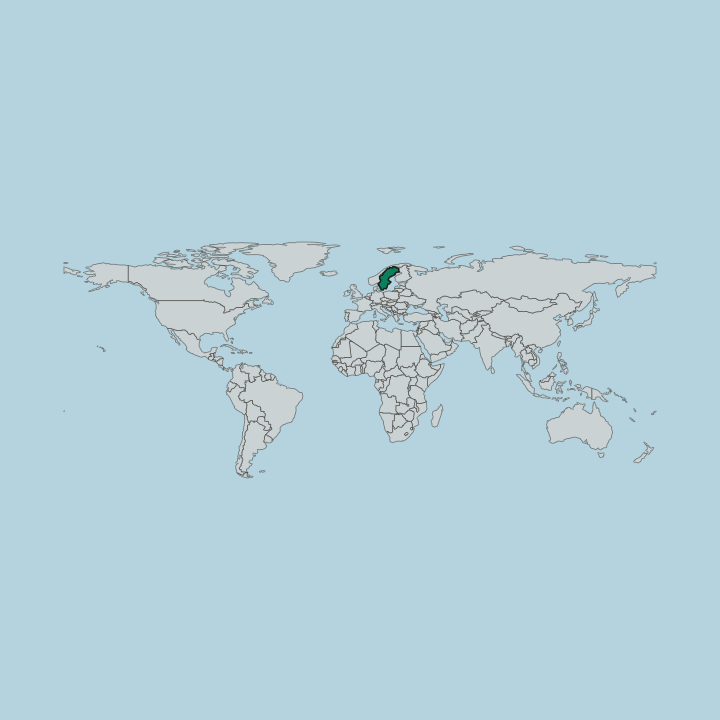
Lindesberg lies in the northern part of Örebro County, set among the forested hills and lakes of the Bergslagen country in central Sweden. The town sits on the water. Lake Lindesjön borders the centre, and around it rise wooded ridges, mixed forest, and the old mining ground of the district, with Örebro to the south and the higher uplands of the Bergslagen interior spreading north toward Dalarna.
The setting is hilly, wooded, and laced with lakes and streams.
What is the climate of Lindesberg?
Lindesberg holds a cold inland climate. Winters are long and snowy, with frost gripping the Bergslagen hills through the dark months and Lake Lindesjön freezing across the depth of the season far from the moderating reach of the open sea. Summers are short but mild.
The long northern days warm the woods and waters, drawing walkers, anglers, and bathers to the lakeshore through the brightest weeks, while spring and autumn bring the cool and often grey weather of the central Swedish interior. Snow can lie well into spring.
How do you get to Lindesberg?
Lindesberg sits on the railway through the Bergslagen country, with trains linking it south toward Örebro and north into the mining belt. Drivers reach it by the regional roads that cross the forest and lake country of northern Örebro County. The train is the simplest way. Örebro, to the south, serves as the nearest larger hub for connections, while its airport and the larger gateways around Stockholm act as the main entry points for visitors coming from further afield.
Common questions
What is the best area to stay in Lindesberg?
Town centre: rail travellers and heritage visitors. Forest and lakes: drivers and forest wanderers.
Good for
More cities in Örebro County
Updated September 2026