Sweden · Värmland County
Where to Stay in Arvika, Värmland County
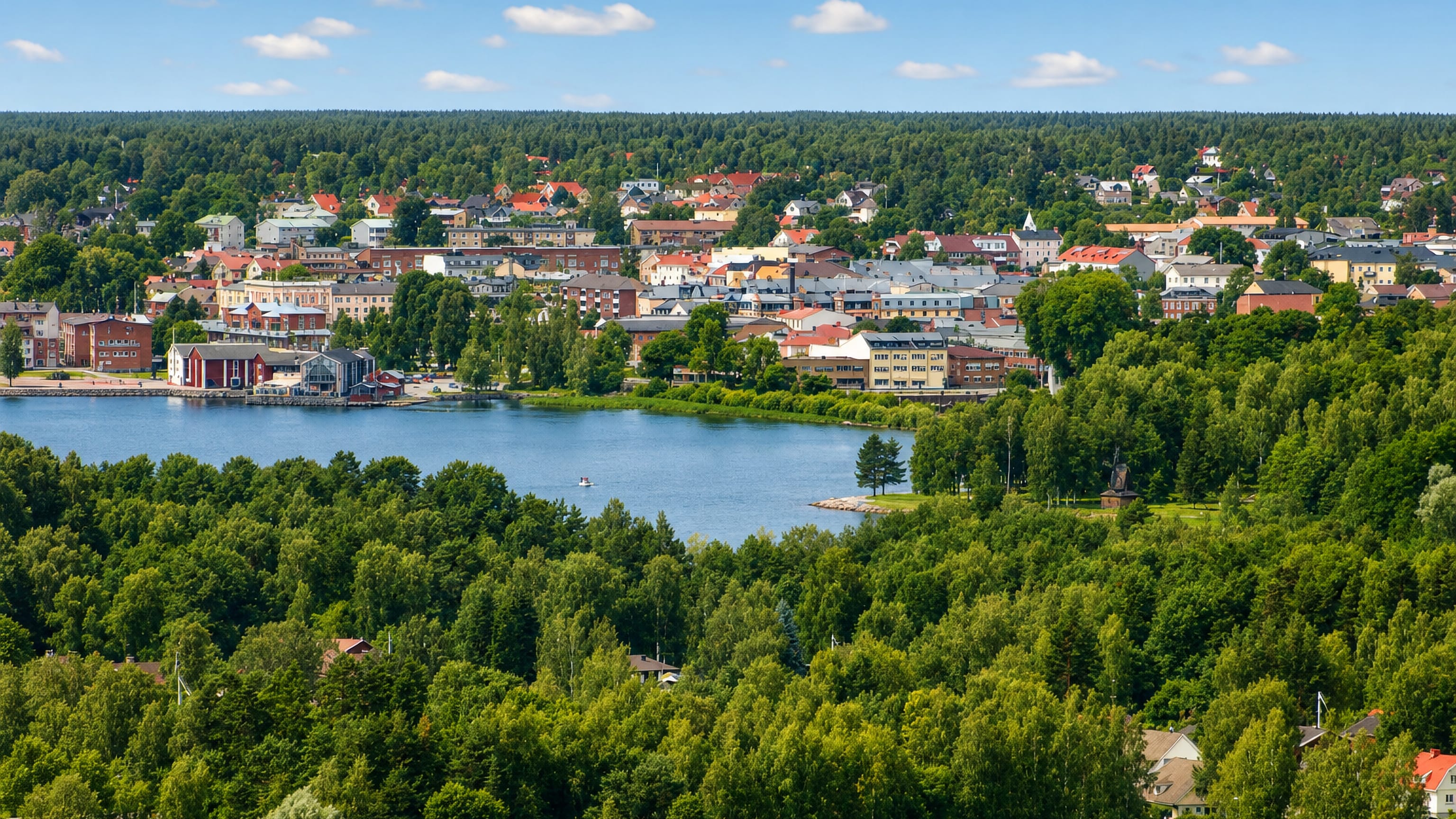
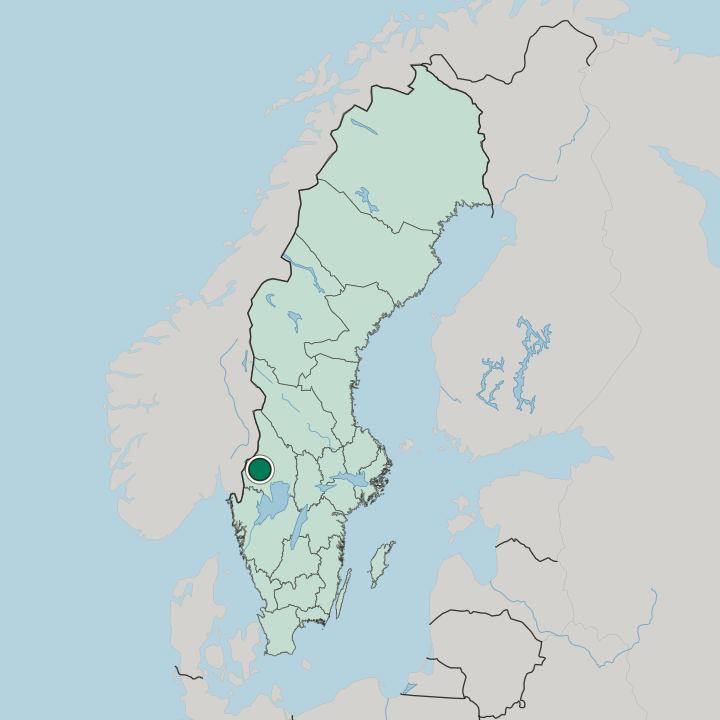
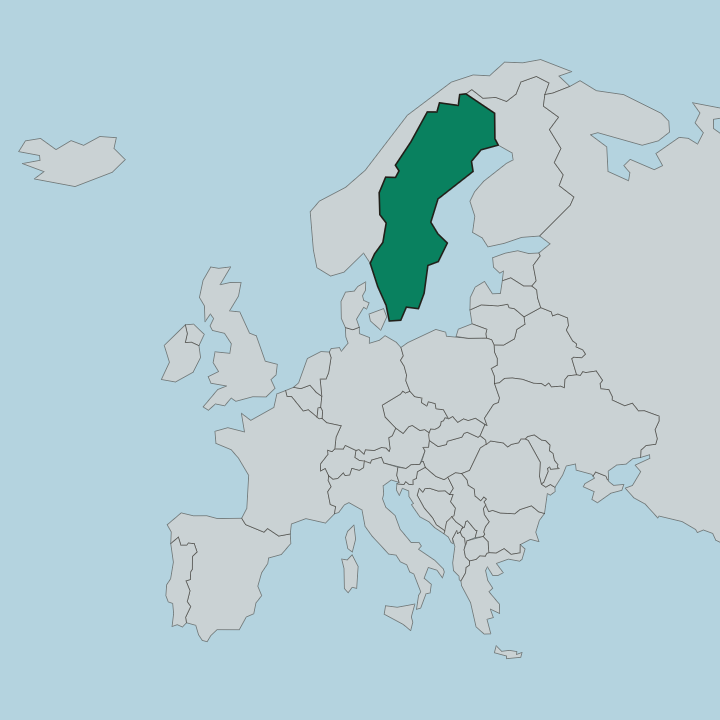
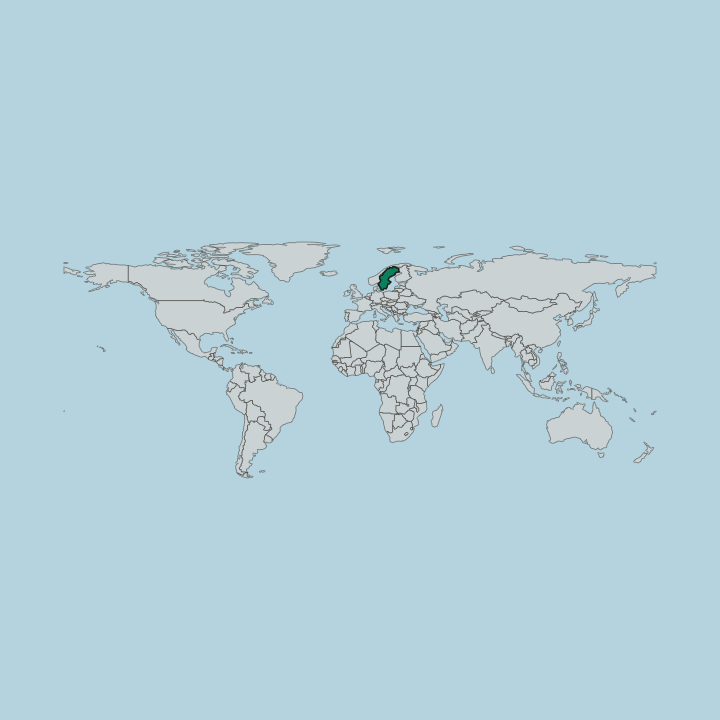
Arvika is a town in the western part of Värmland County, in western Sweden, set on a long inlet of Lake Glafsfjorden near the Norwegian border.
Hotel links are affiliate links: booking through them may earn us a commission, at no extra cost to you. It never affects how places are ranked. How this works


Where to stay in Arvika
Where visitors usually base themselves, and why.
Most visitors stay in the centre of Arvika, where hotels and guesthouses sit within an easy walk of the harbour, the church, and the shops along the inlet. The centre suits those who want a bed close to the water and an easy reach of the museums and the station on the line toward Oslo. It makes a comfortable base.
Out along Lake Glafsfjorden and through the wooded country toward the Rackstad colony, cottages, cabins, and farm stays give a quieter setting for travellers arriving by car and wanting lake and forest at the door. The lake shapes the choices around Arvika. Self-catering cottages by the shore draw families and paddlers through the warm months, and the campsites by the water fill across the summer weeks.
Reserve well before the warm weeks. Beds run short in the high season, and the lakeside cottages go early to visitors who return each year for the water, the art, and the quiet of the western county.
Find hotels in Arvika
Direct booking searches for these neighbourhoods.
Town centre
harbour, church and the shops within a short walkFind hotels in Town centrefamiliesLakeside
cottages and campsites along Lake Glafsfjorden. Few places to stay nearby — book ahead.Find hotels in LakesidedriversToward Rackstad
cabins and farm stays in the wooded artist country. Beds are limited here, so book early.Find hotels in Toward RackstadHotel links are affiliate links: booking through them may earn us a commission, at no extra cost to you. It never affects how places are ranked. How this works
Things to do in Arvika
Ranked by global recognition; descriptions from Wikidata (CC0).
Museums & Galleries
3- Rackstadmuseet working life museum
- Arvika Konsthall
- Arvika Fordonsmuseum
Churches & Religious Sites
2- Trefaldighetskyrkan Heritage
- Mikaelikyrkan Heritage
Landmarks & Notable Places
1- Traungska gården
worth knowingacross 3 categories in Arvika
About Arvika
Arvika is known for art and water.
What is Arvika known for?
The town stands on a long arm of Lake Glafsfjorden in western Värmland, and around it gathered a circle of painters and sculptors whose work gave the district a lasting place in Swedish art. Visitors come for the lake. A colony of artists at nearby Rackstad once worked in the wooded country, and the galleries, the harbour, and the wide water still pull travellers into this corner of the western county near the Norwegian frontier.
What are the main landmarks in Arvika?
Mikaelikyrkan stands in the centre of Arvika, the parish church serving the town and its district. Art fills the place. Rackstadmuseet keeps the work of the painters and sculptors who gathered nearby, Arvika Konsthall shows changing exhibitions in the town, and Trefaldighetskyrkan adds a second church to the streets, while the old farmsteads of Nytomta minnesgård and Traungska gården preserve the rural building traditions of the western county for visitors to the lakeside town.
What is the history of Arvika?
Arvika grew where trade met the lake. A market and a parish stood here on the inlet of Lake Glafsfjorden long before the modern town took shape, the water giving a route for timber, iron, and goods through the western forests toward Norway and the wider world. Farming and forestry filled the early years.
The country stayed rural and green. The town came into its own with the railway and the artists. Chartered in 1911, Arvika drew trade, services, and industry to the inlet, while the colony of painters and sculptors at nearby Rackstad gave the district a name in Swedish art that has outlasted the workshops themselves.
The lake carried the timber out. Mikaelikyrkan, the harbour, the galleries, and the old farmsteads still tie the modern town to its long history by the water of the western county.
Where is Arvika?
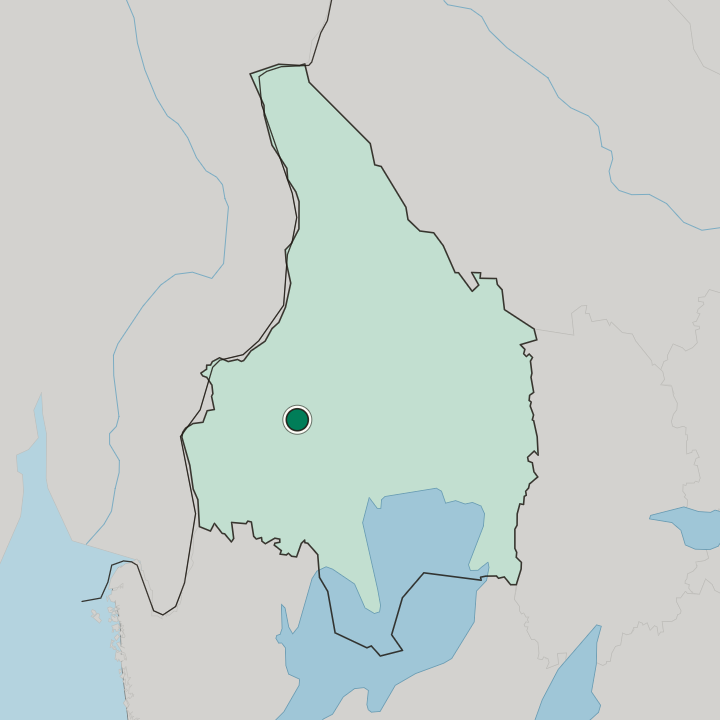
Arvika lies in the western part of Värmland County, set on a long inlet of Lake Glafsfjorden in western Sweden near the Norwegian border. Wooded hills, lakes, and rivers spread across the district, and the town stands at the head of the inlet where the land closes around the water. The country is green and hilly.
Forest covers much of the ground, and the railway and main road run west toward Norway and east toward Karlstad, threading the lakes and the woods of the western county together.
What is the climate of Arvika?
Arvika holds a cool temperate climate with a distinct inland edge. Winters are cold and often snowy, the lakes and forests lying well away from the moderating reach of the sea, and the western hills holding the cold through the long dark months of the year. Summer warms the lakes and woods.
Long northern daylight stretches the evenings late around midsummer, the season that fills the lakeside cottages and brings paddlers out onto the wide water of Glafsfjorden. Both rain and snow visit this inland country.
How do you get to Arvika?
Arvika sits in the western part of Värmland County, on the railway and main road between Karlstad and Oslo. Trains stop here on the cross-border line, and the road follows the same corridor west toward Norway and east toward the county town. Local buses link the town centre.
The nearest larger airport lies at Karlstad, with Oslo not far across the frontier, so visitors arrive by train or by car, the journey in winding through the lakes and forests of the western county to reach the inlet.
Common questions
What is the best area to stay in Arvika?
Town centre: first-timers. Lakeside: families. Toward Rackstad: drivers.
Good for
More cities in Värmland County
Updated October 2026