Sweden
Värmland County, Sweden — Towns & Travel Guide
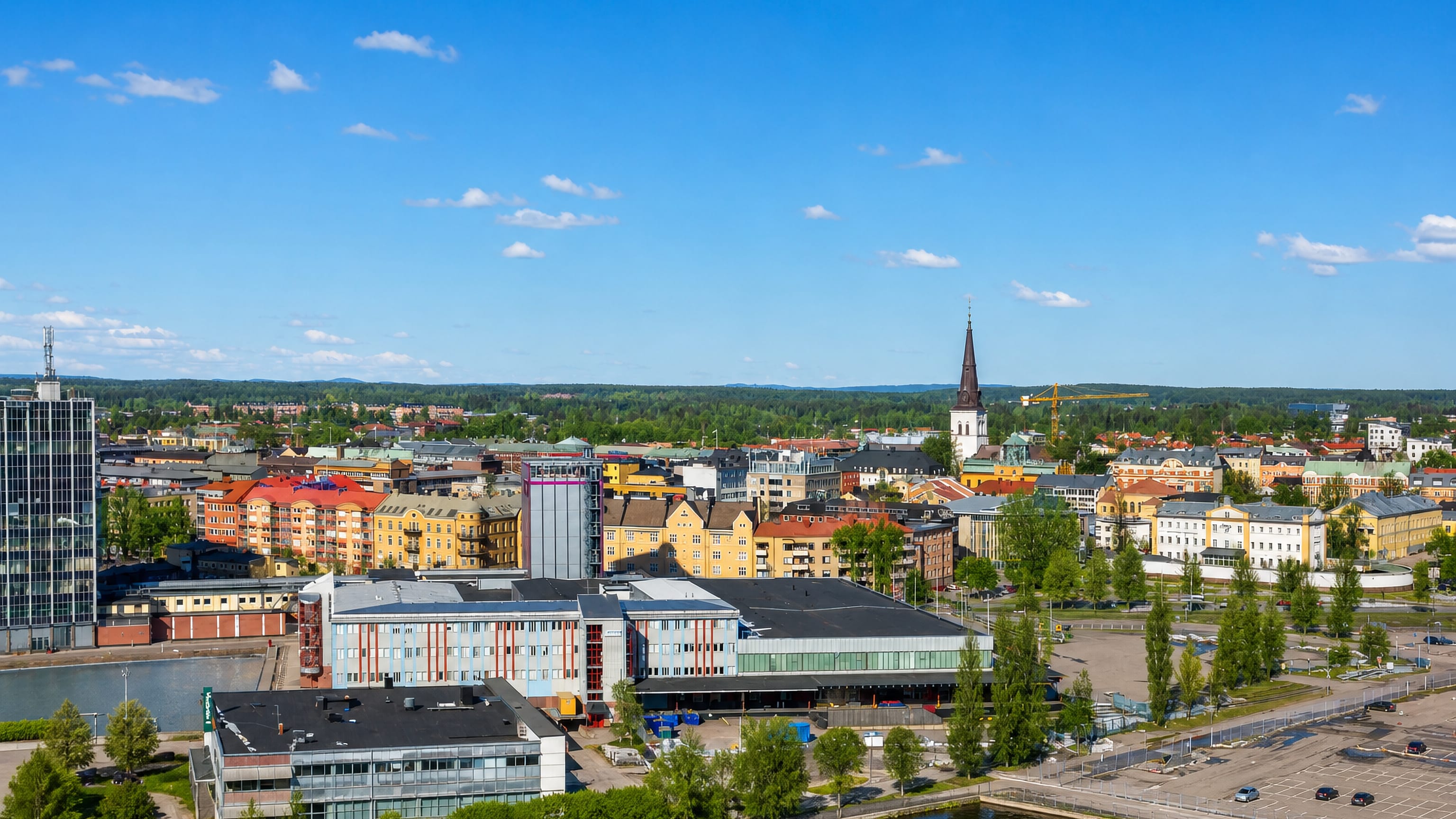
Värmland County is a region of deep forest, long rivers, and lakes reaching to the Norwegian border, with Karlstad on Lake Vänern as its capital.
Hotel links are affiliate links: booking through them may earn us a commission, at no extra cost to you. It never affects how places are ranked. How this works


Towns & cities in Värmland County
Pick a town or city — each links to where to stay.
 Sweden
Karlstad
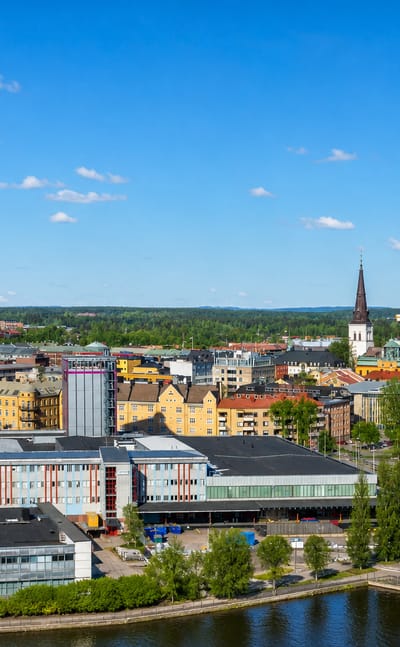
Karlstad is the largest city of Värmland, in western Sweden, the county seat where the Klarälven river flows into Lake Vänern.Where to stay →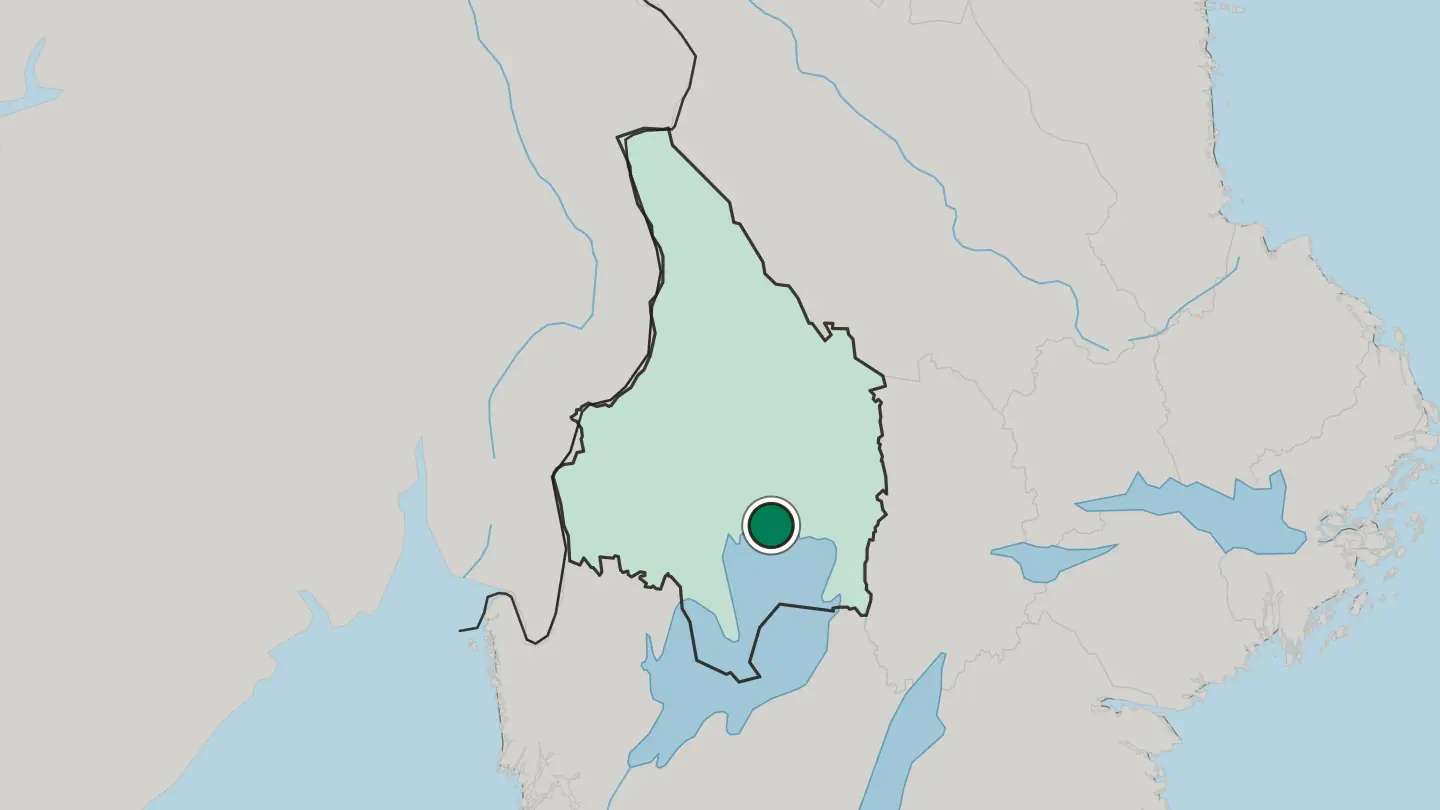
 Sweden
Kristinehamn
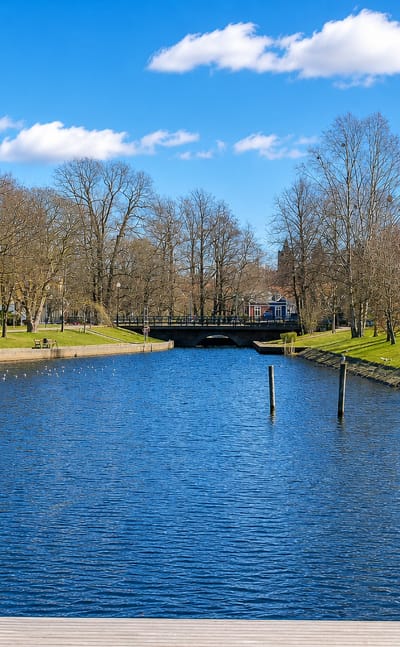
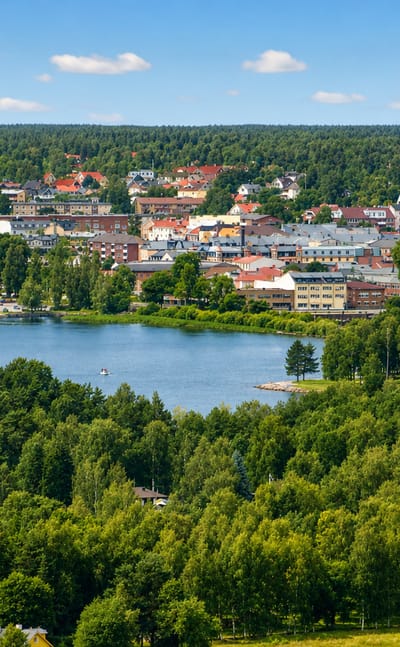
Kristinehamn is a town in the south-eastern part of Värmland County, in central Sweden, the seat of its municipality on the shore of Lake Vänern.Where to stay →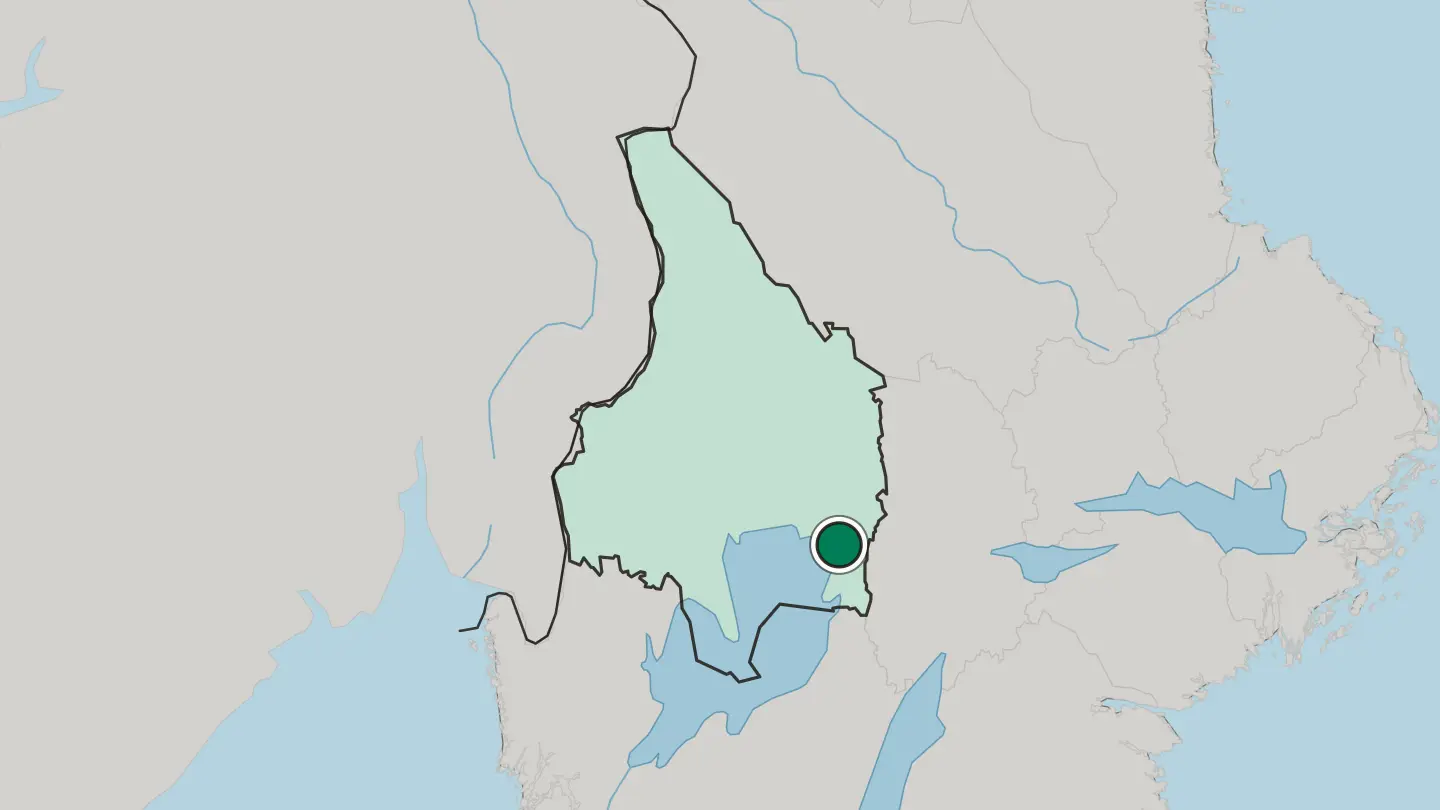
 Sweden
Arvika
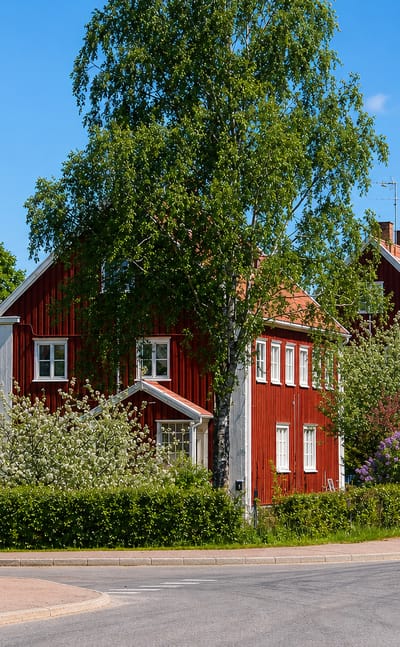
Arvika is a town in the western part of Värmland County, in western Sweden, set on a long inlet of Lake Glafsfjorden near the Norwegian border.Where to stay →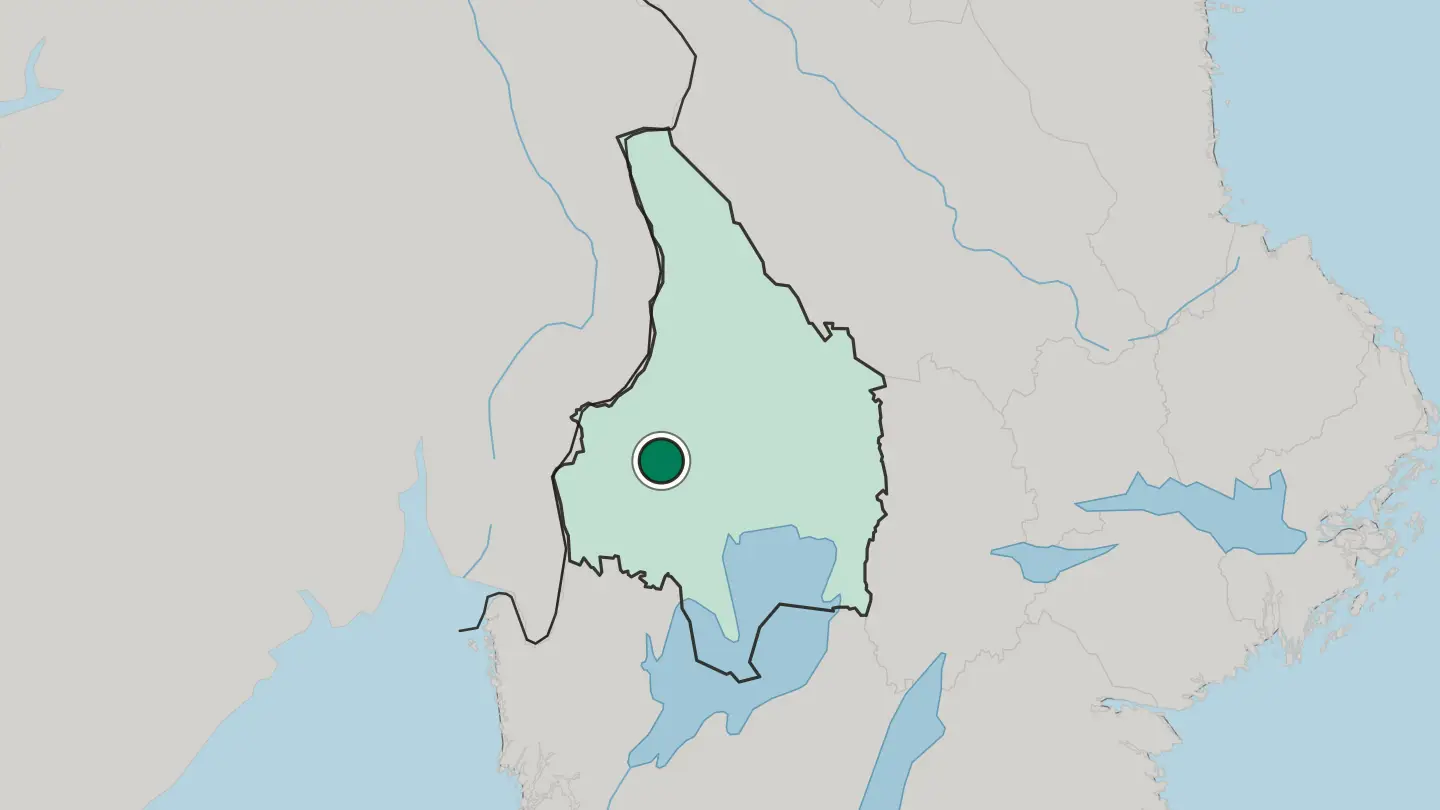
 Sweden
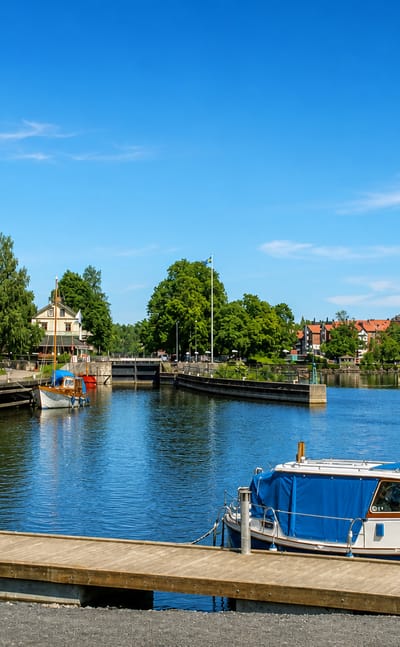
Skoghall
Skoghall is a mill town in the southern part of Värmland County, set on the Hammarö peninsula where the Klarälven meets Lake Vänern in western Sweden.Where to stay →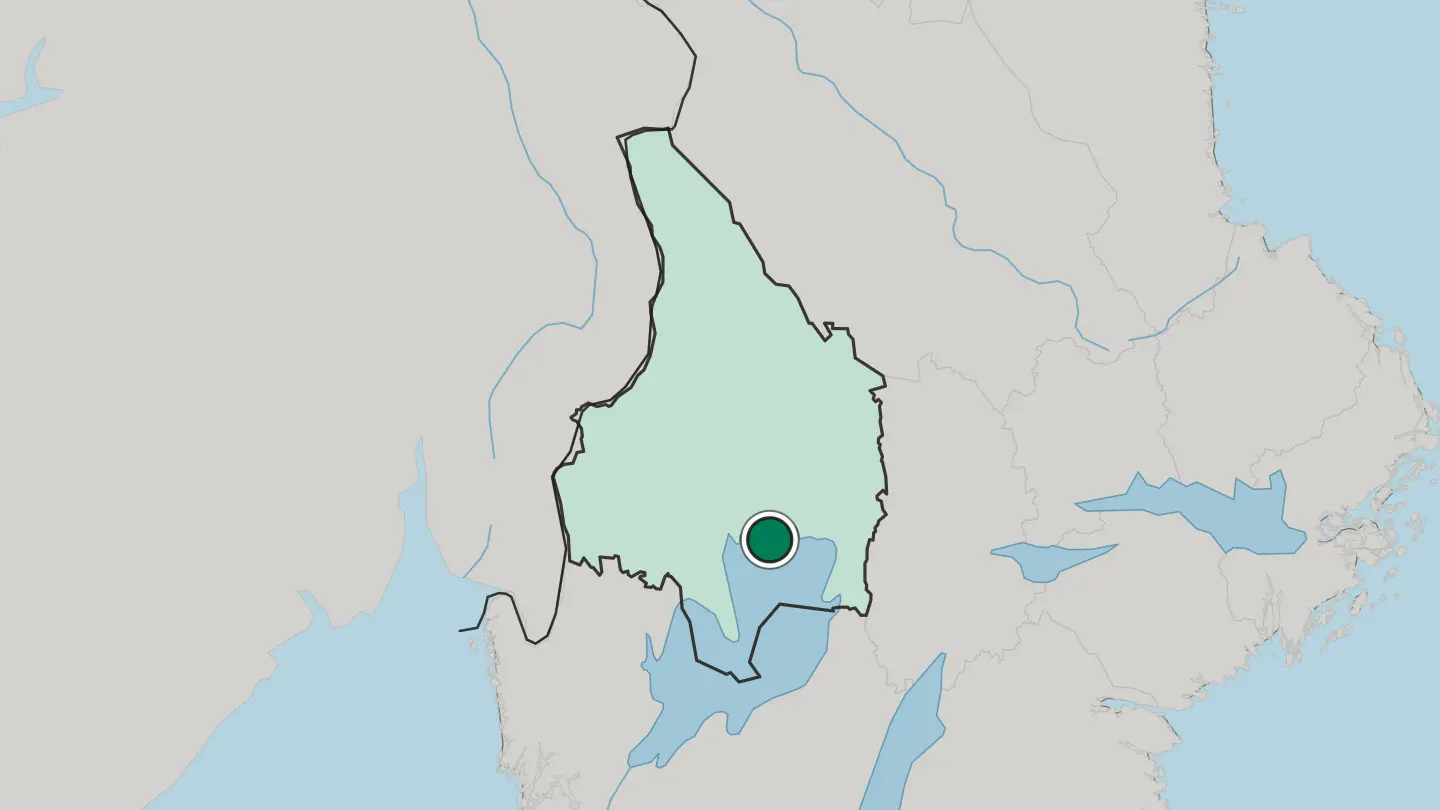
 Sweden
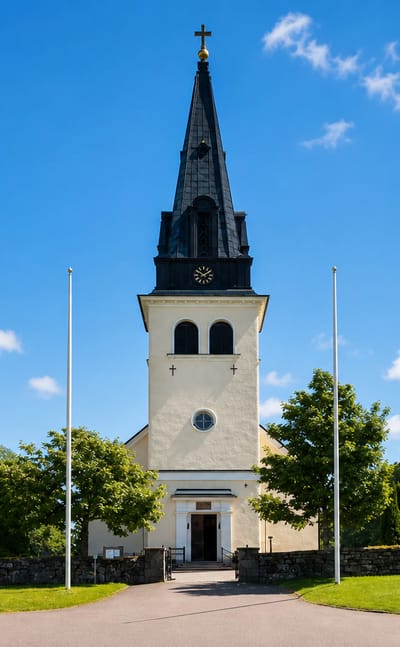
Säffle
Säffle is a town in the south-western part of Värmland County, set on the Byälven river near Lake Vänern in western Sweden.Where to stay →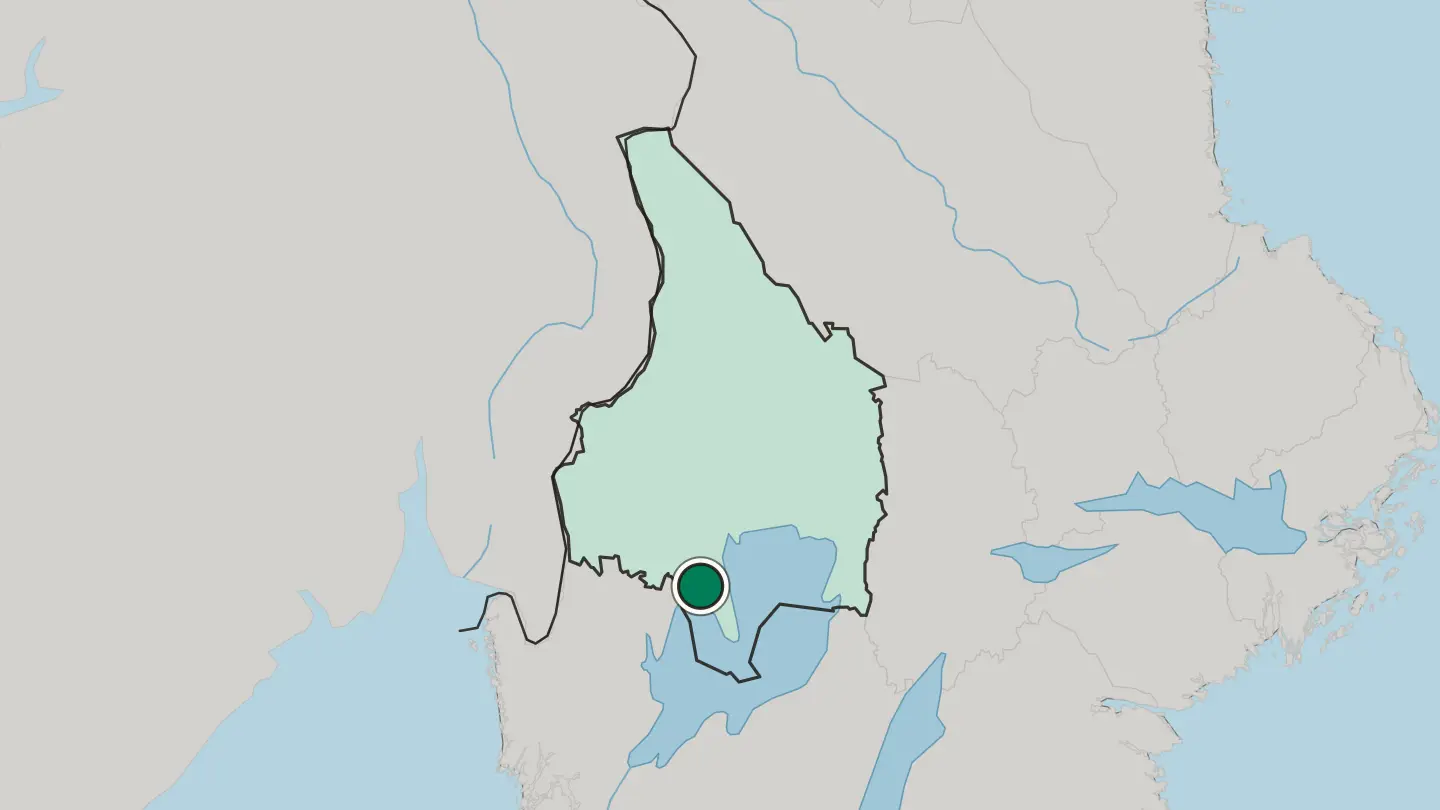
 Sweden
Kil
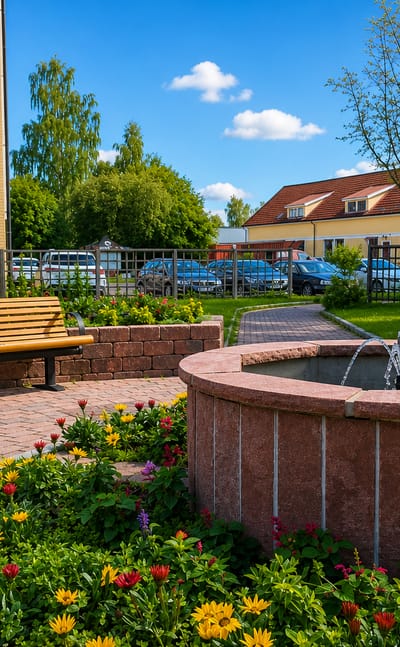
Kil is a small town in the southern part of Värmland County, in western Sweden, the seat of its municipality at the foot of the Fryk lakes.Where to stay →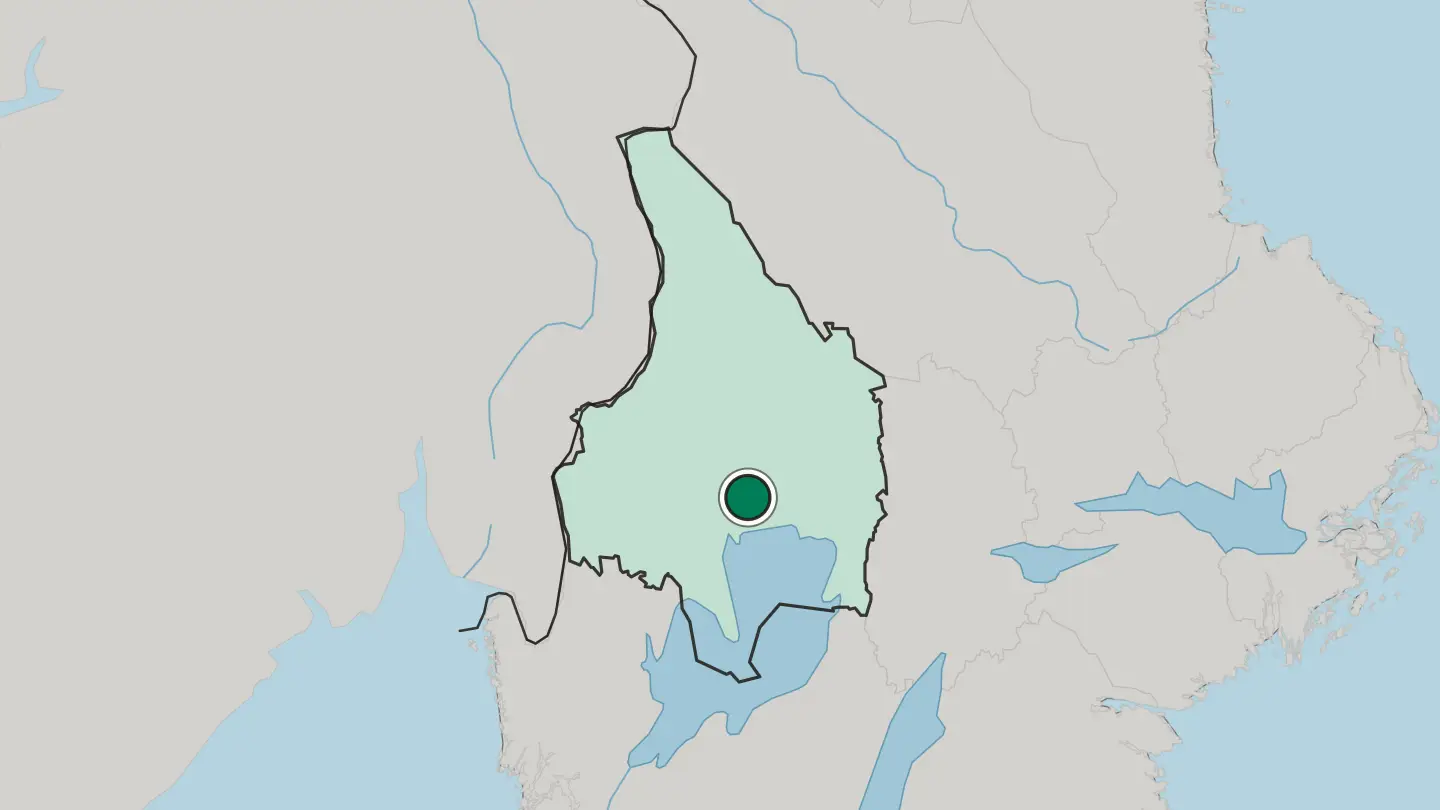
 Sweden
Forshaga
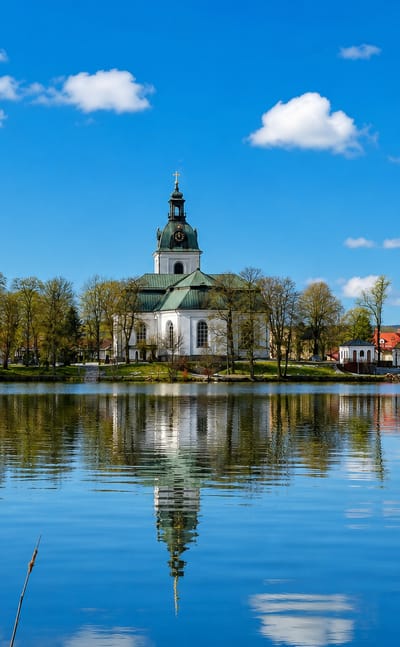
Forshaga is a small town in the southern part of Värmland County, in western Sweden, the seat of its municipality on the Klarälven river.Where to stay →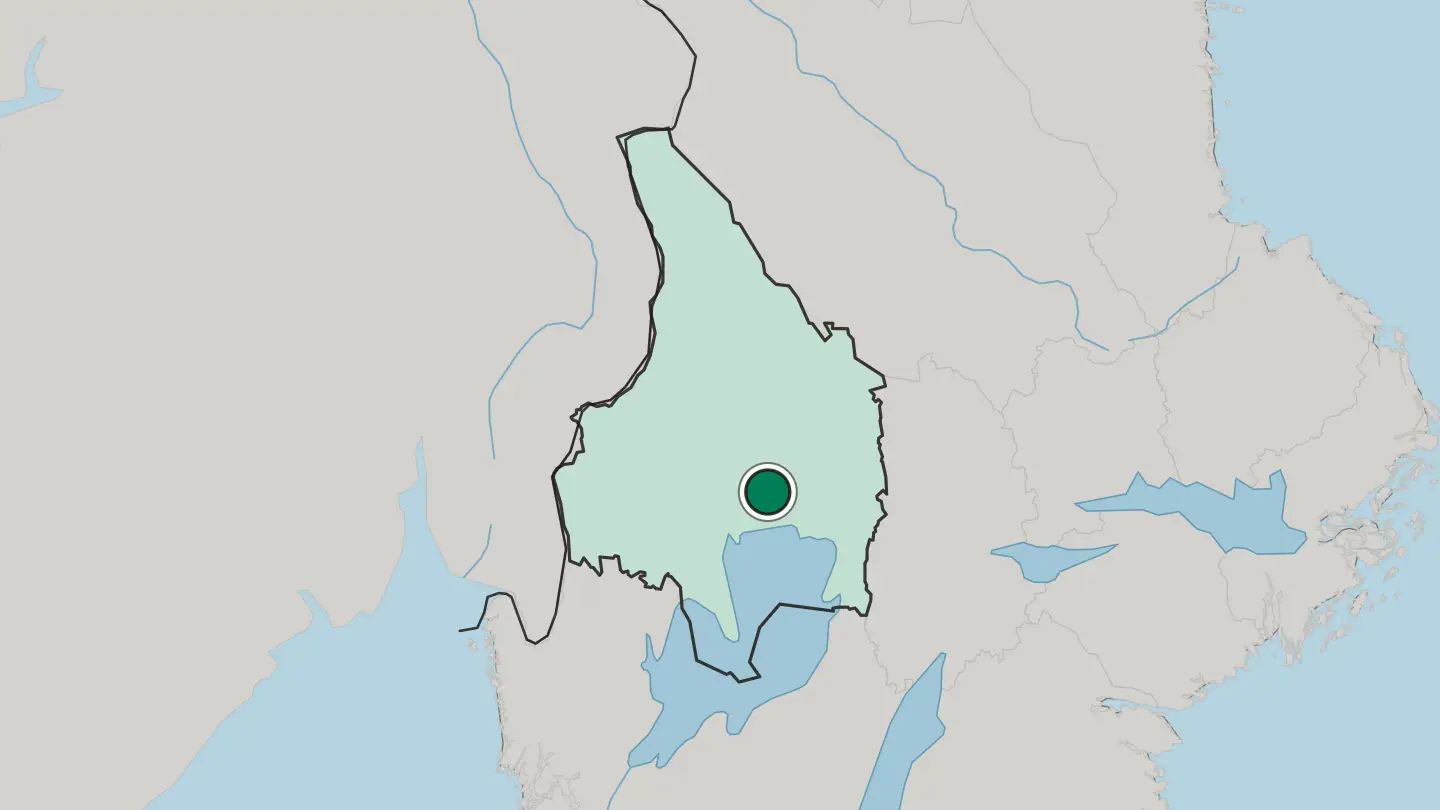
 Sweden
Filipstad
Filipstad is a town in the eastern part of Värmland County, in central Sweden, set among the lakes and forests of the Bergslagen mining country.Where to stay →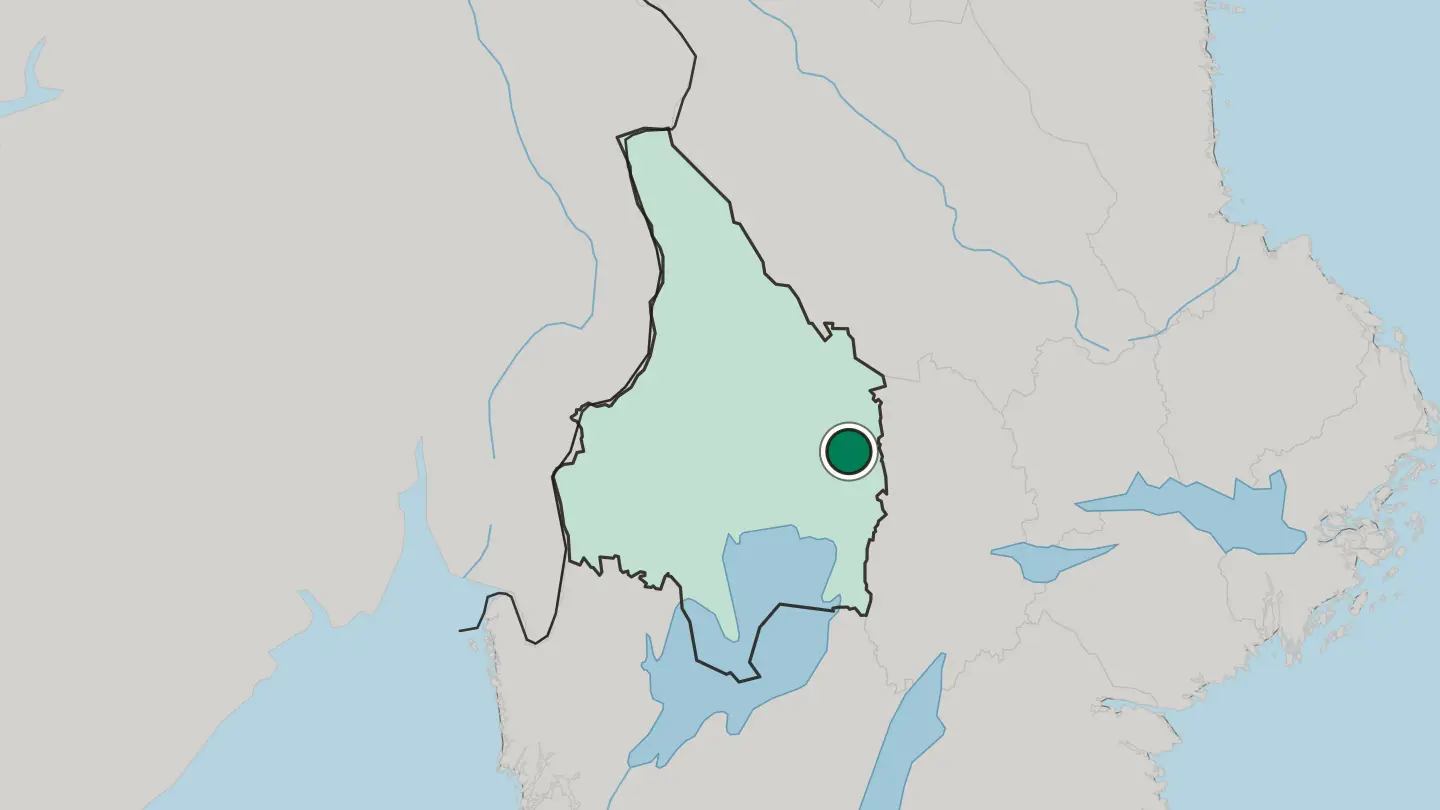
All towns & cities (16)
 Sweden
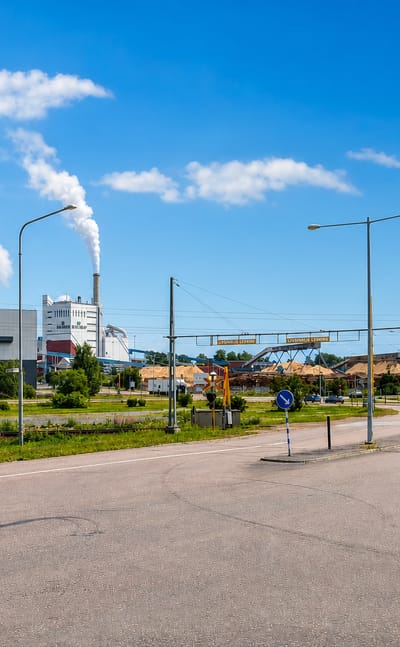
Grums
Grums is a small town in the southern part of Värmland County, in western Sweden, the seat of its municipality near the shore of Lake Vänern.Where to stay →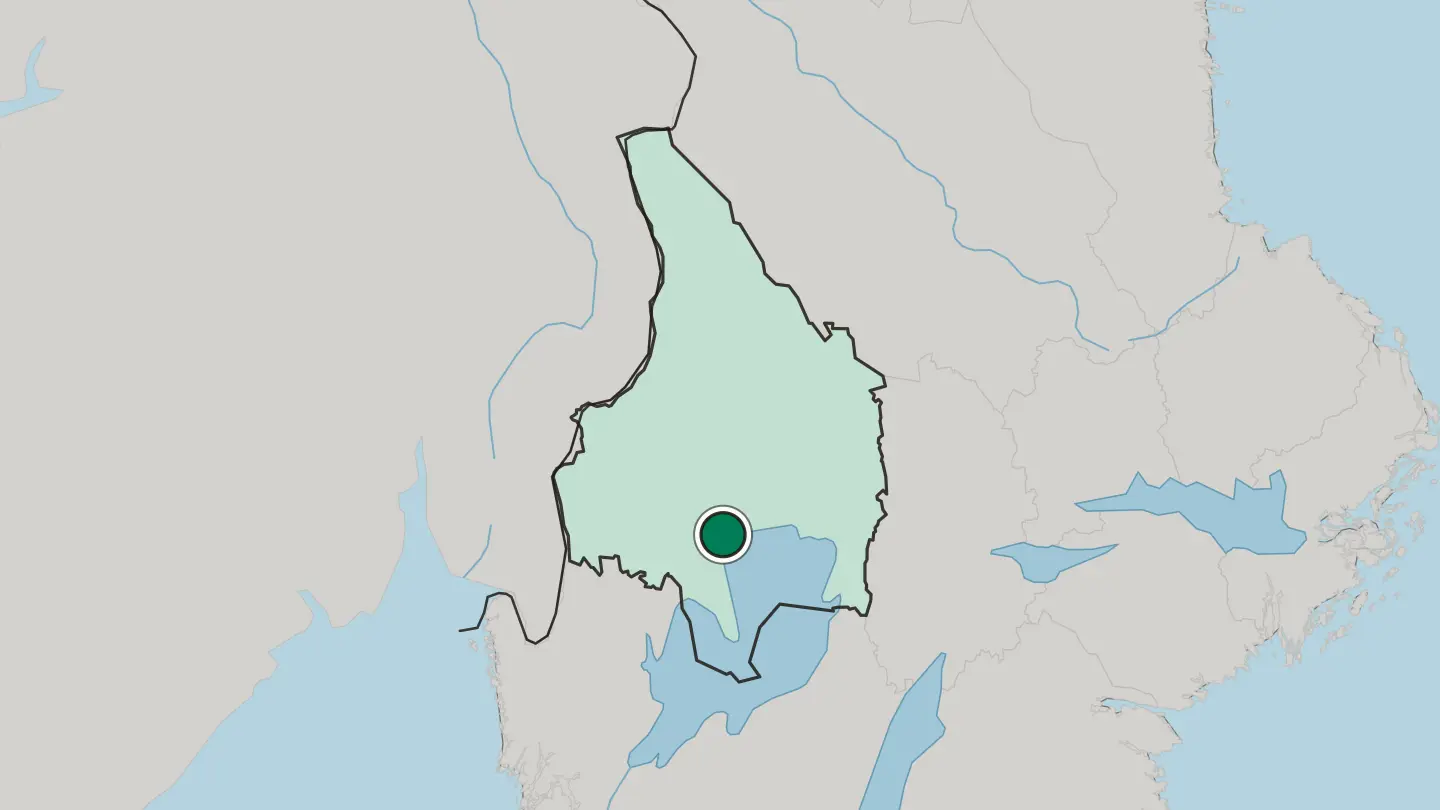
 Sweden
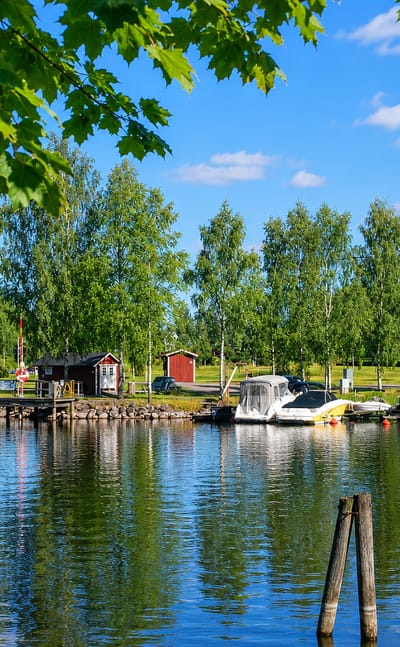
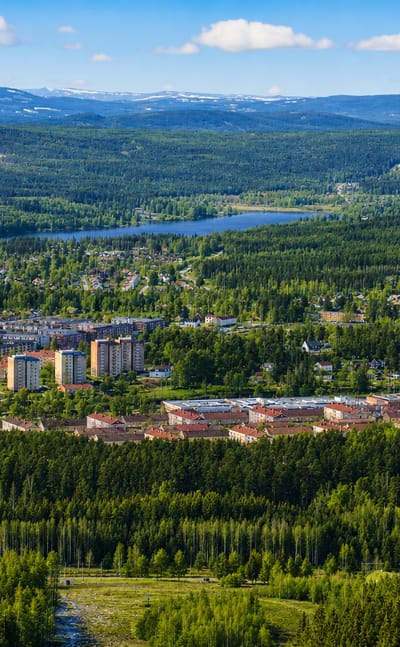
Sunne
Sunne is a town in the northern part of Värmland County, set in the Fryksdalen valley between the Fryken lakes in western Sweden.Where to stay →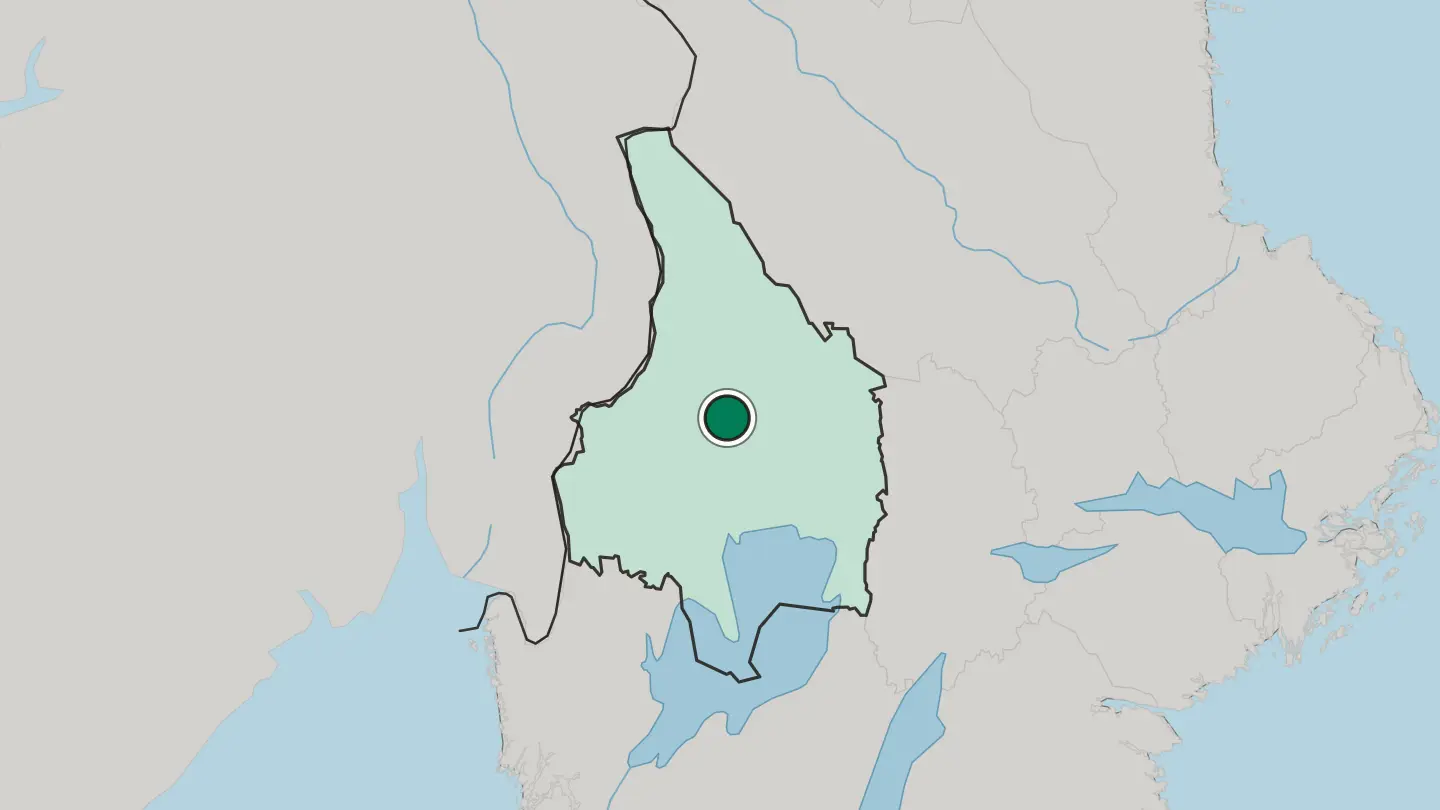
 Sweden
Hagfors
Hagfors is a small town in the north-eastern part of Värmland County, in central Sweden, the seat of its municipality on the Uvån river.Where to stay →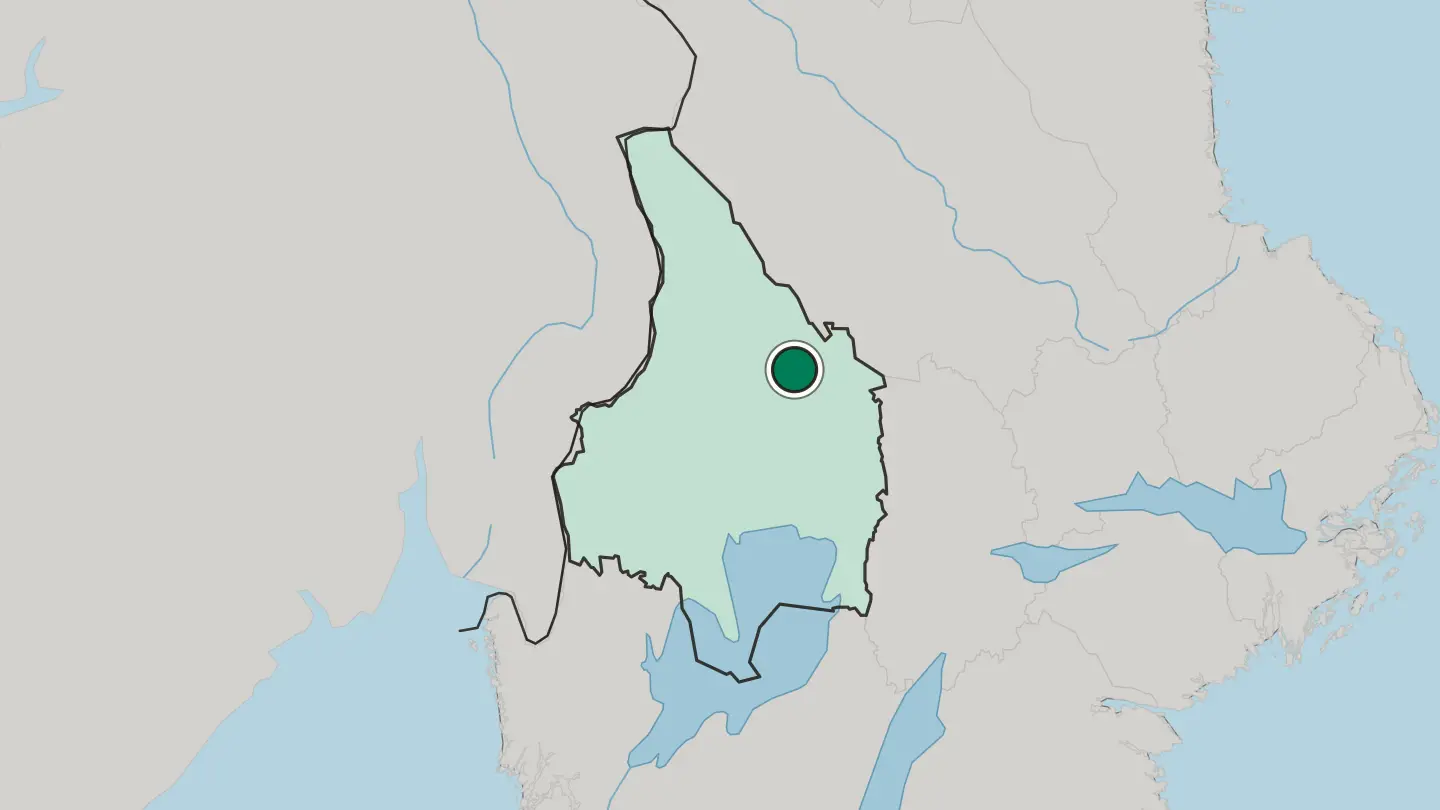 Sweden
Torsby
Torsby is a town in the northern part of Värmland County, set at the head of the Fryken lakes in the Fryksdalen valley of western Sweden.Where to stay →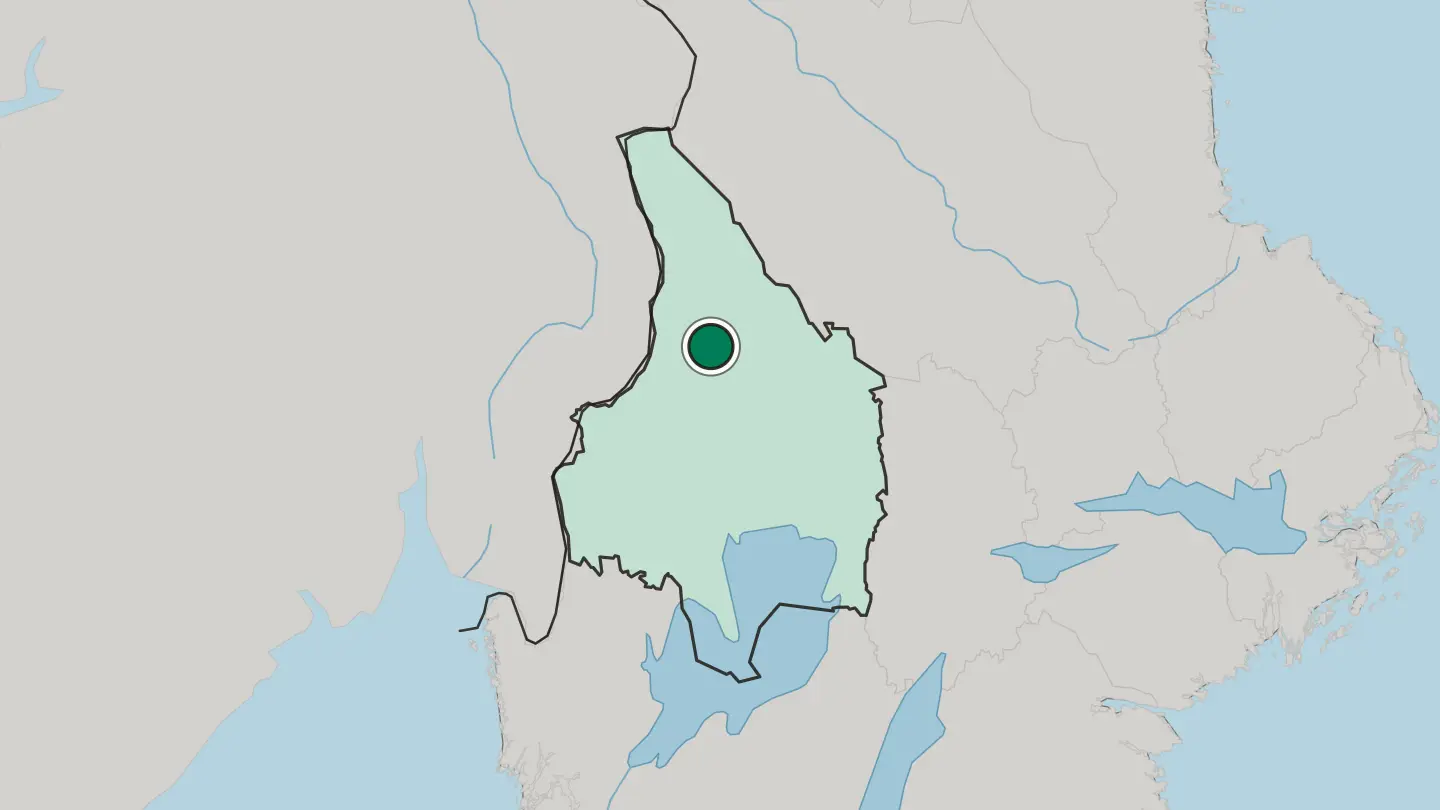
 Sweden
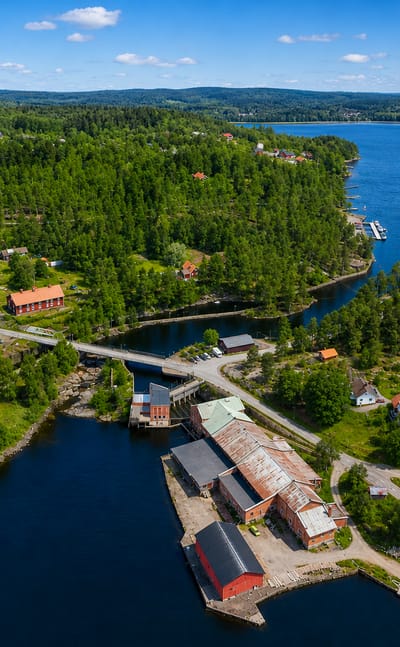
Årjäng
Årjäng is a small town in the south-western part of Värmland County, in western Sweden, the seat of its municipality near the Norwegian border.Where to stay →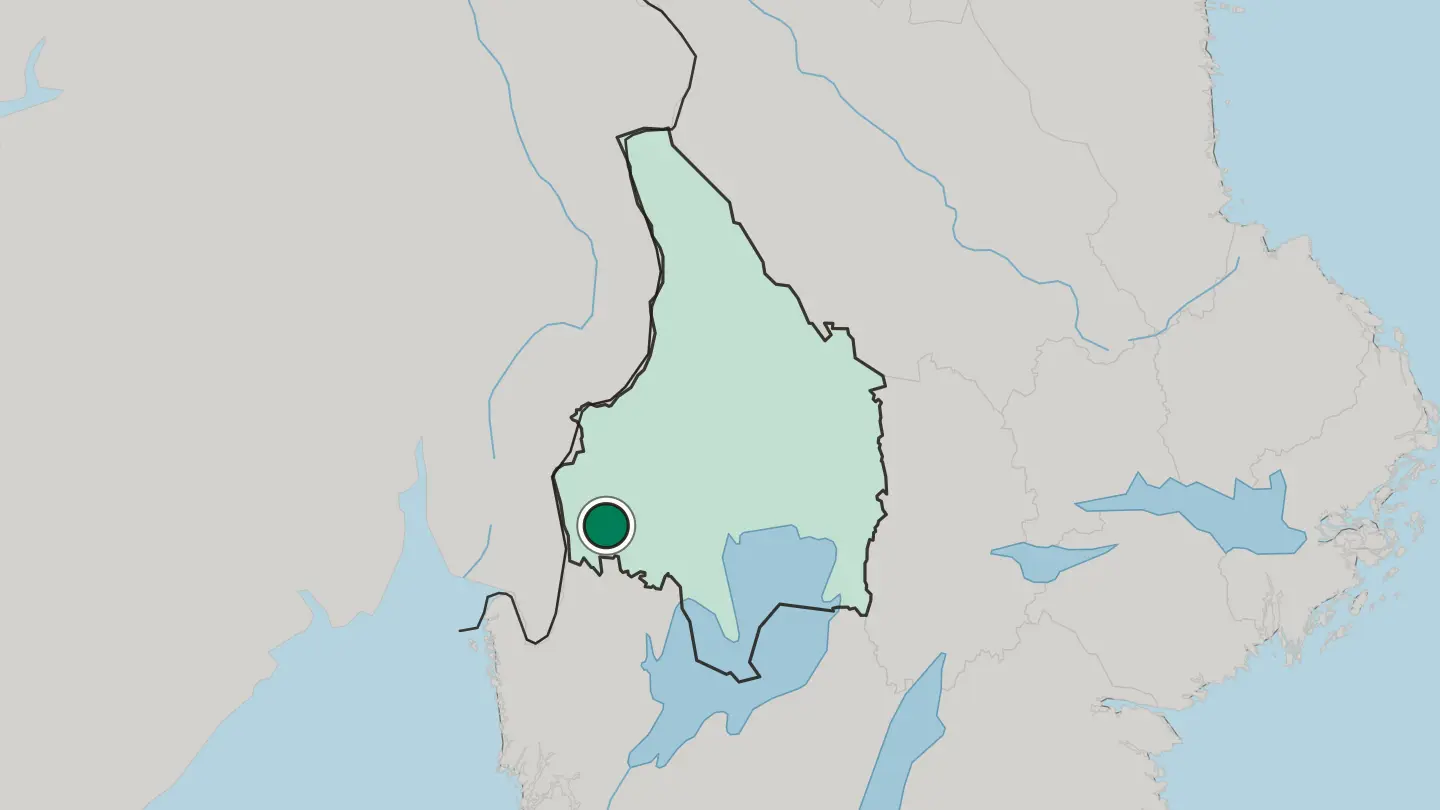
 Sweden
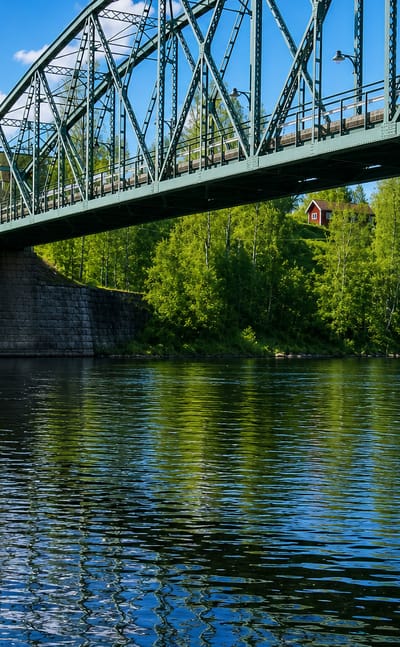
Munkfors
Munkfors is an ironworks town in the eastern part of Värmland County, set on the Klarälven river in western Sweden.Where to stay →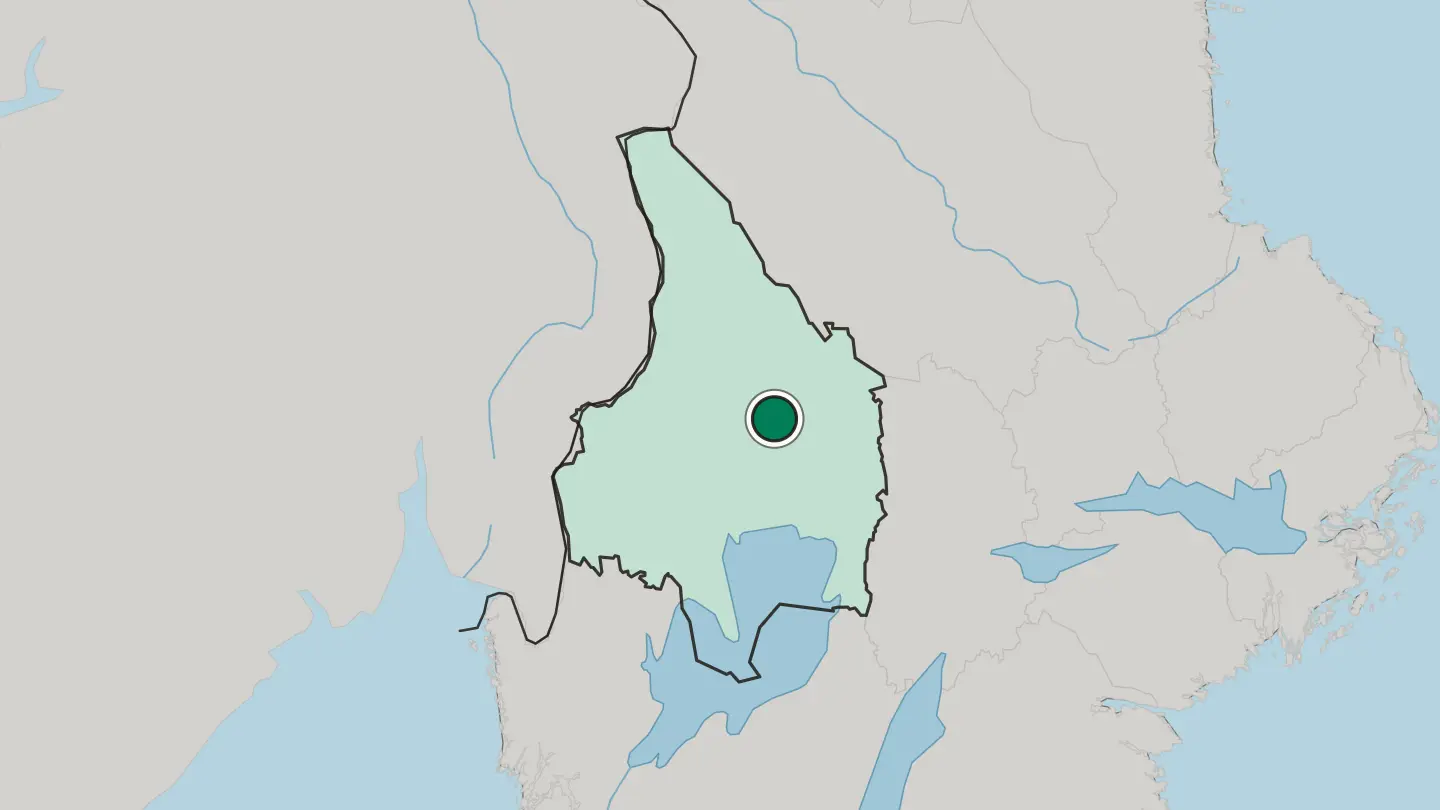
 Sweden
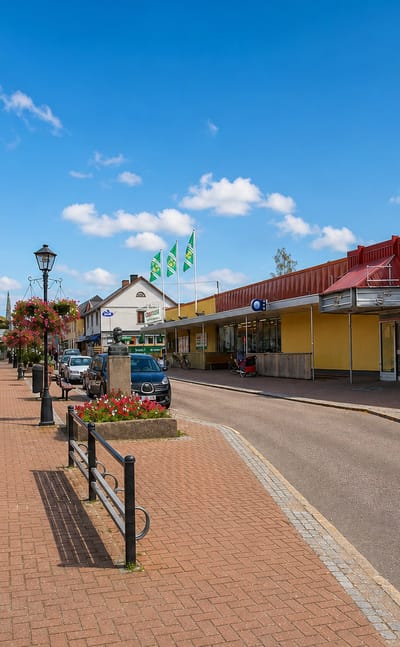
Charlottenberg
A border sets the tone. Charlottenberg is the administrative centre of Eda Municipality in western Sweden, close to Morokulien.Where to stay →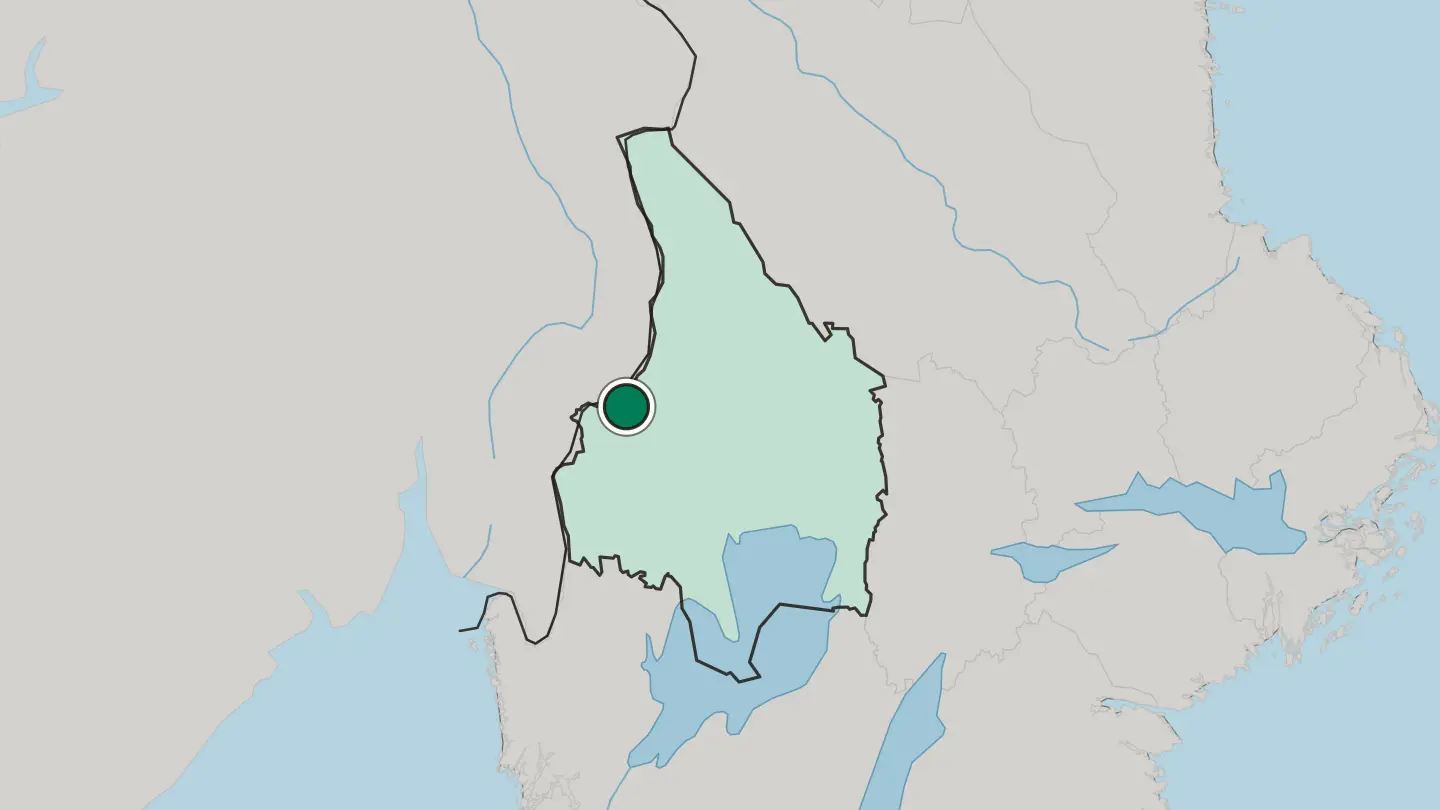
 Sweden
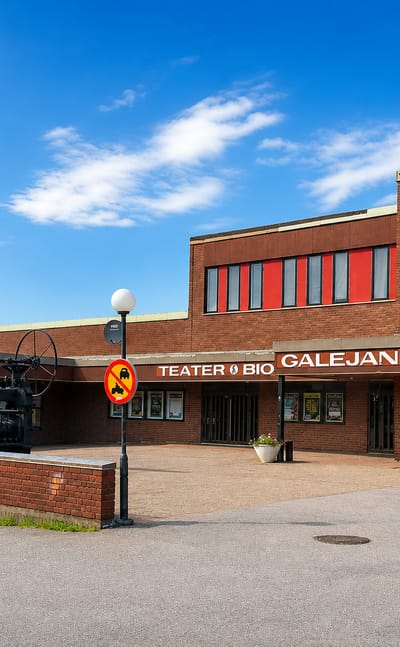
Storfors
Storfors is an old ironworks town in the south-eastern part of Värmland County, set among lakes and forest in central Sweden.Where to stay →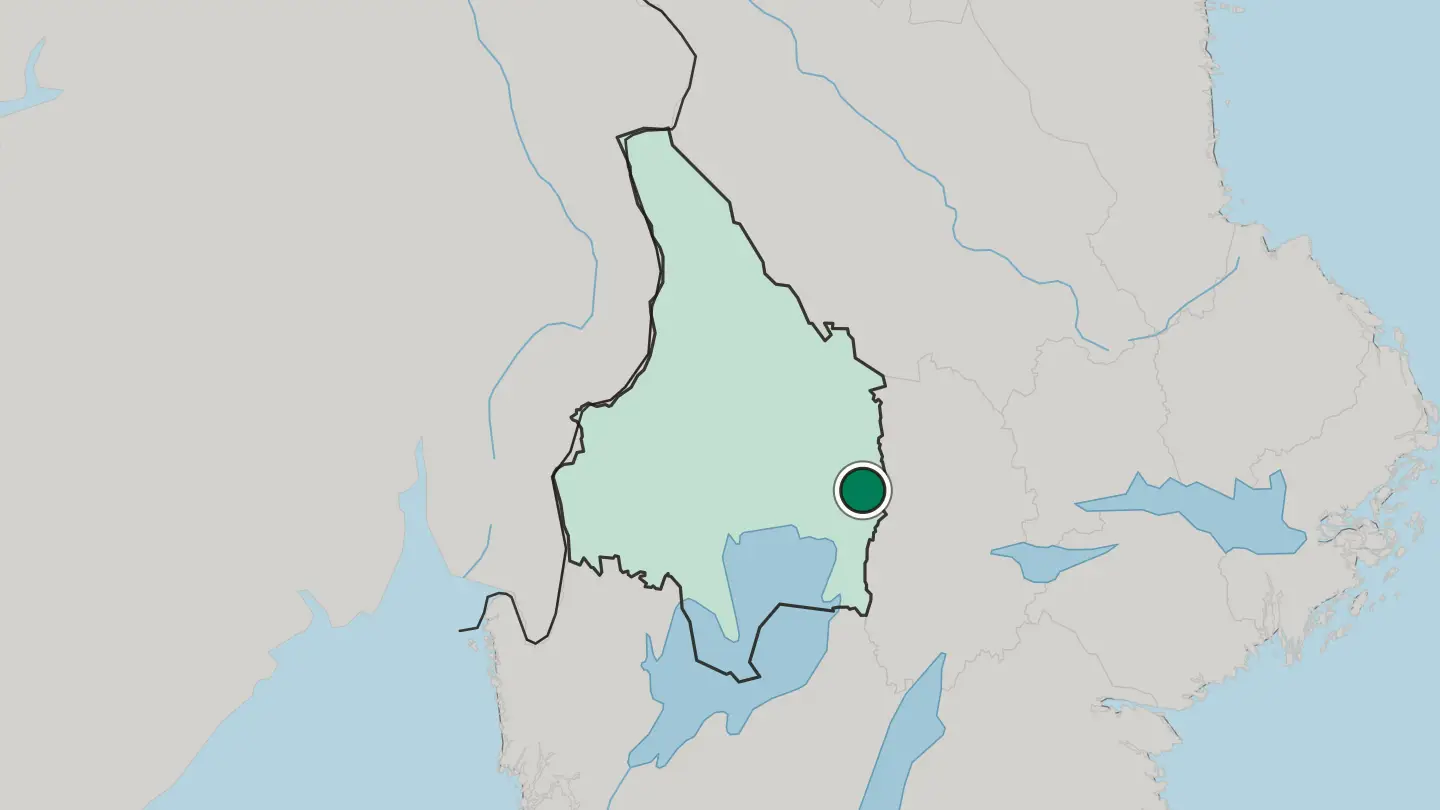
Hotel links are affiliate links: booking through them may earn us a commission, at no extra cost to you. It never affects how places are ranked. How this works
About Värmland County
Värmland is known for forest and water.
What is Värmland County known for?
The county runs from the great Lake Vänern up the long valley of the Klarälven into a wilderness of woods, lakes, and rivers along the Norwegian border, country that gave the writer Selma Lagerlöf her tales. Karlstad sits where the river meets the lake. Forests cover most of the land.
People know it for canoeing, sunlit lakes, and a strong literary and folk tradition.
Where is Värmland County?
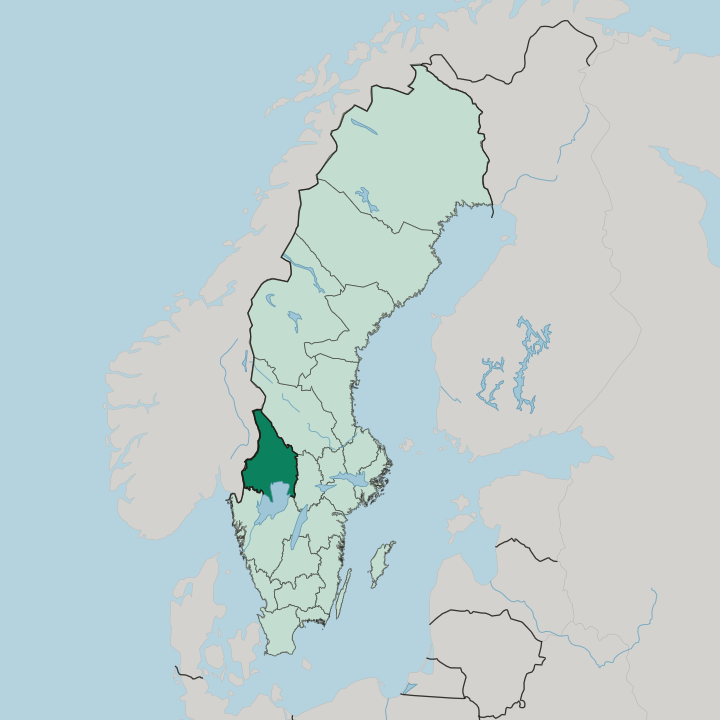
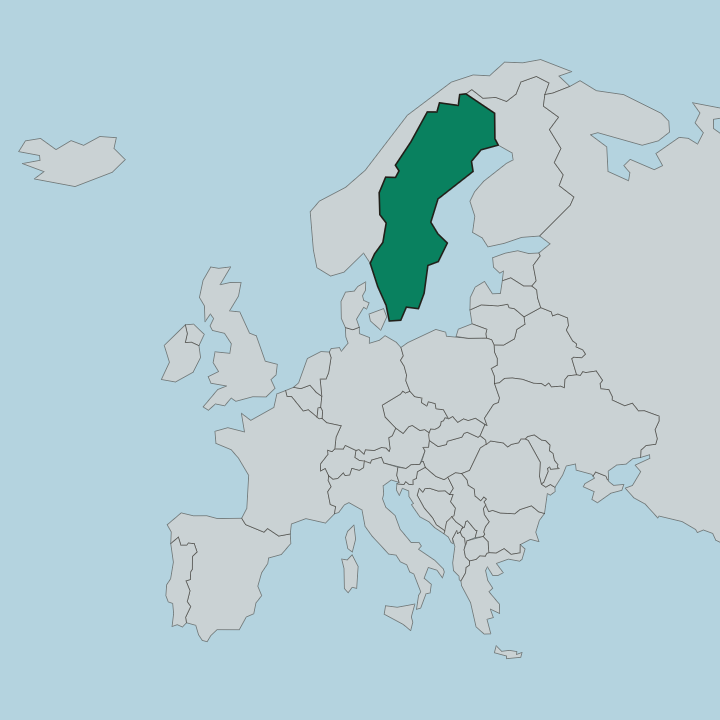
Värmland lies in western Sweden, a large inland county reaching from the northern shore of Lake Vänern up through deep forest to the mountains and forests of the Norwegian border. Coniferous woodland covers most of the land, broken by a fan of long, narrow lakes and the broad valleys of rivers that run south toward the great lake, with the hills rising and the country growing wilder as it nears the frontier in the north and west. The Klarälven shapes the county.
It is the longest river in the land. This great river runs down from Norway through the heart of Värmland and empties into Lake Vänern at Karlstad, where it spreads into a wide delta of channels and islands. The long Fryken lakes thread the western country, and Lake Vänern, the largest lake in Europe, forms the southern edge.
Forest and bog fill the north. Farm valleys, old ironworks, and lakeside villages dot the gentler country toward the lake.
What is Värmland County like?
Värmland holds a strong place in Swedish letters and song. The province gave the country its first woman Nobel laureate in Selma Lagerlöf, whose home at Mårbacka and whose tales of the Fryken lakes still draw readers, and a long line of poets and musicians has carried its forests and waters into Swedish culture. The dialect is soft and musical.
Storytelling runs deep here. The county also carries a long history of iron and forest work, with old foundries, charcoal kilns, and timber-floating traditions marking the valleys and woods. Folk music, fiddle gatherings, and summer festivals fill the warm months, and the lakeside towns keep a lively cultural life.
Mårbacka stands open as a museum. Canoeing, fishing, and forest walking shape the outdoor year, while the border country keeps the old ties and traffic between Värmland and neighbouring Norway alive across the seasons.
What is the history of Värmland County?
Värmland is old forest and iron country. Settlers farmed the lake valleys and floated timber down the rivers, while the forests fed a web of ironworks and foundries that made the province a centre of early Swedish industry. The county was formed in the eighteenth century.
Karlstad grew at the river mouth into the regional capital, and in the early twentieth century it gave its name to the treaty that peacefully dissolved the union between Sweden and Norway. Forests, foundries, and lakeside towns carry that long story still.
What is the climate of Värmland County?
Värmland has a cool inland climate. Winters are cold and snowy, with lasting snow across the forests and the northern hills that feeds the ski trails and the frozen lakes through the dark months of the year. Summers turn warm and bright across the lake country.
The long, light days warm the lakes and rivers, drawing swimmers, paddlers, and anglers out across the water through the green height of summer in the south of the county. The northern forests stay cooler and hold snow longer than the lake country.
How do you get to Värmland County?
Värmland is reached by rail, road, and air. Trains run west from Stockholm and east from Oslo to Karlstad, which sits on the main line between the two capitals, while the motorway threads the same route along the northern shore of Lake Vänern. Karlstad has its own airport.
Roads climb north up the river valleys into the forests. Onward roads cross the border into Norway in the west.
Common questions
What is the best area to stay in Värmland County?
Karlstad: first-time visitors and the lake. Sunne and the Fryken lakes: summer and literary touring. Forest and border country: paddlers and walkers.
Good for
More regions in Sweden
Updated September 2026