Sweden · Värmland County
Where to Stay in Karlstad, Värmland County
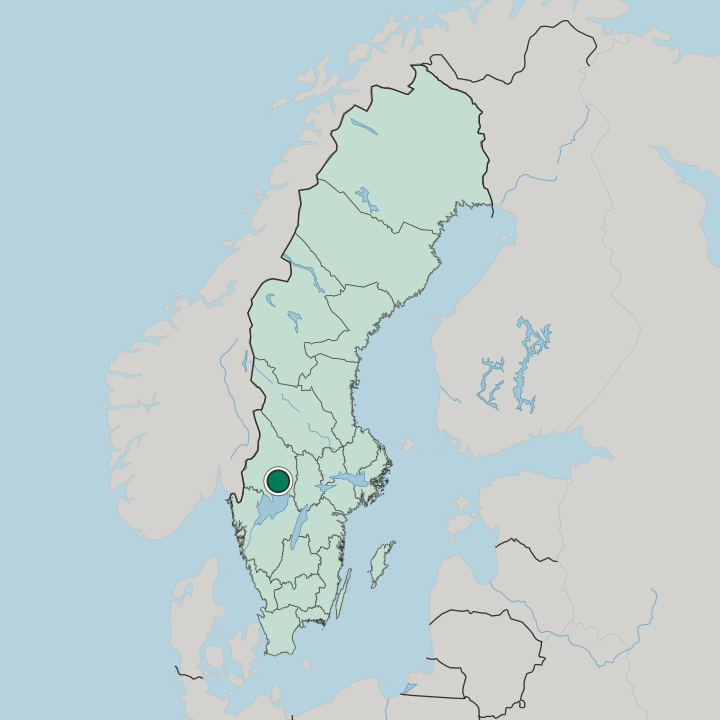
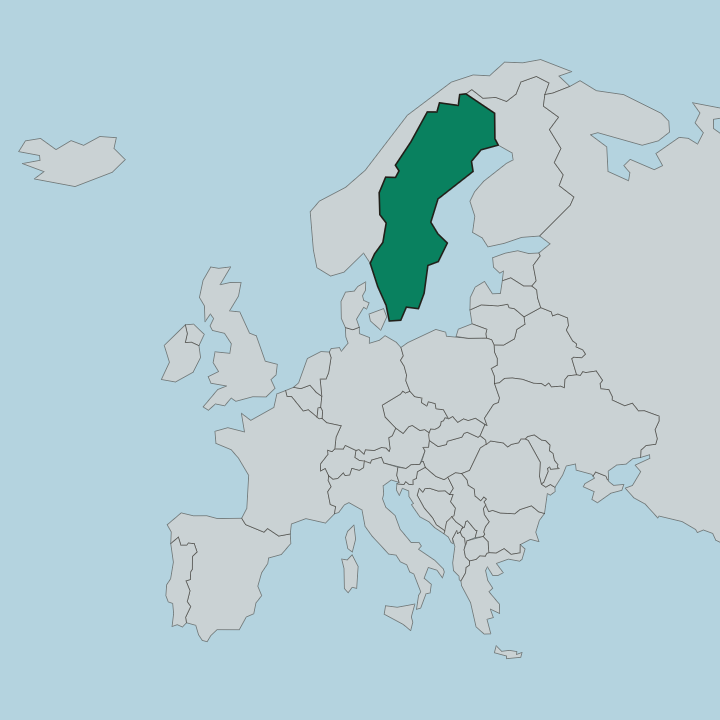
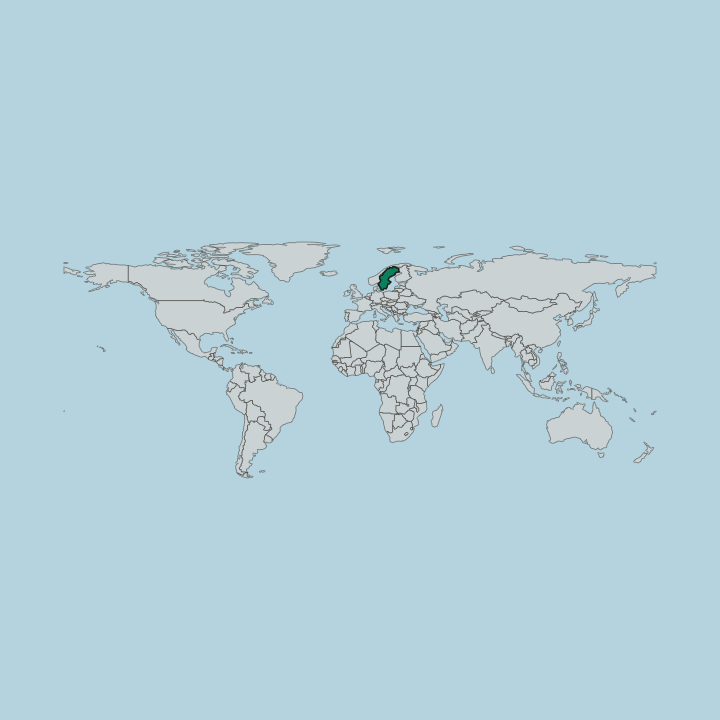
Karlstad is the largest city of Värmland, in western Sweden, the county seat where the Klarälven river flows into Lake Vänern.
Hotel links are affiliate links: booking through them may earn us a commission, at no extra cost to you. It never affects how places are ranked. How this works


Where to stay in Karlstad
Each area has its own feel; here's who each one suits.
 KarlstadSweden
Herrhagen
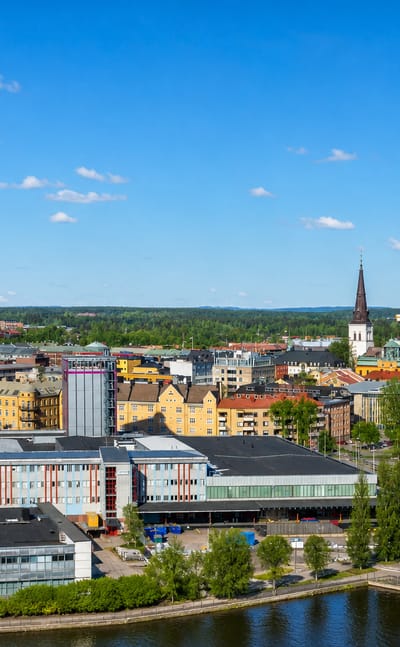
Herrhagen is a district of Karlstad just east of the city centre, framed by the Pråmkanalen canal, the Hagaleden road and the small lake Lambergstjärnet.Where to stay → KarlstadSweden
Råtorp
Råtorp is a north-western district of Karlstad in western Sweden, home to the city's sports arenas.Where to stay →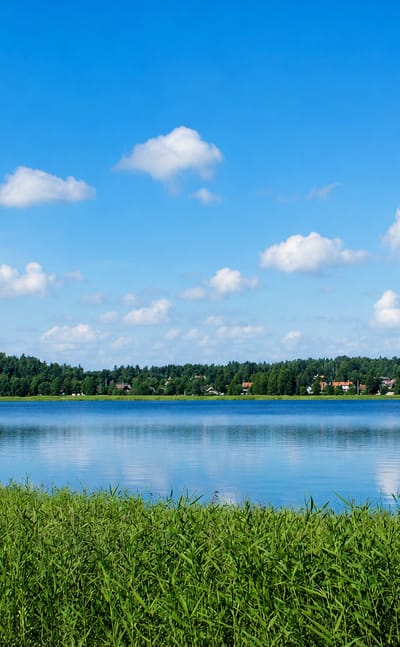 KarlstadSweden
Kroppkärr
Kroppkärr is a north-eastern district of Karlstad in western Sweden, marked by its two parish churches.Where to stay →Hotel links are affiliate links: booking through them may earn us a commission, at no extra cost to you. It never affects how places are ranked. How this works
Find hotels in Karlstad
Direct booking searches for these neighbourhoods.
City centre
hotels around the square, cathedral, and river branches. Rooms are few around here — worth securing early.Find hotels in City centresummer families and bathersLake shore and delta
campsites and cabins by the beaches of Vänern. Lodging is scarce in this area; reserve in advance.Find hotels in Lake shore and deltadrivers and event-goersUniversity quarter and suburbs
further hotels near the arenas and campusFind hotels in University quarter and suburbsHotel links are affiliate links: booking through them may earn us a commission, at no extra cost to you. It never affects how places are ranked. How this works
Things to do in Karlstad
Ranked by global recognition; descriptions from Wikidata (CC0).
Museums & Galleries
3- Polstjärnan Heritage working life museum
- Tingvalla Heritage listed historical ship
- Sandgrund Lars Lerin-museum
Churches & Religious Sites
5- Karlstad Cathedral Heritage
- Norrstrandskyrkan Heritage
- Västerstrandskyrkan Heritage
- Herrhagskyrkan Heritage
- Kroppkärrskyrkan Heritage
Stadiums & Sports
3- Löfbergs Arena event arena
- Tingvalla isstadion ice sports stadium
- Eva Lisa Holtz Arena
Landmarks & Notable Places
1- Värmland County museum Heritage regional history and cultural heritage museum
worth knowingacross 4 categories in Karlstad
About Karlstad
Karlstad is the capital of Värmland.
What is Karlstad known for?
The city spreads across the delta where the Klarälven splits into branches and empties into Lake Vänern, gathering a cathedral, a university, and the open squares and bridges that mark a regional hub. Karlstad is famous for its sunshine. The Sola figure, a smiling waitress who became the city's emblem, gives the place its bright reputation, and travellers know it as a base for the lake, the river valley, and the wider Värmland countryside.
What are the main landmarks in Karlstad?
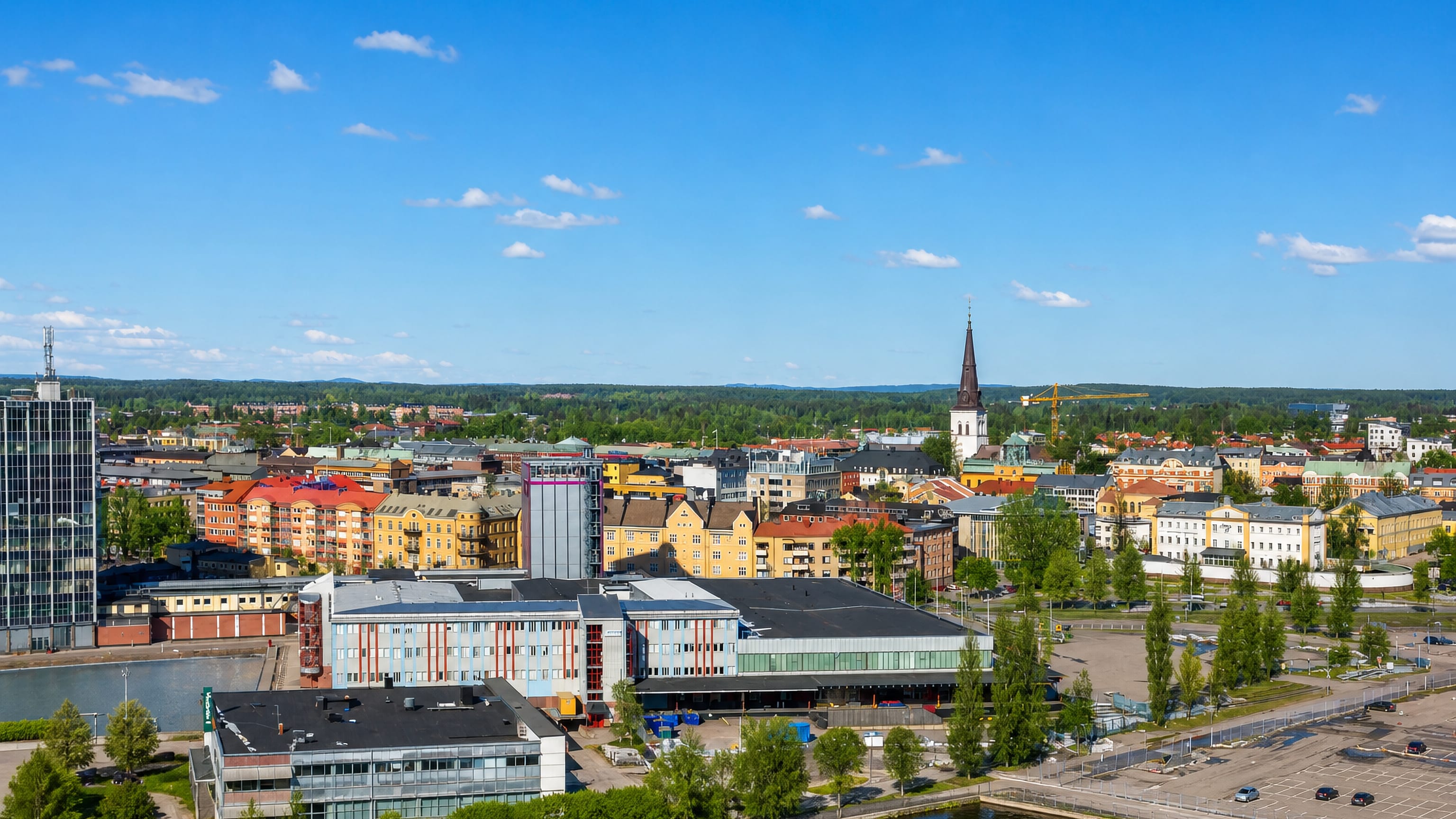
Karlstads domkyrka rises over the centre, the cathedral that crowns the old island town between the branches of the Klarälven. The river bridges are sights in themselves. The long stone Östra bron spans the eastern branch, one of the longest old arched bridges in the country, and the Sandgrund gallery on the riverbank holds the work of the painter Lars Lerin in a former exhibition hall above the water.
Several parish and free churches stand across the city, among them Norrstrandskyrkan and Vår Fru av Rosenkransens katolska kyrka. Sports arenas ring the modern districts.
What is the history of Karlstad?
The delta drew the first town. A trading place grew on the islands where the Klarälven branches reach Lake Vänern, and King Karl IX granted the settlement its charter in 1584, giving the city his name and a footing as a market and shipping point for the timber, iron, and goods of the whole Värmland country. The river carried the trade.
Timber floated down from the northern forests to the lake and the wider world. Fire and growth marked the modern age. A great blaze swept the wooden city in the nineteenth century, and Karlstad rose again in stone and brick around its cathedral and broad new streets, gaining a railway, a bishop's seat, and the trade of a growing province.
The city hosted the talks that dissolved the union with Norway in 1905. Karlstad became the capital of Värmland County, gained a university and modern arenas, and turned its lake shore, its river bridges, and its bright summers toward the travellers who now fill the squares and the beaches through the warm months.
Where is Karlstad?
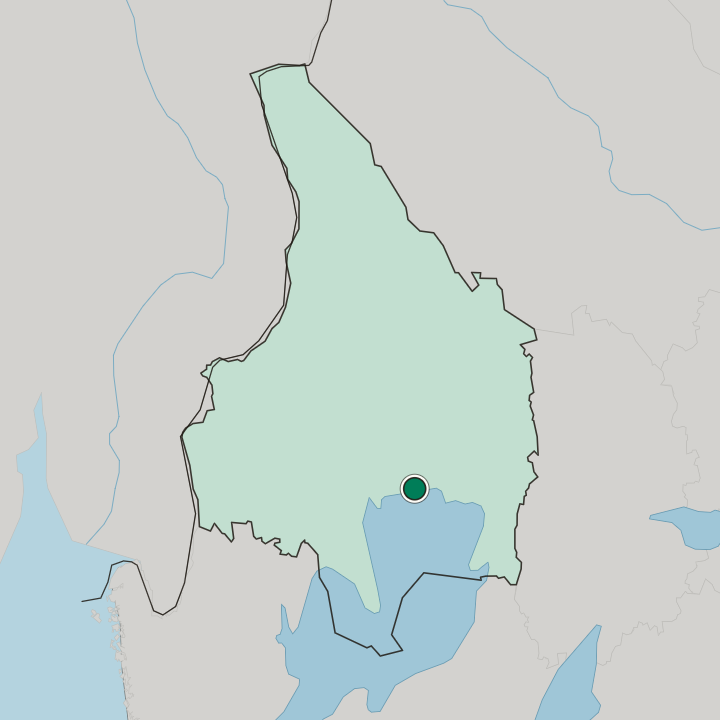
Karlstad lies in the southern part of Värmland County, on the northern shore of Lake Vänern where the Klarälven river splits into branches and forms a delta, in western Sweden. The city spreads across islands and both banks of the river, with the open water of Vänern to the south and the wooded valley of the Klarälven running north into the highlands of Värmland. The setting is deltaic and watery.
Roads and railways meet here, running east toward Stockholm, west toward Norway, and north up the river into the forests of the county.
What is the climate of Karlstad?
Karlstad has a cool inland climate softened by the lake. Winters are cold and often snowy, though the great body of Vänern tempers the deepest cold along the shore while the river valley and the highlands inland lie under firmer and longer frost through the dark months. Summers are mild and notably bright.
The city is known for its long sunny spells, and the warming lake draws bathers, boaters, and crowds to the beaches and squares across the busy high season. Wind off the open water is common all year.
How do you get to Karlstad?
Karlstad sits on the main rail and road lines between Stockholm and Oslo, with frequent trains and buses running through the city and tying the county to the wider network across the day. Drivers arrive by motorway. The city has its own airport just outside the centre, the main gateway for Värmland and the lake country.
From the city, roads follow the Klarälven north into the forests and run along the shore of Vänern to the neighbouring towns.
Common questions
What is the best area to stay in Karlstad?
City centre: first-time visitors and nightlife. Lake shore and delta: summer families and bathers. University quarter and suburbs: drivers and event-goers.
Good for
More cities in Värmland County
Updated October 2026