Sweden · Värmland County
Where to Stay in Filipstad, Värmland County
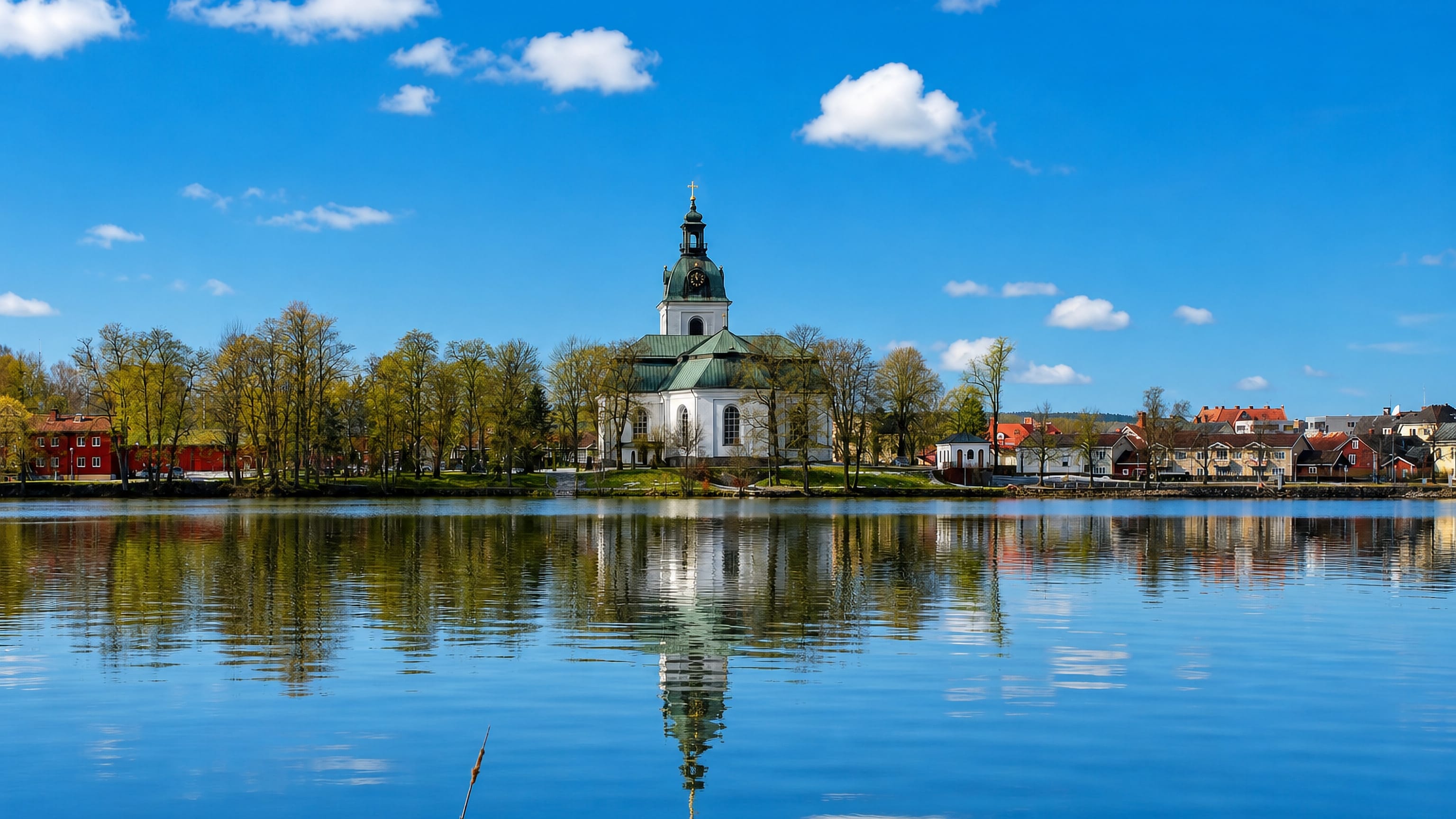
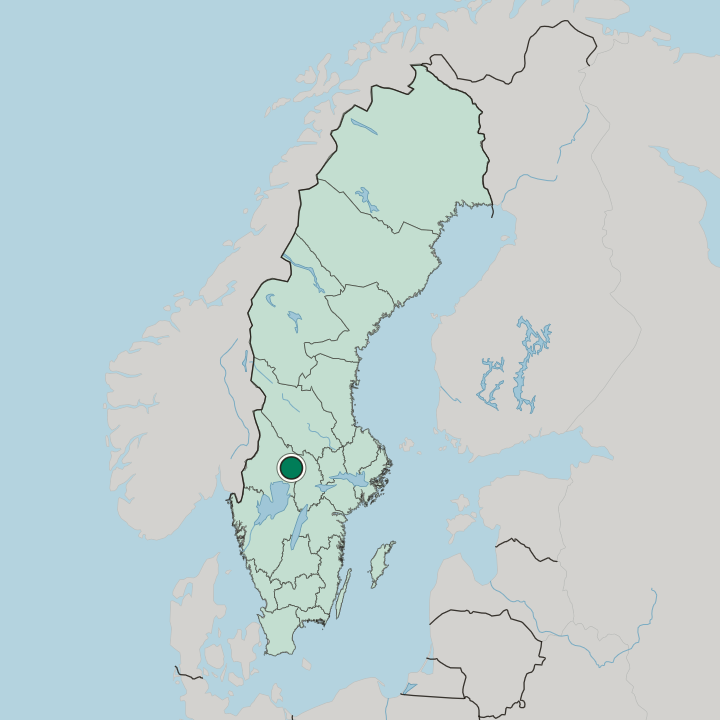
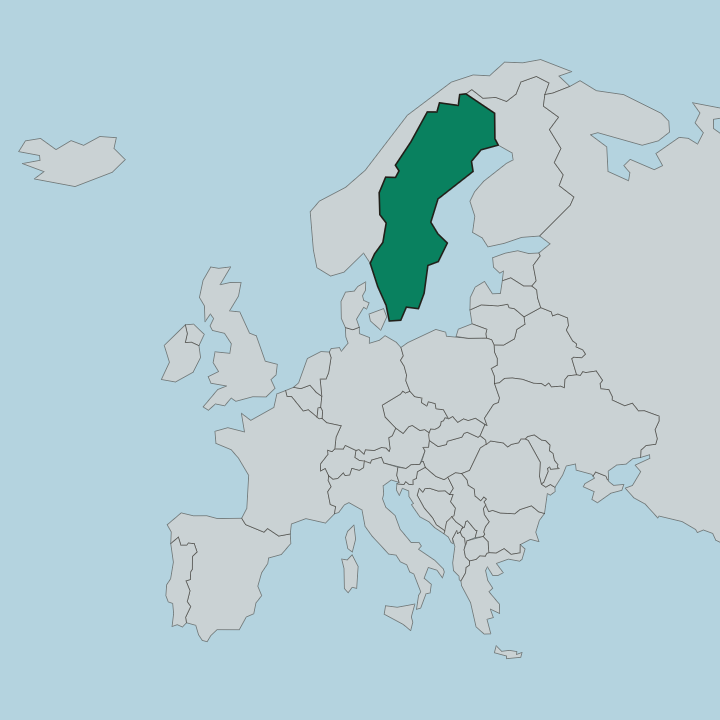
Filipstad is a town in the eastern part of Värmland County, in central Sweden, set among the lakes and forests of the Bergslagen mining country.
Hotel links are affiliate links: booking through them may earn us a commission, at no extra cost to you. It never affects how places are ranked. How this works


Where to stay in Filipstad
Where the beds are, and what that means for the visit.
Most visitors stay in the centre of Filipstad, where a hotel and small guesthouses sit within an easy walk of the church, the shops, and the water that runs through the town. The centre suits those who want a bed close to the services and an easy reach of the lakes and the old mining country around. It makes a steady base.
Out along the lakes and through the forests of Bergslagen, cabins, cottages, and farm stays give a quieter setting for travellers arriving by car and wanting lake and woodland at the door. The lakes shape the choices around Filipstad. Self-catering cottages by the shore draw families and anglers through the warm months, and the campsites by the water fill across the summer weeks.
Book a bed ahead for the summer weeks. Beds are few in this small inland town, and the lakeside cottages go early in the high season to visitors who return each year for the fishing and the quiet of the mining country.
Find hotels in Filipstad
Direct booking searches for these neighbourhoods.
Town centre
church, shops and the water within a short walk. Rooms are few around here — worth securing early.Find hotels in Town centrefamiliesLakeside
cottages and campsites along the water. Rooms are few around here — worth securing early.Find hotels in LakesidedriversBergslagen forest
cabins and farm stays among the woods and old mines. Rooms are few around here — worth securing early.Find hotels in Bergslagen forestHotel links are affiliate links: booking through them may earn us a commission, at no extra cost to you. It never affects how places are ranked. How this works
Things to do in Filipstad
Ranked by global recognition; descriptions from Wikidata (CC0).
Museums & Galleries
3- Storbrohyttan working life museum
- Brödmuseum
- Filipstads Bergslags hembygdsförening
Churches & Religious Sites
2- Filipstad Church Heritage
- Baptistkyrkan
worth knowingacross 2 categories in Filipstad
About Filipstad
Filipstad is known for mining and iron.
What is Filipstad known for?
The town grew in the Bergslagen country of eastern Värmland, where the old mines, forges, and ironworks once drew their wealth from the ore-bearing hills around the lakes. Industry shaped the place. The forests and the water defined the early trade, and the town later became known for its food industry too, while the lakes and woods of the district still pull anglers and walkers into this corner of the central county.
What are the main landmarks in Filipstad?
Filipstads kyrka stands at the heart of the town, the parish church serving the mining community through the centuries. A second church marks the streets. Baptistkyrkan adds a free-church chapel to the modern centre, while the old mines, forges, and ironworks scattered through the surrounding Bergslagen hills recall the long industrial past that gave the town its wealth and its purpose by the lakes of the eastern county.
What is the history of Filipstad?
Filipstad rose with the iron. The town was chartered in the early seventeenth century to serve the mines and forges of the Bergslagen country, taking its name from a duke of the realm and growing as a market and shipping point for the iron of the surrounding hills. Mining and forestry filled the early years.
Ore moved out by lake. The town held on through the long centuries of changing trade. As the old mines closed over the centuries, Filipstad turned to forestry, milling, and later to its food industry, keeping its place as the centre of its district through the long northern years.
The lakes carried the early trade. Filipstads kyrka, the streets, and the old workings in the hills still tie the modern town to its mining past among the forests and waters of the eastern county.
Where is Filipstad?
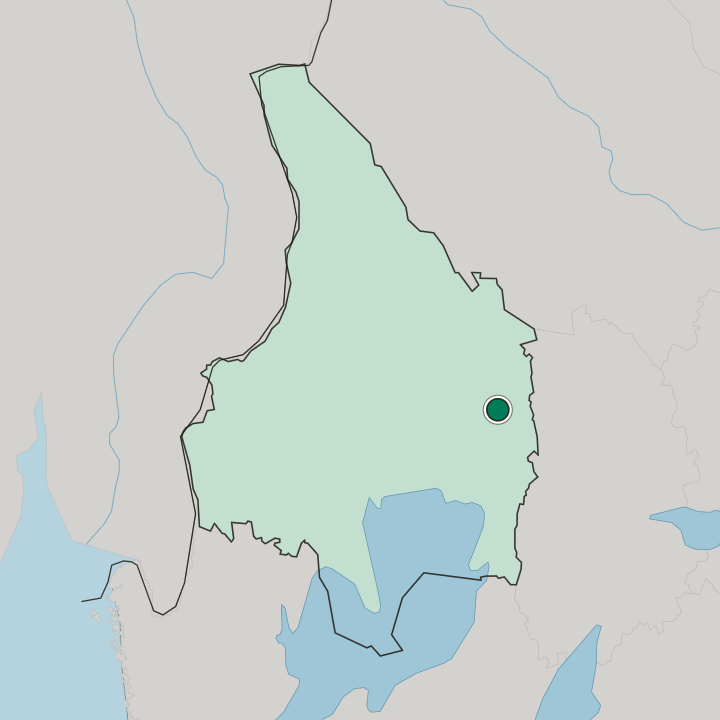
Filipstad lies in the eastern part of Värmland County, set among the lakes and forests of the Bergslagen country in central Sweden. Wooded hills, lakes, and rivers spread across the district, and the town stands by the water where the land closes around it. The country is green and hilly.
Forest and ore-bearing rock cover much of the ground, and the railway and main road run west toward Karlstad and east into the neighbouring county, threading the lakes and woods of eastern Värmland together.
What is the climate of Filipstad?
Filipstad sits under a cool temperate climate with a marked inland edge. Winter cold settles deep over the Bergslags lakes around Filipstad. Winters are often snowy, the lakes and forests of Bergslagen lying well away from the moderating reach of the sea, and the eastern hills holding the chill through the long dark months of the year.
Summers turn warm and green across the Bergslagen lakes. Long northern daylight stretches the evenings late around midsummer, the season that fills the lakeside cottages and brings anglers out onto the water of the mining country. Rain and snow reach it all year.
How do you get to Filipstad?
Filipstad sits in the eastern part of Värmland County, reached by rail and road through the Bergslagen country. Trains stop here on the line that crosses eastern Värmland, and the main road links the town to Karlstad to the west and the mining districts to the east. Buses link the centre to the district.
The nearest larger airport lies at Karlstad, so most visitors arrive by car or train, the journey in winding through the lakes and forests of eastern Värmland to reach the old iron town.
Common questions
What is the best area to stay in Filipstad?
Town centre: first-timers. Lakeside: families. Bergslagen forest: drivers.
Good for
More cities in Värmland County
Updated October 2026