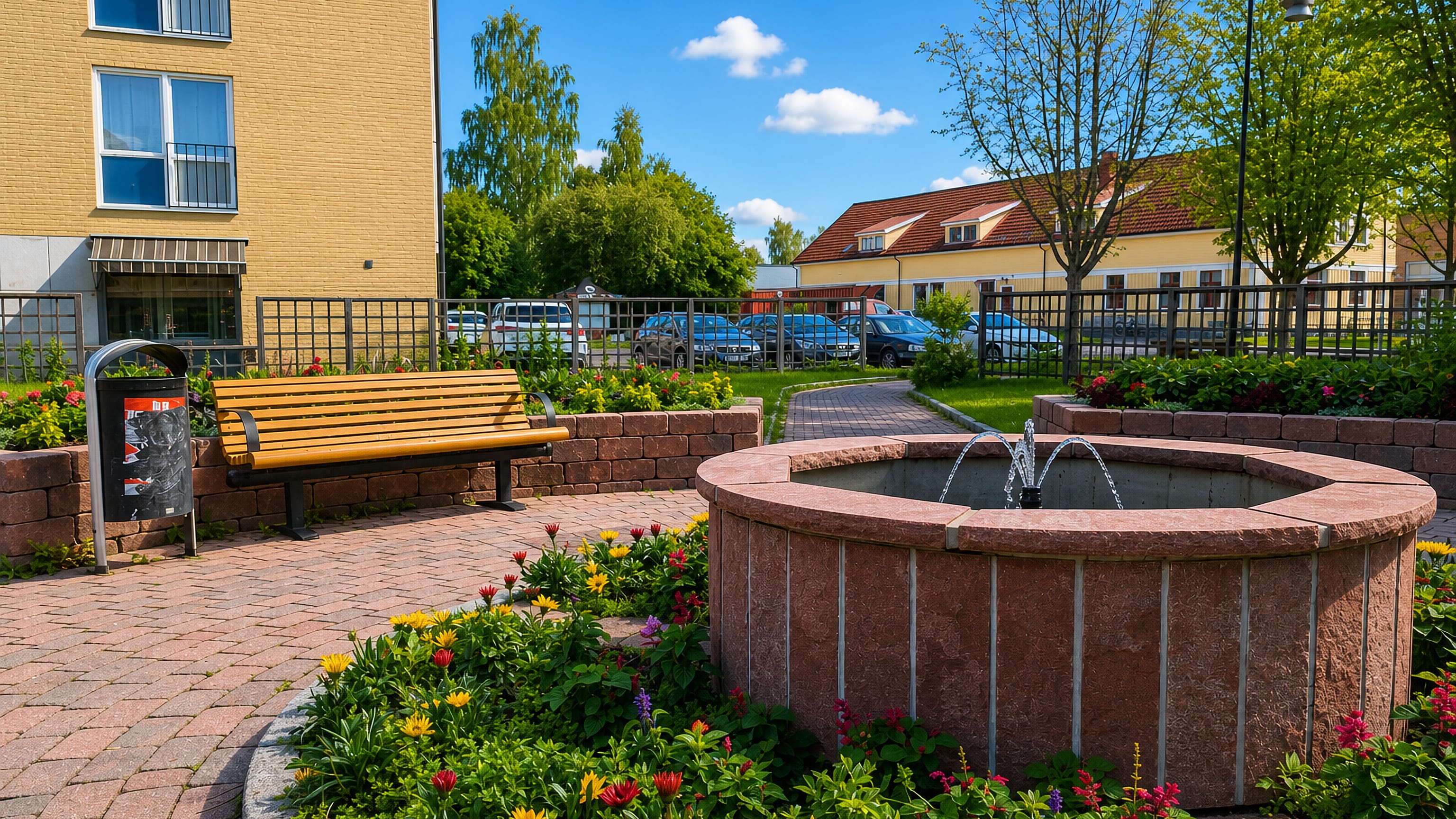
Sweden · Värmland County
Where to Stay in Forshaga, Värmland County
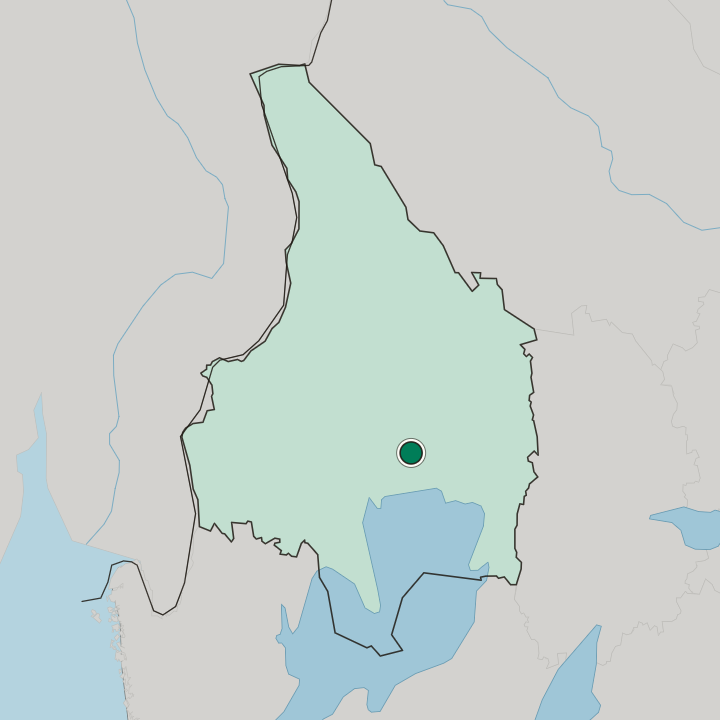
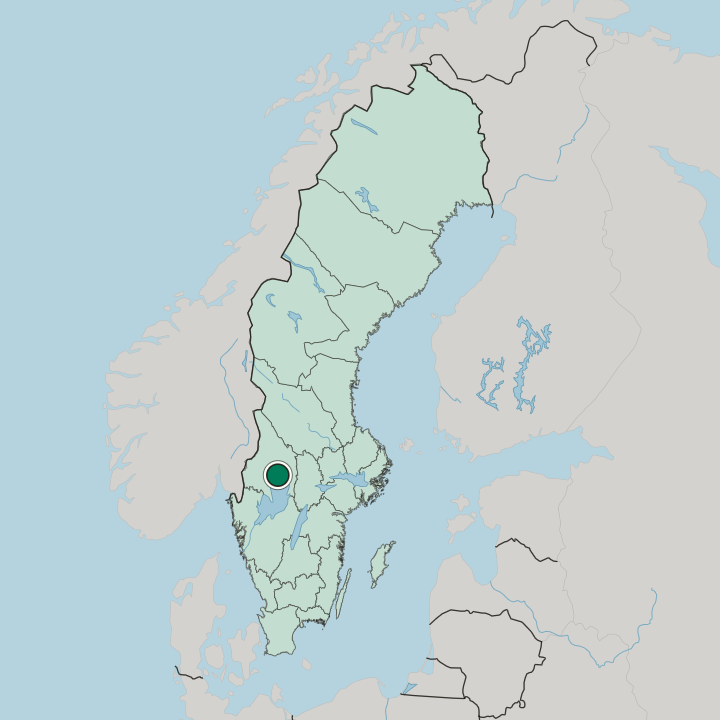
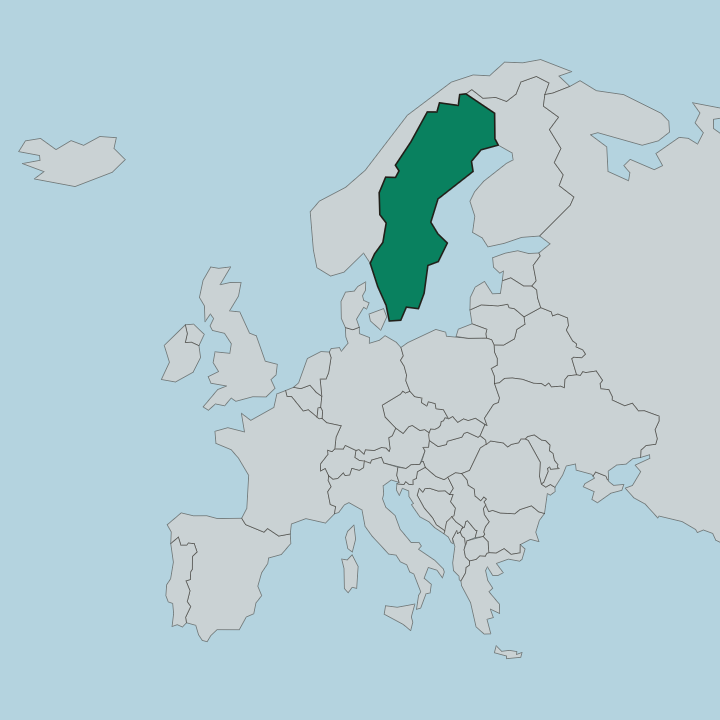
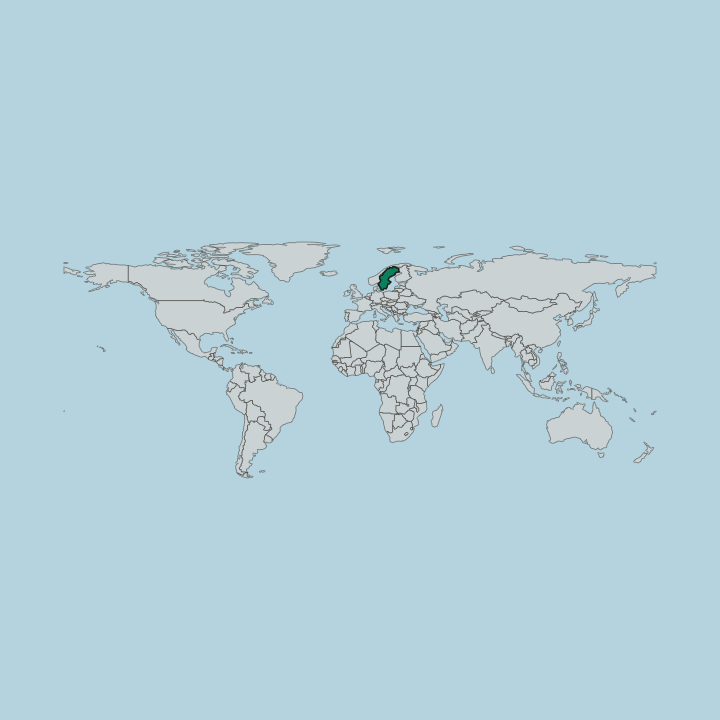
Forshaga is a small town in the southern part of Värmland County, in western Sweden, the seat of its municipality on the Klarälven river.
Hotel links are affiliate links: booking through them may earn us a commission, at no extra cost to you. It never affects how places are ranked. How this works


Where to stay in Forshaga
Where visitors usually base themselves, and why.
Most visitors stay in the small centre of Forshaga, where guesthouses and a hotel or two sit within easy reach of the river, the church, and the shops along the main street. The centre suits travellers who want services close at hand and a short walk to the Klarälven and its fishing pools. The centre holds few beds.
Along the river and on the lakes around town, cabins, campsites, and holiday cottages open through the warm months, drawing anglers, paddlers, and families who come for the water and the long northern summer light. The forests inland hold self-catering houses and farm stays for those touring by car through southern Värmland. Reserve early in the fishing season. Karlstad lies a short drive south, and many visitors base themselves there for its wider choice of hotels while making day trips up the river valley to Forshaga and the rapids that draw the salmon.
Find hotels in Forshaga
Direct booking searches for these neighbourhoods.
Town centre
guesthouses near the river, church, and shops. Rooms are few around here — worth securing early.Find hotels in Town centresummer families and paddlers on the KlarälvenRiver and lakes
cabins and campsites along the Klarälven. Lodging is scarce in this area; reserve in advance.Find hotels in River and lakestravellers wanting rooms nearer KarlstadKarlstad
a short drive south with a wide choice of bedsFind hotels in KarlstadHotel links are affiliate links: booking through them may earn us a commission, at no extra cost to you. It never affects how places are ranked. How this works
About Forshaga
Forshaga is a river town on the Klarälven.
What is Forshaga known for?
The rapids that gave the place its name once drove mills and a paper works, and the river still runs at the heart of local life through the centre of town, drawing anglers to one of Sweden's noted stretches for salmon and trout. Forshaga kyrka stands among the older buildings. The town is also a quiet base for the forests, lakes, and fishing waters that spread across this corner of southern Värmland north of Karlstad.
What are the main landmarks in Forshaga?
Forshaga kyrka stands near the centre, the parish church among the older buildings of the town. The river itself is the great sight here. The rapids of the Klarälven that gave Forshaga its name run through the heart of the place, long famous among anglers for salmon and trout, and the old mill and paper-works grounds along the bank recall the industry that once turned on the falling water.
Betel, a chapel of the free-church tradition, adds to the small cluster of religious buildings. The riverside paths draw walkers all year.
What is the history of Forshaga?
The rapids made the town. People settled by the falls of the Klarälven where the rushing water could be put to work, and through the older centuries small mills and forges turned on the current while farms spread across the surrounding forest land of southern Värmland. The river carried timber down from the north.
Floating logs to the mills and the lake shaped the working life of the valley for generations. Industry came with the modern age. A pulp and paper works rose beside the rapids and drew workers into a growing community, and Forshaga changed from a scatter of riverside farms and mills into a true town built around the factory, the church, and the railway that tied it to Karlstad and the wider county.
The mills have largely fallen quiet. The town became the seat of its surrounding municipality, and the salmon fishing of the Klarälven, once a working resource, drew a fresh stream of visitors to the rapids that first gave the place its name and its livelihood.
Where is Forshaga?
Forshaga lies in the southern part of Värmland County, on the Klarälven river a short way north of Karlstad and Lake Vänern, in western Sweden. The town sits where the river runs through wooded country, with rapids in its midst and forested ridges and small lakes spreading out on either side toward the wider highlands of Värmland. The setting is riverine and green.
Roads and the railway follow the valley south to Karlstad and on toward the lake, and north up the Klarälven into the deeper forests of the county.
What is the climate of Forshaga?
Forshaga sits in cool inland country. Winters are cold and often snowy, with the river and the surrounding forests held under frost through the dark months while the deeper highlands to the north lie under heavier and longer-lasting snow than the valley floor. Summers turn mild and green along the Klarälven.
The long northern daylight warms the river country and brings the anglers, paddlers, and walkers to the Klarälven across the short, bright high season. Spring melt swells the rapids each year.
How do you get to Forshaga?
Forshaga sits on the road and rail line that runs up the Klarälven valley from Karlstad, with trains and buses linking the river towns through the day and tying the place to the county seat and the wider network. Drivers come north from Karlstad. The nearest large airport lies near Karlstad to the south, the main gateway for the district.
From the town, roads follow the river deeper into the forests of Värmland.
Common questions
What is the best area to stay in Forshaga?
Town centre: anglers and short stays. River and lakes: summer families and paddlers on the Klarälven. Karlstad: travellers wanting rooms nearer Karlstad.
Good for
More cities in Värmland County
Updated September 2026