United States · California
Where to Stay in Alameda, California
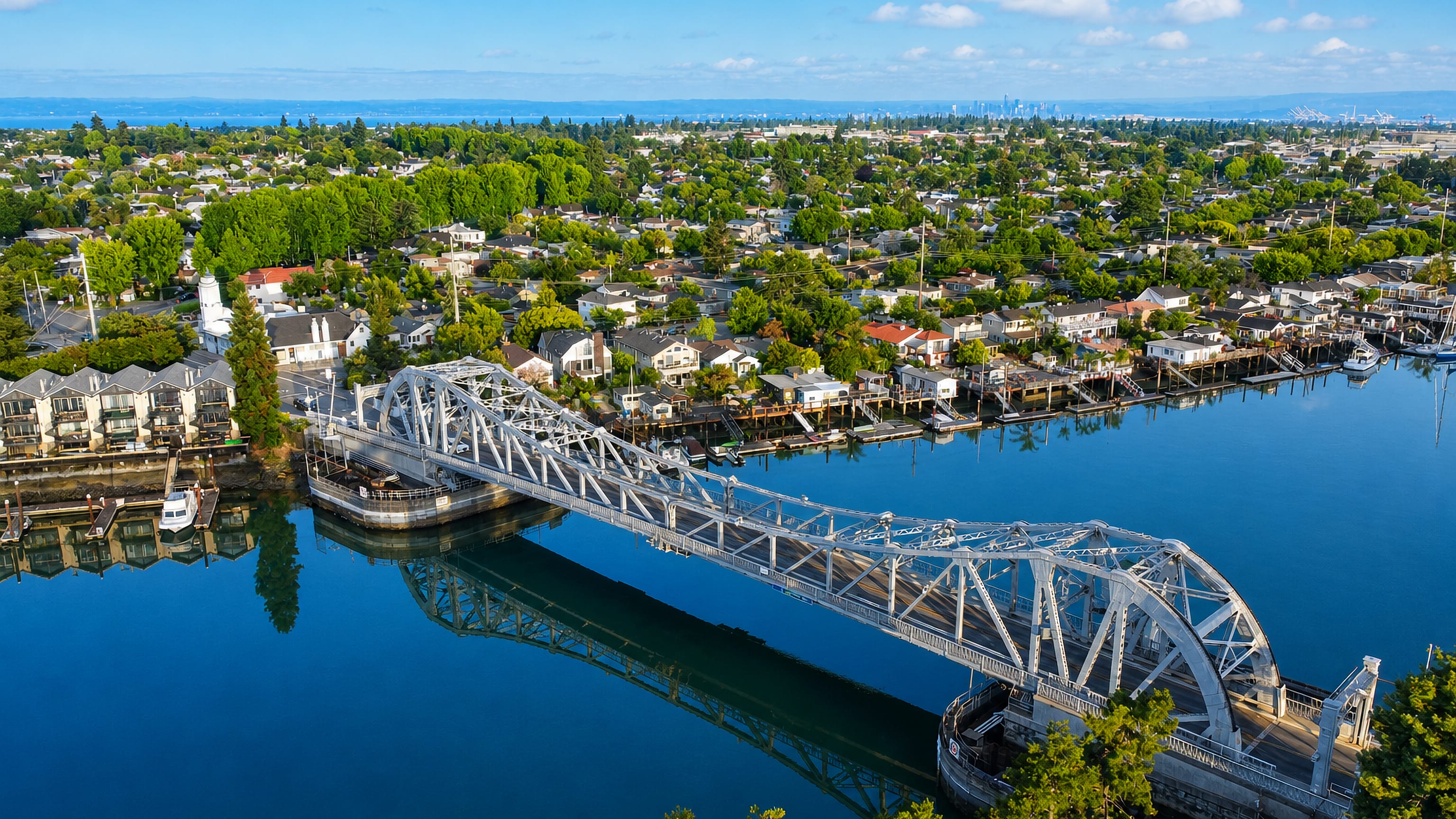
Alameda is an island city in the East Bay, cut off from Oakland by the Oakland Estuary and tied back to it by bridges.
Hotel links are affiliate links: booking through them may earn us a commission, at no extra cost to you. It never affects how places are ranked. How this works


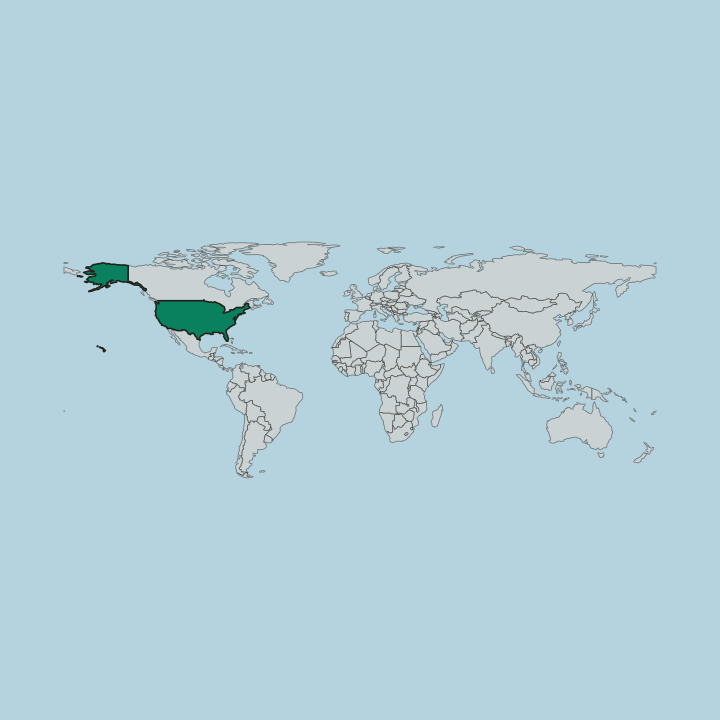
Where to stay in Alameda
The practical side of choosing where to sleep.
Pick the island first. Alameda Island holds the bulk of the beds, the older residential grid, and the short walks that link the Alameda Museum, the Pacific Pinball Museum, and the Victorian frontages that survive along the avenues. Rooms here put you in range of everything on foot or on a short bus ride.
The Webster Street end is the practical choice for anyone crossing the water often, because the Webster Street Tube surfaces on the Oakland side within minutes and the bridges over the Oakland Estuary are close behind it. Traffic is the trade-off. Bay Farm Island is the quieter alternative, low and flat, separated from the main island and facing the open water of San Francisco Bay.
It suits travellers who want distance from the grid and do not mind driving. Beds thin out at the far edges of the archipelago, and Coast Guard Island is not a place to look for them at all. Oakland lies a few minutes away across the estuary for anyone who wants a larger choice of rooms, with the Oakland Museum of California and the wider East Bay transport network on that side.
Alameda County spreads inland from there. Stay on the island if the point of the trip is the island itself, because the whole appeal of the place is that the water is on every side of you and the pace drops as soon as you cross.
Find hotels in Alameda
Direct booking searches for these neighbourhoods.
Alameda Island
The main island grid, walkable between the Alameda Museum and the Pacific Pinball Museum.Find hotels in Alameda IslandCrossing to Oakland oftenWebster Street
The tube portal end, quickest of all Alameda addresses for the Oakland Estuary crossings.Find hotels in Webster StreetFlat, open bay frontageBay Farm Island
Detached from the main island and facing the open water of San Francisco Bay. Beds are limited here, so book early.Find hotels in Bay Farm IslandHotel links are affiliate links: booking through them may earn us a commission, at no extra cost to you. It never affects how places are ranked. How this works
About Alameda
Alameda is an archipelago rather than one island.
What is Alameda known for?
Alameda Island carries most of the streets, Bay Farm Island lies out toward San Francisco Bay, and Coast Guard Island sits in the channel of the Oakland Estuary, so bridges and the Webster Street Tube govern how the city moves. The Pacific Pinball Museum pulls visitors over from Oakland. Nineteenth-century blocks account for much of the rest, with the White Mansion and the Alameda Museum keeping that record legible.
Water is never far.
What are the main landmarks in Alameda?
The Pacific Pinball Museum is the draw that travels furthest beyond the island, and the Alameda Museum sets the town's own story out a short distance from it. Nineteenth-century domestic architecture is the other collection, unroofed and free: the White Mansion and the Alfred H Cohen House are the showpieces, with block after block of lesser Victorians around them. Churches mark the older parish core.
The First Presbyterian Church Sanctuary Building and the Brooklyn Presbyterian Church still hold their ground. Across the water in Oakland, the Oakland Museum of California covers the wider region.
What is the history of Alameda?
Alameda dates from 1853. The settlement took shape on the low ground of Alameda Island, at the point where the Oakland Estuary divides the archipelago from the mainland of Alameda County, and its early wealth left a dense stock of timber-framed houses that later generations chose not to clear away. Growth came fast in the closing decades of the nineteenth century.
Congregations built in step with it, which is why the First Presbyterian Church Sanctuary Building, the Brooklyn Presbyterian Church, and the Church of St James the Apostle all belong to that same wave of construction. The estuary shaped everything that followed. Ferries and then fixed crossings bound the island to Oakland, and the Webster Street Tube eventually carried road traffic beneath the channel rather than over it, which pulled the two places into a single working district of the East Bay.
Bay Farm Island was drawn into the city as well, and Coast Guard Island took up its own use in the channel. Preservation did the rest. The White Mansion and the Alfred H Cohen House survived as the best of the domestic record, the Alameda Museum was set up to hold the documents and objects that go with them, and the streets around both kept a nineteenth-century scale unusual for a city on San Francisco Bay.
That inheritance is now the main reason visitors cross the water.
Where is Alameda?
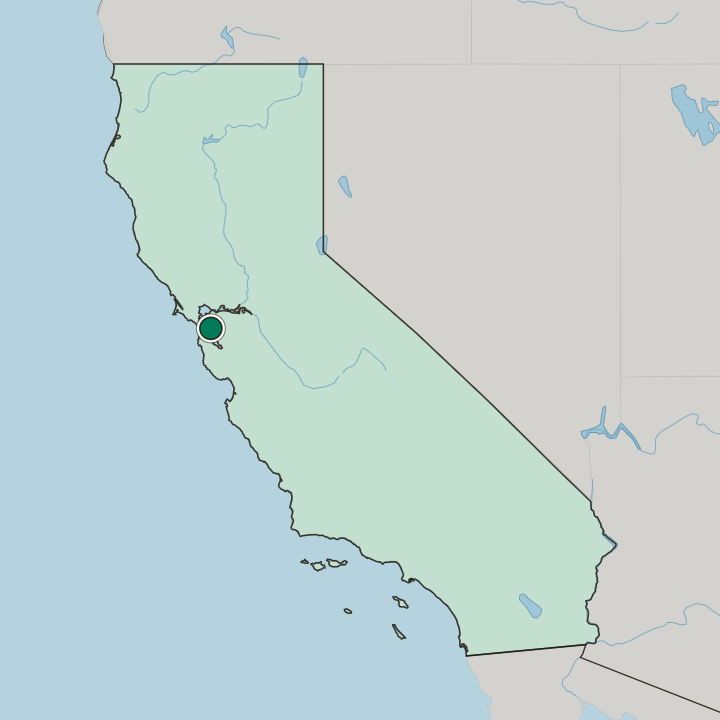
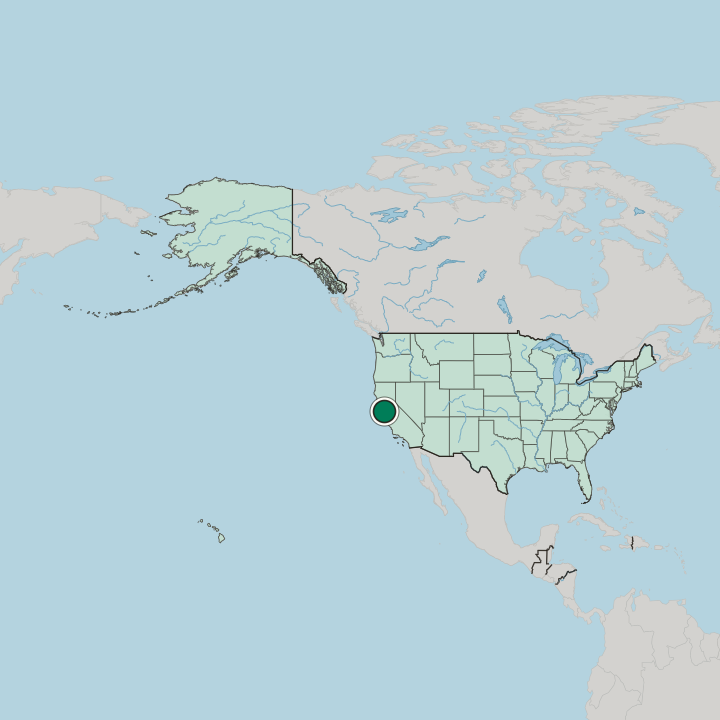
Alameda occupies an informal archipelago in San Francisco Bay, within the East Bay region of the Bay Area and the boundaries of Alameda County, California. Alameda Island is the largest of its parts, with Bay Farm Island detached to the seaward side and Coast Guard Island lying in the water between the city and the mainland. The Oakland Estuary is the dividing line, putting Oakland directly opposite.
Everything sits low and flat. Salt water reaches all four sides.
What is the climate of Alameda?
San Francisco Bay does the moderating here. Sitting on an island in temperate latitudes, with water on every side and the Oakland Estuary at its back, Alameda swings less between its warm and cool months than the inland parts of Alameda County do. Wind is the constant.
It crosses the flat ground of Bay Farm Island with nothing much to break it, and the same openness keeps the air moving through the older streets on Alameda Island.
How do you get to Alameda?
Every approach runs through Oakland. The Webster Street Tube dives beneath the Oakland Estuary and delivers traffic straight onto Alameda Island, while the bridges over the same channel give the alternative crossings and take the load when the tube is busy. Bay Farm Island is reached from its own side.
Nothing arrives without touching water, and that single fact governs journey times in and out of the city far more than distance across the East Bay ever does.
Common questions
What is the best area to stay in Alameda?
Alameda Island: Museums and Victorian avenues. Webster Street: Crossing to Oakland often. Bay Farm Island: Flat, open bay frontage.
Good for
More cities in California
Updated October 2026