United States · California
Where to Stay in Los Angeles, California
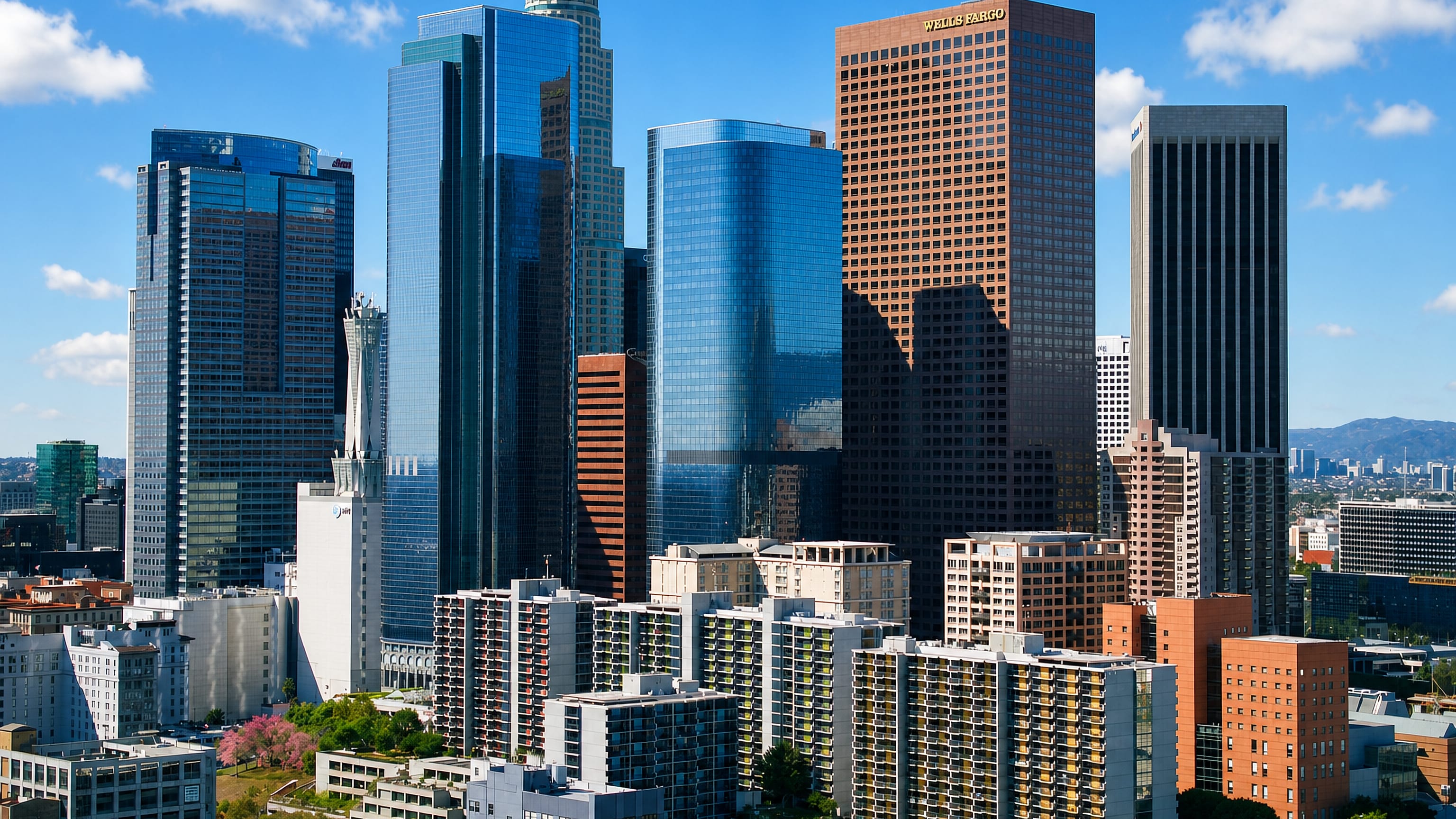
Los Angeles stretches along the Pacific coast of Southern California, the largest city in California, known for its beaches and its film studios.
Hotel links are affiliate links: booking through them may earn us a commission, at no extra cost to you. It never affects how places are ranked. How this works


Where to stay in Los Angeles
The right area depends on your trip — here's what each neighbourhood is best for.
 Los AngelesUnited States
Echo Park
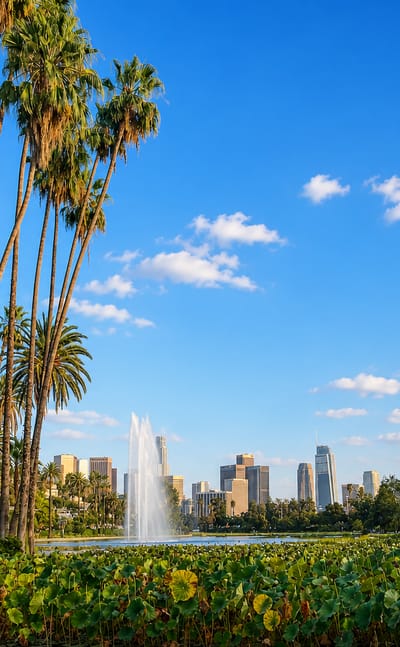
Echo Park is a district of central Los Angeles set around Echo Park Lake, with the Angelus Temple standing above the water.Echo Park → Los AngelesUnited States
Boyle Heights
Boyle Heights is a neighbourhood of Los Angeles east of the Los Angeles River, a Mexican American community known for Mariachi Plaza.Boyle Heights →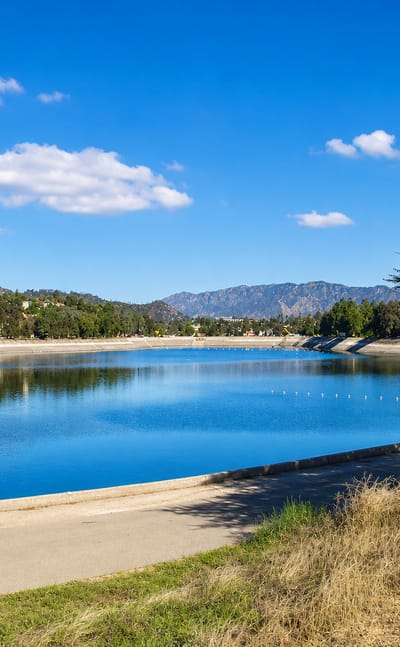 Los AngelesUnited States
Silver Lake
The Neutra VDL Studio and Residences stands in Silver Lake, a district of Los Angeles known also for the Garbutt House and the Junc Gallery.Silver Lake →Los AngelesUnited StatesKoreatown
Koreatown is a compact district of Los Angeles, its blocks anchored by Immanuel Presbyterian Church and First Congregational Church of Los Angeles.Koreatown → Los AngelesUnited States
Atwater Village
Atwater Village lies along the Los Angeles River in northeast Los Angeles, bordered by Griffith Park, Silver Lake, and Glendale.Atwater Village →Los AngelesUnited StatesVermont Square
Vermont Square is a neighbourhood of Los Angeles in the South Los Angeles region, known for a branch library designated a Historic-Cultural Monument.Vermont Square → Los AngelesUnited States
Larchmont
Larchmont is a district of Los Angeles carrying a register of three named places, among them St. Brendan Catholic Church and The Brick.Larchmont →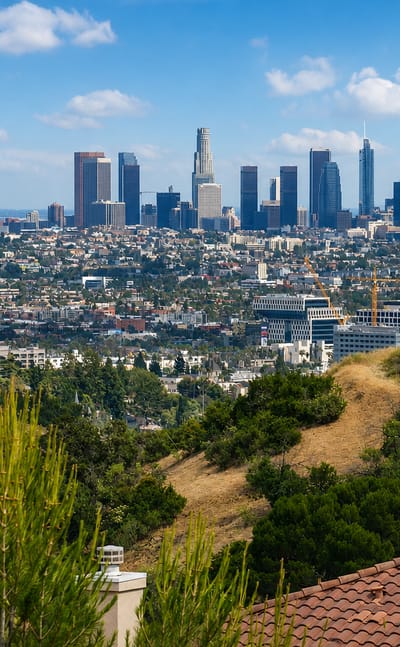 Los AngelesUnited States
Hollywood
Hollywood is a district of Los Angeles strung along Hollywood Boulevard, lined with museums from the Hollywood Museum to Madame Tussauds Hollywood.Hollywood → Los AngelesUnited States
Mid-City
Mid-City is a residential neighbourhood of Central Los Angeles, part of the built-up interior of the California city rather than a visitor quarter.Mid-City → Los AngelesUnited States
Century City
Century City is a district of Los Angeles laid out from 1960, with Sinai Temple and Karasik House among its landmarks.Century City → Los AngelesUnited States
Studio City
The Harvard-Westlake Center for the Arts anchors Studio City, a district of Los Angeles that also holds the Lydecker House.Studio City →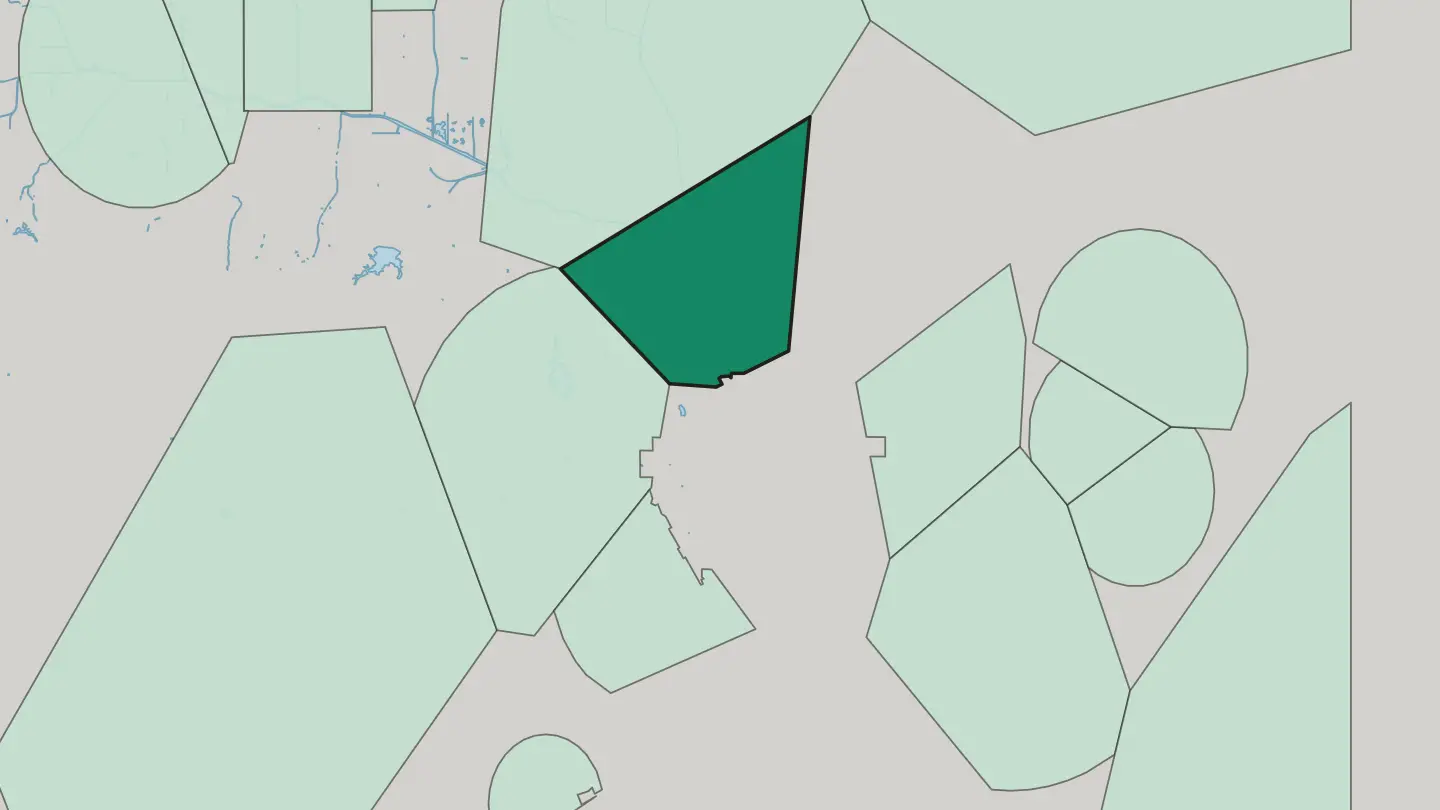
 Los AngelesUnited States
North Hollywood
The NoHo Arts District sets the tone in North Hollywood, a district of Los Angeles in the San Fernando Valley of California.North Hollywood →All neighbourhoods (34)
 Los AngelesUnited States
Sawtelle
Sawtelle is a neighborhood of West Los Angeles that grew around the Sawtelle Veterans Home and held a city charter of its own from 1899.Sawtelle →Los AngelesUnited States
Bel Air
Bel Air is a neighbourhood of Los Angeles, laid out in 1923 near Westwood and Brentwood, known for the Casa Encantada estate.Bel Air →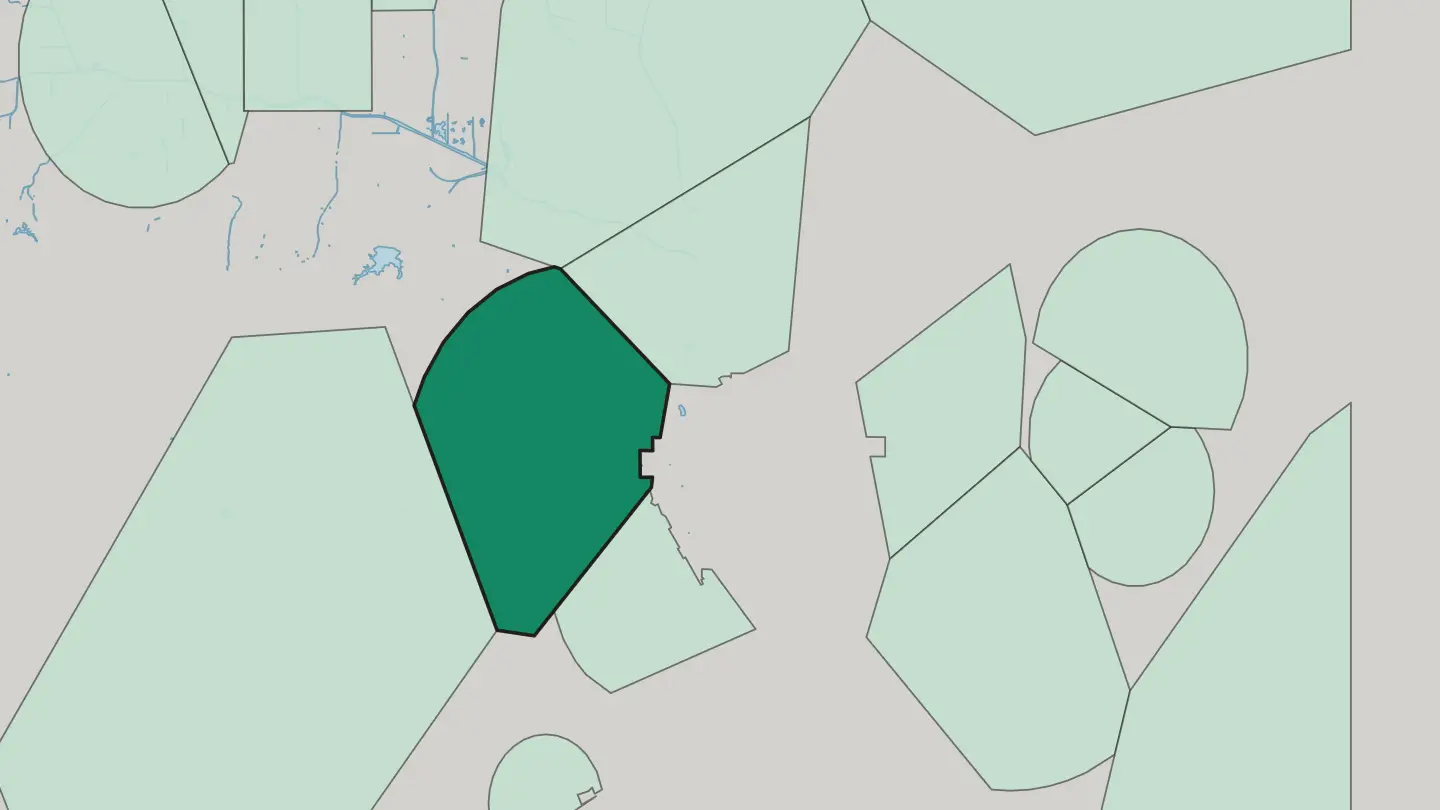
 Los AngelesUnited States
Marina del Rey
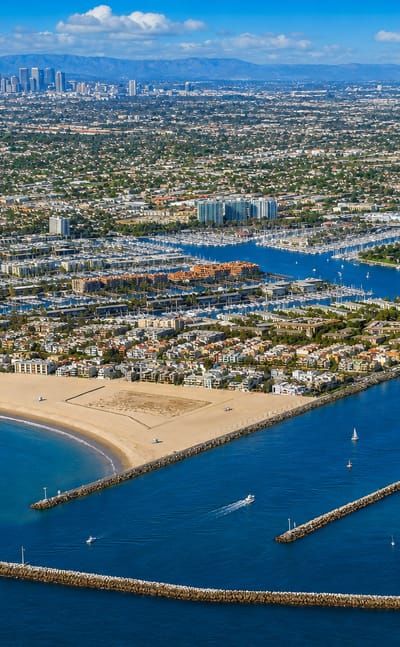
Fisherman's Village lines the water at Marina del Rey, a harbourside district of Los Angeles in California.Marina del Rey →Los AngelesUnited StatesVenice
Venice is a district of Los Angeles laid out in 1905, known for the Venice of America House and the First Lutheran Church of Venice.Venice → Los AngelesUnited States
Brentwood
Brentwood is a mainly residential quarter of the City of Los Angeles, on the Westside of the Los Angeles Basin.Brentwood → Los AngelesUnited States
Sherman Oaks
Sherman Oaks is a Los Angeles district on the south San Fernando Valley, laid out in 1927 along Ventura Boulevard. It climbs to the Santa Monica Mountains.Sherman Oaks → Los AngelesUnited States
Valley Glen
The Great Wall of Los Angeles runs through Valley Glen, a district of Los Angeles that also holds the St. Paul Assyrian Chaldean Catholic Church.Valley Glen →Los AngelesUnited StatesSunland
Sunland forms part of the Sunland-Tujunga area of Los Angeles, paired with Tujunga, where Bolton Hall stands.Sunland → Los AngelesUnited States
Van Nuys
Van Nuys anchors the central San Fernando Valley, a district of Los Angeles known for Van Nuys Airport and the Valley Municipal Building.Van Nuys →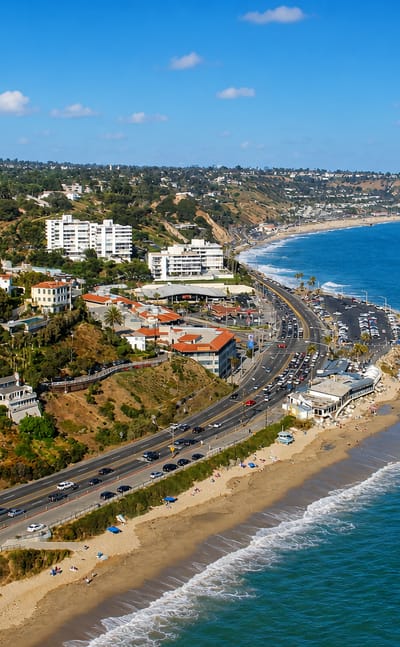 Los AngelesUnited States
Pacific Palisades
Pacific Palisades spreads over ocean-view hills on the West Side of Los Angeles, an affluent residential district beside Santa Monica.Pacific Palisades → Los AngelesUnited States
Encino
Encino is a neighbourhood of the San Fernando Valley in Los Angeles, named for the oaks that the Tongva village of Siutcanga was named for before it.Encino → Los AngelesUnited States
North Hills
North Hills is a Los Angeles neighbourhood in the San Fernando Valley, known chiefly for the Sepulveda Unitarian Universalist Society.North Hills →Los AngelesUnited StatesWilmington
Wilmington is a South Bay and Harbor district of Los Angeles, marked by the Drum Barracks.Wilmington →Los AngelesUnited States
Reseda
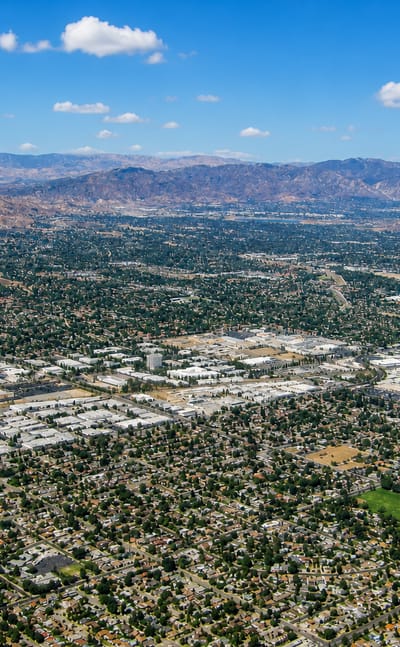
Reseda sits in the San Fernando Valley of Los Angeles, a flat residential grid in the South Valley near Tarzana and Encino.Reseda →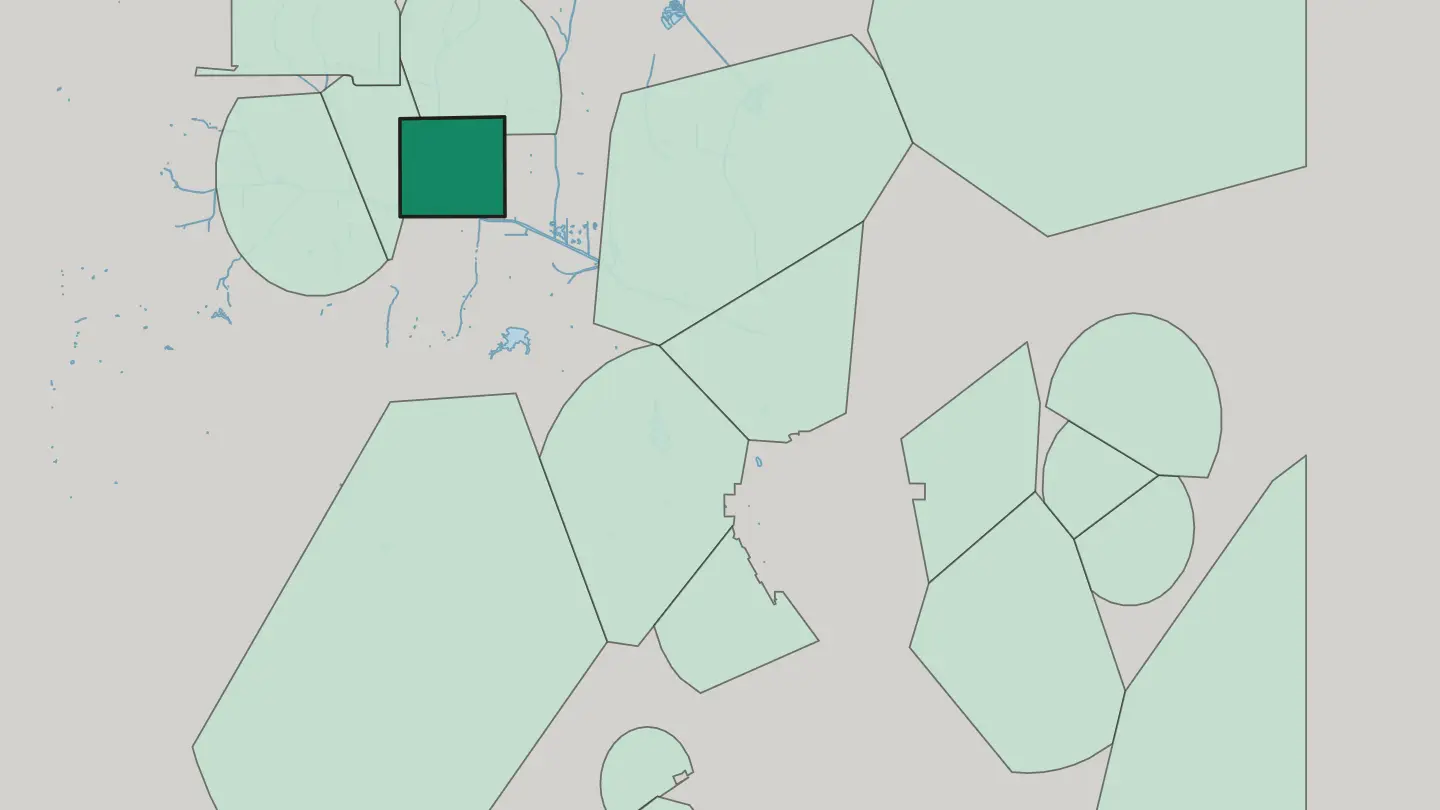
 Los AngelesUnited States
Northridge
Matador Field marks Northridge, a district of Los Angeles in the San Fernando Valley of California.Northridge →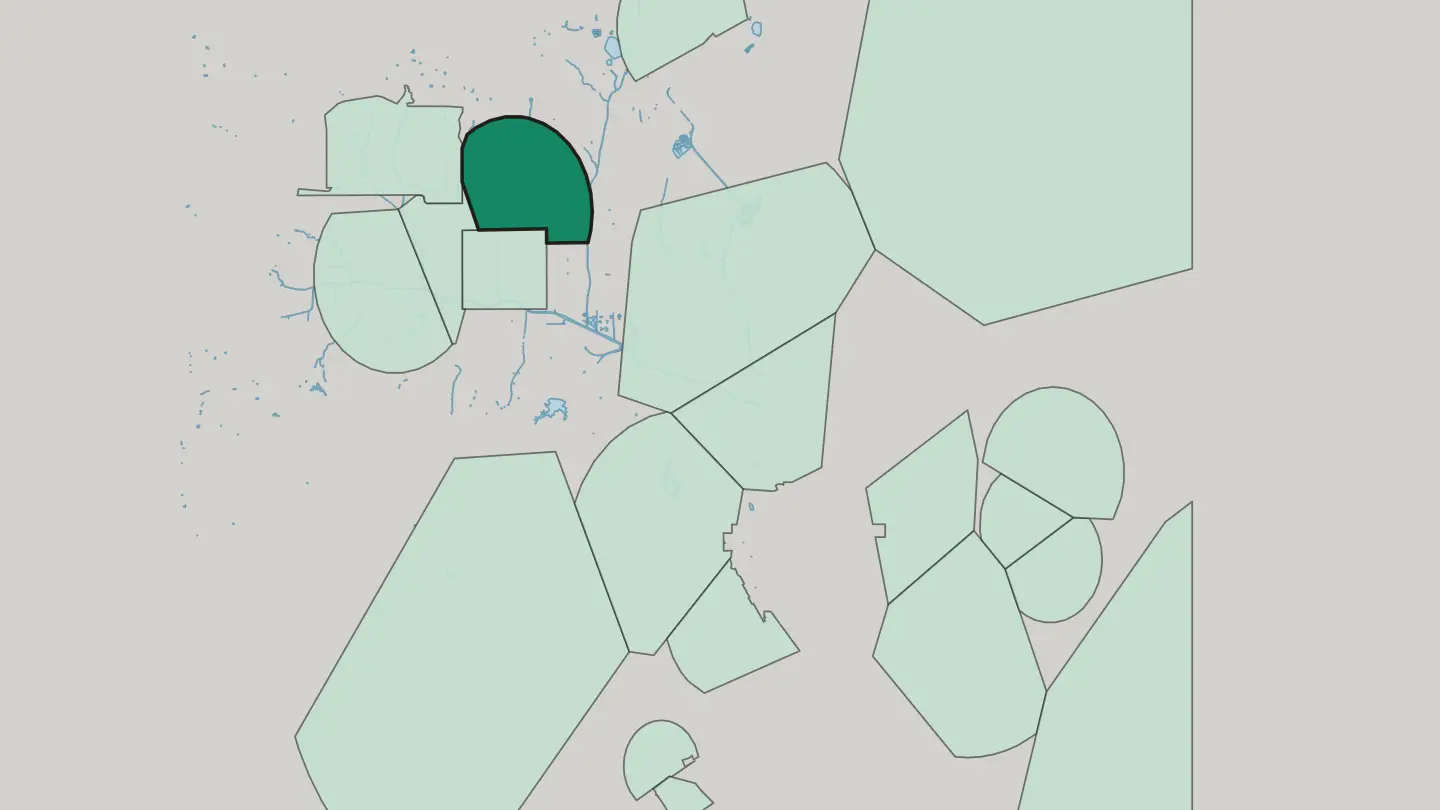 Los AngelesUnited States
Sylmar
The Nethercutt Collection stands in Sylmar, a district of Los Angeles that also holds the San Fernando Pioneer Memorial Cemetery.Sylmar →Los AngelesUnited StatesSan Pedro
San Pedro is a harbor district of Los Angeles on San Pedro Bay, its waterfront lined by the USS Iowa Museum and the Los Angeles Maritime Museum.San Pedro →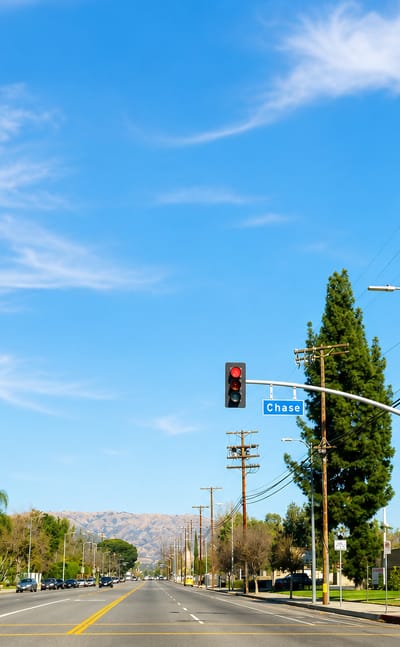 Los AngelesUnited States
Winnetka
Winnetka is a San Fernando Valley district of Los Angeles, marked by the Adams Residence.Winnetka →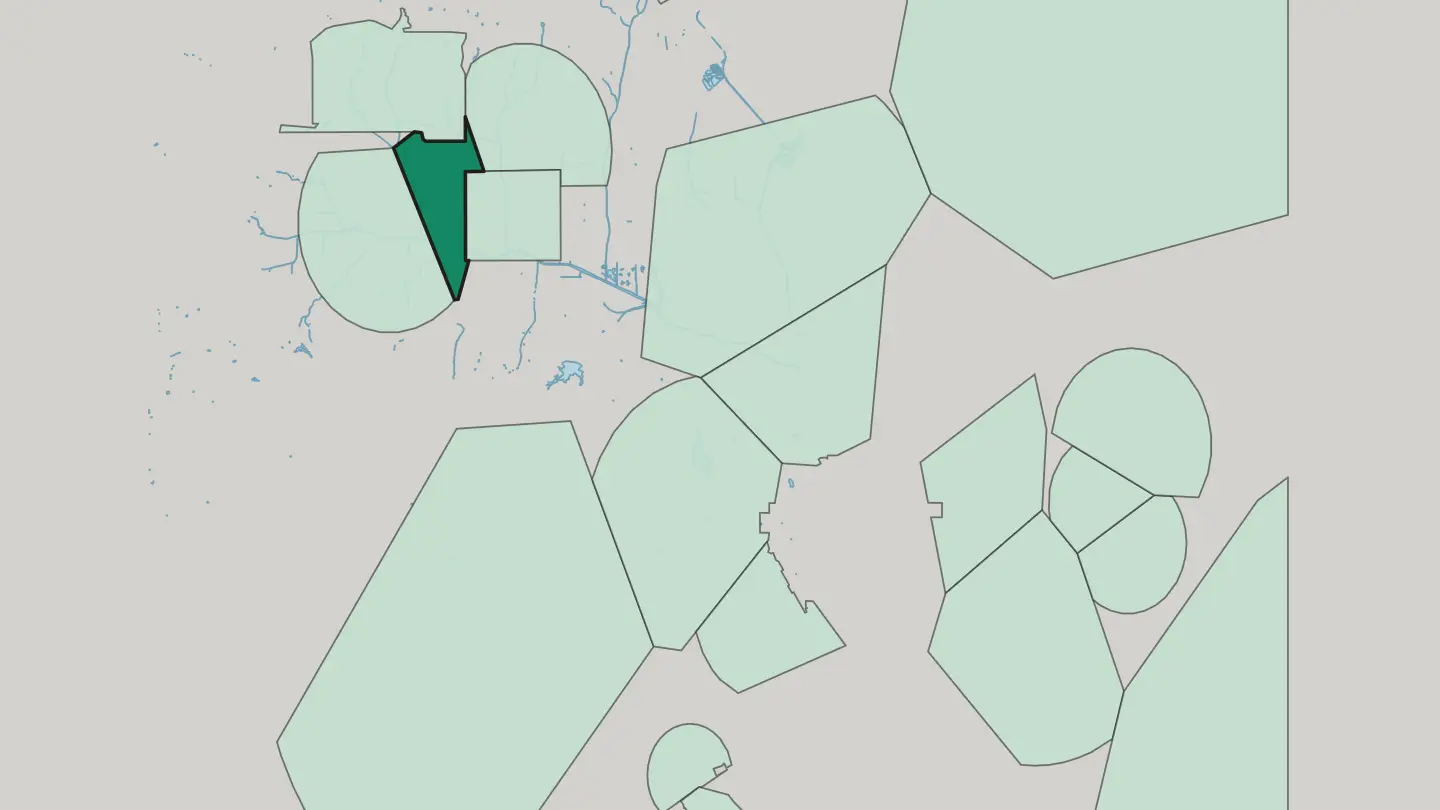
 Los AngelesUnited States
Woodland Hills
Woodland Hills is a district of Los Angeles in the San Fernando Valley, grouped with Tarzana and Canoga Park as the South Valley.Woodland Hills →Los AngelesUnited States
Canoga Park
Canoga Park is a San Fernando Valley district of Los Angeles, marked by the church of Our Lady of the Valley.Canoga Park →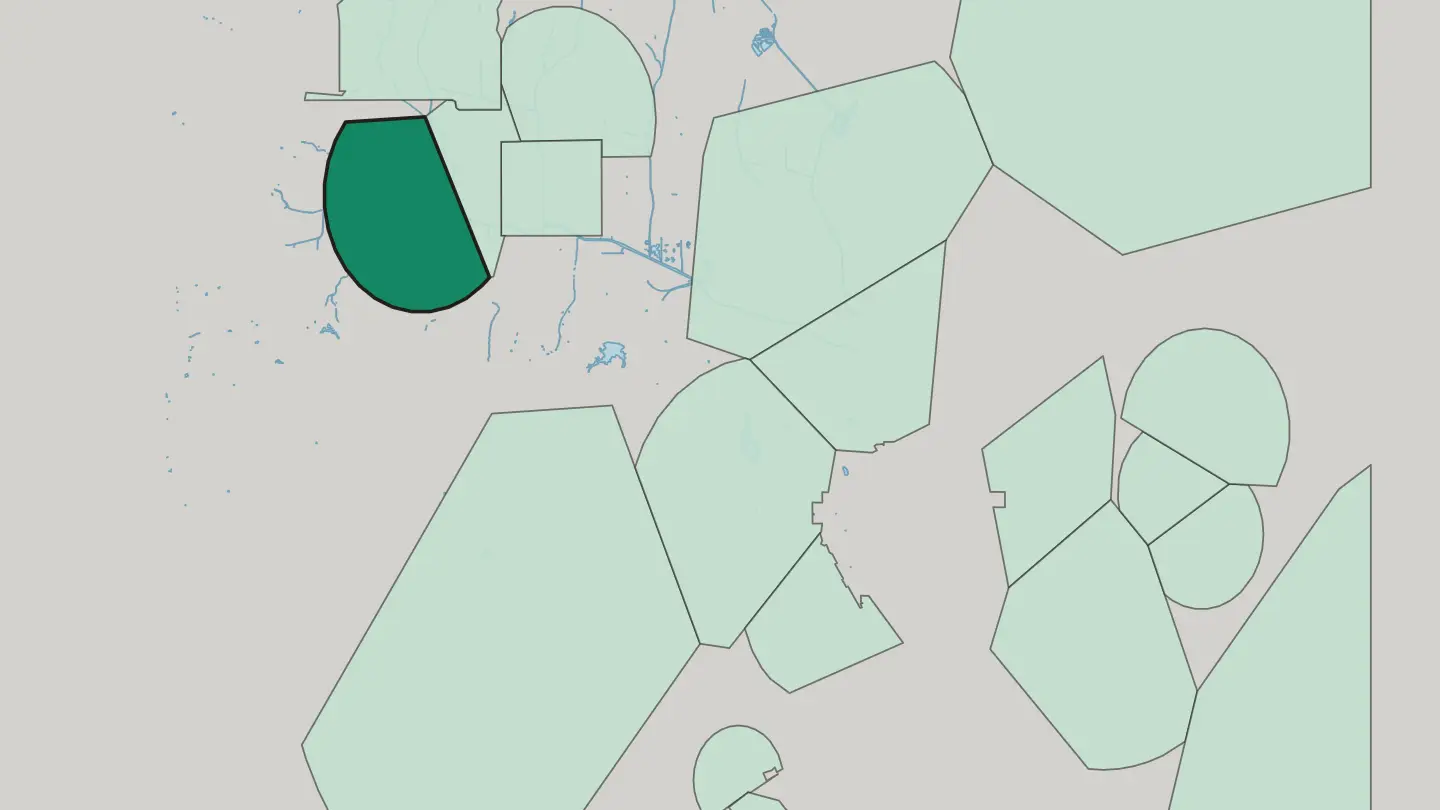 Los AngelesUnited States
Chatsworth
Chatsworth is a San Fernando Valley district of Los Angeles, marked by the Minnie Hill Palmer House.Chatsworth →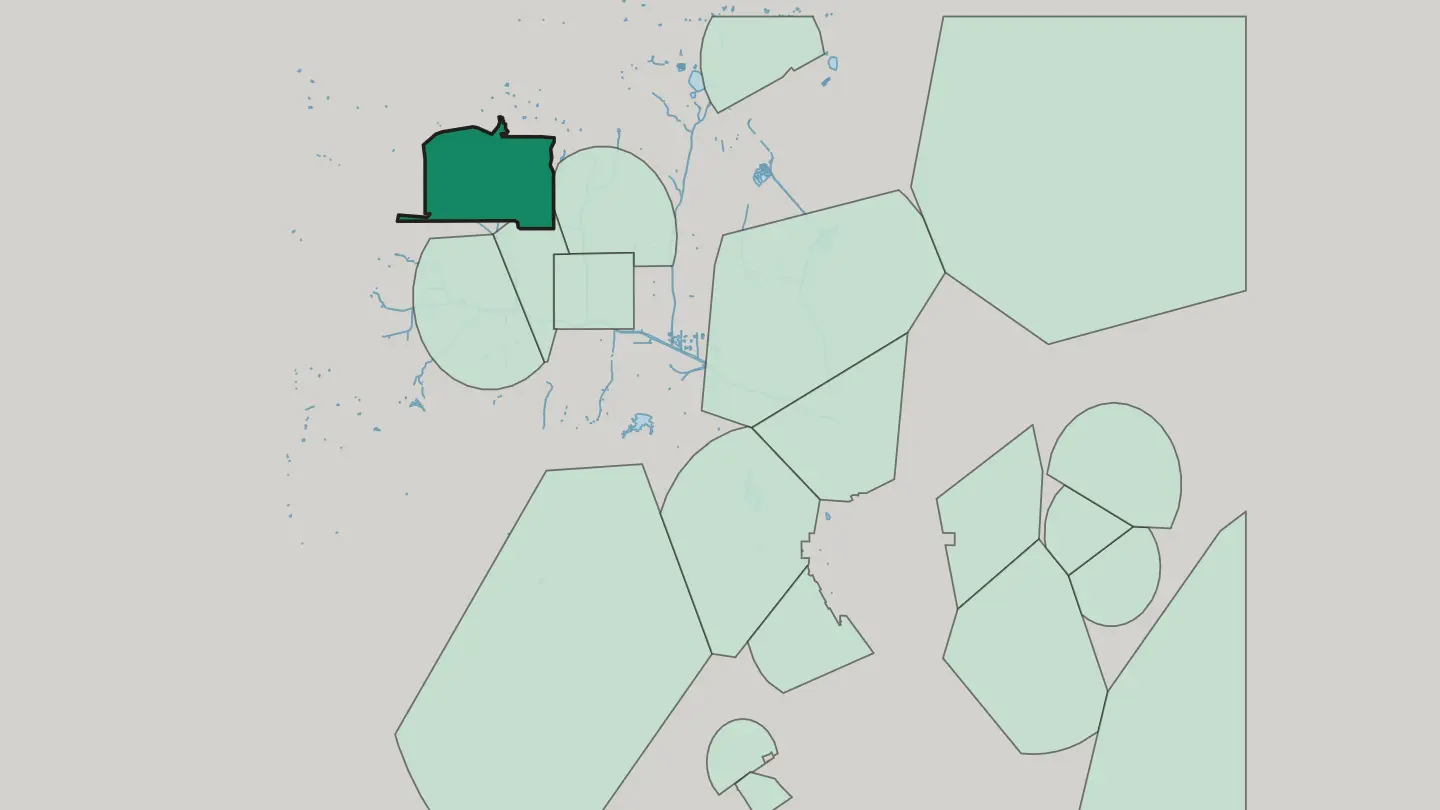 Los AngelesUnited States
West Hills
West Hills closes the western San Fernando Valley against the mountain ranges beyond it, a Los Angeles neighborhood whose name dates from 1987.West Hills →Hotel links are affiliate links: booking through them may earn us a commission, at no extra cost to you. It never affects how places are ranked. How this works
Things to do in Los Angeles
Ranked by global recognition; descriptions from Wikidata (CC0).
Museums & Galleries
3- Drum Barracks Heritage
- Orcutt Ranch Horticulture Center Heritage
- Bolton Hall Heritage
Churches & Religious Sites
8- Angelus Temple Heritage
- La Iglesia de Nuestra Señora Reina de los Angeles Heritage
- Immanuel Presbyterian Church Heritage
- First Congregational Church of Los Angeles Heritage
- Iglesia Adventista Central Heritage
Show 3 more →
- First Baptist Church of Los Angeles Heritage
- Faith Bible Church, Northridge, California Heritage
- Memory Chapel Heritage
Castles & Historic Sites
3- Statue of Bruce Lee
- American Merchant Marine Veterans Memorial
- Bracero Monument
Stadiums & Sports
3- Los Angeles Convention Center
- The Berrics
- Chutes Park
Landmarks & Notable Places
8- Garbutt House Heritage
- Minnie Hill Palmer House Heritage
- Whitley Court Heritage
- Venice of America House Heritage
- Garber House Heritage
Show 3 more →
- Janes House Heritage
- Adams Residence Heritage
- Weddington House Heritage
worth knowingacross 5 categories in Los Angeles
About Los Angeles
What is Los Angeles known for?
Los Angeles is known as the largest city in California and the heart of Southern California, strung along the Pacific coast. Film, television, and music run the show here. The studios made the City of Angels famous, and the downtown galleries carry the art, among them The Broad and the Museum of Contemporary Art, Los Angeles.
Beaches line the shore. Warm Mediterranean days and the surf culture born on them draw crowds outdoors year round.
What are the main landmarks in Los Angeles?
Los Angeles keeps its landmarks packed into downtown and the old plaza beside it. The Broad and the Museum of Contemporary Art, Los Angeles anchor the gallery district, with the Grammy Museum and the short funicular of Angels Flight close by. Aon Center towers over them.
In the founding core, La Iglesia de Nuestra Señora Reina de los Angeles, the Japanese American National Museum, and LA Plaza de Cultura y Artes tell the city's layered story, near the Fort Moore Pioneer Memorial.
What is the history of Los Angeles?
Los Angeles was founded in 1781 as a small farming pueblo on the Southern California plain. The name meant the town of the angels. For its first century it stayed a modest settlement of adobe and orchards, its Spanish roots written into the plaza at its heart.
La Iglesia de Nuestra Señora Reina de los Angeles still stands there, on the ground where the pueblo began. Orchards once covered the flats. The little town grew slowly under the sun.
Adobe walls and dusty lanes lined the young pueblo through those first quiet decades. Everything changed when the film industry arrived. Studios settled across the basin in the early 20th century, and the pueblo grew into the largest city in California and the capital of show business.
The City of Angels became a name known worldwide. Actors, directors, and musicians poured in from across the country. Music and television followed the movies, and the beaches along the Pacific coast bred their own surf culture.
Growth never really stopped. The old plaza and its Spanish name survive at the centre of a metropolis that now sprawls all the way to the sea.
Where is Los Angeles?
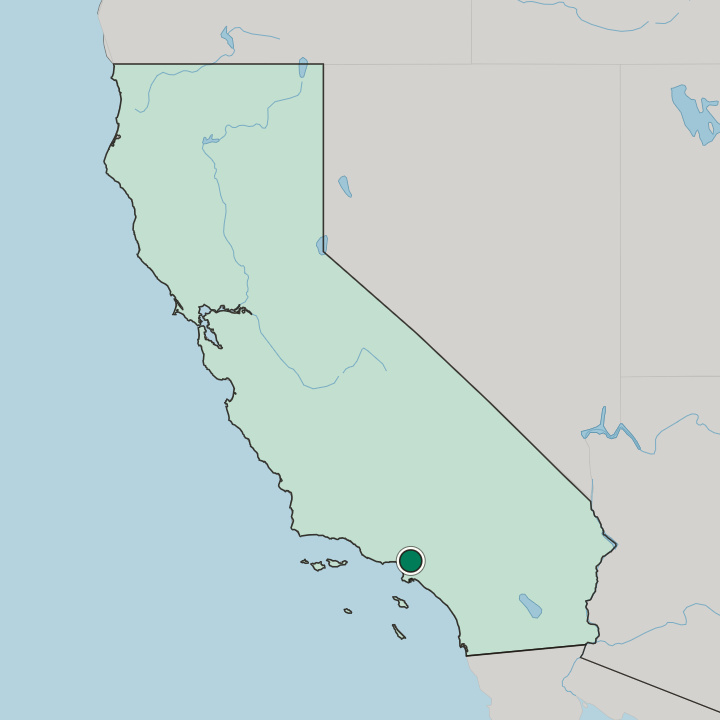
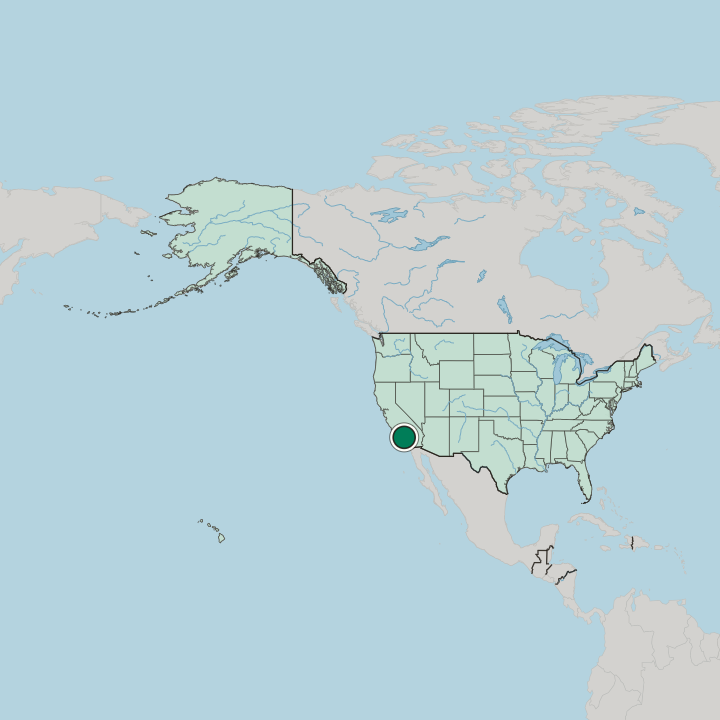
Los Angeles lies on the Pacific coast of Southern California, spread across a wide basin between the sea and the hills. The city runs for miles over flat ground and low ridges, reaching from downtown out to the beaches. It sits far from any river of size.
The Pacific coast forms its western edge, while Greater Los Angeles bleeds inland toward Riverside and San Bernardino. The ocean shapes everything here.
What is the climate of Los Angeles?
Los Angeles has a mild Mediterranean climate, the kind that first drew people to Southern California. Summers stay warm and dry, with clear skies over the basin and the beaches. Rain comes mostly in winter.
Even then the days stay soft, rarely cold, and the Pacific coast holds the temperature steady through the year. Sunshine is the one dependable thing.
How do you get to Los Angeles?
Los Angeles is built for arrival by car, though the world flies in first. The main international airport on the coast is one of the busiest anywhere, feeding Southern California from every direction. Freeways do the rest.
A vast web of highways ties Los Angeles to the beaches, the hills, and the sprawl of Greater Los Angeles beyond. Most visitors land and then drive.
Good for
More cities in California
Updated October 2026