United States · California
Where to Stay in San Jose, California
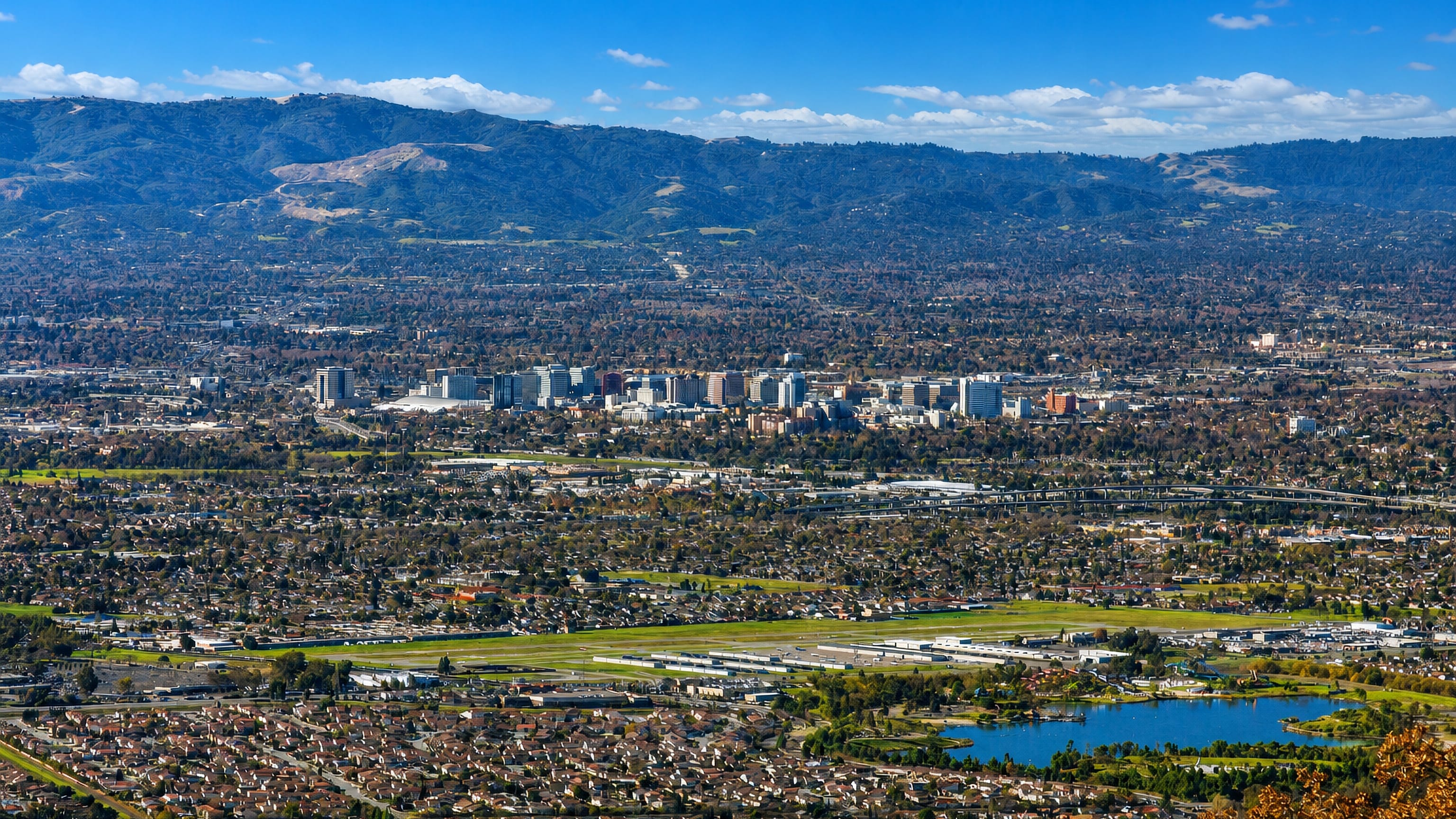
Warm valley light fills the streets of San Jose, a city in California, known for The Tech Interactive and the San Jose Museum of Art.
Hotel links are affiliate links: booking through them may earn us a commission, at no extra cost to you. It never affects how places are ranked. How this works


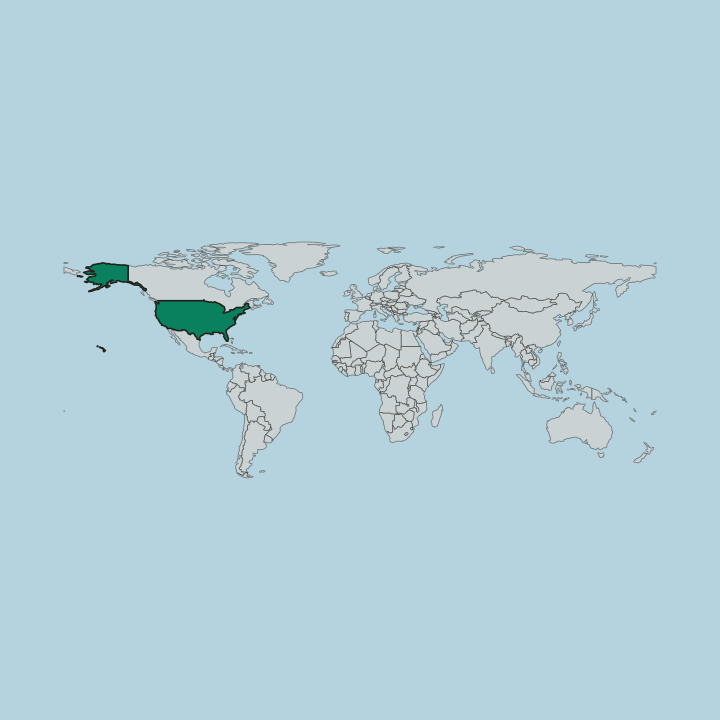
Where to stay in San Jose
Not every neighbourhood fits every trip — here's what each one is good for.

 San JoseUnited States
Communications Hill
Communications Hill is a neighbourhood of San Jose, California, laid out on the high ground of the San Juan Bautista Hills.Where to stay →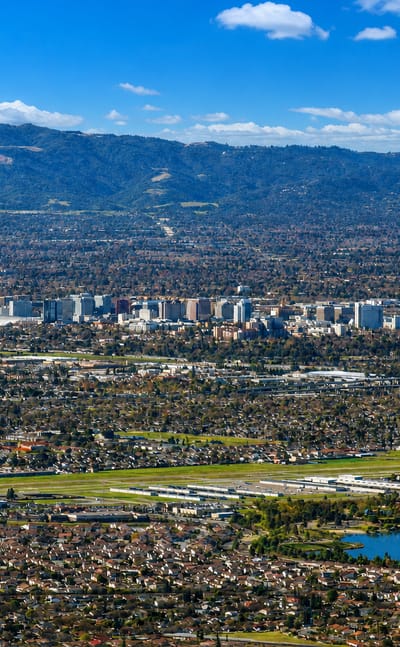 San JoseUnited States
Alum Rock
Alum Rock is a census-designated place in Santa Clara County, California, covering just over two square kilometres beside San Jose.Where to stay →Hotel links are affiliate links: booking through them may earn us a commission, at no extra cost to you. It never affects how places are ranked. How this works
Find hotels in San Jose
Direct booking searches for these neighbourhoods.
Downtown
Plazas and light-rail lines by The Tech Interactive and the San Jose Museum of Art.Find hotels in Downtownstudent energy and valueUniversity quarter
Cafes and campus streets around San José State University.Find hotels in University quarterfamilies heading for Happy Hollow Park and ZooHappy Hollow neighbourhoods
Parkland streets out toward Happy Hollow Park & Zoo.Find hotels in Happy Hollow neighbourhoodsthe town's originsHistory Park core
Adobe and timber buildings preserved at History Park.Find hotels in History Park coreHotel links are affiliate links: booking through them may earn us a commission, at no extra cost to you. It never affects how places are ranked. How this works
Things to do in San Jose
Ranked by global recognition; descriptions from Wikidata (CC0).
Museums & Galleries
3- San Jose Museum of Art
- Children's Discovery Museum of San Jose
- Ira F. Brilliant Center for Beethoven Studies
Churches & Religious Sites
1- Saint Maria Goretti Parish
Stadiums & Sports
3- Oakland Ballpark
- Excite Ballpark
- Sharks Ice San Jose
Landmarks & Notable Places
3- Ross House Heritage
- Associated Students House
- Collins House
worth knowingacross 4 categories in San Jose
About San Jose
What is San Jose known for?
San Jose is known as the largest city on its valley floor and a centre of learning and technology. Its downtown draws visitors to the museums: The Tech Interactive fills a hall with hands-on science, the San Jose Museum of Art shows modern and regional work, and the Children's Discovery Museum of San Jose keeps families busy near the centre. San José State University anchors the education quarter with its historic campus.
Families head to Happy Hollow Park & Zoo, and History Park gathers the old buildings of the town. Culture runs wide here.
What are the main landmarks in San Jose?
San Jose's landmarks gather in and around its downtown. The Tech Interactive fills a hall with science exhibits, while the San Jose Museum of Art shows modern collections across the plaza. History Park preserves the town's old buildings on the parkland edge, and the San Jose Museum of Quilts & Textiles keeps a specialist collection nearby.
Learning has its home too. San José State University spreads its historic campus through the education quarter, and the Ira F. Brilliant Center for Beethoven Studies holds its rare archive there.
What is the history of San Jose?
San Jose was founded in 1777 as San José de Guadalupe, a Spanish farming settlement laid out on the valley floor to feed the missions and presidios of the coast. It was the first civil town established in the region, a pueblo of adobe houses and irrigated fields rather than a mission or a fort. Agriculture shaped it for generations.
The valley's orchards spread out from the little pueblo, and the town grew slowly as a market and farming centre through the long ranch years. The old buildings of that era are gathered now at History Park, where adobes and timber houses stand rebuilt on parkland. Rail and later industry drew the town outward across the plain, and San José State University rose in the education quarter as a training college that became a full university.
Waves of newcomers from Mexico, Portugal, and Vietnam settled the neighbourhoods, and their stories fill museums like the Viet Museum and the Portuguese Historical Museum. Orchards gave way to streets across the plain. The valley kept its warmth.
Its Spanish name endured.
Where is San Jose?
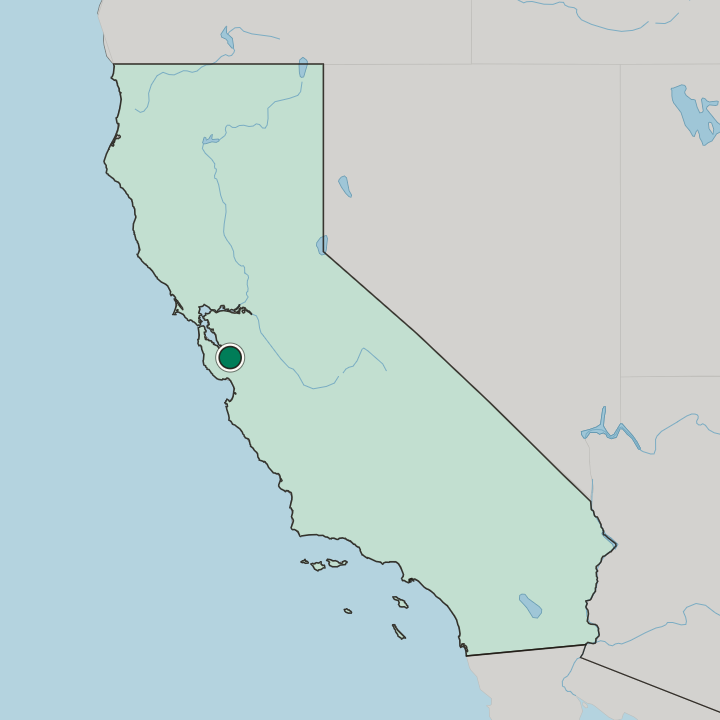
San Jose sits on a broad, flat valley floor in California, ringed by low hills and coastal ranges. The city spreads across the level plain at the southern reach of the wider bay lowlands, its grid running out until the ground rises toward the surrounding slopes. Creeks cross the flats on their way north toward the water.
Hills ring the plain. They stay green in the wet season and brown through the dry, while downtown holds the old centre near History Park, where the pueblo first took root.
What is the climate of San Jose?
San Jose has a mild Mediterranean climate, sheltered by the hills that ring its valley in California. Summers are warm and dry, the sun holding steady over the plain for months while the ranges around it turn golden. Winters are cool and see the year's rain.
The wet season greens the surrounding slopes and fills the creeks that cross the flats before the long dry stretch returns. Hard frost is rare on the valley floor.
How do you get to San Jose?
San Jose is well linked across California. Its international airport lies just north of downtown on the valley floor, handling West Coast and long-haul flights close to the centre. Regional and long-distance trains call at the city, and a peninsula rail line runs north up the valley toward the larger bay cities.
Freeways cross at San Jose, feeding traffic from every direction across the plain. A light-rail network and buses reach the downtown museums, the campus, and the outer neighbourhoods.
Common questions
What is the best area to stay in San Jose?
Downtown: museums and dining on foot. University quarter: student energy and value. Happy Hollow neighbourhoods: families heading for Happy Hollow Park and Zoo. History Park core: the town's origins.
Good for
More cities in California
Updated October 2026