United States · California
Where to Stay in San Diego, California
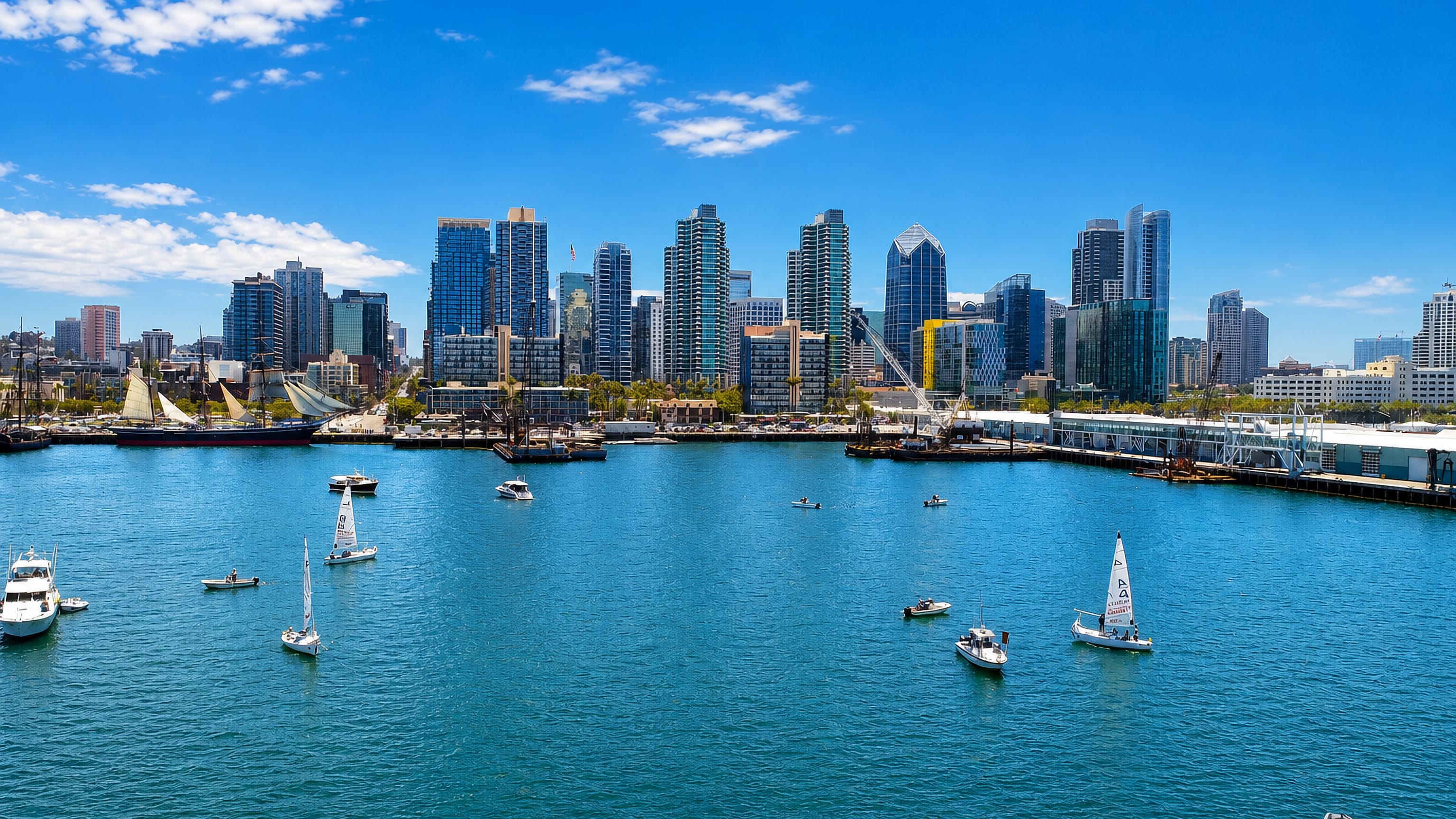
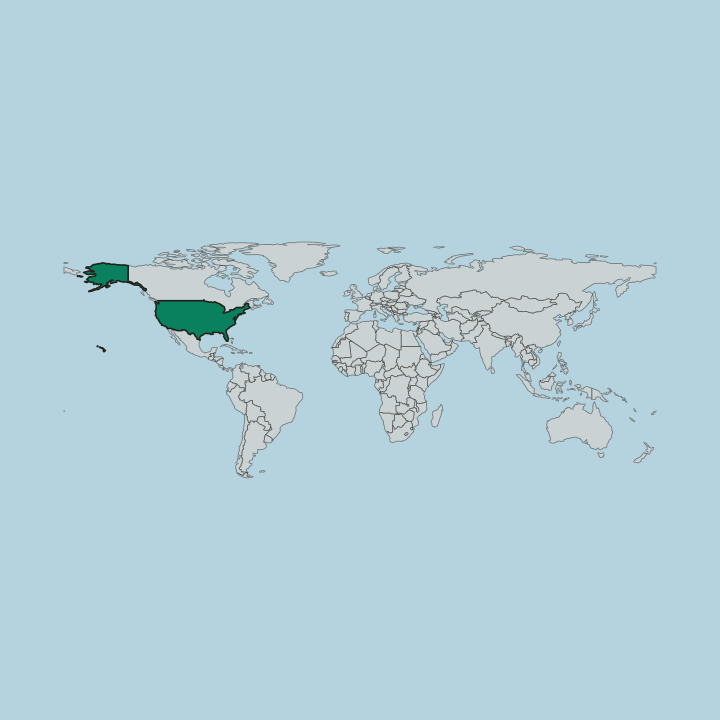
San Diego lines the Pacific coast at the southern tip of California, a harbour city on the Mexican border, known for Balboa Park and its Navy waterfront.
Hotel links are affiliate links: booking through them may earn us a commission, at no extra cost to you. It never affects how places are ranked. How this works


Where to stay in San Diego
Each area has its own feel; here's who each one suits.
 San DiegoUnited States
La Jolla
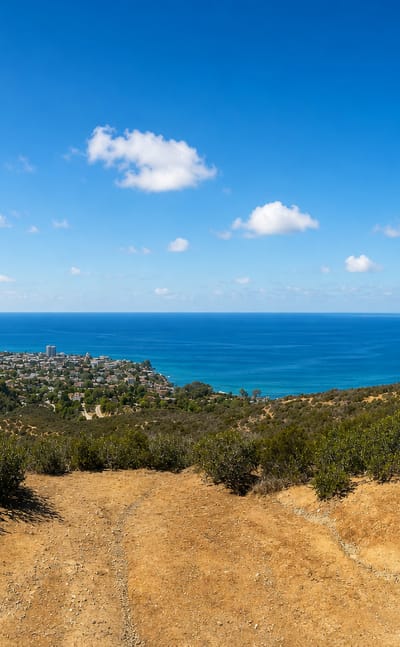
La Jolla is a coastal neighbourhood of San Diego on the Pacific Ocean, known for its coves, Scripps Park, and the brutalist Salk Institute.La Jolla →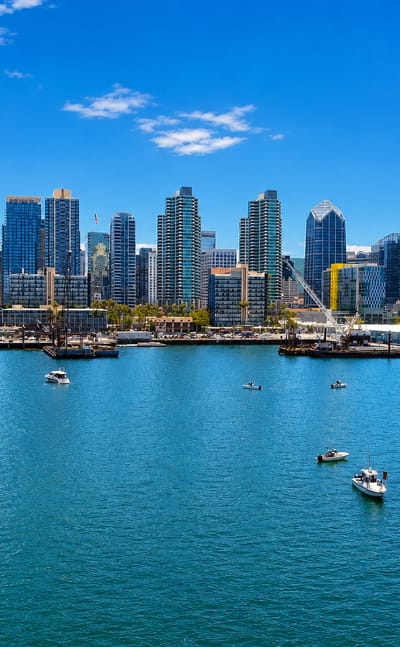 San DiegoUnited States
Sorrento Valley
Sorrento Valley is a San Diego neighborhood held between Interstate 5 and Interstate 805, with Los Peñasquitos Canyon Preserve along its north.Sorrento Valley → San DiegoUnited States
Mira Mesa
Mira Mesa is a community of San Diego, California, laid out from the late 1960s between Interstate 15, Interstate 805, and Los Peñasquitos Canyon.Mira Mesa →San DiegoUnited StatesRancho Penasquitos
Rancho Peñasquitos is a suburban community of San Diego, California, named after the first Mexican land grant made in San Diego County.Rancho Penasquitos →Hotel links are affiliate links: booking through them may earn us a commission, at no extra cost to you. It never affects how places are ranked. How this works
Things to do in San Diego
Ranked by global recognition; descriptions from Wikidata (CC0).
Museums & Galleries
3- USS Midway Museum
- San Diego Air & Space Museum
- San Diego Museum of Art
Churches & Religious Sites
1- Park Place Methodist Episcopal Church South Heritage
Castles & Historic Sites
1- Dream
Nature & Outdoors
1- Balboa Park Heritage
Landmarks & Notable Places
7- Villa Montezuma Heritage
- Martha Kinsey House Heritage
- Long-Waterman House Heritage
- Red Rest and Red Roost Cottages Heritage
- 1049 Coast Boulevard Heritage
Show 2 more →
- Carey Crest/El Paradon Seacliffe House Heritage
- Dolly's House Heritage
worth knowingacross 5 categories in San Diego
About San Diego
What is San Diego known for?
San Diego is known as a harbour city on the Pacific coast, set at the far southern edge of California against the Mexican border. Balboa Park holds much of its fame. The park gathers a cluster of museums, among them the San Diego Museum of Art and the San Diego Air & Space Museum, while the USS Midway Museum floats at the waterfront.
Its beaches run for miles. The mild Mediterranean climate and the long tie to the United States Navy shape daily life.
What are the main landmarks in San Diego?
San Diego packs most of its landmarks into Balboa Park and along the harbour. Inside the park, the San Diego Museum of Art, the Timken Museum of Art, the San Diego Air & Space Museum, and the Museum of Us sit among the gardens. Mingei International Museum joins them.
Down at the water, the USS Midway Museum and the Maritime Museum of San Diego draw the waterfront crowds, while the Comic-Con Museum keeps the park's newer draw.
What is the history of San Diego?
San Diego began in 1769, when a Spanish settlement took hold above the harbour on the Pacific coast. It was an early foothold on this shore. For decades it stayed a small town, its Spanish name and plaza fixed while the empire that founded it gave way.
The harbour was the whole point. Ships used the sheltered bay, and the settlement clung to the water through the lean years. The bay gave shelter that few stretches of this coast could match.
For years the town grew only by inches. The United States Navy changed San Diego for good. The fleet made the great harbour a home port, and the town grew into a naval city and the county seat of San Diego County.
Sailors filled the waterfront. Shipyards and naval piers spread along the bay. Balboa Park rose on the mesa above downtown, its halls and gardens becoming the cultural heart of the city.
The border with Mexico sat only a short way south, and San Diego and Tijuana grew as neighbours across it. The bay still runs the city. From a Spanish settlement it became a metropolis on the Pacific coast.
Where is San Diego?
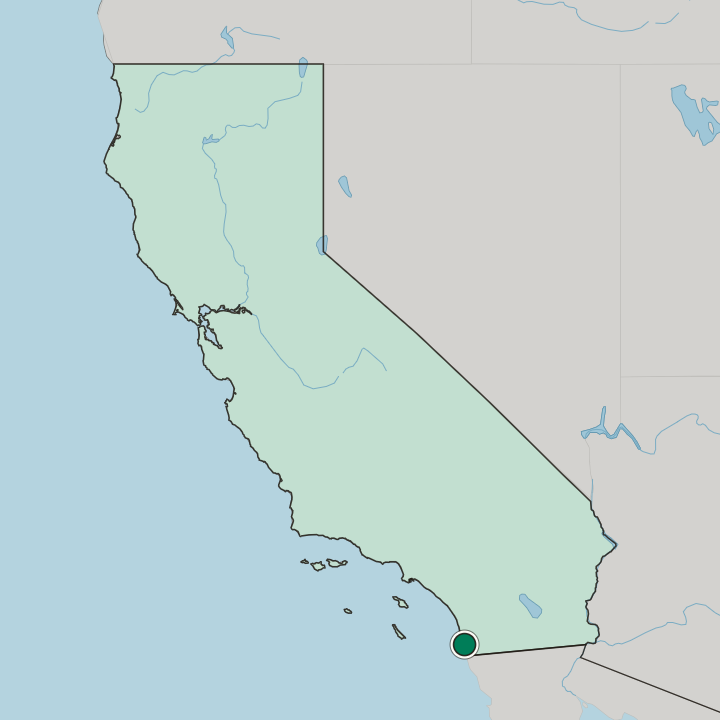
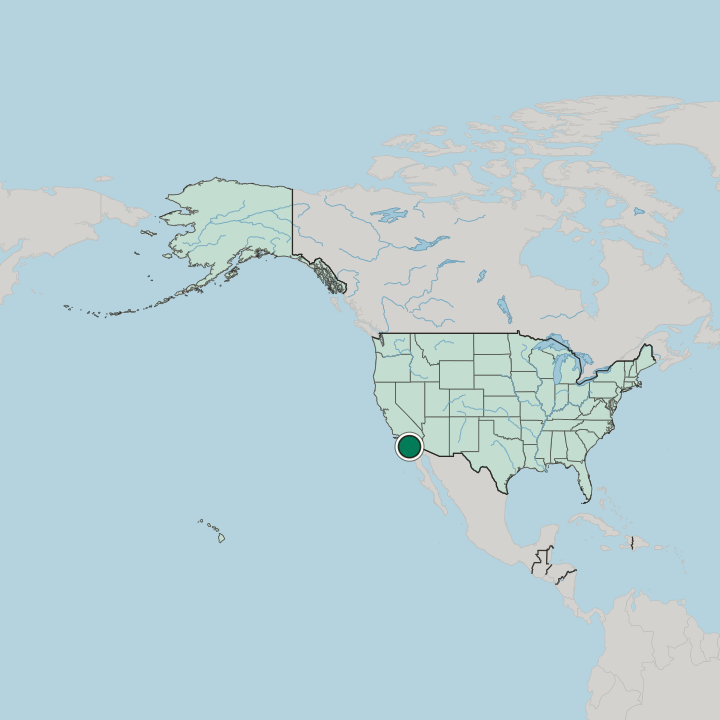
San Diego sits at the far southern edge of California, on the Pacific coast right against the Mexican border. The city rises from a wide harbour and spreads over low hills and ridges back from the water. Tijuana lies just across the line.
Sandy beaches run north along the coast, while Balboa Park crowns the high ground above downtown. San Diego County wraps the city inland.
What is the climate of San Diego?
San Diego has a mild Mediterranean climate, about as even as any on the Pacific coast. Summers stay warm and dry, cooled by the sea breeze off the harbour. Rain is light and mostly winter's work.
The ocean keeps the beaches comfortable through most of the year, with little cold and less snow. The weather rarely changes much.
How do you get to San Diego?
San Diego is quick to reach by air, road, and sea. Its international airport sits right on the harbour, close to downtown, feeding flights from across the country. The border adds another door.
Travellers cross from Mexico at Tijuana, while freeways run north up the Pacific coast toward Los Angeles. Most visitors fly or drive in.
Good for
More cities in California
Updated October 2026