United States · California
Where to Stay in Apple Valley, California
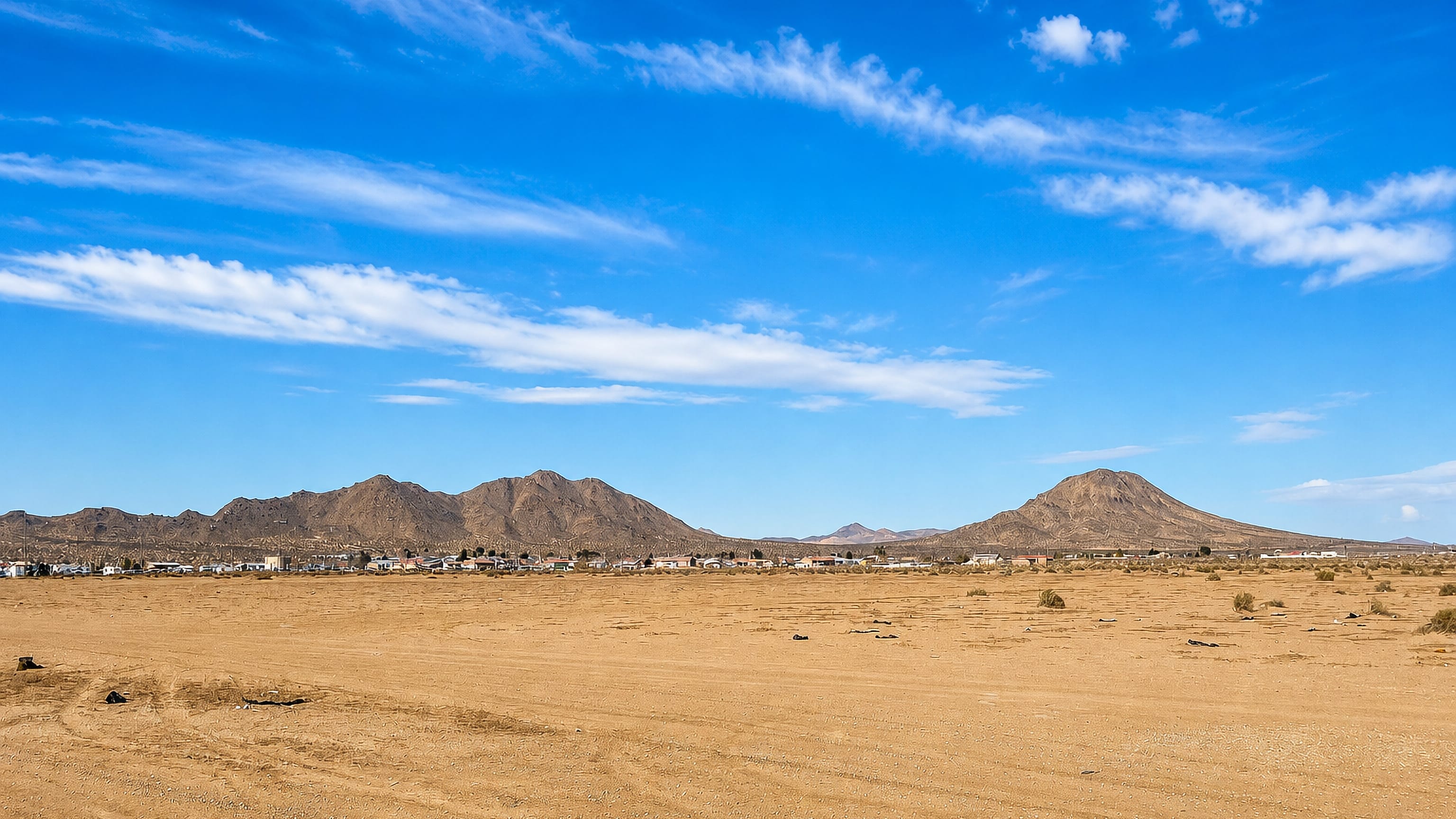
Apple Valley is an incorporated town in the Victor Valley of San Bernardino County, adjoining the cities of Victorville and Hesperia.
Hotel links are affiliate links: booking through them may earn us a commission, at no extra cost to you. It never affects how places are ranked. How this works


Where to stay in Apple Valley
Where the beds are, and what that means for the visit.
Bear Valley Road is the practical answer. The commercial strip that runs along it carries the big-box retail, the chain restaurants, and the cinemas that arrived with the town's later development, which makes it the address with the most on the doorstep and the least walking to reach any of it. Rooms cluster near that corridor.
Anyone whose trip is really about the Victor Valley, the road heritage at the California Route 66 Museum, the drive up from the Cajon Pass, the run north toward Barstow, will find the strip an easy place to sleep and an easy place to leave in the morning. Hwy 18 is the alternative axis, older and quieter, threading past the residential streets where the ranch, traditional, and usonian houses stand. It suits a slower look at the town.
Beds are thinner on the ground away from the main corridor, so treat the quieter streets as somewhere to walk rather than somewhere to book. Victorville and Hesperia adjoin Apple Valley closely enough that a room in either is effectively a room in the same valley, which widens the choice considerably without adding much to the driving. San Bernardino lies well beyond the pass and belongs to a different trip. Pick the strip for convenience, the older road for character, and the neighbouring cities for range, because the three sit within minutes of one another and no single one of them holds all the advantages.
Find hotels in Apple Valley
Direct booking searches for these neighbourhoods.
Bear Valley Road
The retail strip carrying Apple Valley's chain restaurants and cinemas.Find hotels in Bear Valley RoadRanch and usonian house-spottingHwy 18 corridor
The older through-route past Apple Valley's mid-20th century residential streets. Beds are limited here, so book early.Find hotels in Hwy 18 corridorA wider choice of Victor Valley bedsVictorville
The adjoining city, with the California Route 66 Museum on that side of the valley.Find hotels in VictorvilleHotel links are affiliate links: booking through them may earn us a commission, at no extra cost to you. It never affects how places are ranked. How this works
About Apple Valley
The orchards went first.
What is Apple Valley known for?
Apple trees gave the place its name in the early 20th century and then gave way to housing, so what fills the ground between Hwy 18 and Bear Valley Road is a catalogue of American domestic building: ranch and traditional streets alongside mid-20th century modern work and a run of usonian designs. Retail arrived much later, in big-box form. Apple Valley is also a curiosity of nomenclature, one of the 22 municipalities in California that call themselves a town rather than a city, and the California Route 66 Museum keeps the Victor Valley's road heritage a short drive away.
What are the main landmarks in Apple Valley?
Houses are the exhibit here. The stretch between Hwy 18 and Bear Valley Road holds the town's real collection, a run of ranch and traditional streets set against mid-20th century modern work and the small group of usonian designs that give Apple Valley an architectural claim its neighbours lack. The California Route 66 Museum covers the other heritage.
Its subject is the old highway that shaped travel across the Victor Valley, and it makes the obvious indoor stop on a day out from San Bernardino County's high country.
What is the history of Apple Valley?
Fruit came before anything else. The apple orchards of the early 20th century gave the settlement in this corner of the Victor Valley both its living and its name, and for decades the ground between the wash country and the road out toward Barstow was worked rather than built on. Then the orchards were cleared.
Housing replaced them through the middle decades of the century, laying out the ranch and traditional streets that still run between Hwy 18 and Bear Valley Road, along with the modern and usonian designs that architects of the period slipped in among them. Incorporation came on 14 November 1988, and the town took a deliberate decision about its own name, joining the 22 municipalities in California that style themselves a town instead of a city. Growth followed the paperwork rather than preceding it.
Urban development in the years afterwards brought big-box retail, chain restaurants, and cinemas to the commercial corridor, changing the balance of a place that had been residential almost end to end. Its neighbours grew in step. Victorville and Hesperia now adjoin Apple Valley directly, so the three read on the ground as one continuous settlement of the Victor Valley rather than as separate towns, while the Cajon Pass still marks the break between all of them and San Bernardino below.
The California Route 66 Museum records the road era that first carried people across this landscape.
Where is Apple Valley?
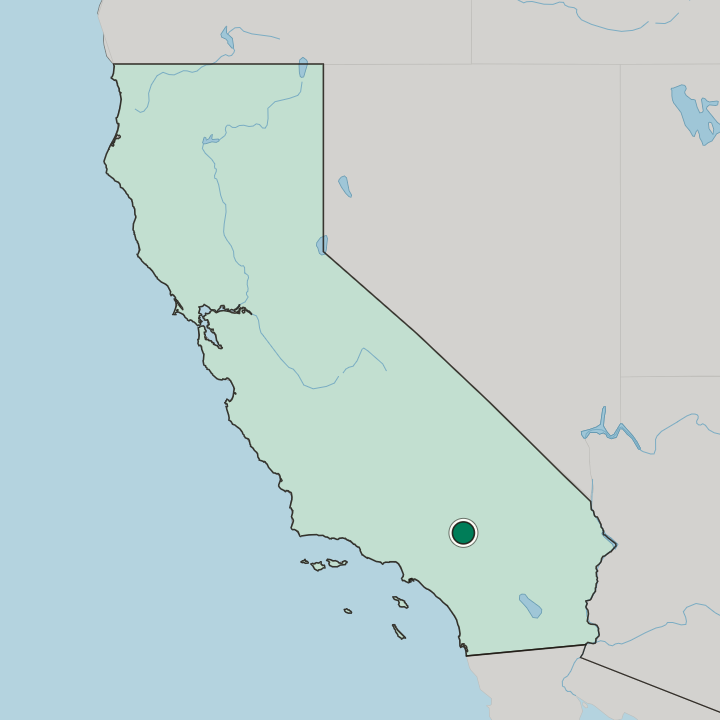
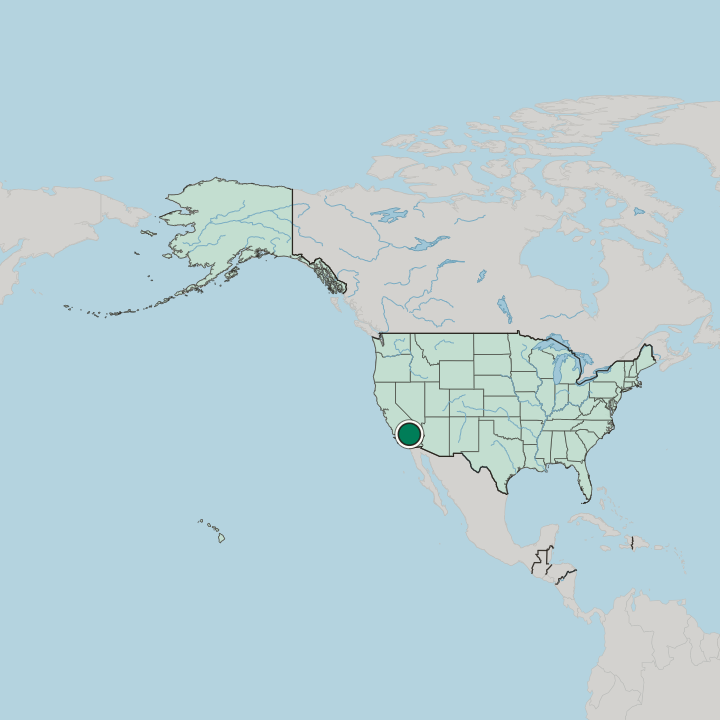
The Victor Valley holds it. Apple Valley lies within San Bernardino County, California, in the United States, immediately east of and adjoining Victorville and Hesperia, so the three run together across open ground without much to mark where one ends. Barstow is 35 miles away.
San Bernardino sits 49 miles off in the opposite direction, reached through the Cajon Pass, which is the break in the terrain that separates this valley from the country below it.
What is the climate of Apple Valley?
The Cajon Pass divides the weather. Apple Valley lies on the Victor Valley side of that break, away from San Bernardino, and although the town sits within the subtropical band the open ground gives its heat back quickly once the sun is off it. Nights turn sharp.
Wind crosses the flats with little to slow it, so the stretch between Hwy 18 and Bear Valley Road can feel a good deal cooler after dark than it did at midday.
How do you get to Apple Valley?
Most arrivals climb the Cajon Pass. The road up from San Bernardino covers 49 miles and gains the Victor Valley in a single sustained ascent, which is the standard approach from the lowland side and the one that makes the change of landscape obvious. Barstow lies 35 miles the other way.
Victorville and Hesperia adjoin the town directly, so crossing between them takes minutes, and Hwy 18 carries much of that local traffic past Apple Valley's older streets.
Common questions
What is the best area to stay in Apple Valley?
Bear Valley Road: Big-box errands and late arrivals. Hwy 18 corridor: Ranch and usonian house-spotting. Victorville: A wider choice of Victor Valley beds.
More cities in California
Updated October 2026