United States · California
Where to Stay in Glendora, California
Route 66 runs through Glendora, a city of the San Gabriel Valley in Los Angeles County, California, laid out during the boom of the 1880s.
Hotel links are affiliate links: booking through them may earn us a commission, at no extra cost to you. It never affects how places are ranked. How this works


Where to stay in Glendora
Where visitors usually base themselves, and why.
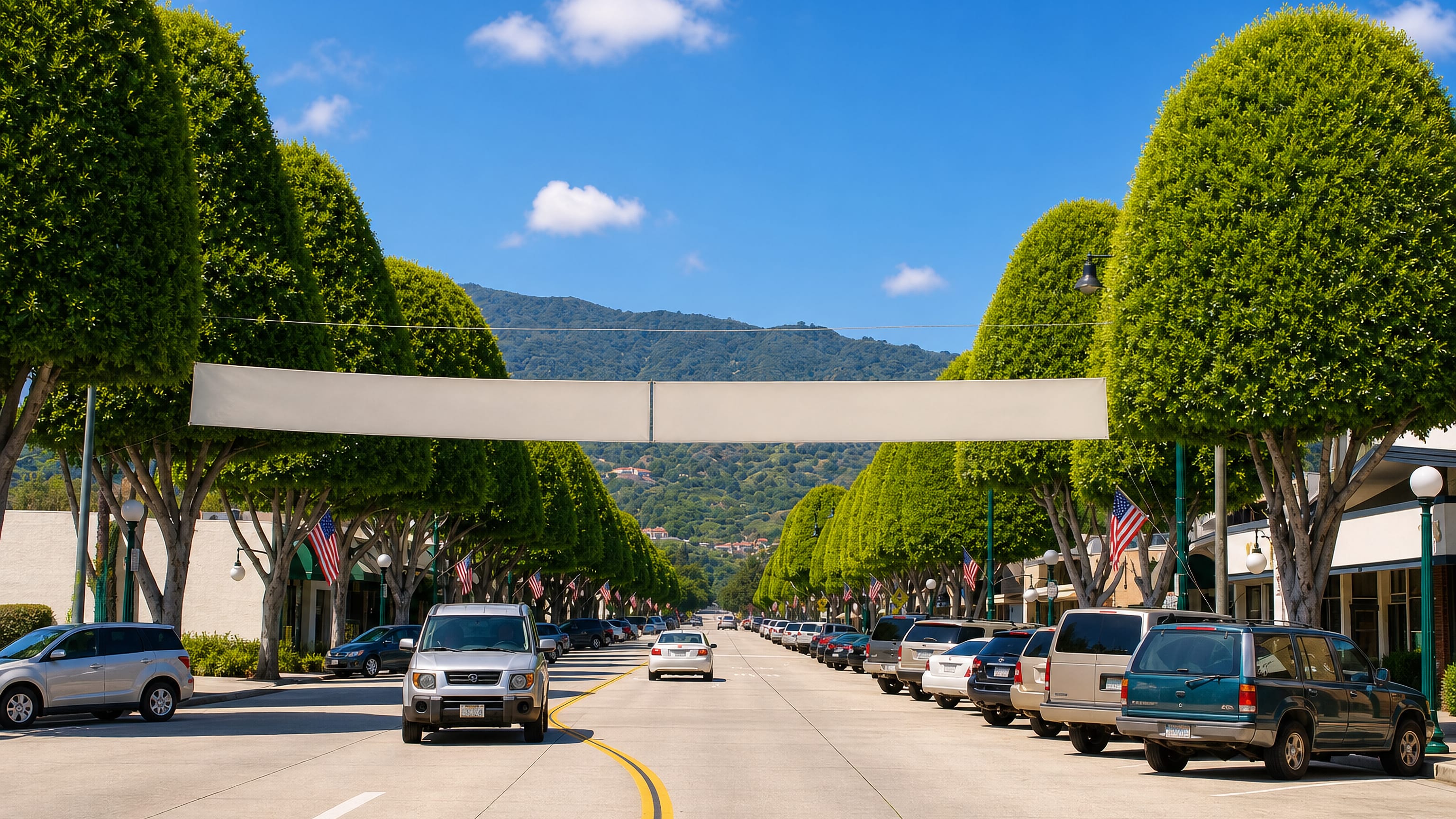
Route 66 gives Glendora its axis. The old road runs straight through the city, and a bed anywhere along it puts Rubel Castle, the Wally Parks NHRA Motorsports Museum and Raging Waters within a few minutes, which is most of what brings visitors to this part of the San Gabriel Valley. Glendora stays quiet at night.
That suits anyone driving a longer trip, since the city sits north-east of Downtown Los Angeles at a distance that makes the centre a day out rather than a base, and parking is not the problem it is nearer in. Pomona is the other pole. The Auto Club Raceway at Pomona and the Felix Events Center lie that way, and anyone here for a race weekend will want to be on that side of the valley rather than at the Route 66 end of Glendora. Los Angeles remains the deep option.
If you want the range of a large city and treat Glendora as a stop on the way through, the drive in from the San Gabriel Valley is long enough to matter but short enough to do twice in a day. Hilmer Lodge Stadium fills its own weekends.
Find hotels in Glendora
Direct booking searches for these neighbourhoods.
Route 66 corridor
The line of the old highway through Glendora, with Raging Waters and the city's own landmarks strung along its length.Find hotels in Route 66 corridorrace weekends at the Auto Club Raceway at PomonaPomona
The far side of the same valley, next to the Felix Events Center and the raceway that Glendora's own streets sit well back from.Find hotels in Pomonatrips treating Glendora as a stop rather than a baseDowntown Los Angeles
The metropolitan centre some twenty-five miles off, holding the range of rooms the San Gabriel Valley does not.Find hotels in Downtown Los AngelesHotel links are affiliate links: booking through them may earn us a commission, at no extra cost to you. It never affects how places are ranked. How this works
Things to do in Glendora
Ranked by global recognition; descriptions from Wikidata (CC0).
Museums & Galleries
1- Raymond M. Alf Museum of Paleontology
Churches & Religious Sites
1- Church of the Open Door
Stadiums & Sports
3- Auto Club Raceway at Pomona
- Hilmer Lodge Stadium
- Felix Events Center
Parks & Gardens
1- Raging Waters
Landmarks & Notable Places
3- Rubel Castle Heritage
- Charles E. Straight House Heritage
- Pitzer House Heritage
worth knowingacross 5 categories in Glendora
About Glendora
Rubel Castle is the oddity.
What is Glendora known for?
The castle stands among Glendora's landmarks alongside the Ygnacio Palomares Adobe, and between them they cover both ends of what the San Gabriel Valley has kept from before the suburbs arrived. Motor sport supplies the rest. The Wally Parks NHRA Motorsports Museum and the Auto Club Raceway at Pomona both sit on the same roll, with Raging Waters and Hilmer Lodge Stadium covering the summer and the fixtures.
What are the main landmarks in Glendora?
Rubel Castle has no equal on the list. It stands as the one built oddity among Glendora's landmarks, and the Ygnacio Palomares Adobe supplies the older counterpart, a survival from before the San Gabriel Valley filled with streets. Motor sport takes the next block.
The Wally Parks NHRA Motorsports Museum and the Auto Club Raceway at Pomona belong together, while the Church of the Open Door, the Pitzer House, Hilmer Lodge Stadium, the Felix Events Center and Raging Waters make up the remainder.
What is the history of Glendora?
Glendora begins in the 1880s. The city was laid out during the real-estate boom of that decade, in the same wave that produced most of its neighbours across the San Gabriel Valley, which is why the older fabric here reads as promotion rather than as slow growth. One name predates all of it.
The Ygnacio Palomares Adobe carries a Spanish form from the era before the boom subdivisions, and it is the single entry on Glendora's landmark record that belongs to that earlier occupation of the valley. Route 66 came next. The old highway runs through the city and gave it a role in the traffic between Los Angeles County and everywhere beyond, and the motor-sport record that follows, the Wally Parks NHRA Motorsports Museum and the Auto Club Raceway at Pomona, grew out of the same car-borne century.
Then the private projects. Rubel Castle belongs to no obvious category at all, and the Church of the Open Door and the Pitzer House record the institutional and domestic sides of a city that had stopped being a subdivision. Hilmer Lodge Stadium and Raging Waters came with the suburb.
Where is Glendora?
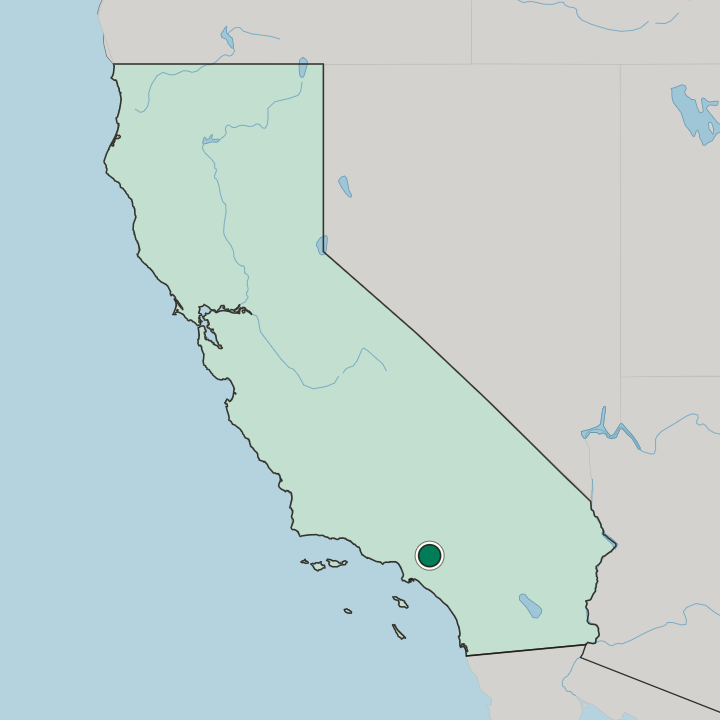
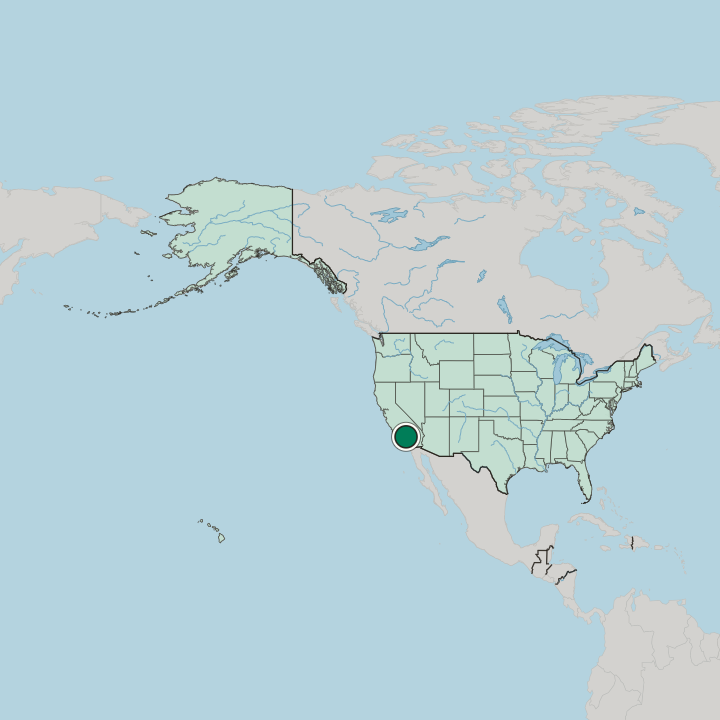
Glendora takes in about fifty square kilometres of the San Gabriel Valley, a larger footprint than the city's modest profile suggests and enough to carry a long stretch of Route 66 from one boundary to the other. Pomona sits along the same floor. Downtown Los Angeles lies some twenty-five miles to the south-west, with the valley running between the two and nothing in the way, which is why the approach reads the same for its whole length.
What is the climate of Glendora?
The San Gabriel Valley sets the pattern. Glendora falls in the subtropical band, and the valley holds warmth well into the shoulder months, so the long dry middle of the year stretches further here than the calendar would suggest and the wet weeks are compressed into the far end. Timing changes the whole visit.
Raging Waters belongs to the hot half of the year while Rubel Castle, the Ygnacio Palomares Adobe and the Wally Parks NHRA Motorsports Museum are all better in the cooler months, and a race day at the Auto Club Raceway at Pomona depends entirely on which half it falls in.
How do you get to Glendora?
Route 66 does the work. The old highway runs through Glendora from end to end, and the city sits about twenty-five miles north-east of Downtown Los Angeles, which puts arrivals on a straightforward run out along the San Gabriel Valley rather than into it. Pomona lies further along.
The Auto Club Raceway at Pomona, the Felix Events Center and Hilmer Lodge Stadium all sit within the same short drive, and a car covers the whole of Los Angeles County from a base here without difficulty.
Common questions
What is the best area to stay in Glendora?
Route 66 corridor: drivers making Rubel Castle and the Wally Parks NHRA Motorsports Museum one stop. Pomona: race weekends at the Auto Club Raceway at Pomona. Downtown Los Angeles: trips treating Glendora as a stop rather than a base.
Good for
More cities in California
Updated October 2026