United States · California
Where to Stay in Hemet, California
Hemet fills about half the San Jacinto Valley in Riverside County, with San Jacinto sharing the rest. Diamond Valley Lake lies south.
Hotel links are affiliate links: booking through them may earn us a commission, at no extra cost to you. It never affects how places are ranked. How this works


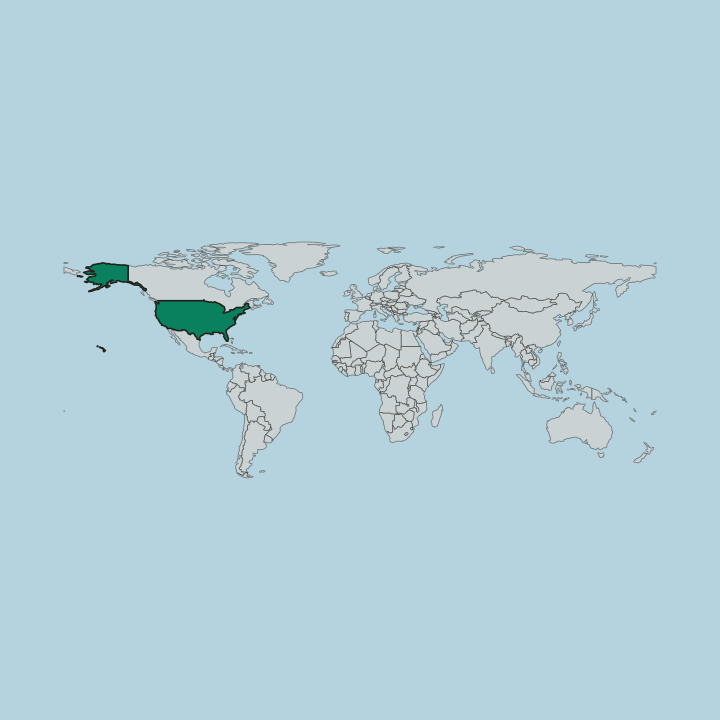
Where to stay in Hemet
Where visitors usually base themselves, and why.
Hemet divides simply: the streets around the Estudillo Mansion and the Western Science Center, or the southern side that looks towards Diamond Valley Lake. One end of Hemet to the other is a short drive. About 72 square kilometres of valley floor hold the whole city, and with San Jacinto directly north the two together still take less time to cross than a single district of a larger place.
The car decides most of it. Nothing in the layout was arranged around a visitor on foot, and the older streets carry the only two landmarks close enough to link by walking. A bed on the southern side suits anyone whose plans involve Diamond Valley Lake or Polly Butte, since both sit beyond the boundary and neither is reachable on foot from the middle of town.
The centre suits museum days. Rooms near the Western Science Center put the valley's main collection within a short drive and leave the Estudillo Mansion close enough to add to the same afternoon. East Hemet and Green Acres sit on the flanks.
Neither carries the range of the city itself, so most stays end up inside Hemet regardless, with the direction of the first drive settling which street it happens on.
Find hotels in Hemet
Direct booking searches for these neighbourhoods.
Around the Western Science Center
The part of Hemet where the valley's main collection stands, with the Estudillo Mansion near enough to add to the same afternoon.Find hotels in Around the Western Science CenterWater days at Diamond Valley LakeThe Diamond Valley Lake side
The southern edge of Hemet, where the streets stop and Polly Butte and the lake take over the view.Find hotels in The Diamond Valley Lake sideSlow mornings by the Estudillo MansionNear the Estudillo Mansion
The older streets of Hemet, the one stretch of the San Jacinto Valley floor where walking between two landmarks makes sense.Find hotels in Near the Estudillo MansionHotel links are affiliate links: booking through them may earn us a commission, at no extra cost to you. It never affects how places are ranked. How this works
About Hemet
Two landmarks define the visit.
What is Hemet known for?
The Western Science Center holds the collection that gives the San Jacinto Valley a public face, and the Estudillo Mansion supplies the older architecture the surrounding streets do not. Water shapes the rest. Diamond Valley Lake lies beyond the southern boundary, and its water is why a fair share of visitors come to this part of Riverside County at all.
San Jacinto shares the valley to the north.
What are the main landmarks in Hemet?
Two entries, and both earn it. The Western Science Center is the larger draw, a collection treating the San Jacinto Valley as a subject in its own right rather than as a backdrop. The Estudillo Mansion is older.
Beyond the pair, the landmarks are geographic: Diamond Valley Lake at the southern edge and Polly Butte beside it, both outside the city line but well inside the day.
What is the history of Hemet?
Hemet's record carries no founding date. What the file carries instead is a shape: a city holding about half of the San Jacinto Valley, with San Jacinto holding the other half and neither able to grow far without meeting the other. The Estudillo Mansion is the oldest name.
Its Spanish form belongs to a layer of the valley's record that the street grid around it no longer shows. Riverside County has been the administrative frame throughout, and the city's business runs through that rather than through anything older. Names on the boundary tell more.
East Hemet, Green Acres and Polly Butte are the names the map keeps at the edges, and the outline of the city is best read as the space left between them. Growth came late enough to leave the valley legible. Diamond Valley Lake closed the southern end.
The Western Science Center gathers the deep record of the San Jacinto Valley into one building, which is where a visitor with an hour and an interest in how this ground was formed ought to begin. Everything else is on the boundary signs.
Where is Hemet?
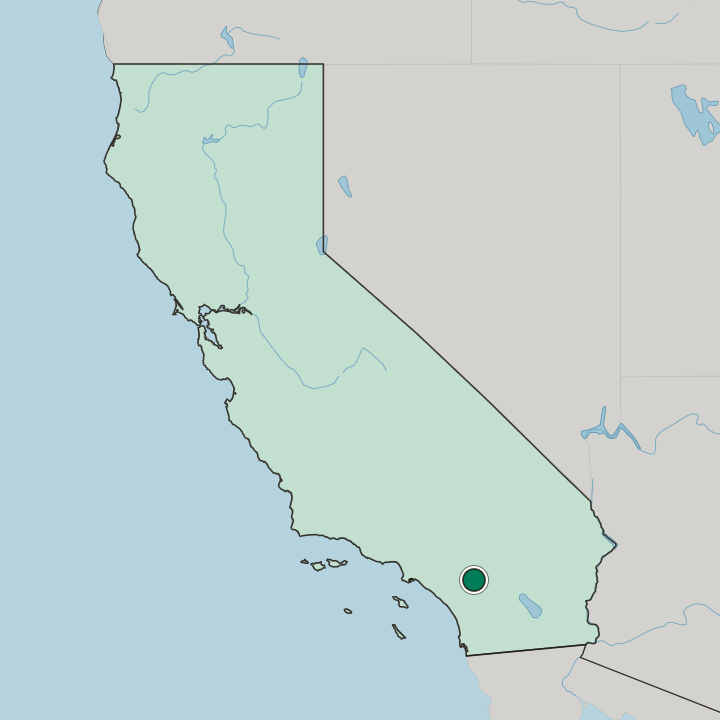
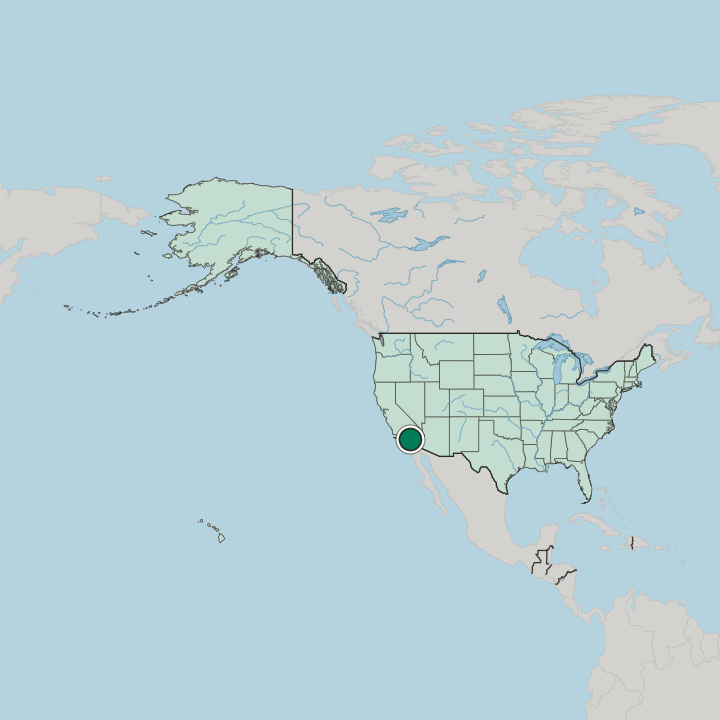
Hemet takes up roughly 72 square kilometres of the San Jacinto Valley floor, about half of it, with the city of San Jacinto holding much of the remainder to the north. Boundaries here are precise. East Hemet lies on the eastern side, Green Acres on the western, and Polly Butte with Diamond Valley Lake closes the southern end, so named places hem the city in on every quarter.
Riverside County continues past them.
What is the climate of Hemet?
The valley traps the heat. Hemet falls in the subtropical band, and the San Jacinto Valley setting gives it summers that run long and dry, with what rain there is arriving in the cooler months. Shade is the summer priority.
Diamond Valley Lake and the rooms of the Estudillo Mansion both make more sense in July than a walk across open ground does.
How do you get to Hemet?
Roads into Hemet come through the valley it shares, which usually means passing San Jacinto to the north or Green Acres on the western side. The approach is by car. No station appears on the record for this valley, so arrivals come by vehicle, using East Hemet, Polly Butte and Diamond Valley Lake as the fixed points along the way.
Riverside County roads do the rest.
Common questions
What is the best area to stay in Hemet?
Around the Western Science Center: Museum days at the Western Science Center. The Diamond Valley Lake side: Water days at Diamond Valley Lake. Near the Estudillo Mansion: Slow mornings by the Estudillo Mansion.
Good for
More cities in California
Updated October 2026