United States · California
Where to Stay in Irvine, California
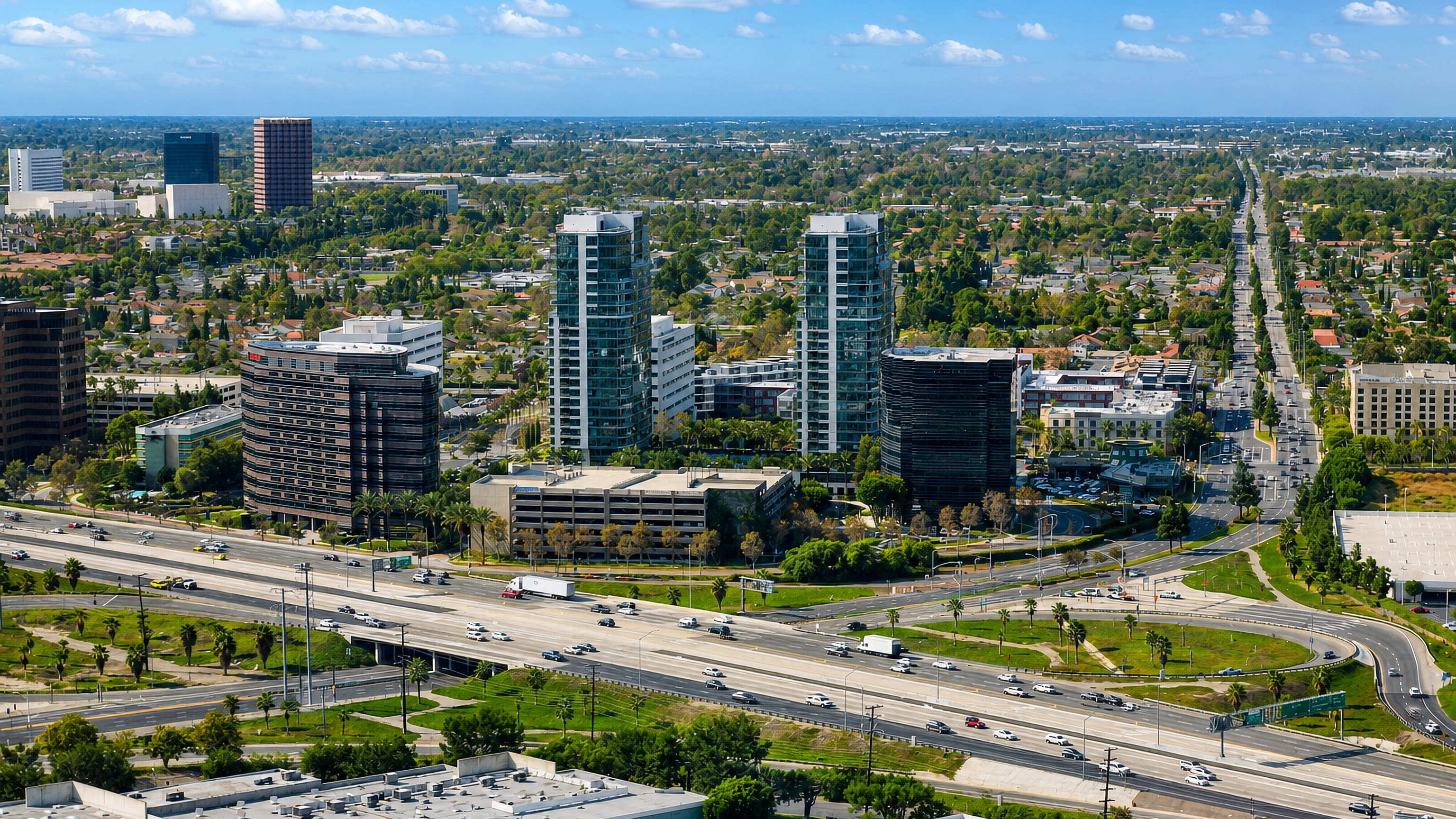
Irvine spreads across the coastal terraces of Orange County in California, a master-planned city below the San Joaquin Hills, known for the Irvine Museum.
Hotel links are affiliate links: booking through them may earn us a commission, at no extra cost to you. It never affects how places are ranked. How this works


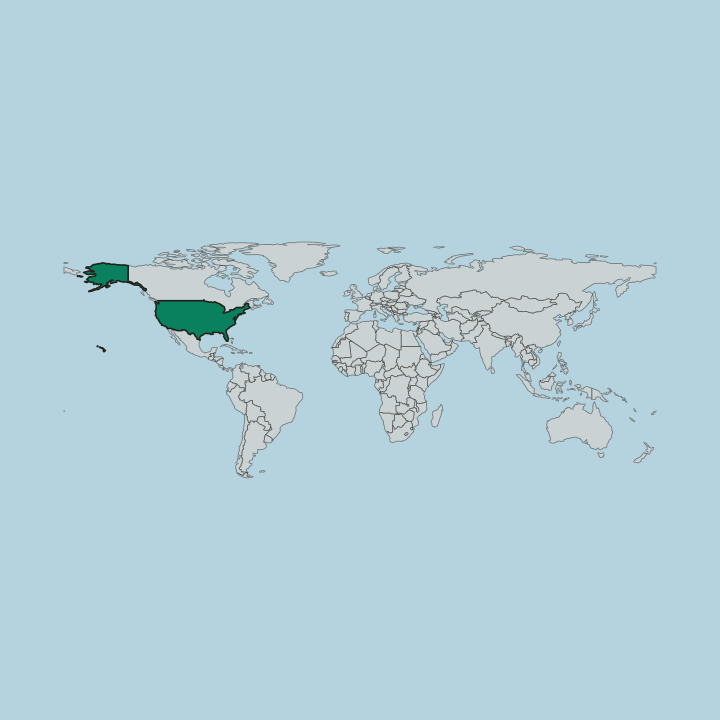
Where to stay in Irvine
Where the beds are, and what that means for the visit.
Irvine is a wide, low city of planned villages, and where you stay depends on whether you want the business core, the university side, or the quieter edges below the hills. Start at the centre. The business-park district holds the main cluster of hotels among the office towers and the Irvine Museum, an easy base for work trips and for reaching the freeways that ring the city.
Stay here for offices, conferences, and quick road access. Toward the coast, the university villages spread green and walkable around the campus and the Pretend City Children's Museum, a calmer base close to the parks and the open-space corridors. Farther inland, the newer villages climb toward the San Joaquin Hills, quiet residential ground set back from the freeways with the old Irvine Bean and Growers Association Building recalling the ranch that came before.
The Pacific lies a short run south past the terraces. The ordered villages, the warm dry air, and the coastal light set the whole feel of a stay in Irvine.
Find hotels in Irvine
Direct booking searches for these neighbourhoods.
The business-park core
The office-tower cluster around the Irvine Museum where most of the city's hotels stand, central to Orange County's freeway ring.Find hotels in The business-park corea green, walkable base near the campusThe university villages
The planned villages around the university and the Pretend City Children's Museum, laced with parks and open-space corridors toward the coast.Find hotels in The university villagesa quiet residential stay off the freewaysThe villages toward the San Joaquin Hills
The newer inland villages climbing toward the San Joaquin Hills near the old Irvine Bean and Growers Association Building, set back from the freeway ring.Find hotels in The villages toward the San Joaquin HillsHotel links are affiliate links: booking through them may earn us a commission, at no extra cost to you. It never affects how places are ranked. How this works
About Irvine
What is Irvine known for?
Irvine is one of the largest master-planned cities in Orange County, laid out in ordered villages across the coastal plain. Design shaped every block. The city grew from a single vast ranch into a grid of planned neighbourhoods, parks, and business parks below the San Joaquin Hills.
The Irvine Museum keeps a collection of California landscape painting, and the Pretend City Children's Museum draws families to the flat ground near the coast. Wide green corridors and preserved open space thread between the villages toward the low hills.
What are the main landmarks in Irvine?
Irvine's landmarks mix the planned city with the ranch it replaced. The Irvine Museum shows California landscape painting near the business core, and the Pretend City Children's Museum draws families to an interactive miniature town. A few older structures survive across the coastal plain.
They date from the ranch era. The Irvine Bean and Growers Association Building and the Irvine Blacksmith Shop stand among them, plain reminders of the farming land that became the city. The William Woollett Jr.
Aquatics Center serves swimmers among the parks and open space.
What is the history of Irvine?
Irvine grew out of the Irvine Ranch, a vast holding that stretched across the coastal plain of Orange County below the San Joaquin Hills. For generations the land ran as farm and grazing country, its bean fields and orchards worked from scattered buildings like the Irvine Bean and Growers Association Building and the Irvine Blacksmith Shop. A university came to the ranch in the twentieth century, and a planned town was drawn up around it.
The city was formally founded in 1971. The plan shaped everything that followed. Ordered villages, parks, and business parks rose across the old ranch ground in a single designed sweep, and Irvine spread fast into one of the largest cities in Orange County.
Open-space corridors were set aside as the villages filled. The Irvine Museum later gathered California landscape art near the growing business core, and green links were kept toward the wooded slopes of the San Joaquin Hills. Ranch, then plan.
Each shaped the city on the coastal plain.
Where is Irvine?
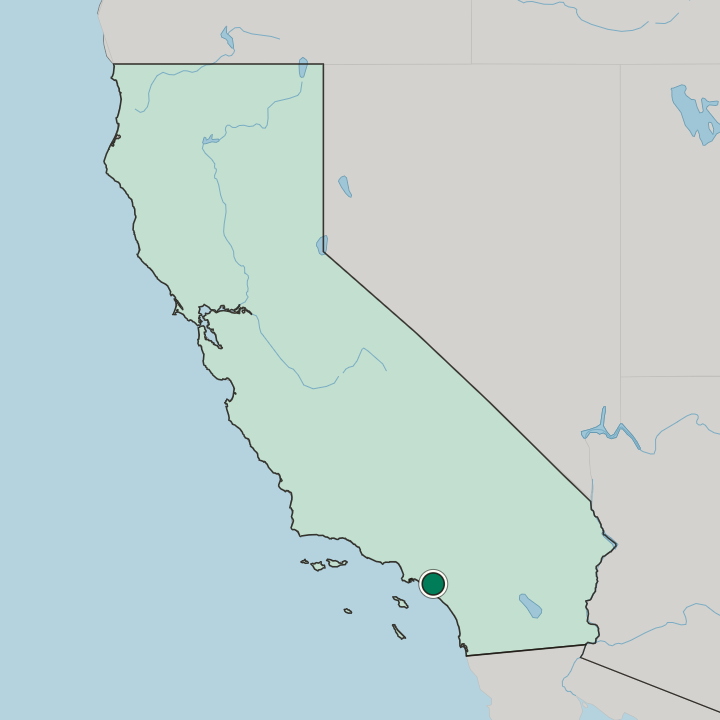
Irvine lies on the coastal plain and low terraces of Orange County in California, below the San Joaquin Hills and inland from the Pacific. The land rises gently. Level ground near the coast climbs toward the wooded ridges of the hills at the city's inland edge, with canyons and open-space corridors cut into the slopes.
Creeks drain down from the highlands across the plain toward the ocean. The preserved ranch land keeps wide green gaps between the built-up villages on the terraces.
What is the climate of Irvine?
Irvine has a mild Mediterranean climate, with warm dry summers and short mild winters on the coastal plain. Rain comes in winter. The Pacific tempers the heat, and marine air and morning fog often reach the villages from the ocean, softened by the shelter of the San Joaquin Hills inland.
Summers stay warm and dry under long clear skies, and frost is rare on the terraces. Sea breezes cool the coastal ground through the long dry season.
How do you get to Irvine?
Irvine sits on the freeway network of Orange County, reached by road from across the coastal plain and the wider region. Freeways ring it. The San Diego Freeway crosses the city and links it to the coast and the neighbouring towns, while a nearby county airport handles regional flights just to the west.
Rail lines stop in Irvine on the coastal route between Los Angeles and San Diego. Wide planned roads run through the villages toward the San Joaquin Hills.
Common questions
What is the best area to stay in Irvine?
The business-park core: work trips and freeway access. The university villages: a green, walkable base near the campus. The villages toward the San Joaquin Hills: a quiet residential stay off the freeways.
Good for
More cities in California
Updated October 2026