United States · California
Where to Stay in Madera, California
Madera is the county seat of Madera County, founded in 1876 at the end of a log flume on the floor of the San Joaquin Valley.
Hotel links are affiliate links: booking through them may earn us a commission, at no extra cost to you. It never affects how places are ranked. How this works


Where to stay in Madera
Where the beds are, and what that means for the visit.
Madera County business brings most people here. The city is the county seat, which makes it the practical stop on this part of the San Joaquin Valley for anyone whose reason to be here is a courthouse errand, a farm, or the long drive up the valley floor rather than a holiday. Timber left long ago.
Downtown does not take long to cross. St Joachim's Church of Madera stands as the one building the city has on record, and a stay near it keeps a visitor on the oldest ground the city has. Farmland surrounds everything else.
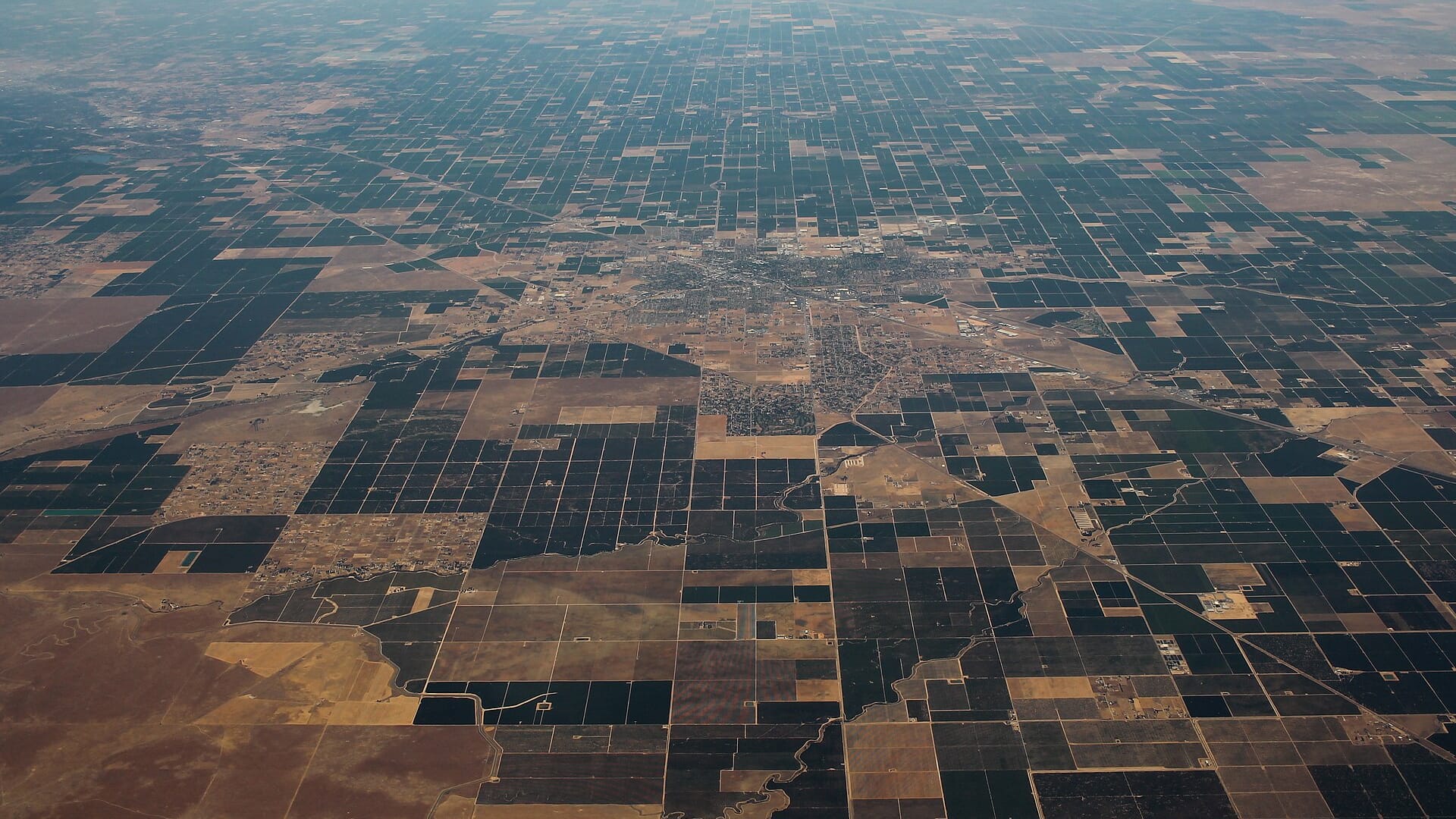
Beyond the built edge the San Joaquin Valley opens into vineyards, nut orchards and row crops watered from the San Joaquin River and the canal network that reaches these plains, and a stay in Madera is what puts that country within reach without a long drive. The county seat is the anchor. Anyone here for the farming country will want a base with the road out on both sides, while anyone here on Madera County business will want the courthouse end, and in a city this size the two are barely a separate choice.
Find hotels in Madera
Direct booking searches for these neighbourhoods.
Madera
The city itself, laid out around the county seat, with St Joachim's Church of Madera standing on its oldest ground. Beds are limited here, so book early.Find hotels in Maderadrivers breaking a long run along the valley floorSan Joaquin Valley
The farmed plain around Madera, where vineyards and nut orchards run out from the built edge and the beds are all back in the city. Rooms are few around here — worth securing early.Find hotels in San Joaquin Valleytrips built around the county rather than around its seatMadera County
The wider county Madera administers, reached along the canals and roads that cross the San Joaquin River plain. Few places to stay nearby — book ahead.Find hotels in Madera CountyHotel links are affiliate links: booking through them may earn us a commission, at no extra cost to you. It never affects how places are ranked. How this works
About Madera
Wood came first.
What is Madera known for?
Madera began in 1876 as a timber settlement at the terminus of a major log flume, and the lumber trade carried the place for its first decades before the ground around it turned to farming. Canals reached the plains. Irrigation drawn from the San Joaquin River and the canals beside it made fertile farmland of the surrounding plains, and those fields carry vineyards, nut orchards and row crops where timber once passed through.
St Joachim's Church of Madera is the one recorded landmark.
What are the main landmarks in Madera?
Madera's landmark roll ends at one church. St Joachim's Church of Madera is the single landmark recorded for the city, which leaves the surrounding country to do the work that monuments do elsewhere in California. Fields fill in around it.
Vineyards, nut orchards and row crops run out from the edge of Madera across the San Joaquin Valley, and the canals that water them are as much a made landscape as anything built in the city.
What is the history of Madera?
The city began with a flume. Madera was founded in 1876 as a timber settlement at the terminus of a major log flume, the point where wood carried down the flume reached the valley floor. The lumber trade followed.
A flume terminus is a temporary address, and the settlement outlived it. For its first decades the city grew around that trade, and everything Madera became afterwards was built on ground the lumber trade had already settled. The 20th century changed the base.
Timber gave way to an agriculture-based economy, and irrigation drawn from the San Joaquin River and the canals near it turned the plains around Madera into farmland that carries vineyards, nut orchards and row crops. The San Joaquin Valley floor took the change without difficulty, and farmland runs right up to the edge of the built city. Madera County made it the seat.
That role gave the city an administrative weight its size alone would not explain, and St Joachim's Church of Madera is the one landmark the record keeps from any of it, a single church standing for a century of change.
Where is Madera?
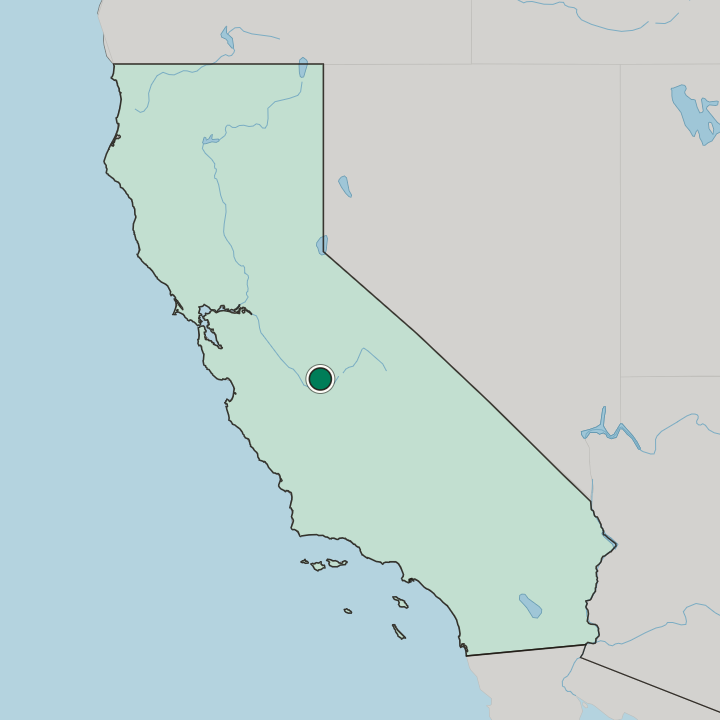
Flat ground in every direction. Madera sits on the floor of the San Joaquin Valley in the county that shares its name, with the San Joaquin River and a network of canals supplying the water that made these plains farmland. Canals cross the fields.
Vineyards, nut orchards and row crops cover most of what lies outside the city, and Madera County reaches well beyond that in every direction from its seat.
What is the climate of Madera?
Irrigation matters more than rainfall here. The San Joaquin Valley lies in the temperate band, and what the sky delivers to Madera was never enough on its own for vineyards, nut orchards and row crops, which is why the San Joaquin River and its canals were put to work. Field work sets the calendar.
A visit timed to the harvest reads the country around Madera very differently from one made when the orchards are bare, and the city itself changes little either way.
How do you get to Madera?
Roads run the valley. Madera lies on the floor of the San Joaquin Valley, and reaching it means turning off the long runs that cross the valley into the streets of the county seat. The flume is long gone.
What arrived by log flume in 1876 comes by road instead, and a car remains the only practical way to reach the vineyards, nut orchards and row crops that fill Madera County beyond the city.
Common questions
What is the best area to stay in Madera?
Madera: county seat errands and an early start into the San Joaquin Valley farmland. San Joaquin Valley: drivers breaking a long run along the valley floor. Madera County: trips built around the county rather than around its seat.
More cities in California
Updated October 2026