United States · California
Where to Stay in Napa, California
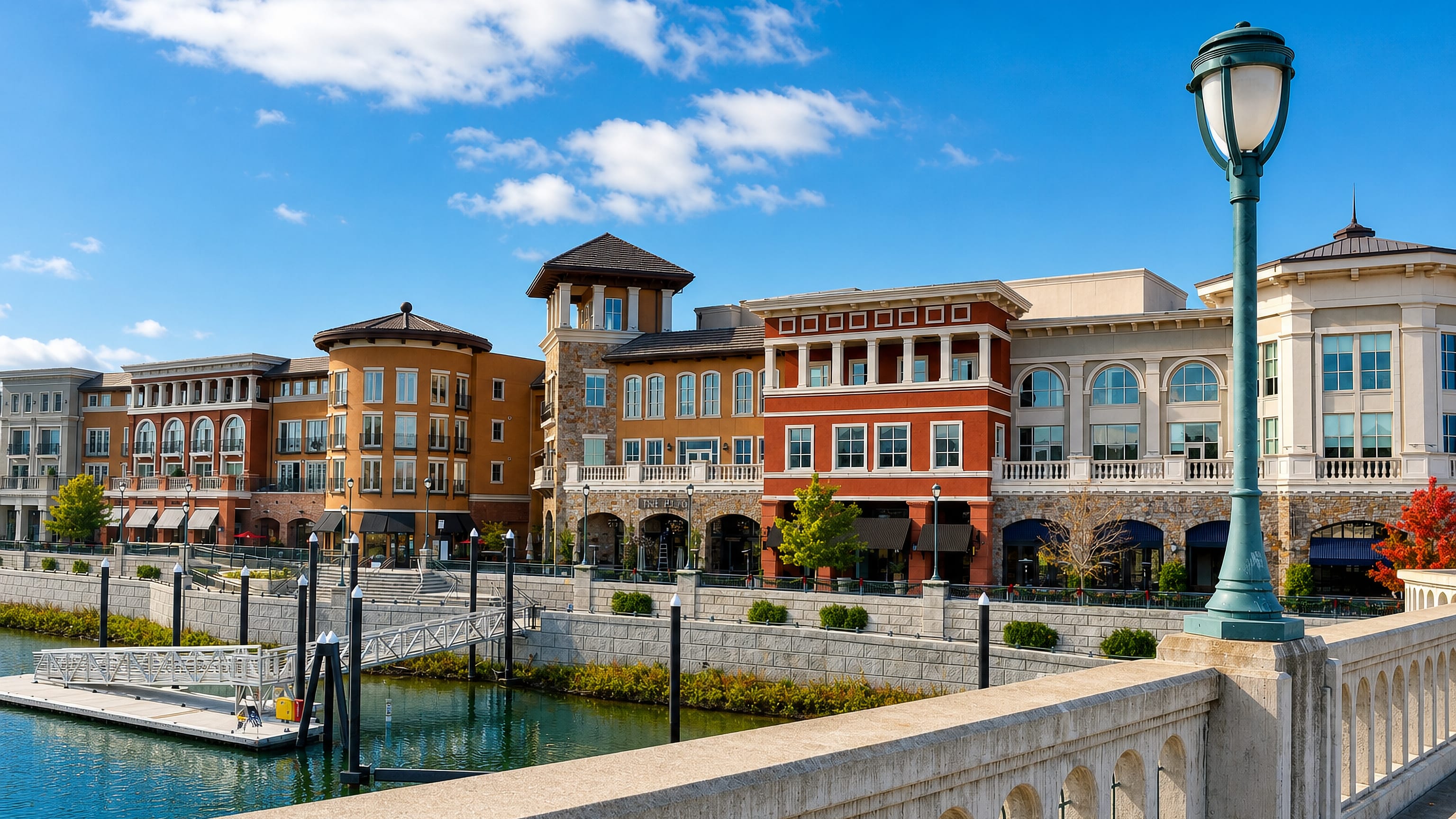
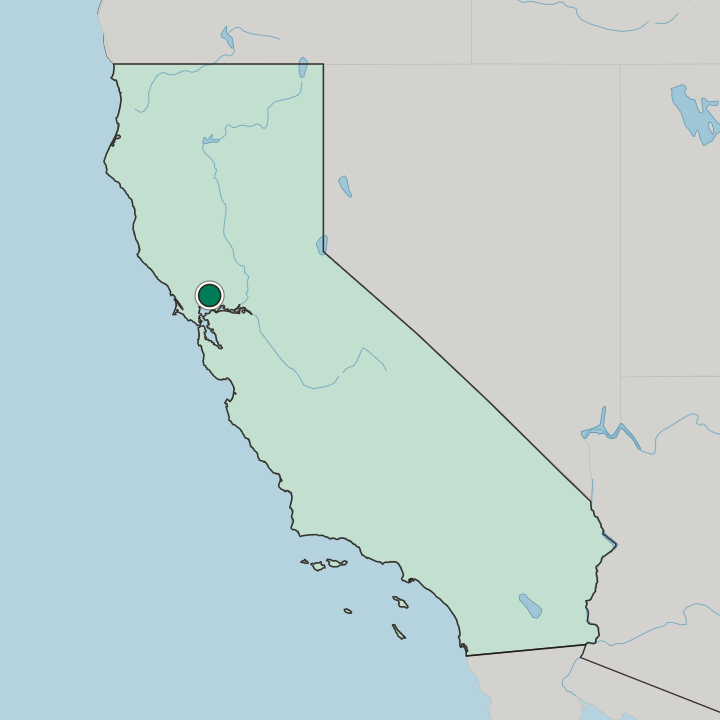
Napa is the county seat of Napa County, a Wine Country city at the southern end of Napa Valley, some 50 miles north of San Francisco.
Hotel links are affiliate links: booking through them may earn us a commission, at no extra cost to you. It never affects how places are ranked. How this works


Where to stay in Napa
How the choice of base plays out on the ground.
The house register decides it. Churchill Manor, the Noyes Mansion and the Manasse Mansion stand within the older streets, and a bed among them puts the city's listed fabric outside the door instead of a vineyard gate at the end of a drive. Downtown suits first arrivals.
First Presbyterian Church anchors that quarter, restaurants sit close, and the walk between the Migliavacca House and the Hackett House is short enough to do before dinner. Napa Valley pulls the other way. The city sits at the valley's southern end, so every night spent here is a night at the bottom of the run north, with the wineries reached by road rather than on foot.
That trade is the whole decision. A room near the York House or the Buford House gives quiet streets and listed neighbours; a room angled towards the valley gives an earlier start on the vineyards and a longer drive back after dinner. San Francisco is the other pole.
Napa lies about 50 miles north of it, which makes the city a plausible base for the North Bay as a whole rather than only for Wine Country, and the Bay Area road network carries most of that traffic. Pick the register or the valley.
Find hotels in Napa
Direct booking searches for these neighbourhoods.
Downtown Napa
The older core, where First Presbyterian Church, the Migliavacca House and the Hackett House stand within one evening's walk of the restaurants.Find hotels in Downtown NapaNights among Churchill Manor and the Noyes MansionThe mansion streets
Napa's listed residential blocks, taking in the Manasse Mansion and the York House, quiet after dark and still a short walk from dinner.Find hotels in The mansion streetsEarly starts up Napa ValleyThe valley end
The side of the city where Napa Valley opens out, taken for the morning run to the wineries rather than for the street it stands on.Find hotels in The valley endHotel links are affiliate links: booking through them may earn us a commission, at no extra cost to you. It never affects how places are ranked. How this works
Things to do in Napa
Ranked by global recognition; descriptions from Wikidata (CC0).
Churches & Religious Sites
1- First Presbyterian Church Heritage
Landmarks & Notable Places
8- Thomas Earl House Heritage
- Eliza G. Yount House Heritage
- Hackett House Heritage
- Buford House Heritage
- George E. Goodman Jr. House Heritage
Show 3 more →
- Churchill Manor Heritage
- Noyes Mansion Heritage
- Capt. George Pinkham House Heritage
worth knowingacross 2 categories in Napa
About Napa
Wine sets the tone.
What is Napa known for?
Napa is the largest city in Napa County and a principal city of Wine Country, known for its wineries, restaurants and arts culture rather than for any single monument standing at its centre. The house register is the surprise. Churchill Manor, the Noyes Mansion and the Migliavacca House sit among a dozen and more listed residences that give the older streets a depth the vineyards outside cannot supply.
What are the main landmarks in Napa?
Fifteen entries, and one is not a house. First Presbyterian Church stands alone on a register otherwise filled by residences, among them Churchill Manor, the Noyes Mansion and the Manasse Mansion. Owners gave the names.
The Buford House, the Hackett House, the Thomas Earl House, the York House, the Migliavacca House and the Williams Smith House make up a listed street fabric unusually deep for a city of Napa's size, and it is the reason the centre repays a slow walk.
What is the history of Napa?
No founding year sits on the record here. What Napa has instead is a register of houses, and the run of listed residences from Churchill Manor to the Noyes Mansion, the Manasse Mansion and the Migliavacca House is the closest thing the city keeps to a dated account of itself. The church came with them.
First Presbyterian Church is the single non-residential entry, which points to a settlement that built homes and one landmark congregation before it built anything monumental. County business followed. Napa became the seat of Napa County and its largest city, a role that put courts and offices into a street grid otherwise made of family houses like the Buford House, the York House and the Hackett House.
Then wine reordered everything. The city's position at the southern end of Napa Valley turned it into a principal city of Wine Country, and the wineries, restaurants and arts culture that draw visitors sit on top of the older residential town rather than in place of it. The Bay Area did the rest.
Napa lies about 50 miles north of San Francisco in the North Bay, close enough that the valley became weekend country for a whole metropolitan region, while the Thomas Earl House and the Williams Smith House kept their places through all of it.
Where is Napa?
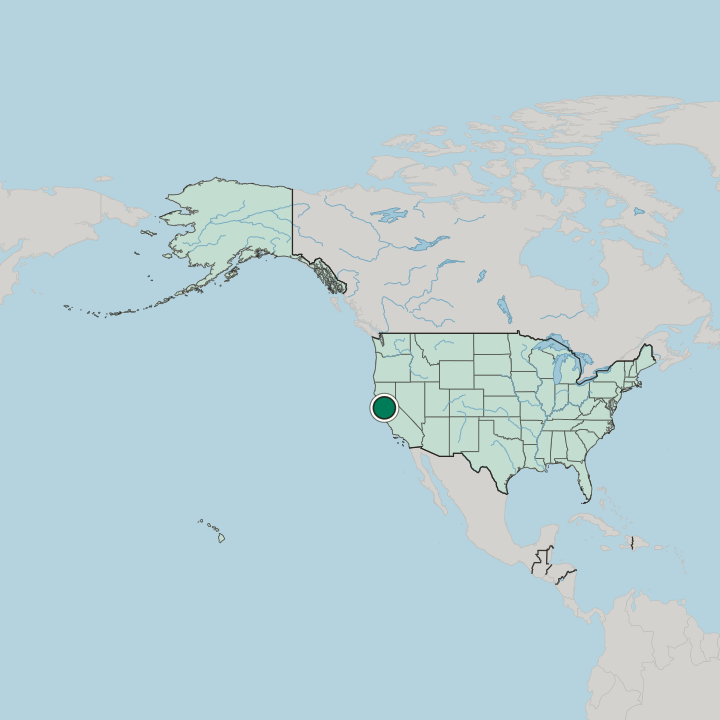
Roughly 47 square kilometres at the mouth of a valley. Napa sits at the southern end of Napa Valley, in the North Bay region of the Bay Area, with San Francisco about 50 miles down the road. The valley runs north from here.
Everything the city trades on follows that line, from the wineries strung along it to the listed houses of Churchill Manor, the Noyes Mansion and the York House that fill the older streets.
What is the climate of Napa?
Temperate, and shaped by the valley. Napa sits in the temperate band north of the equator at the southern and open end of Napa Valley, the end nearest the water of the Bay Area rather than the closed head of the run. The valley sets the pattern.
Its growing season is the same season that fills the restaurants and the tasting rooms, which is why a stay built around Churchill Manor and First Presbyterian Church wants the same months as one built around the wineries.
How do you get to Napa?
Most arrivals come up from San Francisco. The city lies about 50 miles north of it in the North Bay, and that drive is the standard approach for a Bay Area weekend heading into Wine Country. Napa is the valley's front door.
Anything continuing north up Napa Valley passes through here first, which is why the seat of Napa County ends up handling traffic well beyond its own street grid.
Common questions
What is the best area to stay in Napa?
Downtown Napa: First stays anchored on First Presbyterian Church. The mansion streets: Nights among Churchill Manor and the Noyes Mansion. The valley end: Early starts up Napa Valley.
More cities in California
Updated October 2026