United States · California
Where to Stay in Palo Alto, California
Sandstone arcades and oak-shaded quads mark Palo Alto, a university city in California beside Stanford University and its Memorial Church.
Hotel links are affiliate links: booking through them may earn us a commission, at no extra cost to you. It never affects how places are ranked. How this works


Where to stay in Palo Alto
Where visitors usually base themselves, and why.
Palo Alto arranges itself around Stanford University and the streets that grew up to serve it. Downtown Palo Alto, the grid of University Avenue, gathers the shops, cafes, and the train station, and it makes the simplest base if you want to walk to dinner and reach the campus on foot. The Stanford campus edge, just west, puts the sandstone quads, the Stanford Memorial Church, and the Cantor Arts Center at Stanford University within a short stroll, best if your visit centres on the university itself.
The quieter residential avenues to the south, laced with heritage bungalows, suit travellers who want a calm, tree-lined stay near the Museum of American Heritage. Families often choose the neighbourhoods near the Palo Alto Junior Museum and Zoo, where the pace slows and the streets stay leafy. Most beds sit downtown.
Rooms are scarcer in the quiet residential quarters, so book those well ahead of your visit. Almost every base sits within reach of the rail line, which keeps the wider region close.
Find hotels in Palo Alto
Direct booking searches for these neighbourhoods.
Downtown Palo Alto
The University Avenue grid gathers shops, cafes, and the station within a short walk of campus.Find hotels in Downtown Palo Altothe university and its galleriesStanford campus edge
The sandstone quads, Stanford Memorial Church, and the Cantor Arts Center at Stanford University a stroll away.Find hotels in Stanford campus edgequiet, tree-lined staysSouthern residential avenues
Heritage bungalows on calm streets near the Museum of American Heritage.Find hotels in Southern residential avenuesfamilies and slower daysJunior Museum quarter
Leafy neighbourhoods around the Palo Alto Junior Museum and Zoo.Find hotels in Junior Museum quarterHotel links are affiliate links: booking through them may earn us a commission, at no extra cost to you. It never affects how places are ranked. How this works
Things to do in Palo Alto
Ranked by global recognition; descriptions from Wikidata (CC0).
Museums & Galleries
3- Cantor Arts Center at Stanford University
- The Foster Museum
- Museum of American Heritage
Churches & Religious Sites
2- Stanford Memorial Church
- St. Thomas Aquinas Church
Nature & Outdoors
1- Papua New Guinea Sculpture Garden
Stadiums & Sports
1- Klein Field at Sunken Diamond
Landmarks & Notable Places
1- Denning House
worth knowingacross 5 categories in Palo Alto
About Palo Alto
Palo Alto is known above all for its university.
What is Palo Alto known for?
Stanford University spreads its sandstone quads across the western edge of the city, and the Romanesque Stanford Memorial Church anchors the main court. The Cantor Arts Center at Stanford University holds the campus art collection, and the Klein Field at Sunken Diamond draws college crowds to its games. Off campus, the Museum of American Heritage keeps early technology, and the Palo Alto Junior Museum and Zoo works with families.
Learning runs through everything here.
What are the main landmarks in Palo Alto?
Palo Alto's landmarks cluster on and around the Stanford University campus. The Romanesque Stanford Memorial Church stands at the heart of the main quad, its mosaic facade the campus signature, while the Cantor Arts Center at Stanford University shows the university's art holdings nearby. Sport fills the Klein Field at Sunken Diamond.
Off campus, the Museum of American Heritage preserves early machines and tools, the Palo Alto Junior Museum and Zoo introduces children to animals and science, and the Papua New Guinea Sculpture Garden sets carved figures among the trees. Culture reaches past the quads.
What is the history of Palo Alto?
Palo Alto was incorporated in 1894, a town laid out to serve the new university rising on its western edge. Stanford University had opened only a few years before, and the settlement grew as the campus of sandstone quads took shape and drew students, staff, and trade to the grid beside it. The town and the university have been bound together ever since.
Early streets filled with bungalows and civic buildings, and institutions followed. The Stanford Memorial Church was raised on the main quad in that founding era, a memorial in stone and mosaic that still frames the campus. Learning shaped the town's whole character.
Over the following decades the city broadened beyond the campus, and its residential avenues spread south under lines of trees. The Museum of American Heritage now records the early technology of those years, keeping machines and instruments from the town's growth. Palo Alto stayed a compact, university-anchored city rather than a sprawling one.
Its founding purpose held. The campus still sets the tone.
Where is Palo Alto?
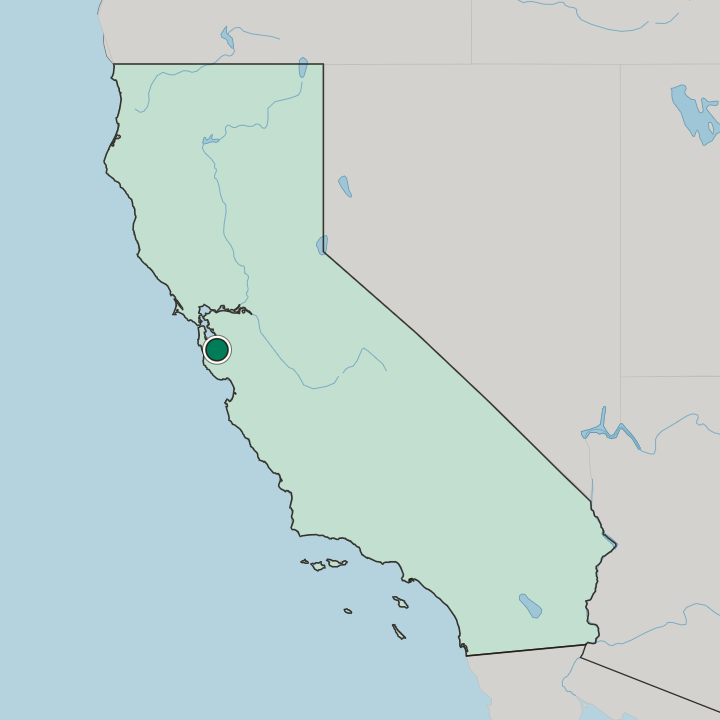
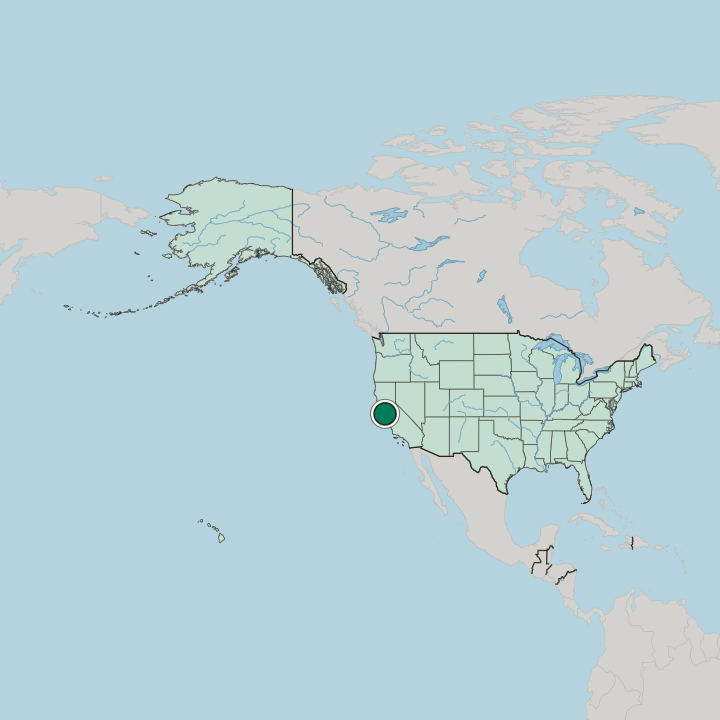
Palo Alto sits in California, on the flat valley floor that runs up against the Stanford University lands to its west. The city occupies a low, level plain, with the wooded hills that carry the campus rising on one side and the broad valley opening out on the other. Stanford University holds the largest single tract of ground within reach of the centre, its quads and playing fields spreading across the western margin.
The residential grid fills the plain to the south and east. Trees line almost every avenue.
What is the climate of Palo Alto?
Palo Alto has a mild Mediterranean climate typical of lowland California. Summers run dry and warm, the long rainless months browning the hills behind Stanford University before the rains return. Winters are cool and wet, and the season's rain greens the campus lawns and the valley floor.
Hard frost is uncommon. The gardens and oak-shaded quads keep their leaves for much of the year, and outdoor life runs across the seasons.
How do you get to Palo Alto?
Palo Alto is well connected within California. The peninsula rail line runs through the city, calling at the downtown station beside University Avenue and linking it up and down the valley to the larger cities at either end. Regional highways run past the edge of town and feed the streets around Stanford University.
Buses circulate through the campus and the neighbourhoods. The nearest major airports lie a short drive away along the valley corridor, putting long-haul flights within easy reach of the centre.
Common questions
What is the best area to stay in Palo Alto?
Downtown Palo Alto: walkable dining and the train. Stanford campus edge: the university and its galleries. Southern residential avenues: quiet, tree-lined stays. Junior Museum quarter: families and slower days.
Good for
More cities in California
Updated October 2026