United States · California
Where to Stay in Stockton, California
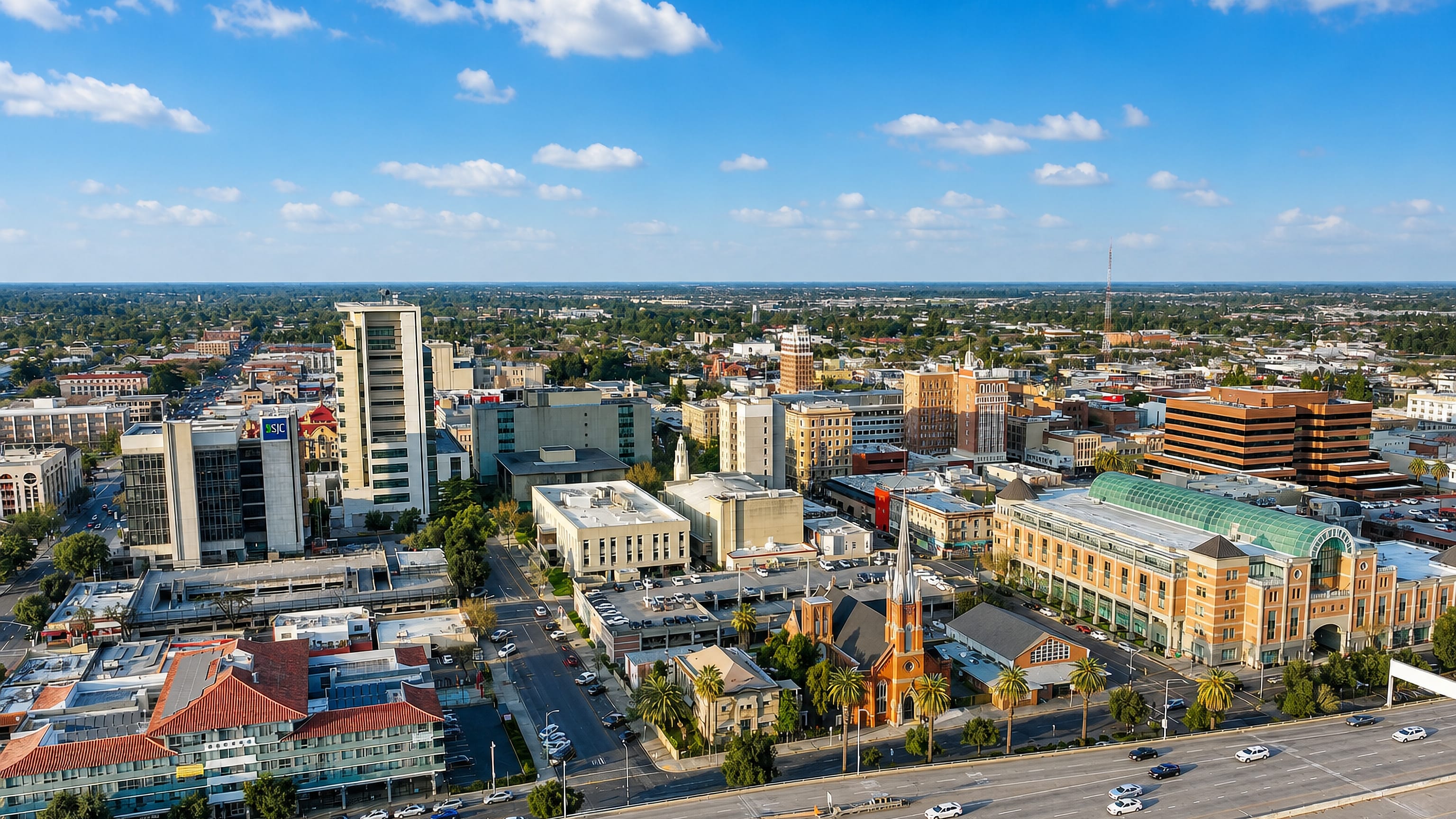
Brick and old money mark Stockton, an inland city in California known for the Haggin Museum and its Gold Rush founding.
Hotel links are affiliate links: booking through them may earn us a commission, at no extra cost to you. It never affects how places are ranked. How this works


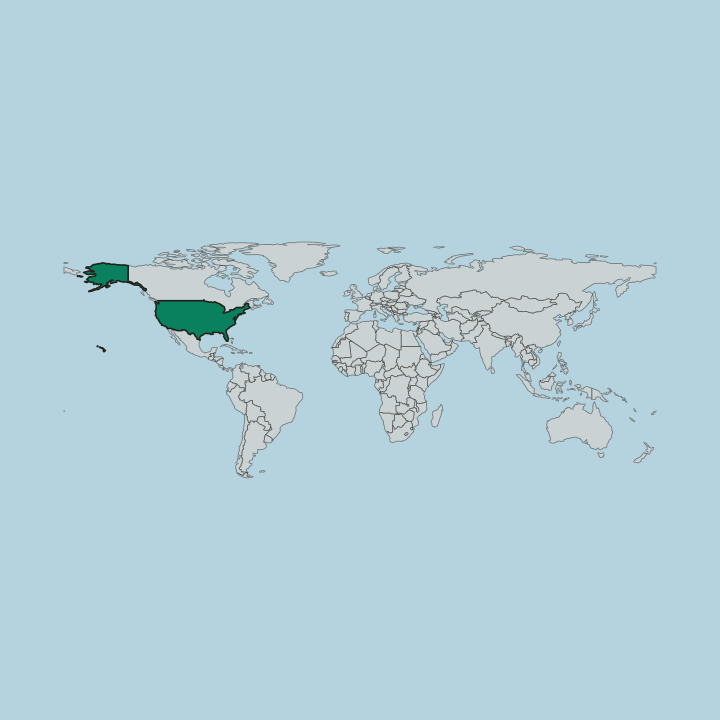
Where to stay in Stockton
One neighbourhood here has its own guide — here's what it is best for.
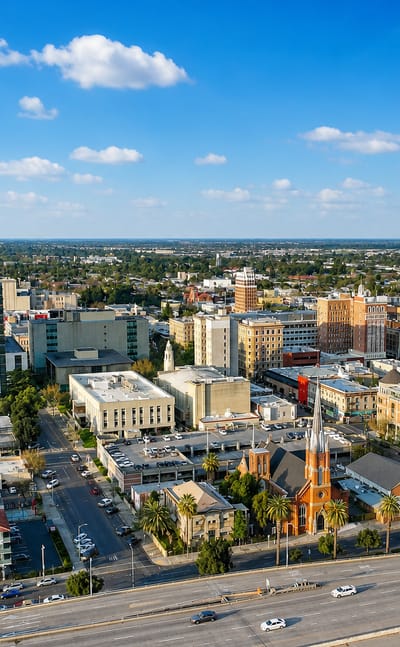
 StocktonUnited States
Country Club
Country Club is a district of Stockton, California, some five square kilometres of the city that the record carries by name and extent alone.Where to stay →Hotel links are affiliate links: booking through them may earn us a commission, at no extra cost to you. It never affects how places are ranked. How this works
Find hotels in Stockton
Direct booking searches for these neighbourhoods.
Downtown waterfront
The center sets hotels along the waterfront channel within reach of Banner Island Ballpark, the arena, and the Haggin Museum a short way north in its park.Find hotels in Downtown waterfrontBest if you want the early-century houses and quiet residential streets, with the waterfront a short ride south.North of downtown
The neighborhoods north of the center carry the Benjamin Holt House and the Moses Rodgers House among calmer streets set back from the channel.Find hotels in North of downtownHotel links are affiliate links: booking through them may earn us a commission, at no extra cost to you. It never affects how places are ranked. How this works
Things to do in Stockton
Ranked by global recognition; descriptions from Wikidata (CC0).
Museums & Galleries
2- Haggin Museum
- Filipino American National Historical Society Museum
Stadiums & Sports
3- Banner Island Ballpark
- Billy Hebert Field
- Klein Family Field
Landmarks & Notable Places
3- Benjamin Holt House Heritage
- Wong K. Gew Mansion Heritage
- Moses Rodgers House Heritage
worth knowingacross 3 categories in Stockton
About Stockton
What is Stockton known for?
Stockton is known as an inland California city that grew out of the Gold Rush, its early wealth built on supplying the mining camps. The Haggin Museum holds its art and local history. Ballfields carry the city's long baseball tradition, with Banner Island Ballpark, Billy Hebert Field, and Klein Family Field marking the grounds, while the Filipino American National Historical Society Museum records one of the oldest Filipino American communities in the country.
What are the main landmarks in Stockton?
The main landmarks of Stockton mix museums, ballfields, and early houses. The Haggin Museum leads. Its galleries of art and city history stand north of the center, while Banner Island Ballpark, Billy Hebert Field, and Klein Family Field mark the city's baseball grounds, and the Wong K. Gew Mansion, the Benjamin Holt House, and the Moses Rodgers House record the founders and families of the Gold Rush town alongside the Filipino American National Historical Society Museum.
What is the history of Stockton?
Stockton grew as a supply town for the California gold fields, founded in 1849 at the head of an inland channel that let boats reach the mining country from the coast. The Gold Rush made the city. From that founding the town became the point where miners and goods moved between the interior fields and the wider state, and its early fortunes built the brick blocks and mansions of the older streets.
Houses and civic buildings from the founding decades still stand across the city. The Wong K. Gew Mansion, the Benjamin Holt House, and the Moses Rodgers House mark the families who shaped the early town, and Moses Rodgers, a Black mining engineer, gave his name to one of them. The Haggin Museum keeps the record of Stockton's growth from a Gold Rush landing into an inland California city, and the Filipino American National Historical Society Museum traces a community that settled here across the decades that followed.
Where is Stockton?
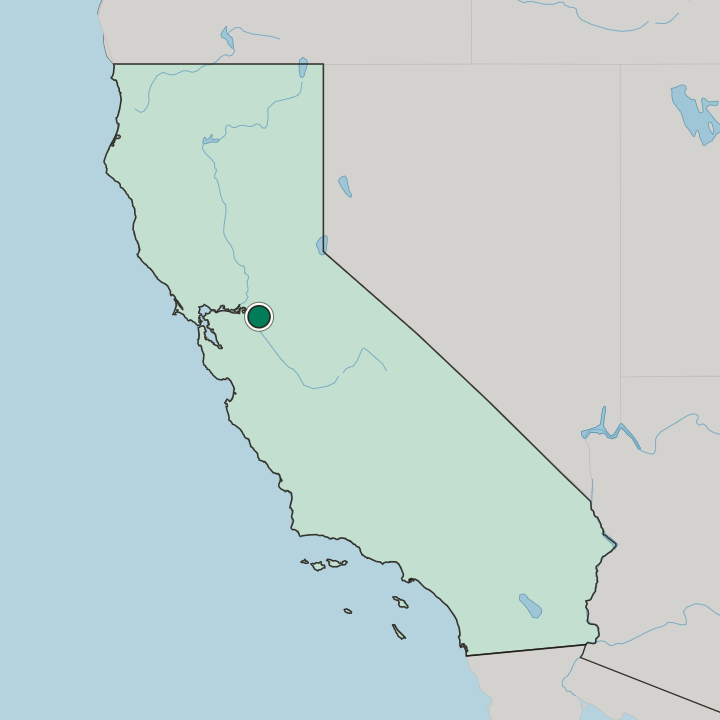
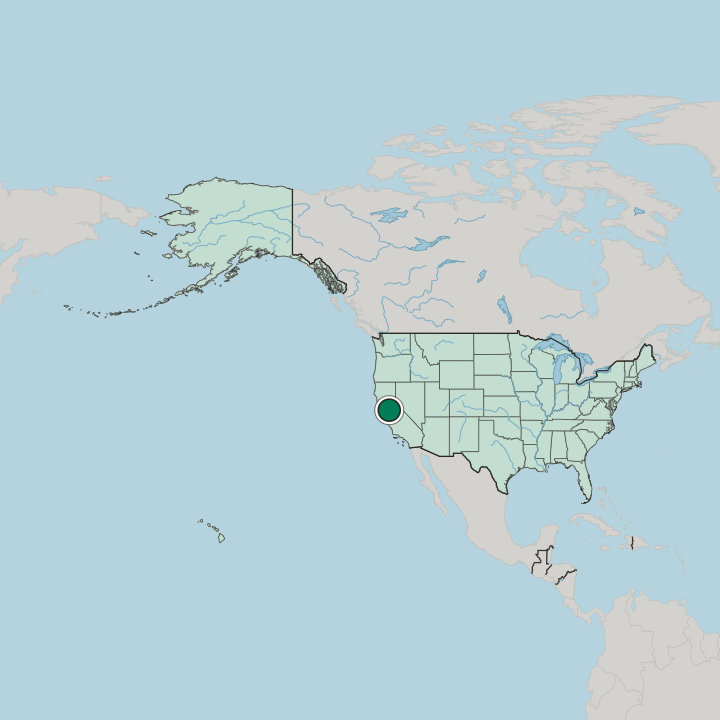
Stockton sits on flat inland ground in California, at the head of a channel that reaches the city from the delta to the west. Water threads its edge. The downtown waterfront meets the channel where the old landings once stood, with Banner Island Ballpark by the water and Klein Family Field on the campus ground, and the grid spreads east and south across the level plain, with the Haggin Museum and the residential streets set back on the higher ground away from the channel.
What is the climate of Stockton?
Stockton has a warm temperate climate in inland California, with dry summers and mild, damp winters. Summers run hot and clear. Long rainless months of heat settle over the flat delta country from late spring, while the cooler season brings the rain and the low valley fog that drifts across the plain around the city and the channel.
How do you get to Stockton?
Stockton is reached by road and rail, an inland city in California at the crossing of the valley routes. Most travellers reach Stockton along the valley highways. Interstate and state routes meet here where the north-south valley corridor crosses the roads running to the coast, and the downtown waterfront and the Haggin Museum sit a short distance from the main approaches into the city.
Common questions
What is the best area to stay in Stockton?
Downtown waterfront: Best if you want Banner Island Ballpark and the channel near the door and accept a working downtown grid in return.. North of downtown: Best if you want the early-century houses and quiet residential streets, with the waterfront a short ride south..
Good for
More cities in California
Updated October 2026