United States · California
Where to Stay in Union City, California
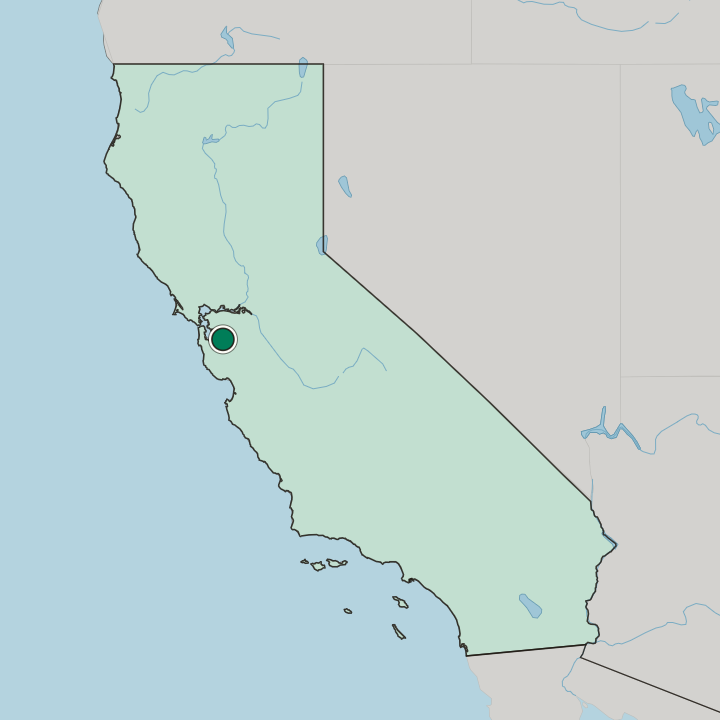
Union City is an Alameda County city in the San Francisco Bay Area, bordered by Hayward to the north and Fremont to the south.
Hotel links are affiliate links: booking through them may earn us a commission, at no extra cost to you. It never affects how places are ranked. How this works


Where to stay in Union City
Where the beds are, and what that means for the visit.
Kennedy Park is the reference point most Union City stays organise themselves around, because the residential streets near it are quiet, the parking is easy and the drive to Ardenwood Historic Farm takes almost no time at all. There is no hotel district. Beds are scattered along the arterials that carry traffic between Hayward and Fremont, so the practical decision is which of the three Tri-Cities you want to wake up in rather than which block of Union City you book.
Fremont carries the heaviest concentration of things to see. Ardenwood Historic Farm, the Niles Essanay Silent Film Museum and the California Nursery Co. Guest House all fall on that side, which suits anyone whose trip is built around the heritage sites rather than around a meeting in Alameda County.
Newark is the quieter third. It works for travellers who want the Tri-Cities without the through-traffic, and it keeps the same easy reach of everything Union City itself offers. Hayward is worth considering when rooms run short.
The city sits directly north, holds more of the corridor's bed stock, and puts the Golden Gate Railroad Museum and Eden Congregational Church within a short run for anyone who came to the East Bay for those. Book near an arterial. Whichever of the four you pick, the San Francisco Bay Area's traffic patterns matter more to the shape of the day than the distance between them does, and an early start is worth more than a central address.
Find hotels in Union City
Direct booking searches for these neighbourhoods.
Union City
The streets around Kennedy Park are calm and easy to park in, and Ardenwood Historic Farm is barely a detour from them. Lodging is scarce in this area; reserve in advance.Find hotels in Union CityTrips built around the Niles Essanay Silent Film Museum and Ardenwood Historic FarmFremont
The heaviest cluster of Tri-Cities heritage sits on this side, including the California Nursery Co. Guest House.Find hotels in FremontOverflow beds north of Union City with the Golden Gate Railroad Museum close byHayward
More of the corridor's rooms sit here, and Eden Congregational Church and the railroad museum are a short run from them.Find hotels in HaywardHotel links are affiliate links: booking through them may earn us a commission, at no extra cost to you. It never affects how places are ranked. How this works
About Union City
What is Union City known for?
The Tri-Cities label explains most of how Union City gets described, since it carries that name alongside Fremont and Newark and the three run together across the East Bay with no obvious break between them. Its museums account for the rest. The Golden Gate Railroad Museum and the Niles Essanay Silent Film Museum sit within the same short radius as Ardenwood Historic Farm, and that trio gives the area a reason to be visited rather than merely driven through on the way somewhere in Alameda County.
What are the main landmarks in Union City?
Ardenwood Historic Farm is the one visitors plan a morning around, since a working farm kept as a heritage site gives children and adults different reasons to stay longer than either expected. Rolling stock draws its own crowd. The Golden Gate Railroad Museum, the Niles Essanay Silent Film Museum and the California Nursery Co.
Guest House each preserve a separate strand of the Tri-Cities record, while Kennedy Park and Eden Congregational Church serve Union City itself rather than the visitor.
What is the history of Union City?
No single founding date carries this city. Union City's past is held instead by the institutions around it, and each of them preserves a different trade that once worked this stretch of Alameda County. Ardenwood Historic Farm keeps the agricultural layer, a farm maintained as a heritage site rather than paved over, and the California Nursery Co.
Guest House survives from the plant-growing business that gave the district another of its industries. Land and water made those trades possible. Rail changed the terms.
The Golden Gate Railroad Museum exists because the corridor running between Hayward and Fremont was worked by railways long before it was worked by freeways, and rolling stock preserved as exhibit is what remains of an era that reorganised every town along it. Cinema arrived almost as early. The Niles Essanay Silent Film Museum records the silent-film work carried out at Niles, an unlikely industry for a farming district and one that left a museum where it left no factories.
Congregations were the other constant. Eden Congregational Church stands for the church life that ran through the settlements before the Tri-Cities existed as a grouping, and Kennedy Park represents the civic provision that arrived with suburban growth much later. Union City took its modern shape from that later phase.
Fremont and Newark grew in the same decades and for the same reasons, and the three became one recognised unit of the East Bay without ever losing their separate names or their separate town records.
Where is Union City?
Fifty square kilometres of low, level ground carry the whole municipality, which is bordered by Hayward on one side and Fremont on the other and gives up almost nothing in the way of relief between them. The San Francisco Bay Area supplies the frame. Newark closes the Tri-Cities triangle nearby, and the built-up surface of this part of Alameda County runs on unbroken.
Flat is the word.
What is the climate of Union City?
Marine air off San Francisco Bay governs the year in Union City, holding the temperate band's extremes at a distance and giving the Tri-Cities a mildness that inland Alameda County does not always share. Layers beat heavy coats. Mornings can open grey over Kennedy Park and Ardenwood Historic Farm before the cover lifts, which catches out visitors who packed for California rather than for the bay.
How do you get to Union City?
Arrivals come along the corridor. Union City sits on the run between Hayward and Fremont, so most visitors reach it from one of those two rather than directly, and the wider San Francisco Bay Area supplies the airports, rail and long-distance links that a city of this size in Alameda County does not hold itself. Newark is equally close.
Plan the approach around traffic.
Common questions
What is the best area to stay in Union City?
Union City: Quiet residential nights within minutes of Kennedy Park. Fremont: Trips built around the Niles Essanay Silent Film Museum and Ardenwood Historic Farm. Hayward: Overflow beds north of Union City with the Golden Gate Railroad Museum close by.
Good for
More cities in California
Updated October 2026