United States · Illinois
Where to Stay in Joliet, Illinois
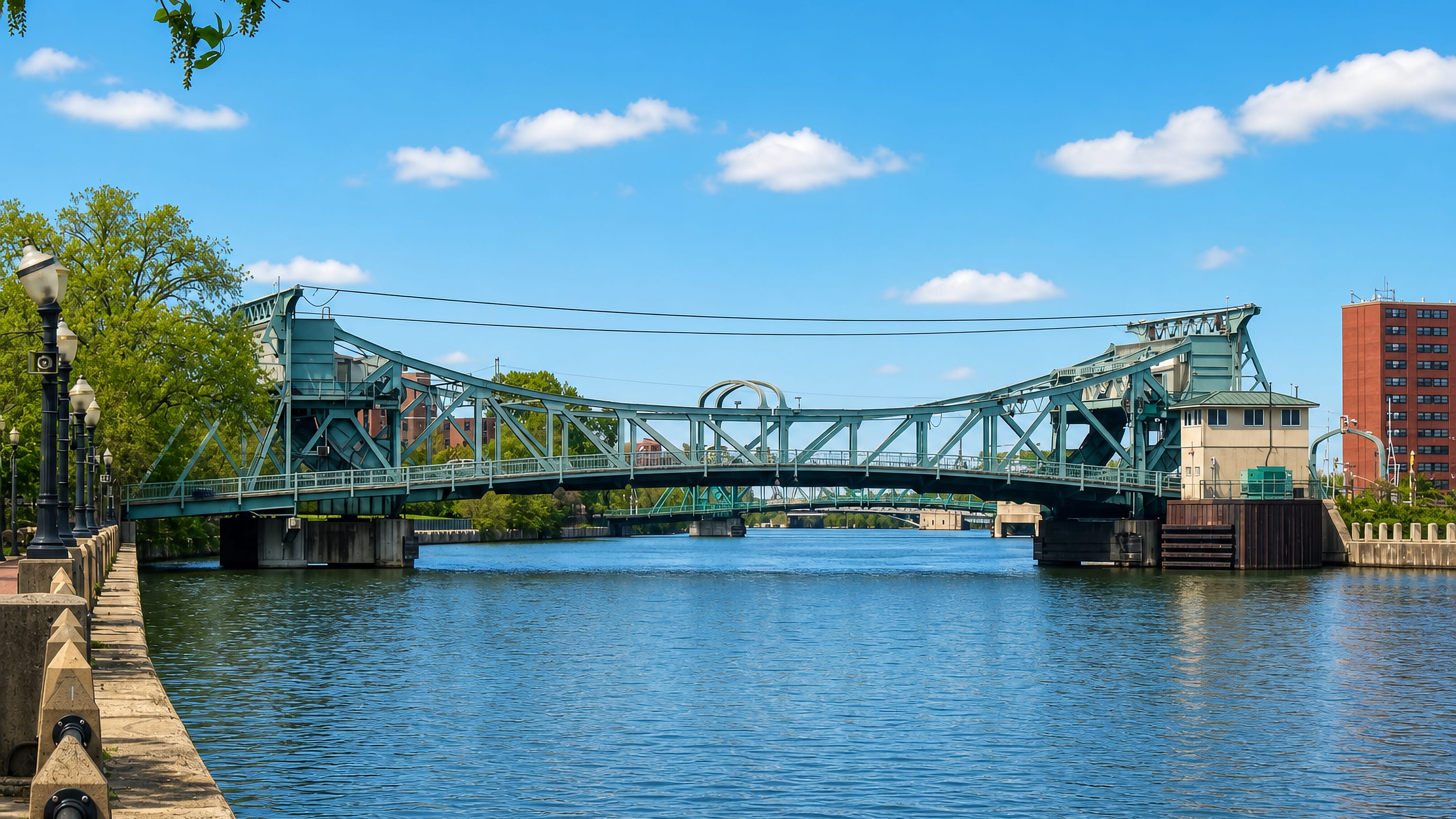
Joliet is the seat of Will County, a Des Plaines River city southwest of Chicago known for Old Joliet Prison and its stretch of Route 66.
Hotel links are affiliate links: booking through them may earn us a commission, at no extra cost to you. It never affects how places are ranked. How this works


Where to stay in Joliet
How the choice of base plays out on the ground.
The Des Plaines River cuts through the middle of Joliet, and the older centre sits on it. That is where the county-seat business goes on, and where Silver Cross Field, the Joliet Area Historical Museum, and Christ Episcopal Church all belong. Baseball nights are the busiest.
A room in the centre puts the museum, the ballpark, and the Route 66 corridor within reach on foot, which is the whole argument for staying there rather than out on the city's long outer edges. Joliet spreads a long way. Its municipal area reaches into both Will and Kendall counties, so a great deal of the city is subdivision and commercial road rather than anything a visitor would walk, and beds out there trade character for parking.
Old Joliet Prison anchors the other end of the visit. Anyone coming for it, or for the Route 66 drive that made the city the first major stop outside Chicago, will want a car regardless of where the room is. Two further stops reward a detour: the Slovenian Women's Union of America, which records an immigrant community that settled here, and the Henry House, one of the older survivors on the landmark list.
Find hotels in Joliet
Direct booking searches for these neighbourhoods.
Downtown Joliet
The county-seat blocks on the Des Plaines River, beside Silver Cross Field and the Joliet Area Historical Museum.Find hotels in Downtown JolietThe prison visit and the Route 66 driveAround Old Joliet Prison
The streets by Old Joliet Prison, the most filmed structure the city owns. Few places to stay nearby — book ahead.Find hotels in Around Old Joliet PrisonDrivers making Route 66 a longer tripOuter Joliet, toward Kendall County
Newer streets spreading toward the Kendall County line, well away from the Des Plaines River.Find hotels in Outer Joliet, toward Kendall CountyHotel links are affiliate links: booking through them may earn us a commission, at no extra cost to you. It never affects how places are ranked. How this works
Things to do in Joliet
Ranked by global recognition; descriptions from Wikidata (CC0).
Museums & Galleries
2- Joliet Area Historical Museum
- Slovenian Women's Union of America
Churches & Religious Sites
2- Christ Episcopal Church Heritage
- St. Patrick's Church of Joliet
Stadiums & Sports
1- Silver Cross Field
Landmarks & Notable Places
1- Jacob H. Henry House Heritage
worth knowingacross 4 categories in Joliet
About Joliet
Old Joliet Prison is the famous part.
What is Joliet known for?
The decommissioned facility was the largest in Illinois when it was built, and film and television have used it often enough that the walls are recognisable to people who have never been to Will County. The Blues Brothers put it on screen in 1980. Route 66 is the other claim, since Joliet was the first major city outside Chicago on the road, and the Joliet Area Historical Museum keeps that story along with the rest.
What are the main landmarks in Joliet?
Old Joliet Prison draws the crowd. A decommissioned correctional facility, the largest in Illinois when it went up, it has appeared in enough films and television that visitors arrive already knowing the outside of it. The Joliet Area Historical Museum handles the rest of the record, from the steel-mill beginnings to Route 66.
Silver Cross Field is the ballpark, Christ Episcopal Church and the Henry House the older architecture, and the Slovenian Women's Union of America a reminder of the immigrant communities that settled here.
What is the history of Joliet?
The founding date on the record is 1833. Joliet began as a mill town on the Des Plaines River, and steel is the industry the early city is remembered for, which set the pattern of work and immigration that shaped everything after it. Will County made it the seat.
That administrative role gave the place a courthouse function alongside the industrial one, and the two together explain why a city this far out from Chicago grew into the largest in its county. The prison came to define the city from outside. Old Joliet Prison was the largest correctional facility in Illinois at the time of its construction, and long after it was decommissioned it kept a second life on film, most famously in The Blues Brothers in 1980.
Route 66 did something similar. As the first major city outside Chicago on that road, Joliet took the traffic of the American highway era, and the Joliet Area Historical Museum now holds what survives of it. Immigrant institutions grew up alongside the industry, among them the Slovenian Women's Union of America, while Christ Episcopal Church and the Henry House mark the older built city.
Will and Kendall counties both hold parts of it now.
Where is Joliet?
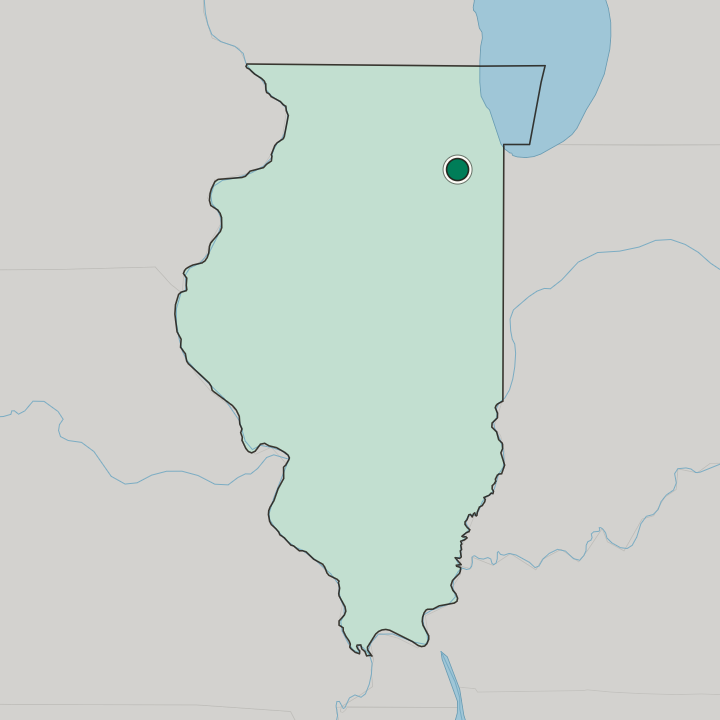
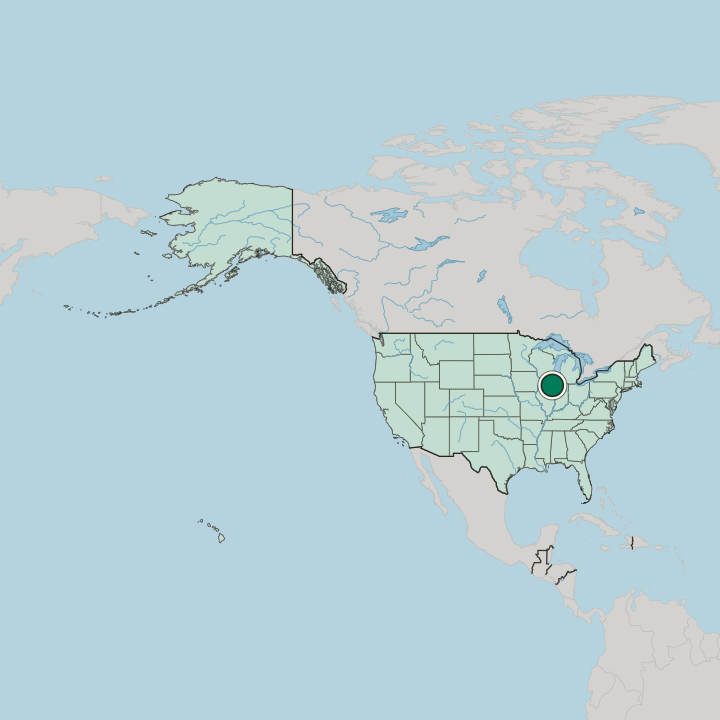
Joliet stands on the Des Plaines River, roughly 64 km southwest of Chicago. The footprint is large. City limits run across both Will and Kendall counties, taking in far more ground than the old river core, which is why the place feels less like a suburb of Chicagoland and more like a self-contained city with its own outskirts.
The Des Plaines River is still the axis, and the county seat sits where it always did.
What is the climate of Joliet?
Continental swings are the rule this far inland, with the Des Plaines River doing little to soften either end of the year. July and January are the extremes. A temperate-band position in the northern hemisphere puts the heat in mid-summer and the cold at the turn of the year, and Joliet gets both in full.
Outdoor plans belong to the warm half: Silver Cross Field only makes sense then, and the Route 66 drive is easier without ice. The Joliet Area Historical Museum covers the rest.
How do you get to Joliet?
Route 66 made Joliet the first major city outside Chicago on the road, and the highway habit never really left. Most people still drive. The city lies roughly 64 km southwest of Chicago, close enough that a day trip out of Chicagoland works, and far enough that it does not feel like an errand.
Once in, the Des Plaines River and the county-seat streets around Silver Cross Field cover the walkable part, while Old Joliet Prison and the outer subdivisions need wheels.
Common questions
What is the best area to stay in Joliet?
Downtown Joliet: Games at Silver Cross Field and a walk to the museum. Around Old Joliet Prison: The prison visit and the Route 66 drive. Outer Joliet, toward Kendall County: Drivers making Route 66 a longer trip.
Good for
More cities in Illinois
Updated September 2026