United States · Illinois
Where to Stay in Springfield, Illinois
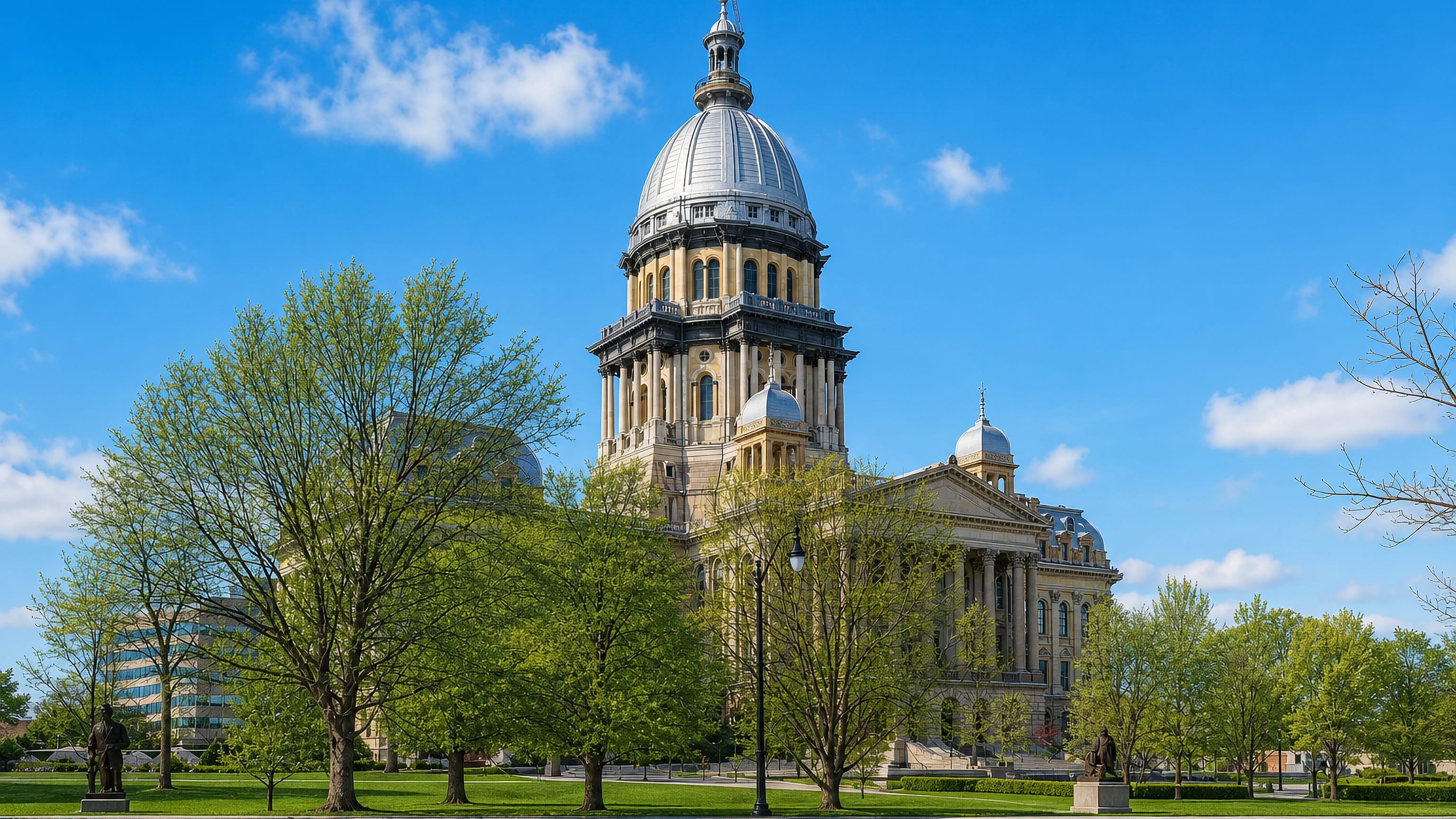
Lincoln Home National Historic Site preserves a block of Springfield, a city in Illinois founded in 1821, the home town of Abraham Lincoln.
Hotel links are affiliate links: booking through them may earn us a commission, at no extra cost to you. It never affects how places are ranked. How this works


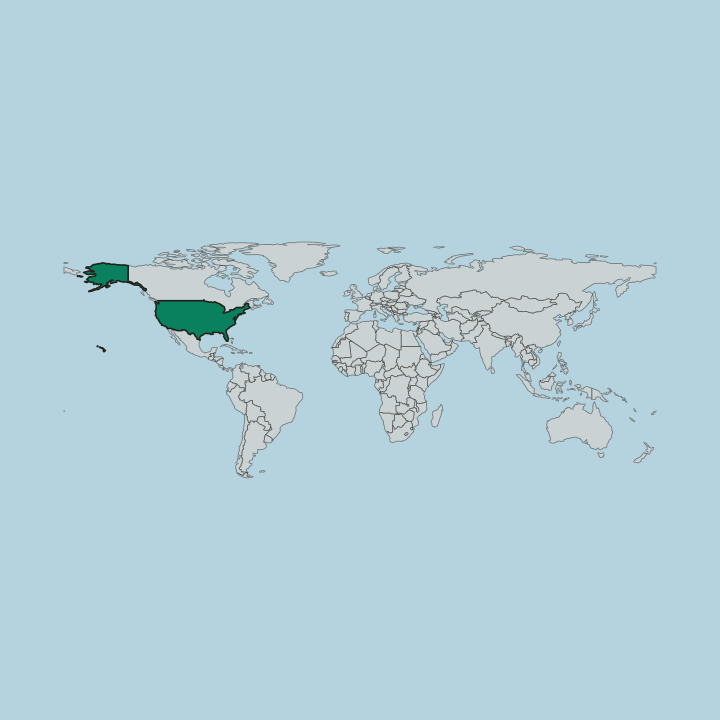
Where to stay in Springfield
Where visitors usually base themselves, and why.
Springfield sorts into stay areas set around the Lincoln sites, the capitol streets, and the near-north mansions in Illinois. The historic core around the Lincoln Home National Historic Site and the Old State Capitol State Historic Site suits travelers who want the preserved house block and the legislative chamber within a short walk of the door. Base here for the Lincoln trail.
A short way north, the streets near Edwards Place and the Vachel Lindsay House give a quieter base among the older mansions and the poet's birthplace. Visitors drawn to museums and heritage do well nearer the Illinois State Museum and the Springfield and Central Illinois African-American History Museum, where the collections sit close to the capitol grounds. If you want the Lincoln story in full, the Lincoln Colored Home adds a further stop nearby.
Each pocket trades a different asset for its quiet. Choose the bed by the itinerary, and the flat prairie grid keeps the city easy to cross between the Lincoln block and the capitol.
Find hotels in Springfield
Direct booking searches for these neighbourhoods.
Lincoln core by the historic home
The Lincoln Home National Historic Site and the Old State Capitol State Historic Site sit within a short walk, keeping the preserved house block and the legislative chamber at the door.Find hotels in Lincoln core by the historic homeQuiet heritage stays by the older mansionsNear-north mansion streets
The streets near Edwards Place and the Vachel Lindsay House hold the older mansions and the poet's birthplace on the calmer near-north lanes.Find hotels in Near-north mansion streetsMuseum and heritage stays near the collectionsMuseum grounds by the capitol
The Illinois State Museum and the Springfield and Central Illinois African-American History Museum sit close to the capitol grounds, pairing the collections with the civic core.Find hotels in Museum grounds by the capitolHotel links are affiliate links: booking through them may earn us a commission, at no extra cost to you. It never affects how places are ranked. How this works
Things to do in Springfield
Ranked by global recognition; descriptions from Wikidata (CC0).
Museums & Galleries
3- Old State Capitol State Historic Site Heritage
- Illinois State Museum
- Shea's Gas Station Museum
Churches & Religious Sites
2- Christ Episcopal Church Heritage
- First Presbyterian Church
Nature & Outdoors
1- Lanphier Park
Stadiums & Sports
2- Nelson Center
- Velasco Tennis Center
Landmarks & Notable Places
8- Vachel Lindsay House Heritage
- Lincoln Colored Home Heritage
- Bressmer-Baker House Heritage
- Edwards Place Heritage
- Virgil Hickox House Heritage
Show 3 more →
- John L. Lewis House Heritage
- Clarkson W. Freeman House Heritage
- H. P. Boult House Heritage
worth knowingacross 5 categories in Springfield
About Springfield
What is Springfield known for?
Springfield is known as the Illinois capital where Abraham Lincoln built his career. The Lincoln Home National Historic Site keeps the family house and its surrounding block. The Old State Capitol State Historic Site holds the restored legislative chamber where he served, while the Illinois State Museum gathers the state's natural and cultural collections and the Vachel Lindsay House preserves the birthplace of the city's poet, and Edwards Place stands as one of the oldest mansions on the near-north streets.
What are the main landmarks in Springfield?
Springfield centers its landmarks on the Lincoln sites and the state capitol grounds in Illinois. The Lincoln Home National Historic Site is the signature site, the preserved family house set within its restored block of the old town. State buildings stand close by.
Nearby, the Old State Capitol State Historic Site holds the restored legislative chamber while the Illinois State Museum gathers the state collections, and the Springfield and Central Illinois African-American History Museum records the community's story. The Vachel Lindsay House and Edwards Place mark the older residential heritage nearby.
What is the history of Springfield?
Springfield was laid out in 1821 on the central Illinois prairie and first bore the name Calhoun before taking its lasting title. The prairie set the plan. The flat farmland and the young state's growth drew settlers to the crossroads, and the town rose as a market and county seat among the surrounding grain country.
Abraham Lincoln then bound his life to the place. He built the house the Lincoln Home National Historic Site preserves, argued cases and served in the legislature whose chamber the Old State Capitol State Historic Site restores, and left the streets that the Lincoln trail still follows. The capital moved here.
State collections and civic institutions followed, so the Illinois State Museum gathered the region's natural and cultural record, Edwards Place kept an early mansion on the near-north lanes, and the Vachel Lindsay House marked the birthplace of the city's own poet. Each era left a building still standing near the old town square.
Where is Springfield?
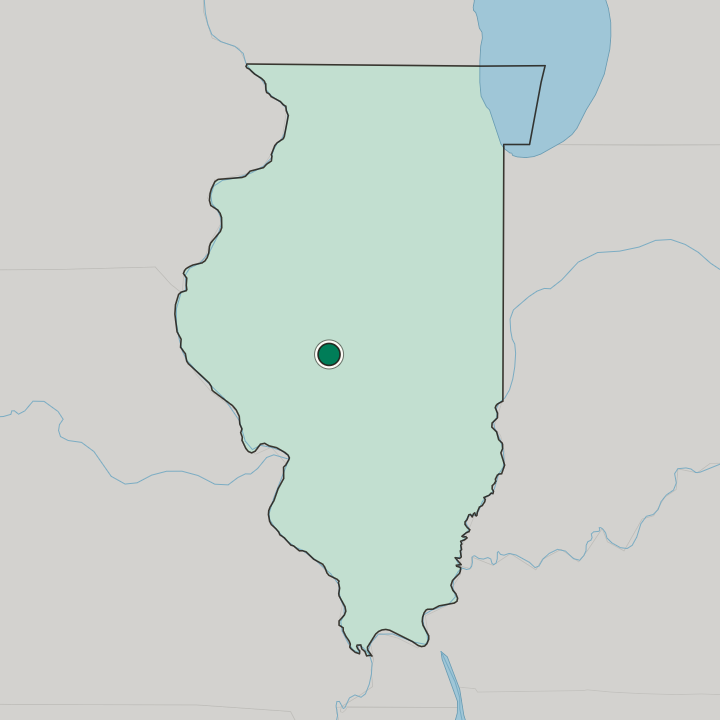
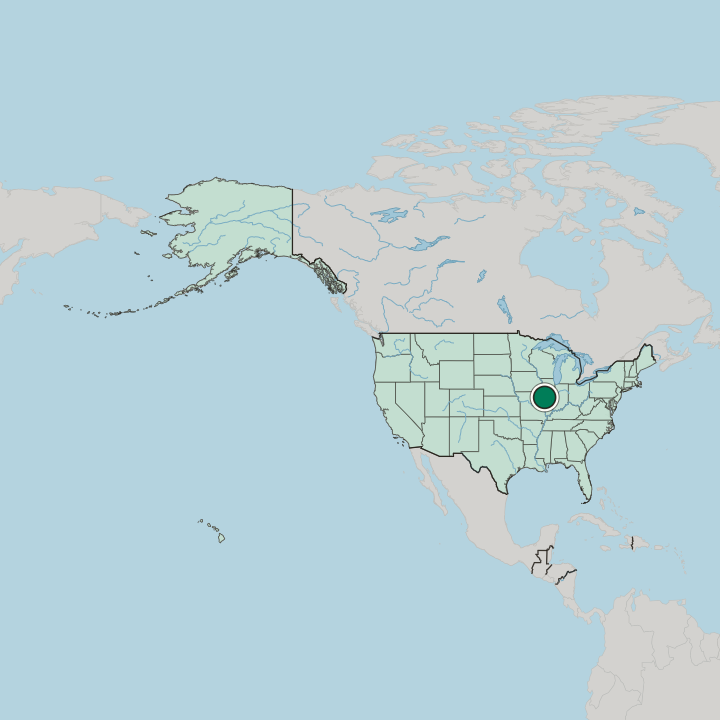
Springfield sits on the flat central prairie of Illinois, where level grain country spreads in every direction around the town. The setting is open and low. Its historic core gathers on the old grid, so the Lincoln Home National Historic Site, the Old State Capitol State Historic Site, and the Illinois State Museum all fall within a walkable band.
The regular streets then run out across the plain toward the near-north mansions near Edwards Place and the outer prairie roads.
What is the climate of Springfield?
Springfield has a continental climate typical of the central Illinois prairie. Winter in Springfield settles in cold and grey across the prairie. Snow and hard freezes cross the open farmland from late autumn into early spring, so the indoor galleries of the Illinois State Museum carry much of the cold-season visiting.
Summers turn hot and humid, with thunderstorms building over the flat grain country, and the walking blocks around the Lincoln Home National Historic Site draw the warm-weather crowds to the old town. Each season draws its crowd.
How do you get to Springfield?
Springfield sits on the main road and rail lines crossing central Illinois, so most visitors arrive by car or by train. Road and rail meet here. The routes feed the prairie grid and ring the old town, keeping the capitol grounds close to the highway exits.
From the historic core the Lincoln Home National Historic Site, the Old State Capitol State Historic Site, and the Illinois State Museum stay walkable, while drivers use the ring roads to reach Edwards Place and the outer streets.
Common questions
What is the best area to stay in Springfield?
Lincoln core by the historic home: Lincoln-trail stays within a short walk. Near-north mansion streets: Quiet heritage stays by the older mansions. Museum grounds by the capitol: Museum and heritage stays near the collections.
Good for
More cities in Illinois
Updated September 2026