United States · New Jersey
Where to Stay in Hoboken, New Jersey
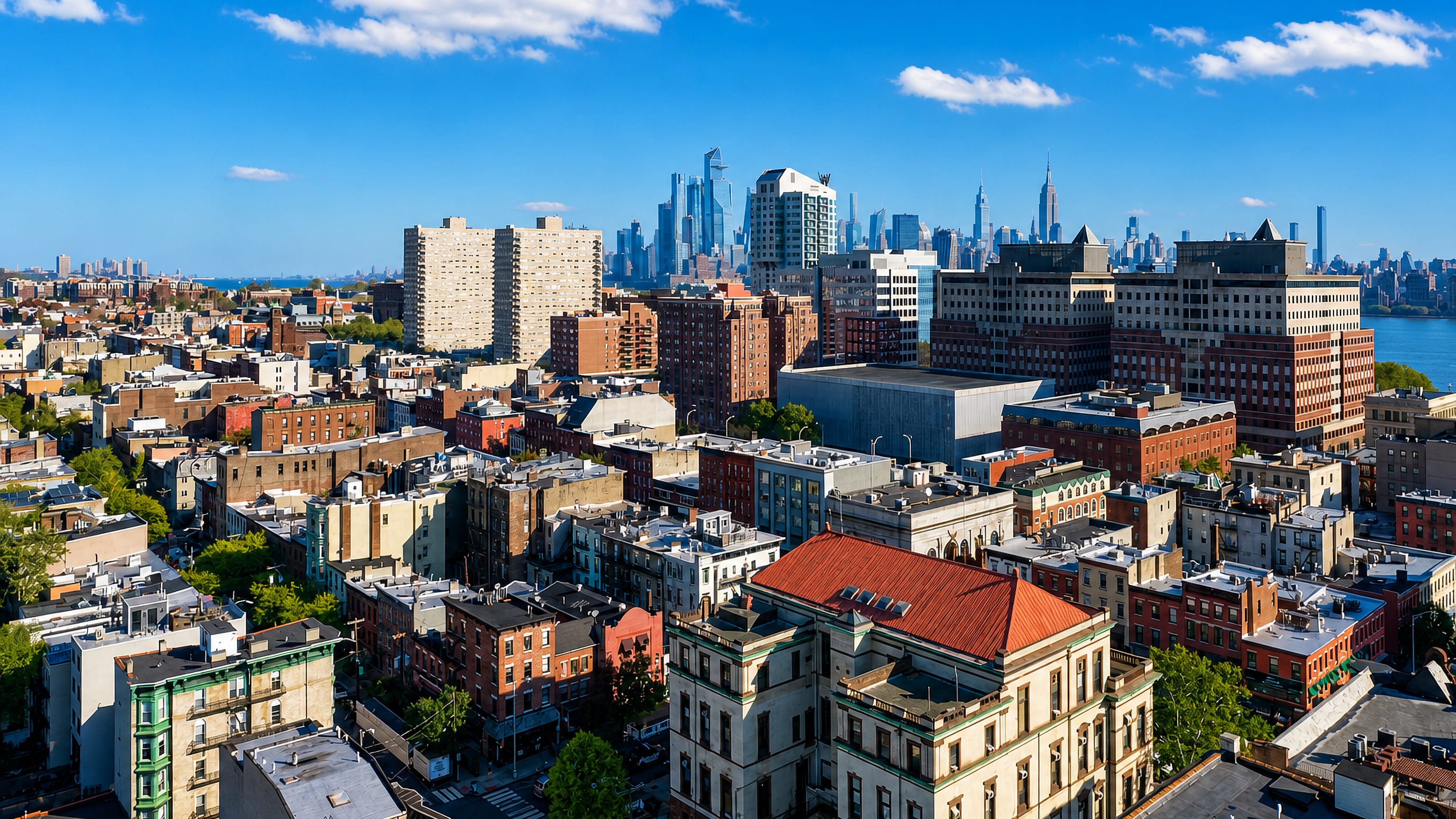
Hoboken is a compact city on the Hudson River in Hudson County, facing New York City across the water and centred on Hoboken Terminal.
Hotel links are affiliate links: booking through them may earn us a commission, at no extra cost to you. It never affects how places are ranked. How this works


Where to stay in Hoboken
How the choice of base plays out on the ground.
The terminal end sets the terms. Hoboken Terminal gathers trains, buses, and ferries at one corner of the city, and a room within reach of it turns the crossing of the Hudson River to New York City into a matter of minutes rather than planning. Weekends get loud.
The bar and club streets that gave Hoboken its night-out standing across Hudson County run through the middle of a municipality small enough that noise carries between blocks. Stevens Institute of Technology holds the higher ground, and the streets around the campus stay calmer than those nearer the water, though nothing here is far from anything else in five square kilometres. Few hotels sit in the city itself.
Even the far corners of the grid stay within walking reach of Hoboken Terminal, which is what keeps a city of this size workable without a car. Jersey City and New York City absorb what the small local stock cannot take, while Union City, West New York, and Guttenberg offer the same dense Hudson County setting without the crowds that the bars pull in. A waterfront outlook toward New York City is traded against late noise, and the campus side is where that trade goes the other way.
Find hotels in Hoboken
Direct booking searches for these neighbourhoods.
The Hoboken Terminal corner
The corner where trains, buses, and ferries all leave from one hub, a few minutes from New York City over the Hudson River.Find hotels in The Hoboken Terminal cornerNights out in the blocks that made Hoboken's nameThe bar and club streets
Mid-city streets carrying the drinking trade for this side of Hudson County, central to everything and loud until late.Find hotels in The bar and club streetsQuiet nights on the Stevens Institute of Technology slopeAround Stevens Institute of Technology
Higher ground above the Hudson River waterfront, calmer than the bar blocks and still within a five-square-kilometre city. Rooms are few around here — worth securing early.Find hotels in Around Stevens Institute of TechnologyBeds when Hoboken's small stock runs outJersey City
The larger Hudson County neighbour on the same shoreline, close enough that the ferries and trains still serve a Hoboken itinerary.Find hotels in Jersey CityHotel links are affiliate links: booking through them may earn us a commission, at no extra cost to you. It never affects how places are ranked. How this works
About Hoboken
Nightlife made the reputation.
What is Hoboken known for?
Bars and clubs fill a grid of barely five square kilometres, which is one reason the city works as a bedroom community for young professionals who cross the Hudson River to New York City for work. Frank Sinatra was born here. A claim on the birth of baseball attaches to the same ground, and Stevens Institute of Technology keeps its campus inside this small municipality of Hudson County.
What are the main landmarks in Hoboken?
Hoboken Terminal is the fixed point. Trains, ferries, and buses converge there, and the building serves as the city's front door onto the Hudson River and the crossing to New York City. Stevens Institute of Technology supplies the other.
Frank Sinatra's birth in the city and its claim on the origins of baseball are the associations most visitors arrive carrying, while the museum weight of the metropolitan area sits across the water, where the Whitney Museum of American Art, the Rubin Museum of Art, and the Intrepid Sea, Air & Space Museum stand. The Jersey City 9/11 Memorial is on the New Jersey side.
What is the history of Hoboken?
City status came in 1849. The Hudson River made that possible, because a waterfront set directly opposite New York City gave the place a working role in the harbour trade long before anyone thought of it as somewhere to go out. Rail followed the water.
Hoboken Terminal turned the same shoreline into a transfer point, gathering trains, ferries, and buses at the edge of a municipality that covers only about five square kilometres. Two associations outlasted the docks. Frank Sinatra was born in the city, and a claim on the birth of baseball attaches to the same ground, both of them still in circulation long after cargo work stopped setting the rhythm of Hudson County.
Stevens Institute of Technology held its campus through all of it. The later turn was residential, as people working in New York City filled the small grid and the bars and clubs followed them, leaving Hoboken among the most densely built municipalities in the United States and fourth on that measure within its own county, behind Guttenberg, Union City, and West New York. Jersey City took the same shoreline south.
Where is Hoboken?
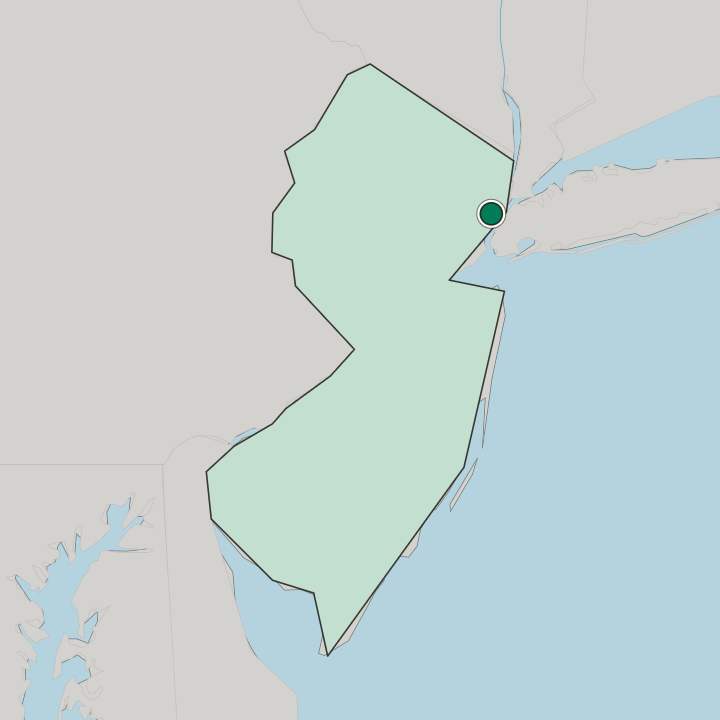
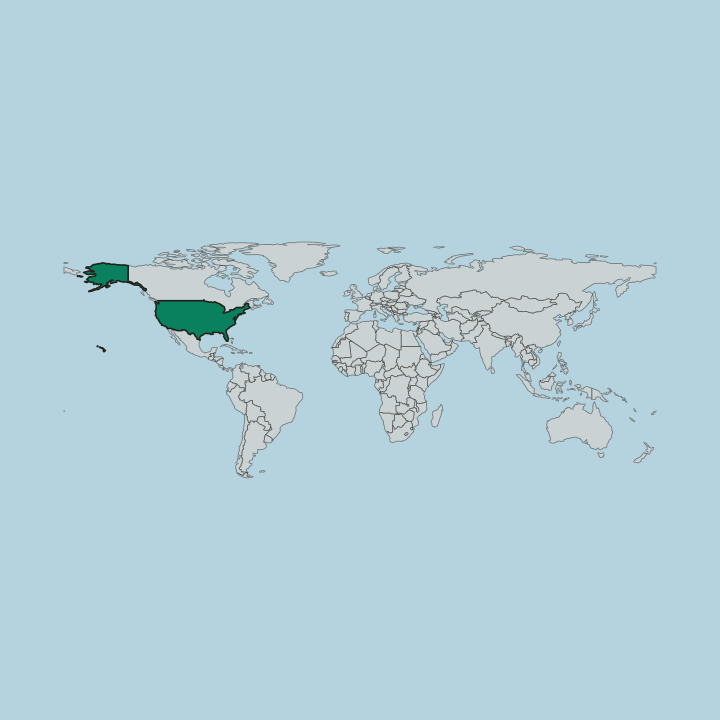
Hudson County holds it. Hoboken occupies roughly five square kilometres between the Hudson River and its inland neighbours, which makes it one of the smallest municipalities in New Jersey to carry a name this widely recognised. New York City faces it across the water.
Jersey City continues the same shoreline, and Union City, West New York, and Guttenberg pack the ground behind, so the city has no rural edge in any direction.
What is the climate of Hoboken?
The river is the moderating agent. Hoboken lies in the temperate band of the northern hemisphere with the Hudson River along one whole edge, so summer air turns humid and heavy while the water takes some of the edge off the coldest spells. Snow reaches Hudson County most winters.
Spring and autumn are the seasons that suit the walk from Hoboken Terminal up to Stevens Institute of Technology, and the summer humidity is what drives people from the waterfront into the bars.
How do you get to Hoboken?
Hoboken Terminal does the work. Trains, buses, and ferries all use the same hub, which is what makes the city a practical base for anyone crossing the Hudson River to New York City on a daily basis. Driving is the weaker option.
Parking inside a municipality of about five square kilometres this densely built takes patience, and the Hudson County neighbours are close enough that arriving from Jersey City, Union City, or West New York by transit beats circling for a space.
Common questions
What is the best area to stay in Hoboken?
The Hoboken Terminal corner: Early ferries and trains out of Hoboken Terminal. The bar and club streets: Nights out in the blocks that made Hoboken's name. Around Stevens Institute of Technology: Quiet nights on the Stevens Institute of Technology slope. Jersey City: Beds when Hoboken's small stock runs out.
Good for
More cities in New Jersey
Updated October 2026