United States · New Jersey
Where to Stay in New Brunswick, New Jersey
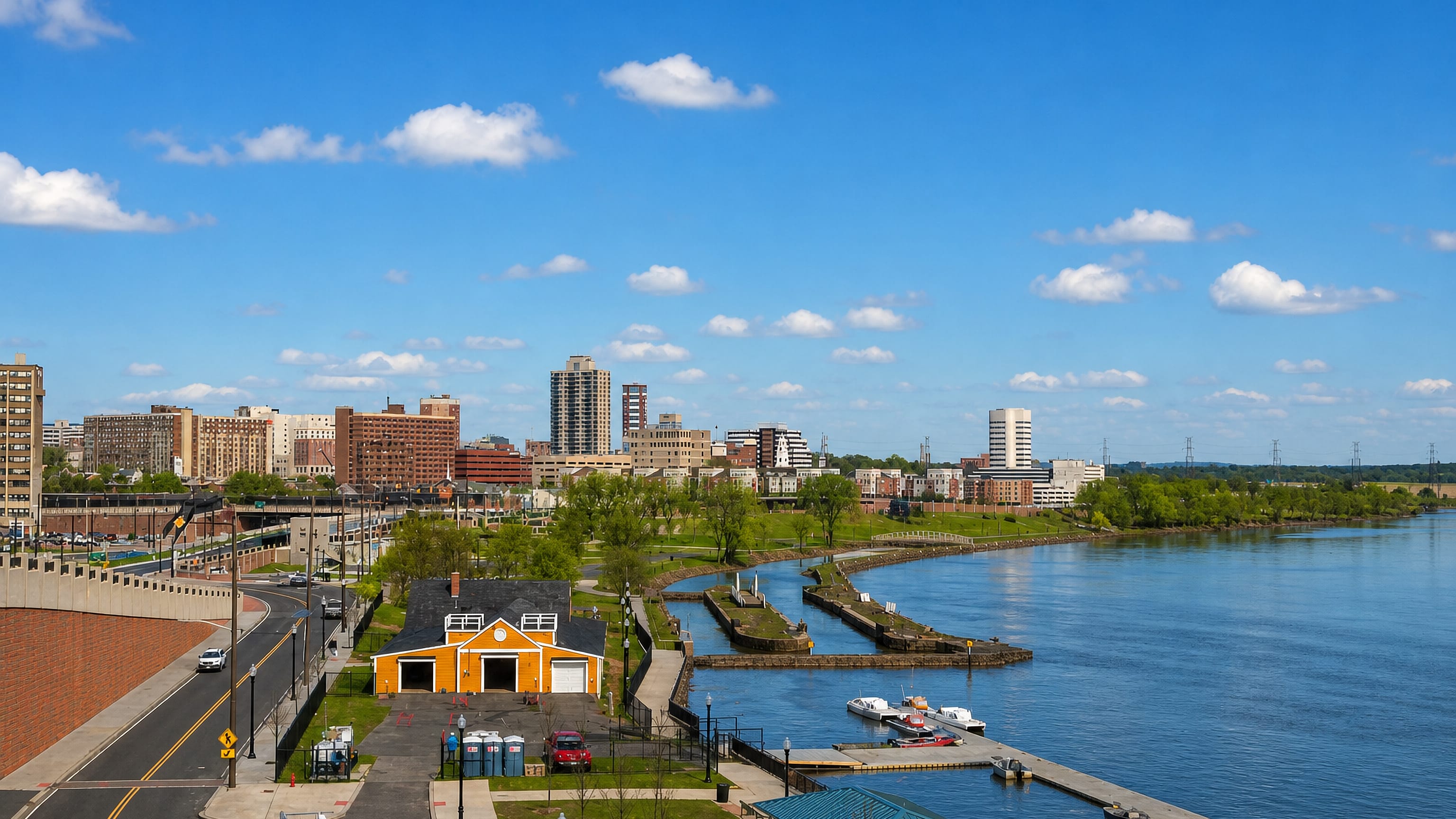
New Brunswick is the seat of Middlesex County on the Raritan River, a New Jersey college city built around Rutgers University.
Hotel links are affiliate links: booking through them may earn us a commission, at no extra cost to you. It never affects how places are ranked. How this works


Where to stay in New Brunswick
The practical side of choosing where to sleep.
Campus and platform are the two poles. A room near Rutgers University keeps the Zimmerli Art Museum at Rutgers University and the Rutgers University Geology Museum inside one walk, which is the base that suits a visit built on the collections or on a university calendar. The station side reads differently.
New Brunswick station, a stop of some weight on the Northeast Corridor, anchors the commercial core, and staying beside it makes the ride to New York Penn Station and Midtown Manhattan a matter of one boarding rather than a connection. Older ground lies apart from both. First Reformed Church, Christ Church, and the Henry Guest House survive from the civic beginnings of the Middlesex County seat, and Buccleuch Mansion holds open ground near the Raritan River where the built grain of the city loosens.
Lodging runs scarce on that side. Saint Peter the Apostle Church and Saint Mary of Mount Virgin Roman Catholic Church mark the parish streets, useful markers for anyone who wants a neighbourhood rather than a downtown, while the Cornelius Low House, the Metlar-Bodine House Museum, and the Livingston Homestead belong to the wider Raritan Valley Region circuit and call for transport rather than a walk.
Find hotels in New Brunswick
Direct booking searches for these neighbourhoods.
The Rutgers University campus edge
Campus streets where the Zimmerli Art Museum at Rutgers University and the Rutgers University Geology Museum fall into a single walk.Find hotels in The Rutgers University campus edgeOne-train mornings to New York Penn StationThe New Brunswick station blocks
The commercial core beside New Brunswick station, where the Northeast Corridor platform sits under the city's densest block of trade.Find hotels in The New Brunswick station blocksColonial civic buildings around the Henry Guest HouseThe First Reformed Church quarter
The founding ground of the Middlesex County seat, holding First Reformed Church, Christ Church, and the Henry Guest House together. Rooms are few around here — worth securing early.Find hotels in The First Reformed Church quarterOpen ground beside the Raritan RiverThe Buccleuch Mansion riverside
The loosest-built corner of New Brunswick, where Buccleuch Mansion keeps lawn between the streets and the Raritan River. Beds are limited here, so book early.Find hotels in The Buccleuch Mansion riversideHotel links are affiliate links: booking through them may earn us a commission, at no extra cost to you. It never affects how places are ranked. How this works
Things to do in New Brunswick
Ranked by global recognition; descriptions from Wikidata (CC0).
Museums & Galleries
3- Buccleuch Mansion Heritage
- Rutgers University Geology Museum Heritage
- Zimmerli Art Museum at Rutgers University
Churches & Religious Sites
4- Christ Church Heritage
- Saint Peter the Apostle Church Heritage
- Saint Mary of Mount Virgin Roman Catholic Church Heritage
- First Reformed Church Heritage
Landmarks & Notable Places
2- Henry Guest House Heritage
- Livingston Homestead Heritage
worth knowingacross 3 categories in New Brunswick
About New Brunswick
Rutgers University sets the pace.
What is New Brunswick known for?
The Zimmerli Art Museum at Rutgers University and the Rutgers University Geology Museum both stand on that campus, giving a county seat of this size two collections it would not otherwise carry. Commuting fills the other half of the day. New Brunswick station puts the Northeast Corridor through the middle of a city that serves as a regional commercial hub and as a base for people working in New York City.
What are the main landmarks in New Brunswick?
Churches and houses dominate the roster. Christ Church, First Reformed Church, Second Reformed Church, Saint Peter the Apostle Church, and Saint Mary of Mount Virgin Roman Catholic Church give the city five congregations with buildings worth the detour. Two museums answer them from the campus.
The Zimmerli Art Museum at Rutgers University and the Rutgers University Geology Museum hold the collections, while Buccleuch Mansion, the Henry Guest House, the Cornelius Low House, the Metlar-Bodine House Museum, and the Livingston Homestead carry the domestic record of the Raritan Valley Region.
What is the history of New Brunswick?
The city dates from 1730. A landing on the southern banks of the Raritan River gave it the reason to exist, and the Henry Guest House, Buccleuch Mansion, and the Livingston Homestead survive from the decades when that river traffic mattered more than any road. Congregations organised early.
First Reformed Church and Christ Church belong to that first ordering of the town, and Second Reformed Church followed as the settlement outgrew its original parishes. Rutgers University changed the balance. A university inside a county seat pulls in students, staff, and eventually collections, and both the Zimmerli Art Museum at Rutgers University and the Rutgers University Geology Museum came out of that presence rather than out of civic ambition.
Rail did the rest. New Brunswick station tied the city into the Northeast Corridor, putting New York Penn Station and Midtown Manhattan within a single ride and turning a Middlesex County trading town into a commuter city as well as a college one. Later arrivals rebuilt the parish map, and Saint Peter the Apostle Church and Saint Mary of Mount Virgin Roman Catholic Church stand for that layer, while the Cornelius Low House and the Metlar-Bodine House Museum keep the older Raritan Valley Region record on show.
Where is New Brunswick?
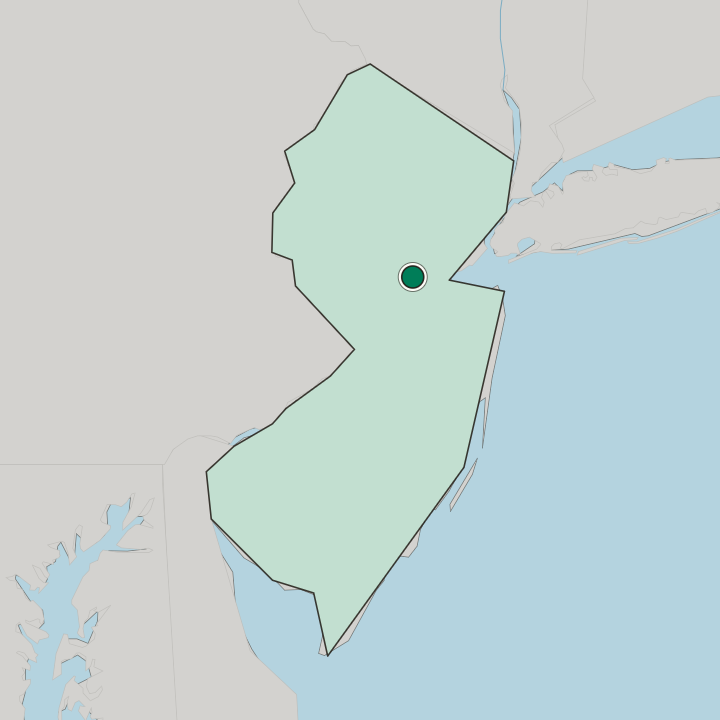
The Raritan River draws the northern edge. New Brunswick occupies roughly 15 square kilometres on the southern banks of that river, inside the Raritan Valley Region, which puts the Middlesex County seat on a floor of low ground rather than on any ridge. Rutgers University takes a large share of it.
New Brunswick station and the commercial blocks around it sit within walking distance of the campus, so the working city holds together tightly despite the reach of the wider valley.
What is the climate of New Brunswick?
Humidity settles along the river. New Brunswick lies in the temperate band of the northern hemisphere on low ground beside the Raritan River, so summer air sits heavy over the valley floor while the cold months bring frost and snow to the Raritan Valley Region. Autumn is the reward.
Term time and the mildest weeks overlap neatly, which makes the walk from Rutgers University down to New Brunswick station pleasant for much of the academic year.
How do you get to New Brunswick?
The train is the obvious way. NJ Transit works the Northeast Corridor through New Brunswick station, and the run to New York Penn Station in Midtown Manhattan is direct enough that the city functions as a commuter address for the metropolitan area. Roads serve Middlesex County traffic.
Once here, the walk from the platform reaches Rutgers University, the Zimmerli Art Museum at Rutgers University, and the older churches without transport, though the Cornelius Low House and the Metlar-Bodine House Museum ask for a short drive.
Common questions
What is the best area to stay in New Brunswick?
The Rutgers University campus edge: Days given to the Zimmerli Art Museum at Rutgers University. The New Brunswick station blocks: One-train mornings to New York Penn Station. The First Reformed Church quarter: Colonial civic buildings around the Henry Guest House. The Buccleuch Mansion riverside: Open ground beside the Raritan River.
Good for
More cities in New Jersey
Updated October 2026