United States · Utah
Where to Stay in Ogden, Utah
Rail built Ogden. The city sits under the Wasatch Mountains in Weber County, north of Salt Lake City, and dates from 1846.
Hotel links are affiliate links: booking through them may earn us a commission, at no extra cost to you. It never affects how places are ranked. How this works


Where to stay in Ogden
The practical side of choosing where to sleep.
Downtown is the obvious base. Lindquist Field and the Utah Cowboy and Western Heritage Museum are a few blocks apart there, the historic building stock is thickest, and an evening can be spent without touching the car. Trains are part of the deal.
Anyone who sleeps badly near a working line should weigh that against the walkability, because the yards are part of what makes downtown Ogden what it is. Weber State University sits on the other side of that trade. Beds near the campus are quieter, closer to the mountain front, and further from the museums, which suits a trip built around the Wasatch Mountains rather than around the streets.
Salt Lake City is close enough that some visitors base there instead and drive up for the day. The reverse works as well, and Ogden makes a plainer base for a trip that spends its days in Salt Lake City. The Great Salt Lake pulls the other way.
Rooms on the edge of town nearest the water trade the downtown blocks for a faster run out across the flats, which matters most to anyone here for the lake rather than the city.
Find hotels in Ogden
Direct booking searches for these neighbourhoods.
Around Lindquist Field
Lindquist Field and the Utah Cowboy and Western Heritage Museum stand within a few blocks, so an evening needs no car.Find hotels in Around Lindquist Fieldcampus visits and a quieter base under the Wasatch MountainsThe Weber State University side
Rooms near Weber State University sit closer to the mountain front than to Ogden's rail yards.Find hotels in The Weber State University sidedrivers heading out to the water rather than into the cityThe Great Salt Lake edge
The edge of Ogden nearest the Great Salt Lake trades street life for a quick run out to the flats.Find hotels in The Great Salt Lake edgeHotel links are affiliate links: booking through them may earn us a commission, at no extra cost to you. It never affects how places are ranked. How this works
Things to do in Ogden
Ranked by global recognition; descriptions from Wikidata (CC0).
Museums & Galleries
1- Utah Cowboy and Western Heritage Museum
Churches & Religious Sites
1- Episcopal Church of the Good Shepherd Heritage
Stadiums & Sports
1- Lindquist Field
Landmarks & Notable Places
4- John L. and Elizabeth Dalton House Heritage
- Charles W. Cross House Heritage
- Andrew J. Warner House Heritage
- Augustus B. Patton House Heritage
worth knowingacross 4 categories in Ogden
About Ogden
Freight still moves through Ogden.
What is Ogden known for?
The city served as a major railway hub for much of its history, and the yards continue to carry goods, which is why manufacturing and commerce found the place convenient. Historic buildings are the second name it has. Weber State University is the third, and the Wasatch Mountains behind the city and the Great Salt Lake out beyond it complete the list.
What are the main landmarks in Ogden?
Ogden's landmark list leans civic. Lindquist Field draws the crowds downtown, the Utah Cowboy and Western Heritage Museum keeps the range-country side of Utah's story, and two congregations account for the rest, the Episcopal Church of the Good Shepherd and the Weber Stake Relief Society Building. Four houses fill out the register, carrying the names of the families that built them, the Charles W. Cross House and the John L. and Elizabeth Dalton House among them.
What is the history of Ogden?
The first settlers arrived in 1846. The Great Salt Lake sits out past the city, and those arrivals had that water on one hand and the Wasatch Mountains on the other, which is the frame the town has kept ever since. What made the place was the railway, which turned a valley town into a junction carrying a large share of the region's freight.
That work has not stopped. The yards still handle goods, and they remain a reason manufacturing and commerce hold on in a city that sits well within reach of Salt Lake City. The building stock followed.
Ogden's historic buildings date from the decades when the junction was busiest, and they are what visitors mostly come to look at. Weber State University came later and gave the city a second economy alongside the rail. The Weber Stake Relief Society Building and the Episcopal Church of the Good Shepherd survive from that period, two congregations' worth of masonry.
The Utah Cowboy and Western Heritage Museum keeps the other half of the story, the range country that the railway shipped for. Ogden holds the seat of Weber County.
Where is Ogden?
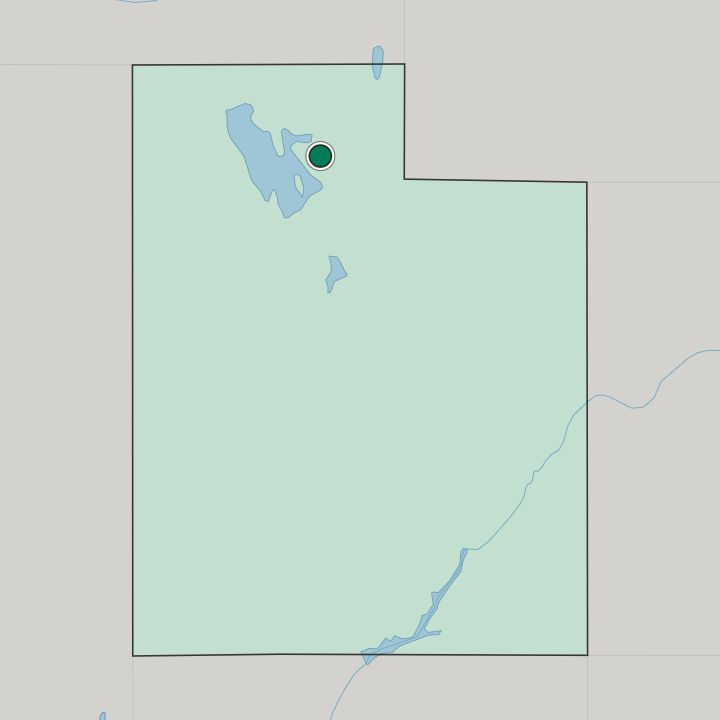
Ogden stands between two large facts of Utah geography. The Wasatch Mountains rise directly behind the city, and the Great Salt Lake lies a short distance west, so the built ground occupies a strip between rock and water. Ogden sits about 40 miles north of Salt Lake City.
Weber County takes in the ground on either side, and the city is compact enough that the mountain front shows from nearly every street.
What is the climate of Ogden?
Two features set Ogden's weather: the Great Salt Lake on one side and the Wasatch Mountains on the other, one holding water and the other holding snow well into spring. Winters are cold. Summer heat builds on the valley floor and eases only where the ground starts to climb, which is why the mountain front matters as much in July as in January.
How do you get to Ogden?
Rail is the reason the city exists, and freight still runs the yards, though most visitors arrive on the road up from Salt Lake City. The drive is short. Ogden works as a day trip from there and the other way round, since the run between them keeps to the valley floor rather than crossing high ground.
Weber County traffic converges here as well.
Common questions
What is the best area to stay in Ogden?
Around Lindquist Field: ball games and the historic downtown blocks. The Weber State University side: campus visits and a quieter base under the Wasatch Mountains. The Great Salt Lake edge: drivers heading out to the water rather than into the city.
Good for
More cities in Utah
Updated September 2026