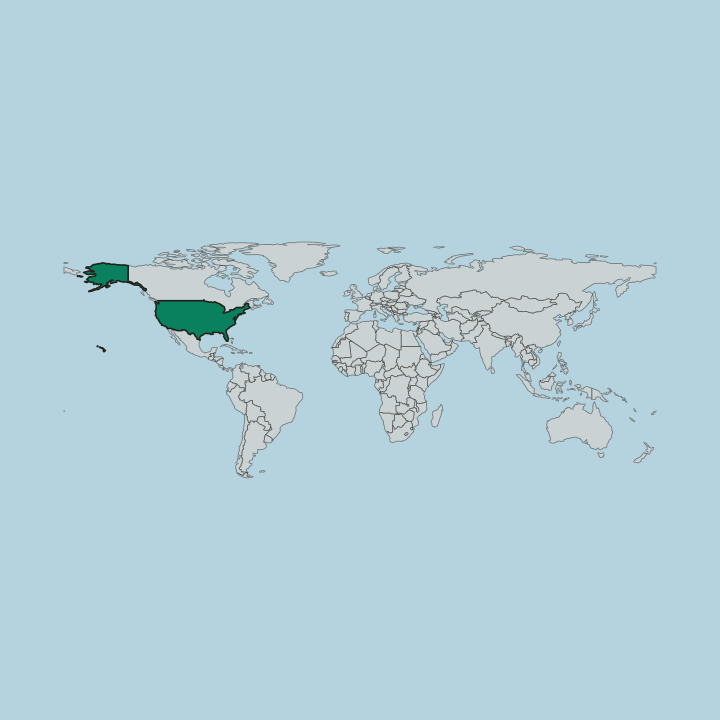
United States · Utah
Where to Stay in Salt Lake City, Utah
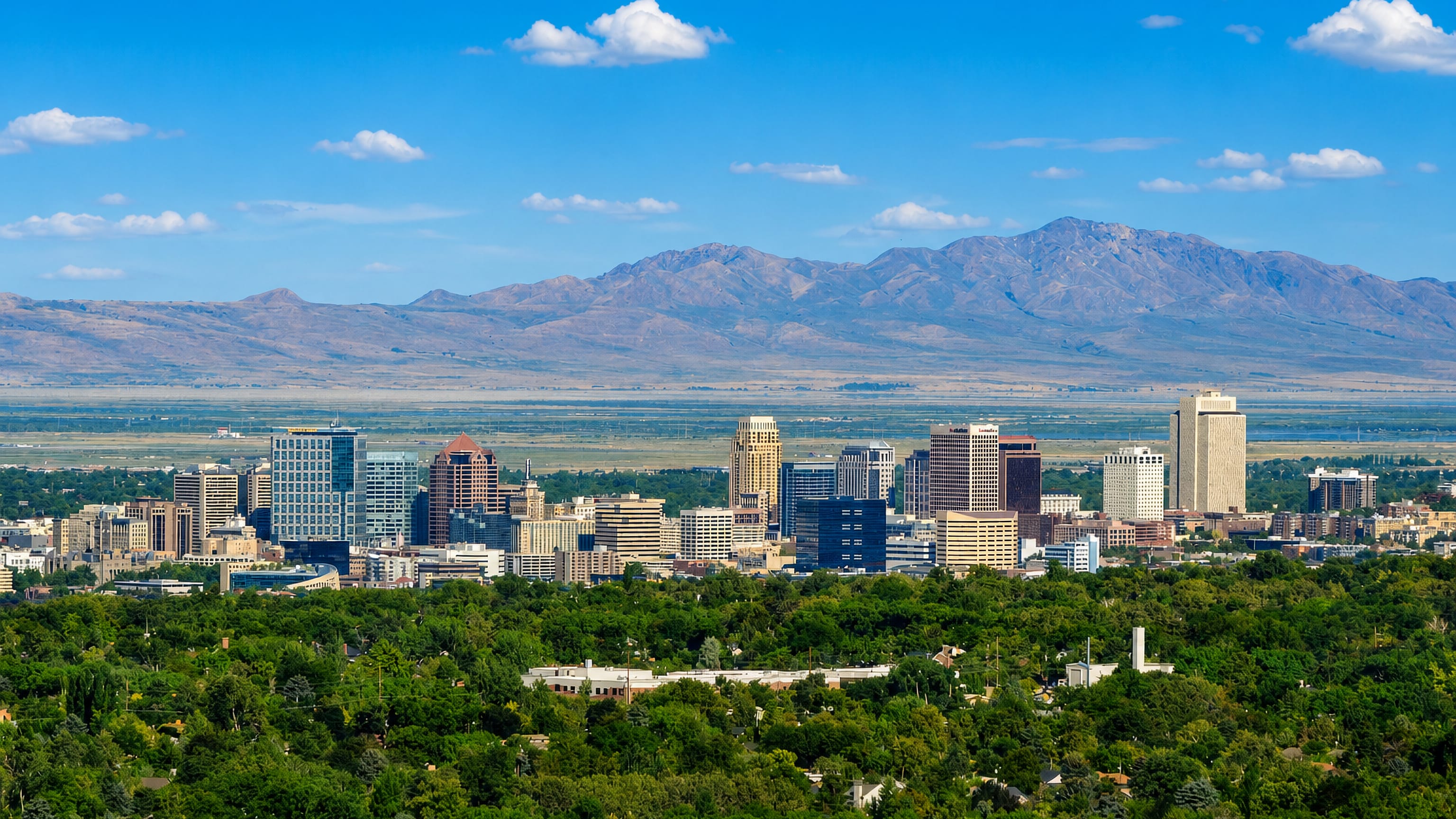
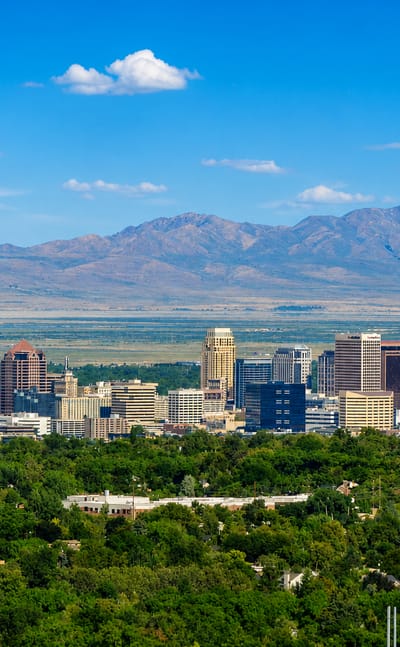
Salt Lake City is the capital of Utah, a mountain-rimmed city founded in 1847 and known for the Beehive House, the Seagull Monument, and Eagle Gate.
Hotel links are affiliate links: booking through them may earn us a commission, at no extra cost to you. It never affects how places are ranked. How this works


Where to stay in Salt Lake City
Not every neighbourhood fits every trip — here's what each one is good for.
 Salt Lake CityUnited StatesTravellers wanting a leafy base near the Gilgal Sculpture Garden
Sugar House
The tree-lined Sugar House quarter frames its own small centre around the Sugar House Monument and the hidden Gilgal Sculpture Garden.Sugar House →Salt Lake CityUnited StatesExchange Place Historic District
Carved buffalo heads look over Exchange Place Historic District, the block of Salt Lake City that Utah's mining fortunes built between 1903 and 1917.Where to stay →Salt Lake CityUnited StatesCentral City
A 97-foot water tower rises over Trolley Square in Central City, a core neighborhood of Salt Lake City, Utah, east of downtown.Where to stay →Salt Lake CityUnited StatesDowntown Salt Lake City
Downtown Salt Lake City is the city's oldest district, and the grid every address counts from begins at Temple Square.Where to stay →Salt Lake CityUnited StatesSouth Temple Historic District
Carriage steps and trees line the South Temple Historic District, the mansion street of Salt Lake City, running east from downtown to Virginia Street.Where to stay →Salt Lake CityUnited StatesThe Avenues
The Avenues is a neighborhood northeast of downtown Salt Lake City on the lower slopes of the Wasatch Mountains, first surveyed in the early 1850s.Where to stay →Salt Lake CityUnited StatesCapitol Hill
Capitol Hill is the neighbourhood of Salt Lake City, Utah that the Utah State Capitol crowns, with Eagle Gate at its foot.Where to stay →Salt Lake CityUnited StatesYalecrest
Yalecrest is a residential neighbourhood on the East Bench of Salt Lake City, known as the Harvard-Yale area for its Ivy League street names.Where to stay →Salt Lake CityUnited StatesGlendale
Glendale is a neighbourhood on the west side of Salt Lake City, laid out as Glendale Gardens for families arriving in Utah for the war effort.Where to stay →Salt Lake CityUnited StatesPoplar Grove
Poplar Grove is a western neighborhood of Salt Lake City, Utah, the second largest, north of Glendale and south of Rose Park.Where to stay →Salt Lake CityUnited StatesFederal Heights
Curving streets break the Salt Lake City grid east of Virginia Street in Federal Heights, a bench subdivision of 1909 under the Wasatch Mountains.Where to stay →Salt Lake CityUnited StatesFoothill
Foothill is a residential quarter of Salt Lake City on the East Bench, where the street grid climbs toward the base of the Wasatch Range.Where to stay →Salt Lake CityUnited StatesRose Park
Rose Park is a neighbourhood of Salt Lake City, Utah, whose developer laid part of its streets out in the shape of roses.Where to stay →Salt Lake CityUnited StatesFairpark
Brick cottages line the blocks west of the railroad in Fairpark, a small neighborhood of Salt Lake City built around the Utah State Fairpark.Where to stay →Hotel links are affiliate links: booking through them may earn us a commission, at no extra cost to you. It never affects how places are ranked. How this works
Find hotels in Salt Lake City
Direct booking searches for these neighbourhoods.
Temple Square core
The founding grid around the Beehive House and Eagle Gate gathers Salt Lake City's pioneer heritage and the Seagull Monument into a flat, walkable core.Find hotels in Temple Square coreMuseum-minded guests near the Utah Museum of Fine Arts and Natural History Museum of UtahUniversity bench
The bench above town holds the Utah Museum of Fine Arts and the Natural History Museum of Utah with wide views over the valley below.Find hotels in University benchHotel links are affiliate links: booking through them may earn us a commission, at no extra cost to you. It never affects how places are ranked. How this works
Things to do in Salt Lake City
Ranked by global recognition; descriptions from Wikidata (CC0).
Museums & Galleries
3- Utah Museum of Fine Arts
- Church History Museum
- The Leonardo
Churches & Religious Sites
4- Japanese Church of Christ Heritage
- Iglesia La Luz del Mundo Heritage
- First Methodist Episcopal Church Heritage
- Third Presbyterian Church Parsonage Heritage
Castles & Historic Sites
3- Sugar House Monument Heritage
- Matthew Stanford Robison Memorial
- Seagull Monument
Landmarks & Notable Places
8- Devereaux House Heritage
- Beehive House Heritage
- Simon Bamberger House Heritage
- David Keith Mansion and Carriage House Heritage
- Fortunato Anselmo House Heritage
Show 3 more →
- John B. Kelly House Heritage
- George Arbuckle House Heritage
- Nelson Wheeler Whipple House Heritage
worth knowingacross 4 categories in Salt Lake City
About Salt Lake City
What is Salt Lake City known for?
Salt Lake City is known first as the capital of Utah and the seat of the Church of Jesus Christ of Latter-day Saints. The Beehive House and Lion House stand as pioneer-era homes at the historic core, near the Seagull Monument and Eagle Gate. Beyond the heritage sites, the city is a springboard for the mountains that hosted the 2002 Winter Olympics, with ski slopes and canyon trails rising straight from its eastern edge.
Snow country sits close. The Utah Museum of Fine Arts and the Natural History Museum of Utah round out its cultural draw.
What are the main landmarks in Salt Lake City?
Salt Lake City's landmarks trace its pioneer founding and its later civic growth. The Beehive House and Lion House stand as the earliest surviving homes at the core, marked nearby by Eagle Gate and the Seagull Monument. Museums carry much of the rest.
The Church History Museum, the Utah Museum of Fine Arts, the Natural History Museum of Utah, and the Pioneer Memorial Museum draw visitors across town, while The Leonardo adds a science-and-art hall downtown. For something quieter, the Gilgal Sculpture Garden hides a strange set of stone figures behind the houses of the Sugar House side. A distinctive collection.
What is the history of Salt Lake City?
Salt Lake City was founded in 1847 by settlers of the Church of Jesus Christ of Latter-day Saints, who laid out a broad, ordered grid on the valley floor below the Wasatch Front. The Beehive House and Lion House survive from that founding generation, homes of the community's early leadership. The grid set the pattern.
Eagle Gate and the Seagull Monument mark the civic heart that grew up around the first settlement, the monument recalling an event woven deep into local pioneer memory. As the capital of Utah filled out, museums and mansions followed the early sanctuaries. The Pioneer Memorial Museum later gathered the relics of that migration under one roof, while the Devereaux House and the David Keith Mansion recorded the wealth of a maturing city.
Decades on, the mountains at the city's back drew the world when the 2002 Winter Olympics came to the surrounding canyons. That founding grid still orders the downtown streets. Its clean geometry, more than any later boom, shaped how Salt Lake City reads on the ground.
Where is Salt Lake City?
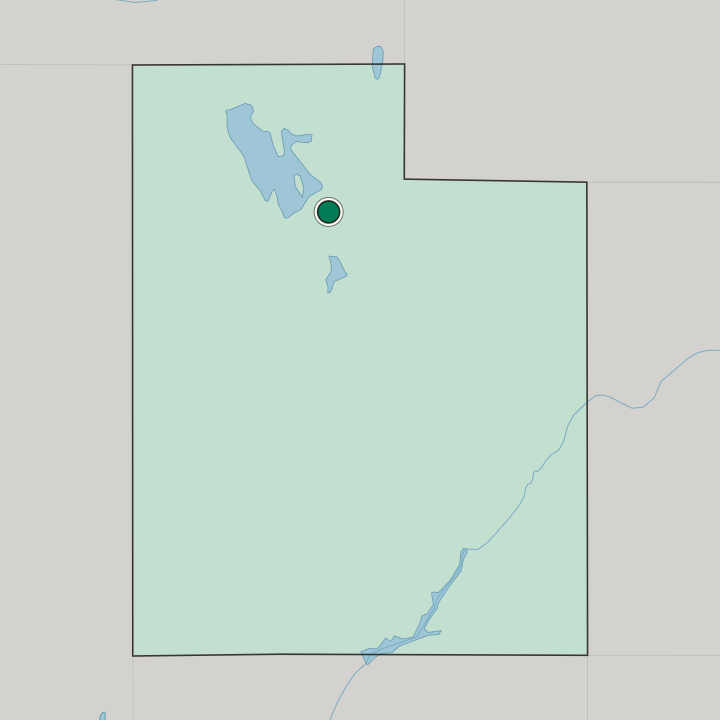
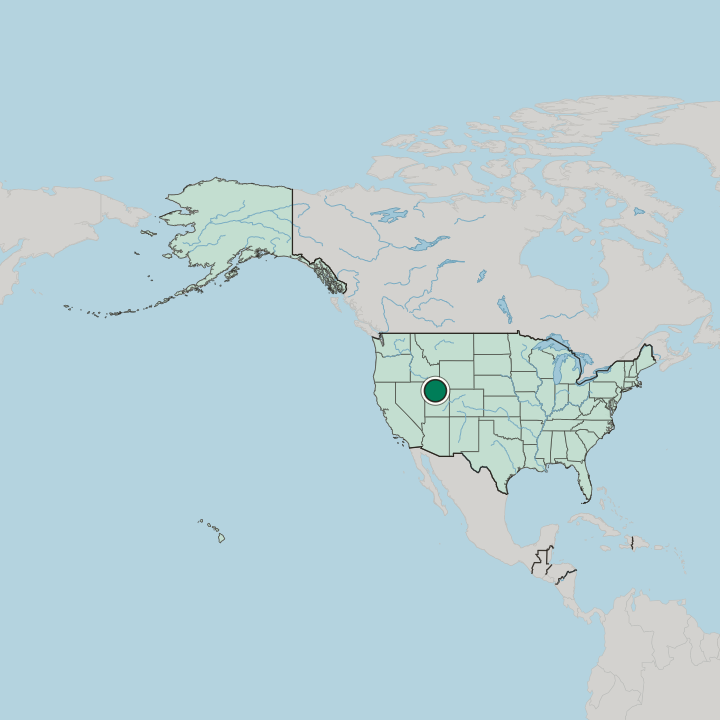
Salt Lake City sits on a broad valley floor in Utah, held between the wall of the Wasatch Front and the basin of the Great Salt Lake. Across roughly 289 square kilometres the grid runs out flat before the land climbs sharply into the mountains east of town. The nearby lake gives the city its name.
That contrast between valley and range shapes daily life, and the canyons behind the Wasatch Front open straight onto ski country. Mountains close the eastern sky.
What is the climate of Salt Lake City?
Salt Lake City has a dry, four-season climate set by its high valley position. Summers turn hot and arid on the flats below the Wasatch Front, while winters bring cold and heavy mountain snow to the canyons that hosted the 2002 Winter Olympics. Spring and autumn stay brief.
The air holds little humidity year-round. Snowfall that gives the nearby resorts their reputation piles up in the ranges east of town far more than on the valley floor itself, a split that defines the local seasons. Clear skies are frequent.
How do you get to Salt Lake City?
Salt Lake City is served by a major international airport and by the interstate corridors that cross Utah along the Wasatch Front. Most visitors arrive by air or by road. A rail line then links the terminal directly to the flat downtown grid near the Beehive House, which most people cross on foot.
From there the canyons and ski resorts lie a short drive east. Getting around the valley is simple once you land.
Common questions
What is the best area to stay in Salt Lake City?
Temple Square core: First-time visitors near the Beehive House, Lion House, and Eagle Gate. University bench: Museum-minded guests near the Utah Museum of Fine Arts and Natural History Museum of Utah. Sugar House: Travellers wanting a leafy base near the Gilgal Sculpture Garden.
Good for
More cities in Utah
Updated October 2026